Military submarine operations require commanders to make critical decisions that directly impact crew safety, mission success, and national security objectives. Submarine commanding officers operate in an environment where tactical choices must be made rapidly, often with incomplete information and under significant time pressure. The underwater operational domain presents distinct challenges including limited communication capabilities, restricted maneuverability, and potential threats that demand immediate response.
The decision-making process in submarine command affects multiple operational levels. At the tactical level, commanders must evaluate immediate threats, navigation hazards, and equipment status. Strategic implications include mission accomplishment, force positioning, and adherence to rules of engagement.
Personnel considerations encompass crew safety, morale, and operational readiness.
Effective submarine command decision-making requires comprehensive training in operational procedures, threat assessment, and crisis management.
Commanders must maintain situational awareness through continuous monitoring of sonar contacts, environmental conditions, and vessel systems. The confined submarine environment and extended deployment periods create additional factors that influence crew performance and decision quality. Standard operating procedures and established protocols provide frameworks for routine decisions, while emergency situations require commanders to adapt quickly to changing circumstances.
Key Takeaways
- Effective decision making is crucial for successful submarine command and mission outcomes.
- Submarine operations present unique challenges requiring critical thinking and adaptability.
- Clear communication and strong crew collaboration enhance operational efficiency and trust.
- Utilizing data, intelligence, and technology supports informed and timely decisions.
- Managing stress, learning from mistakes, and balancing risk are key to continuous improvement.
Understanding the Unique Challenges of Submarine Operations
Submarine operations are characterized by a set of unique challenges that differentiate them from other military branches. The underwater environment is inherently complex, with factors such as pressure, temperature, and limited visibility creating a demanding operational landscape. Submarines operate in silence, relying on stealth to achieve their objectives, which necessitates a high level of situational awareness and adaptability.
Commanders must be adept at interpreting sonar data, understanding oceanographic conditions, and anticipating potential threats—all while maintaining the safety and security of their vessel and crew. Additionally, the confined space of a submarine presents its own set of challenges. Crew members live and work in close quarters for extended periods, which can lead to interpersonal conflicts and stress.
The psychological toll of isolation and the constant threat of detection or attack can weigh heavily on both officers and enlisted personnel. Therefore, understanding these unique challenges is crucial for any submarine commander. They must not only be skilled tacticians but also effective leaders who can foster a cohesive team environment amidst the pressures of underwater operations.
The Role of Critical Thinking in Submarine Command
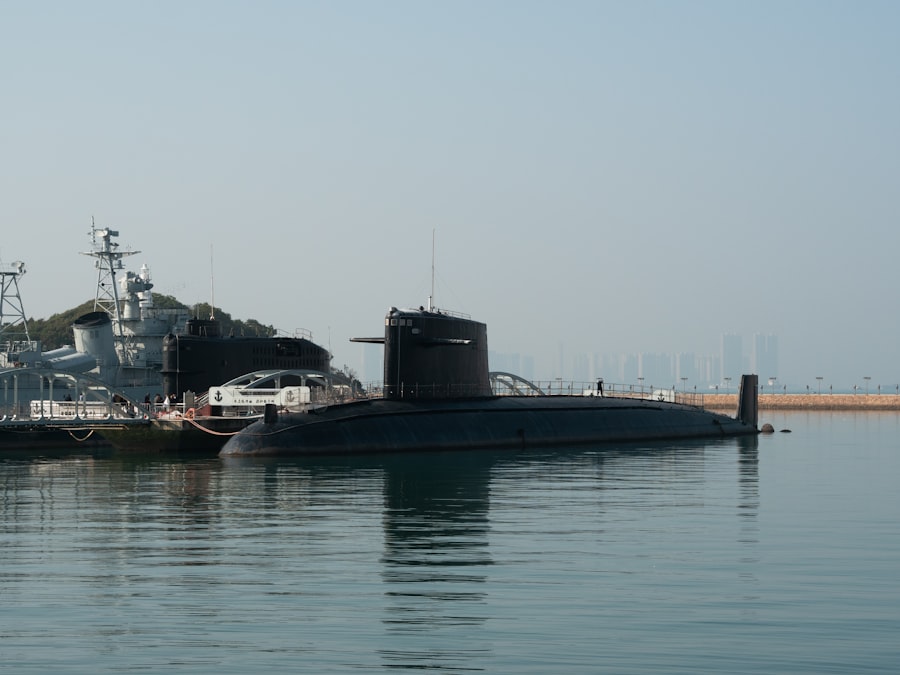
Critical thinking is an essential skill for submarine commanders, enabling them to analyze complex situations and make informed decisions quickly. In the underwater realm, where information can be scarce and time-sensitive, the ability to assess various factors—such as enemy movements, environmental conditions, and crew capabilities—becomes vital. Commanders must sift through data, identify patterns, and draw logical conclusions to navigate the intricacies of their missions successfully.
Moreover, critical thinking allows submarine leaders to anticipate potential challenges and devise contingency plans. By evaluating different scenarios and their possible outcomes, commanders can prepare their crews for unexpected developments. This proactive approach not only enhances mission success but also instills confidence within the crew, knowing that their leader is equipped to handle unforeseen circumstances.
In essence, critical thinking serves as a foundation for effective decision-making in submarine command, enabling leaders to respond adeptly to the dynamic nature of underwater operations.
Developing Effective Communication Skills in Submarine Command
Effective communication is a cornerstone of successful submarine operations. Given the confined space and high-stress environment aboard submarines, clear and concise communication becomes essential for maintaining operational efficiency and crew morale. Commanders must convey orders and information in a manner that is easily understood by all crew members, regardless of their rank or experience level.
This requires not only clarity in verbal communication but also an understanding of non-verbal cues and body language. Furthermore, fostering an environment where open communication is encouraged can significantly enhance team dynamics. Submarine commanders should promote a culture where crew members feel comfortable voicing concerns or suggestions without fear of reprimand.
This collaborative atmosphere not only improves decision-making processes but also strengthens trust among crew members.
Utilizing Data and Intelligence for Informed Decision Making
| Metric | Description | Typical Value/Range | Importance in Decision Making |
|---|---|---|---|
| Reaction Time | Time taken by the commander to assess a situation and make a decision | 5-15 seconds | Critical for timely responses to threats or mission changes |
| Situational Awareness Accuracy | Percentage of correct identification of contacts and environmental factors | 85-95% | Ensures informed decisions based on reliable data |
| Communication Clarity | Effectiveness of conveying orders and information within the crew | 90-100% clarity | Reduces misunderstandings and errors during operations |
| Risk Assessment Accuracy | Ability to correctly evaluate potential threats and mission risks | 80-90% | Helps in balancing mission objectives with crew safety |
| Decision Confidence Level | Commander’s confidence in the chosen course of action | High (above 80%) | Influences decisiveness and leadership effectiveness |
| Stress Management | Ability to maintain composure under pressure | Measured by physiological indicators and performance | Maintains clarity and effectiveness in critical situations |
| Mission Success Rate | Percentage of missions completed successfully under command decisions | 75-90% | Overall indicator of decision-making effectiveness |
In today’s technologically advanced military landscape, data and intelligence play a crucial role in decision-making processes within submarine command. Commanders have access to a wealth of information—from sonar readings to satellite imagery—that can inform their strategies and tactics. The ability to analyze this data effectively allows leaders to make informed decisions that enhance mission success while minimizing risks.
Moreover, intelligence gathering extends beyond mere data collection; it involves interpreting that data within the context of ongoing operations. Submarine commanders must synthesize information from various sources to develop a comprehensive understanding of the operational environment. This holistic approach enables them to anticipate enemy actions, identify potential threats, and make strategic decisions that align with broader military objectives.
In essence, leveraging data and intelligence is not just about having access to information; it is about using that information wisely to guide effective decision-making.
Managing Stress and Pressure in Submarine Command

The high-pressure environment of submarine operations can take a toll on even the most seasoned commanders. The combination of isolation, confined spaces, and the constant threat of detection creates an atmosphere where stress levels can escalate rapidly. Effective leaders must develop strategies to manage their own stress while also supporting their crew in navigating these challenges.
This involves recognizing signs of stress within themselves and their team members and implementing measures to mitigate its effects. One effective approach is fostering resilience through training and preparation. By conducting realistic drills and simulations, commanders can help their crews become accustomed to high-pressure situations, thereby reducing anxiety when real challenges arise.
Additionally, promoting mental health awareness and providing resources for stress management can empower crew members to cope with the demands of submarine life more effectively. Ultimately, managing stress is not just about individual well-being; it is about ensuring that the entire crew remains focused and capable during critical moments.
Building Trust and Collaboration Among Submarine Crew Members
Trust is an essential component of any successful team, but it holds particular significance in submarine operations where crew members rely on one another for safety and mission success. Building trust among crew members requires intentional efforts from submarine commanders to create an environment where collaboration is valued and encouraged. This involves recognizing individual strengths and weaknesses while fostering a sense of camaraderie among team members.
Effective leaders understand that trust is built through consistent actions over time. By demonstrating reliability, transparency, and accountability in their own decision-making processes, commanders can set an example for their crews to follow. Additionally, encouraging teamwork through collaborative exercises and shared responsibilities can strengthen bonds among crew members.
When trust is established within the team, it enhances communication, boosts morale, and ultimately leads to improved performance during missions.
Anticipating and Adapting to Changing Situations in Submarine Command
The underwater environment is inherently unpredictable; therefore, submarine commanders must be adept at anticipating changes and adapting their strategies accordingly. This requires a keen awareness of both internal dynamics—such as crew readiness—and external factors like enemy movements or environmental conditions. Commanders must remain vigilant and flexible, ready to pivot their plans as new information emerges.
Moreover, fostering a culture of adaptability within the crew is essential for success in this dynamic environment. By encouraging team members to think critically and remain open to new ideas or approaches, commanders can create an agile unit capable of responding effectively to unforeseen challenges. This adaptability not only enhances mission success but also instills confidence within the crew that they are prepared for whatever may come their way.
Balancing Risk and Safety in Submarine Operations
In submarine command, balancing risk with safety is a delicate yet crucial task. Commanders must weigh the potential benefits of aggressive tactics against the inherent dangers associated with underwater operations. This requires a thorough understanding of both operational objectives and safety protocols to ensure that decisions made do not jeopardize the well-being of the crew or the integrity of the vessel.
Effective risk management involves assessing various factors—such as mission objectives, environmental conditions, and crew capabilities—to determine acceptable levels of risk. Commanders must be willing to make tough calls when necessary while also ensuring that safety remains a top priority. By fostering a culture that values both operational success and crew welfare, submarine leaders can navigate this complex balance effectively.
Learning from Mistakes and Improving Decision Making in Submarine Command
Mistakes are an inevitable part of any military operation; however, how commanders respond to those mistakes can significantly impact future decision-making processes. In submarine command, it is essential for leaders to foster an environment where learning from errors is encouraged rather than punished. This involves conducting thorough debriefings after missions or exercises to analyze what went wrong and identify areas for improvement.
Moreover, embracing a growth mindset allows commanders to view mistakes as opportunities for development rather than failures. By encouraging open discussions about errors—without fear of retribution—leaders can promote a culture of continuous improvement within their crews. This commitment to learning not only enhances individual decision-making skills but also strengthens overall team performance during future missions.
The Future of Decision Making in Submarine Command: Technology and Innovation
As technology continues to advance at an unprecedented pace, its impact on decision-making processes within submarine command cannot be overlooked. Innovations such as artificial intelligence (AI), machine learning algorithms, and enhanced data analytics are transforming how commanders gather information and make decisions in real-time. These tools enable leaders to process vast amounts of data quickly, providing insights that were previously unattainable.
Furthermore, advancements in communication technology are enhancing collaboration among submarines operating in concert with other naval assets or allied forces. Improved connectivity allows for seamless information sharing across platforms—enabling commanders to make more informed decisions based on comprehensive situational awareness. As these technologies evolve further, they will undoubtedly shape the future landscape of decision-making in submarine command—empowering leaders with tools that enhance both operational effectiveness and crew safety.
In conclusion, decision-making in submarine command encompasses a multifaceted array of skills ranging from critical thinking to effective communication and risk management. As submarines continue to play a vital role in modern military operations, understanding these elements will be crucial for future leaders tasked with navigating the complexities of underwater warfare.
Effective decision-making in submarine command is crucial for mission success and crew safety. A related article that delves into the intricacies of command decisions in underwater operations can be found at this link. It explores various factors that influence commanders’ choices, including environmental conditions, crew dynamics, and technological advancements, providing valuable insights for both current and future submarine operations.
WATCH THIS 🛑 The Submarine Captain Who Said NO to Nuclear War
FAQs
What is submarine command decision making?
Submarine command decision making refers to the process by which submarine commanders assess situations, evaluate options, and make critical decisions to ensure the safety, effectiveness, and mission success of their vessel and crew.
What factors influence decision making on a submarine?
Factors include the submarine’s mission objectives, environmental conditions, intelligence data, crew readiness, technical status of the submarine, and potential threats from adversaries.
How do submarine commanders receive information for decision making?
Commanders rely on sonar data, communication with other naval units, onboard sensors, intelligence reports, and input from their officers and crew to gather relevant information.
What role does training play in submarine command decision making?
Training is crucial as it prepares commanders to handle complex scenarios, make quick and accurate decisions under pressure, and effectively manage the submarine and crew during operations.
Are there specific protocols for decision making on submarines?
Yes, submarines operate under strict naval protocols and standard operating procedures that guide decision making, especially in combat or emergency situations.
How does technology impact submarine command decision making?
Advanced technology provides commanders with real-time data, enhanced situational awareness, and simulation tools, which improve the accuracy and speed of their decisions.
What challenges do submarine commanders face in decision making?
Challenges include limited communication with external command, the need for stealth, rapidly changing underwater conditions, and the high stakes of potential combat or emergencies.
Can submarine command decisions affect international relations?
Yes, decisions made during submarine operations, especially in contested waters, can have significant diplomatic and geopolitical consequences.
How is decision making evaluated after submarine missions?
Post-mission debriefings, performance reviews, and analysis of outcomes are conducted to assess the effectiveness of decisions and improve future command practices.
Is teamwork important in submarine command decision making?
Absolutely. Effective decision making relies on collaboration among the commander, officers, and crew to share information, provide expertise, and execute orders efficiently.