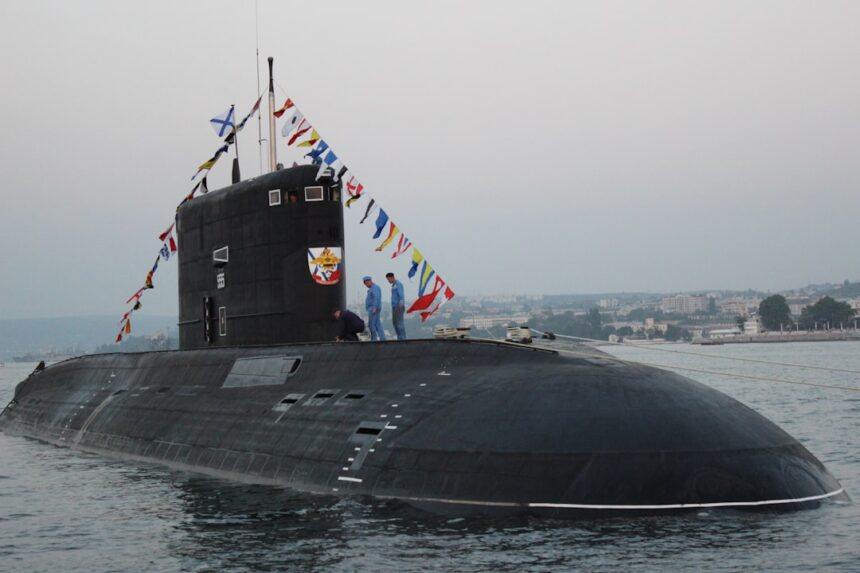
The Russian nuclear submarine fleet represents a formidable aspect of the nation’s military capabilities, embodying both technological prowess and strategic deterrence. These submarines, powered by nuclear reactors, are designed for stealth and endurance, allowing them to operate underwater for extended periods without surfacing. The fleet includes various classes of submarines, such as the Typhoon and Borei classes, which are equipped with intercontinental ballistic missiles (ICBMs) and advanced torpedoes.
This combination of firepower and stealth makes them a critical component of Russia’s nuclear triad, ensuring that the country maintains a credible second-strike capability in the event of a nuclear conflict. The design and construction of these submarines reflect decades of investment in military technology. The Russian Navy has continually updated its fleet to incorporate modern advancements, enhancing their operational effectiveness.
The submarines are not only a symbol of national pride but also serve as a deterrent against potential adversaries. Their ability to remain undetected while patrolling vast oceanic expanses underscores the strategic importance of these vessels in global military dynamics.
Key Takeaways
- Russian nuclear submarines pose significant strategic and environmental risks if lost or rogue.
- International efforts are actively underway to locate and track missing or unaccounted Russian nuclear submarines.
- Advanced technology plays a crucial role in monitoring and searching for these submarines globally.
- The hunt for Russian nuclear submarines has broad political and diplomatic consequences worldwide.
- Environmental concerns are rising due to potential radioactive contamination from submarine incidents.
The Hunt for the Russian Nuclear Submarine: What We Know
In recent years, the hunt for Russian nuclear submarines has intensified, driven by geopolitical tensions and concerns over national security. Various nations have reported increased activity in tracking these submarines, particularly in strategic maritime regions such as the North Atlantic and the Arctic. Intelligence agencies and naval forces have been on high alert, employing advanced surveillance techniques to monitor the movements of these stealthy vessels.
Reports indicate that Russian submarines have been spotted closer to NATO waters than ever before, raising alarms about their potential intentions. The hunt is not merely a matter of military interest; it also involves complex geopolitical calculations. Analysts suggest that the presence of Russian submarines in contested waters could be a show of force or a means of gathering intelligence on rival naval operations.
As nations ramp up their efforts to track these submarines, the stakes continue to rise, leading to an intricate game of cat and mouse beneath the waves.
The Potential Dangers of a Rogue Russian Nuclear Submarine

The prospect of a rogue Russian nuclear submarine poses significant risks to global security. Such a scenario could arise from various factors, including technical malfunctions, human error, or even deliberate actions by rogue elements within the military. The consequences of an unaccounted-for submarine could be catastrophic, as these vessels carry nuclear weapons capable of inflicting mass destruction.
The mere existence of a rogue submarine could trigger panic among nations, leading to heightened military readiness and potential miscalculations. Moreover, the potential for a rogue submarine to engage in hostile actions cannot be overlooked. If a submarine were to stray into foreign waters or conduct aggressive maneuvers, it could provoke a military response from other nations.
This situation could escalate quickly, resulting in a confrontation that might spiral out of control. The international community remains acutely aware of these dangers, emphasizing the need for robust tracking and communication systems to prevent such scenarios from unfolding.
The International Response to the Hunt for the Russian Nuclear Submarine
In light of the increasing activity surrounding Russian nuclear submarines, the international response has been multifaceted. NATO allies have ramped up their naval exercises and surveillance operations in response to perceived threats from the Russian fleet. Collaborative efforts among member states have become more pronounced, with joint exercises designed to enhance interoperability and readiness in tracking and countering submarine threats.
This collective approach underscores the seriousness with which nations view the potential risks posed by Russian submarines. Additionally, diplomatic channels have been utilized to address concerns regarding submarine activities. Nations have engaged in discussions aimed at establishing norms and protocols for underwater operations to reduce the likelihood of misunderstandings or accidental confrontations.
These dialogues reflect an understanding that while military preparedness is essential, diplomacy remains a crucial tool in managing tensions and fostering stability in maritime regions.
The Role of Technology in Tracking the Russian Nuclear Submarine
| Metric | Details |
|---|---|
| Submarine Class | Typhoon, Delta, Akula, Oscar |
| Country | Soviet Union (now Russia) |
| Period of Active Hunting | Cold War Era (1950s-1991) |
| Primary Adversaries | United States Navy, NATO Forces |
| Detection Methods | Sonar (Passive and Active), Magnetic Anomaly Detectors, Satellite Surveillance |
| Notable Incidents | HMS Conqueror sinking ARA General Belgrano (1982), USS Baton Rouge vs. K-219 (1986) |
| Typical Depth Range | 200-400 meters operational depth |
| Speed | Up to 30 knots submerged |
| Armament | Ballistic Missiles, Torpedoes, Cruise Missiles |
| Countermeasures Used | Decoys, Noise Makers, Silent Running |
Technology plays a pivotal role in the ongoing efforts to track Russian nuclear submarines. Advanced sonar systems, satellite surveillance, and underwater drones are just a few examples of the tools employed by naval forces to monitor submarine movements. These technologies enable nations to gather real-time data on submarine locations and activities, enhancing situational awareness in contested waters.
The integration of artificial intelligence into tracking systems has further improved the ability to analyze vast amounts of data quickly and accurately. Moreover, advancements in underwater acoustics have revolutionized submarine detection capabilities. Modern sonar systems can detect even the faintest sounds produced by submarines, allowing for more effective tracking over long distances.
As technology continues to evolve, nations are investing heavily in research and development to stay ahead in this critical area of military strategy. The race for technological superiority in submarine detection underscores the high stakes involved in maintaining national security.
The Environmental Impact of the Hunt for the Russian Nuclear Submarine
The hunt for Russian nuclear submarines is not without its environmental consequences. Increased naval activity in sensitive marine ecosystems can disrupt local wildlife and habitats. The noise generated by sonar systems and naval exercises can interfere with marine life communication and navigation, potentially leading to adverse effects on species such as whales and dolphins.
As nations ramp up their efforts to track submarines, environmentalists have raised concerns about the long-term impact on ocean health.
A malfunction or mishap could result in radioactive contamination of marine environments, posing threats not only to local ecosystems but also to human populations relying on these waters for sustenance.
As awareness grows regarding these environmental implications, there is an increasing call for balancing national security interests with ecological preservation.
The Political Implications of the Hunt for the Russian Nuclear Submarine
The hunt for Russian nuclear submarines carries significant political implications that extend beyond military considerations. As nations engage in tracking operations, they must navigate complex diplomatic landscapes shaped by historical rivalries and contemporary alliances. The presence of Russian submarines near NATO waters can exacerbate tensions between Russia and Western nations, leading to a cycle of escalation that complicates diplomatic relations.
Moreover, domestic politics within countries can influence how governments respond to submarine activities. Leaders may face pressure from constituents to take a hardline stance against perceived threats, potentially leading to increased military spending or aggressive posturing. Conversely, calls for diplomacy and de-escalation may emerge from segments of society advocating for peaceful resolutions.
These political dynamics underscore the intricate interplay between military strategy and international relations in addressing submarine-related challenges.
The History of Russian Nuclear Submarine Incidents
The history of Russian nuclear submarine incidents is marked by both technological triumphs and tragic failures. Notable events include the sinking of the K-219 in 1986 and the K-141 Kursk disaster in 2000, both of which resulted in significant loss of life and raised questions about safety protocols within the Russian Navy. These incidents serve as stark reminders of the inherent risks associated with operating nuclear-powered vessels and highlight the need for stringent safety measures.
In addition to accidents, there have been instances where Russian submarines have engaged in provocative behavior during periods of heightened tension with other nations. Such actions have often led to international outcry and increased military readiness among rival powers. The legacy of these incidents continues to shape perceptions of Russia’s submarine capabilities and its approach to maritime security.
The Search and Rescue Efforts for the Russian Nuclear Submarine
In the event of an incident involving a Russian nuclear submarine, search and rescue efforts would be paramount. The complexities involved in locating a submerged vessel present significant challenges, particularly when considering the vastness of oceanic environments. Specialized equipment and trained personnel would be required to conduct effective search operations, necessitating collaboration among various naval forces.
International cooperation could play a crucial role in facilitating search and rescue missions. Nations may need to coordinate efforts to ensure rapid response capabilities are in place should an emergency arise. This collaborative approach not only enhances operational effectiveness but also fosters goodwill among nations during times of crisis.
The Future of Russian Nuclear Submarine Technology
Looking ahead, the future of Russian nuclear submarine technology appears poised for continued evolution. Ongoing investments in research and development aim to enhance capabilities across various dimensions, including stealth technology, weaponry, and operational efficiency. As geopolitical dynamics shift, Russia is likely to adapt its submarine fleet to address emerging threats while maintaining its strategic deterrent posture.
Moreover, advancements in artificial intelligence and automation may play a significant role in shaping future submarine operations. These technologies could enhance decision-making processes onboard submarines while improving overall mission effectiveness. As Russia navigates an increasingly complex global landscape, its commitment to advancing submarine technology will remain a critical component of its military strategy.
The Global Ramifications of the Hunt for the Russian Nuclear Submarine
The hunt for Russian nuclear submarines has far-reaching global ramifications that extend beyond immediate military concerns. As nations engage in tracking operations and enhance their naval capabilities, they contribute to an evolving security landscape characterized by heightened tensions and competition among major powers. This dynamic can influence international relations across various domains, including trade, diplomacy, and regional stability.
Furthermore, the implications extend beyond traditional military considerations; they encompass economic factors as well. Nations may invest heavily in naval modernization programs as they seek to counter perceived threats from rival powers. This arms race can divert resources away from other critical areas such as education or healthcare, impacting overall societal well-being.
As countries grapple with these challenges, finding pathways toward cooperation amidst competition will be essential for fostering stability in an increasingly interconnected world. In conclusion, the hunt for Russian nuclear submarines encapsulates a complex interplay of military strategy, technological advancement, environmental considerations, political dynamics, and historical context. As nations navigate this intricate landscape, understanding the multifaceted implications will be crucial for ensuring global security while addressing pressing challenges that transcend borders.
In the context of the Cold War, the pursuit of Soviet nuclear submarines was a critical aspect of naval strategy, as highlighted in the article on submarine warfare tactics. For a deeper understanding of the challenges and technologies involved in tracking these formidable vessels, you can read more in this related article: Submarine Warfare Tactics. This piece delves into the methods used by naval forces to detect and monitor Soviet submarines during a tense period in history.
WATCH THIS 🛑 The Submarine Captain Who Said NO to Nuclear War
FAQs
What was the Soviet nuclear submarine that was hunted?
The Soviet nuclear submarine that was hunted refers to various incidents during the Cold War when Western naval forces tracked or pursued Soviet nuclear-powered submarines. Specific submarines involved in such events include the K-219 and K-278 Komsomolets, among others.
Why were Soviet nuclear submarines hunted during the Cold War?
Soviet nuclear submarines were hunted by Western navies primarily for intelligence gathering, monitoring Soviet naval capabilities, and maintaining strategic deterrence. Tracking these submarines helped NATO forces understand Soviet movements and technological advancements.
How did Western navies track Soviet nuclear submarines?
Western navies used a combination of sonar arrays, underwater listening stations, maritime patrol aircraft, and surface ships equipped with advanced detection equipment to track Soviet nuclear submarines. The SOSUS (Sound Surveillance System) was a key underwater listening network used by the United States.
Were there any notable incidents involving the hunting of Soviet nuclear submarines?
Yes, several notable incidents occurred, including the 1986 loss of the Soviet submarine K-219 after a missile silo explosion, and the 1989 sinking of the K-278 Komsomolets. These events often involved Western forces tracking or responding to emergencies involving Soviet submarines.
What risks were associated with hunting Soviet nuclear submarines?
Hunting Soviet nuclear submarines carried risks such as accidental collisions, escalation of military tensions, and potential nuclear accidents. Both sides had to carefully manage these operations to avoid unintended conflict or environmental disasters.
Did the hunting of Soviet nuclear submarines continue after the Cold War?
After the Cold War, the intensity of submarine tracking decreased, but navies continue to monitor nuclear submarines for strategic and security reasons. Modern tracking focuses on maintaining maritime security and preventing proliferation of nuclear technology.
What impact did hunting Soviet nuclear submarines have on naval technology?
The pursuit of Soviet nuclear submarines drove significant advancements in sonar technology, underwater detection systems, and anti-submarine warfare tactics. It also influenced submarine design, leading to quieter and more stealthy vessels on both sides.