The Cuban Missile Crisis, which unfolded in October 1962, stands as one of the most critical moments in Cold War history. This tense confrontation between the United States and the Soviet Union was sparked by the discovery of Soviet nuclear missiles stationed in Cuba, just 90 miles off the coast of Florida. The revelation sent shockwaves through the American government and public, as it represented a direct threat to national security.
President John F. Kennedy, faced with the daunting task of responding to this provocation, had to navigate a precarious landscape of military options and diplomatic considerations.
The crisis lasted for 13 harrowing days, during which both superpowers engaged in a high-stakes game of brinkmanship. The stakes were unprecedented, as the potential for catastrophic conflict loomed large. Ultimately, the resolution of the crisis would not only shape U.S.-Cuban relations but also redefine the dynamics of the Cold War itself.
The U.S. Navy played a pivotal role in enforcing the quarantine that President Kennedy announced on October 22, 1962. This quarantine, which was officially termed a “naval blockade,” aimed to prevent further shipments of military equipment from reaching Cuba.
The Navy mobilized a significant fleet of ships and aircraft to monitor and intercept any vessels suspected of carrying contraband to the island. This operation was not merely a show of force; it was a calculated strategy designed to demonstrate American resolve while avoiding direct military confrontation. The Navy’s presence in the Caribbean was a crucial element in maintaining pressure on the Soviet Union.
With destroyers, aircraft carriers, and submarines deployed in strategic positions, the U.S. Navy established a formidable barrier around Cuba. This naval force was tasked with enforcing the quarantine and ensuring that no additional missiles or military supplies could reach Fidel Castro’s regime.
The Navy’s readiness and capability to act decisively were instrumental in conveying to both allies and adversaries that the United States would not tolerate any further escalation of the crisis.
Key Takeaways
- The U.S. Navy played a crucial role in enforcing the quarantine during the Cuban Missile Crisis to prevent Soviet missile shipments.
- The decision to quarantine Cuba was a strategic move to avoid direct military conflict while pressuring the Soviet Union.
- The naval blockade significantly impacted Cuba by restricting Soviet military supplies and escalating tensions.
- Diplomatic efforts alongside the quarantine helped resolve the crisis without escalating into full-scale war.
- The quarantine influenced future U.S.-Soviet relations and provided key lessons in crisis management and international diplomacy.
The Decision to Quarantine Cuba
The decision to impose a quarantine on Cuba was not made lightly. President Kennedy and his advisors deliberated extensively over various options, weighing the potential consequences of each course of action. A full-scale invasion of Cuba was considered but ultimately deemed too risky, as it could provoke a Soviet response that might escalate into nuclear war.
Instead, Kennedy opted for a more measured approach that would allow for a show of strength without crossing the threshold into outright conflict. The quarantine was announced on October 22, 1962, during a televised address to the nation. In his speech, Kennedy articulated the rationale behind this decision, emphasizing the need to protect American security and uphold international law.
The choice to implement a quarantine rather than an invasion reflected a desire to avoid unnecessary bloodshed while still sending a clear message to the Soviet Union about the seriousness of the situation. This decision marked a turning point in U.S. foreign policy, as it demonstrated a willingness to engage in direct confrontation while still seeking diplomatic solutions.
The Naval Blockade’s Impact on Cuba
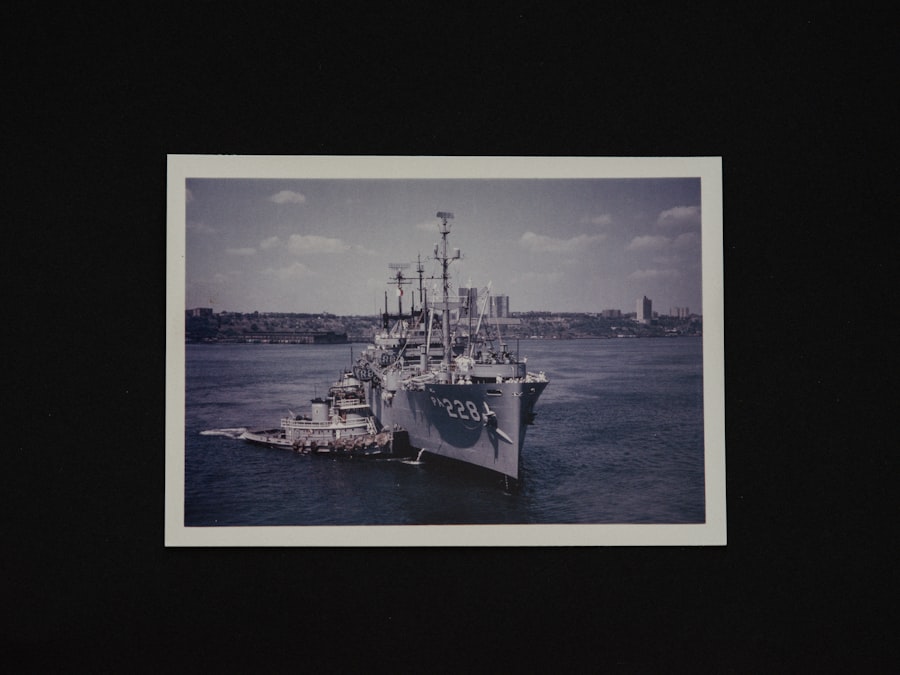
The naval blockade imposed by the United States had immediate and profound effects on Cuba’s economy and military capabilities. As U.S. Navy ships patrolled the waters surrounding the island, they effectively cut off vital supplies and resources that were essential for sustaining Castro’s regime.
The blockade disrupted trade routes and limited access to food, fuel, and other critical materials, leading to shortages that would have lasting repercussions for the Cuban population. Moreover, the blockade served as a psychological weapon against both the Cuban government and its citizens. The visible presence of U.S.
naval forces created an atmosphere of tension and uncertainty within Cuba, as citizens grappled with the reality of being at the center of a geopolitical standoff.
International Response to the Quarantine
The international response to the U.S. quarantine of Cuba was mixed, reflecting the complex geopolitical landscape of the time. While many Western nations supported Kennedy’s decision as a necessary measure to counter Soviet aggression, others criticized it as an act of imperialism that could escalate tensions further.
Countries aligned with the Soviet bloc condemned the blockade vehemently, viewing it as an infringement on Cuba’s sovereignty and an aggressive maneuver by the United States. In contrast, some Latin American nations expressed solidarity with Cuba, seeing it as a symbol of resistance against U.S. hegemony in the region.
This division highlighted the broader ideological struggle between capitalism and communism that characterized the Cold War era. As nations took sides, diplomatic channels became increasingly strained, complicating efforts to find a peaceful resolution to the crisis.
The Potential for Military Conflict
| Metric | Data |
|---|---|
| Event | U.S. Navy Quarantine of Cuba |
| Year | 1962 |
| Start Date | October 22, 1962 |
| End Date | November 20, 1962 |
| Purpose | Prevent Soviet missile shipments to Cuba |
| Number of U.S. Navy Ships Involved | Approximately 180 |
| Type of Naval Action | Quarantine (blockade) |
| Number of Soviet Ships Turned Back | Several (exact number classified) |
| Outcome | Soviet Union agreed to remove missiles from Cuba |
| Casualties | None |
As tensions mounted during the Cuban Missile Crisis, the potential for military conflict loomed ominously over both superpowers. The U.S. military was placed on high alert, with strategic bombers ready for deployment and nuclear forces prepared for action.
The possibility of miscommunication or miscalculation was ever-present, raising fears that a single misstep could trigger a catastrophic chain reaction leading to nuclear war. The Soviet Union also faced its own internal pressures as it grappled with how to respond to U.S. actions in Cuba.
Nikita Khrushchev’s leadership was challenged by hardliners who advocated for a more aggressive stance against American provocations. This internal discord added another layer of complexity to an already volatile situation, as both leaders navigated their respective political landscapes while trying to avoid an all-out conflict.
Diplomatic Efforts to Resolve the Crisis
Amidst the escalating tensions and military posturing, diplomatic efforts were underway behind the scenes to resolve the crisis peacefully. Secret negotiations between U.S. and Soviet officials became crucial in de-escalating tensions and finding common ground.
Both Kennedy and Khrushchev recognized that their nations stood on the brink of disaster and sought ways to avert catastrophe through dialogue. One significant breakthrough came when Khrushchev proposed removing Soviet missiles from Cuba in exchange for a U.S. commitment not to invade the island and a secret agreement to withdraw American missiles from Turkey.
This proposal marked a turning point in negotiations, as it demonstrated both leaders’ willingness to compromise in order to avoid war. Ultimately, these diplomatic efforts culminated in an agreement that would bring an end to one of history’s most dangerous confrontations.
The quarantine imposed by the United States had lasting implications for U.S.-Soviet relations beyond the immediate crisis. While it initially heightened tensions between the two superpowers, it also served as a catalyst for subsequent diplomatic engagements aimed at reducing nuclear risks. In the aftermath of the crisis, both nations recognized the need for better communication channels to prevent future misunderstandings that could lead to conflict.
The establishment of direct communication lines between Washington and Moscow—often referred to as the “hotline”—was one significant outcome of this realization. This mechanism allowed for rapid communication between leaders during times of crisis, reducing the likelihood of miscalculations that could escalate into war. Additionally, both countries began exploring arms control agreements aimed at limiting nuclear arsenals and preventing further proliferation.
Public Opinion and Political Fallout
Public opinion during and after the Cuban Missile Crisis played a crucial role in shaping political discourse in both the United States and abroad. In America, Kennedy’s handling of the crisis garnered widespread support initially, as many citizens viewed his decisive actions as necessary for national security. However, as details emerged about the negotiations and compromises made behind closed doors, some critics began questioning whether Kennedy had acted decisively enough or if he had capitulated too easily to Soviet demands.
In contrast, public sentiment in Cuba was more complex. While many Cubans rallied around Castro during this period of heightened nationalism, others grew disillusioned with his leadership as economic hardships intensified due to the blockade. The crisis exposed vulnerabilities within Castro’s regime and sowed seeds of dissent among those who felt trapped by geopolitical tensions beyond their control.
Lessons Learned from the Cuban Quarantine
The Cuban Missile Crisis provided invaluable lessons for policymakers regarding crisis management and international relations. One key takeaway was the importance of clear communication between rival powers during times of tension. The establishment of direct lines of communication between Washington and Moscow underscored how vital it is for leaders to have mechanisms in place that facilitate dialogue rather than escalation.
Additionally, the crisis highlighted the necessity for diplomacy even amidst military posturing. Both Kennedy and Khrushchev ultimately recognized that their nations’ survival depended on finding common ground rather than resorting to armed conflict. This realization laid groundwork for future arms control negotiations and fostered an understanding that dialogue could be an effective tool for resolving disputes.
The legacy of the U.S. Navy’s quarantine of Cuba endures as a significant chapter in Cold War history and serves as a reference point for contemporary international relations challenges. The successful enforcement of this blockade demonstrated America’s naval capabilities while reinforcing its commitment to protecting national interests against perceived threats.
Moreover, this episode underscored how military power must be balanced with diplomatic efforts in navigating complex geopolitical landscapes. As nations continue to grapple with issues related to nuclear proliferation and regional conflicts today, lessons from the Cuban Missile Crisis remain relevant—reminding leaders that effective communication and diplomacy are essential tools in averting disaster on a global scale.
The U.S. Navy’s quarantine of Cuba in 1962 was a pivotal moment during the Cold War, showcasing the tense standoff between the United States and the Soviet Union. For a deeper understanding of the strategic implications and historical context of this event, you can read more in the article available at In the War Room. This resource provides valuable insights into the military and political maneuvers that defined this critical period in American history.
WATCH THIS 🛑 The Submarine Captain Who Said NO to Nuclear War
FAQs
What was the U.S. Navy quarantine of Cuba in 1962?
The U.S. Navy quarantine of Cuba in 1962 was a naval blockade imposed by the United States to prevent the Soviet Union from delivering nuclear missiles to Cuba during the Cuban Missile Crisis.
When did the U.S. Navy quarantine of Cuba take place?
The quarantine began on October 22, 1962, and lasted until October 28, 1962.
Why did the United States impose a quarantine on Cuba in 1962?
The United States imposed the quarantine to stop the Soviet Union from installing nuclear missiles in Cuba, which posed a direct threat to U.S. national security.
What role did the U.S. Navy play in the quarantine of Cuba?
The U.S. Navy enforced the quarantine by patrolling the waters around Cuba, intercepting and inspecting ships suspected of carrying offensive weapons to the island.
Was the quarantine considered a blockade under international law?
The U.S. government referred to the action as a “quarantine” rather than a blockade to avoid the legal implications of a formal blockade under international law.
What was the outcome of the U.S. Navy quarantine of Cuba?
The quarantine led to a negotiated agreement in which the Soviet Union agreed to remove its missiles from Cuba in exchange for the U.S. promising not to invade Cuba and secretly agreeing to remove U.S. missiles from Turkey.
Did the quarantine lead to any military conflict?
No direct military conflict occurred during the quarantine, but the situation was extremely tense and brought the world close to nuclear war.
How did the quarantine affect U.S.-Soviet relations?
The quarantine heightened Cold War tensions but ultimately led to improved communication between the U.S. and the Soviet Union, including the establishment of the Moscow-Washington hotline.
What was the significance of the U.S. Navy quarantine of Cuba in 1962?
The quarantine was a critical moment in the Cold War, demonstrating U.S. resolve to prevent nuclear weapons from reaching Cuba and helping to avoid a potential nuclear conflict.