The Soviet Navy, a formidable arm of the Soviet Armed Forces, played a crucial role during the Cold War, particularly during pivotal events such as the Cuban Missile Crisis. The records of the Soviet Navy, once shrouded in secrecy, have become a vital source for historians and analysts seeking to understand the intricacies of Soviet military strategy and decision-making processes. These records encompass a wide array of documents, including operational orders, communications, and intelligence assessments, which provide invaluable insights into the naval operations of the Soviet Union during critical moments in history.
As these records have gradually been declassified, they have opened a window into the strategic thinking and operational capabilities of the Soviet Navy, shedding light on its role in global geopolitics. The significance of these records extends beyond mere historical curiosity; they are essential for comprehending the dynamics of the Cold War. The Cuban Missile Crisis of 1962, in particular, serves as a focal point for examining the Soviet Navy’s involvement in a confrontation that brought the world to the brink of nuclear war.
By analyzing these records, scholars can piece together the motivations behind Soviet naval deployments, the interactions between naval forces and political leadership, and the broader implications for international relations during this tense period. The declassification of these documents has not only enriched historical narratives but has also prompted a reevaluation of established interpretations of Cold War events.
Key Takeaways
- Soviet Navy records provide new insights into naval operations during the Cuban Missile Crisis.
- The Soviet Navy played a critical role in enforcing the naval blockade and managing missile deployments.
- Declassified documents reveal strategic decision-making and operational challenges faced by Soviet naval forces.
- Comparisons show contrasting naval tactics and responses between the Soviet Union and the U.S. during the crisis.
- These revelations reshape Cold War historiography and open avenues for further research on Soviet military history.
Background on the Cuban Crisis
The Cuban Missile Crisis emerged from a complex interplay of geopolitical tensions between the United States and the Soviet Union. Following Fidel Castro’s rise to power in Cuba in 1959, the island nation became a focal point for U.S.-Soviet rivalry. The United States, alarmed by the establishment of a communist regime just 90 miles from its shores, sought to contain the spread of communism in Latin America.
This led to a series of confrontations, including the failed Bay of Pigs invasion in 1961, which further strained relations between Washington and Moscow. In response to U.S. actions in Cuba and elsewhere, Soviet Premier Nikita Khrushchev sought to bolster his position by deploying nuclear missiles to Cuba.
This decision was driven by multiple factors, including a desire to protect Cuba from perceived U.S. aggression and to enhance the Soviet Union’s strategic deterrent capabilities. The discovery of these missile installations by U.S.
reconnaissance flights in October 1962 triggered a tense standoff that would last for thirteen days. The world held its breath as both superpowers navigated a precarious path that could lead to catastrophic consequences.
The Role of the Soviet Navy in the Cuban Crisis
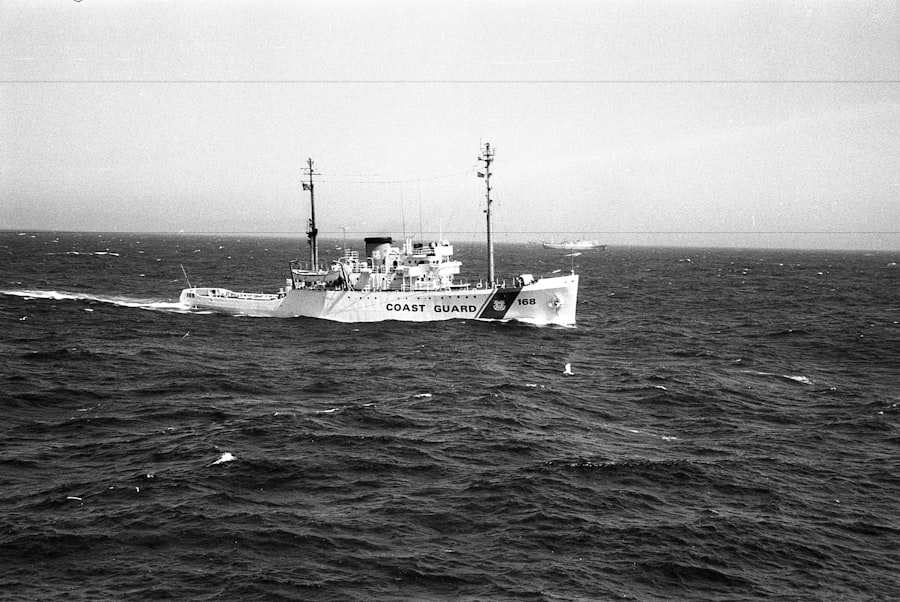
During the Cuban Missile Crisis, the Soviet Navy played a multifaceted role that extended beyond mere support for land-based missile installations. The naval presence was intended to project power and demonstrate Soviet resolve in the face of U.S. threats. The deployment of naval vessels to the Caribbean was not only a show of force but also served as a means of logistical support for Cuba and a potential delivery system for nuclear weapons. The Soviet Navy’s involvement included the deployment of submarines and surface ships to the region, which were tasked with various missions ranging from intelligence gathering to potential engagement with U.S. naval forces. These operations were fraught with risk, as any miscalculation could have escalated tensions into open conflict. The naval maneuvers were carefully coordinated with political directives from Moscow, reflecting the intricate relationship between military operations and diplomatic strategies during this critical period.
Declassification of Soviet Navy Records
The declassification of Soviet Navy records has been a gradual process that began after the dissolution of the Soviet Union in 1991. Initially, access to these documents was limited, as many remained classified due to their sensitive nature. However, as Russia transitioned into a new political landscape, there was an increasing recognition of the importance of transparency in historical research.
This shift allowed historians and researchers to gain access to previously unavailable materials that illuminate the operations and strategies employed by the Soviet Navy during key events like the Cuban Missile Crisis. The release of these records has been met with enthusiasm from scholars who seek to understand not only the military aspects but also the political implications of naval operations during the Cold War. The documents provide a wealth of information regarding command decisions, operational readiness, and interactions with other branches of the military.
As more records continue to be declassified, they contribute to a more nuanced understanding of Soviet naval capabilities and their impact on international relations during this tumultuous era.
Key Findings from the Soviet Navy Records
| Date | Event | Soviet Navy Involvement | Number of Ships | Key Metrics |
|---|---|---|---|---|
| October 1962 | Cuban Missile Crisis Naval Blockade | Enforcement of naval quarantine around Cuba | Approximately 30 Soviet vessels | Submarines: 4; Missile ships: 6; Support vessels: 20 |
| October 24, 1962 | Peak Soviet Naval Deployment | Attempted to run blockade with missile ships and submarines | 15 major combatants | Submarine incidents: 2 near collisions with US forces |
| October 28, 1962 | End of Crisis – Soviet Withdrawal Begins | Withdrawal of missile ships and submarines from Cuban waters | Gradual reduction to 5 vessels by November | Missile dismantling initiated on Cuban soil |
| Post-Crisis 1963 | Aftermath and Naval Records | Documentation of Soviet naval operations during crisis | N/A | Declassified records show detailed ship movements and communications |
Analysis of the declassified Soviet Navy records has yielded several key findings that enhance our understanding of its operations during the Cuban Missile Crisis. One significant revelation is the extent to which naval forces were prepared for potential conflict with U.S. forces. The records indicate that while there was an emphasis on deterrence and defense, there were also contingency plans for offensive operations should hostilities arise. Additionally, these records highlight the complexities involved in coordinating naval operations with political directives from Moscow. The interplay between military leaders and political authorities is evident in communications that reveal differing perspectives on how aggressively to engage with U.S. forces. This tension underscores the challenges faced by military commanders who had to balance operational readiness with political considerations during a time when miscommunication could have dire consequences.
Insights into Soviet Naval Strategy during the Cuban Crisis
The insights gleaned from Soviet Navy records reveal a sophisticated approach to naval strategy during the Cuban Missile Crisis. The deployment of naval assets was not merely reactive; it was part of a broader strategy aimed at asserting Soviet influence in the Western Hemisphere. The records indicate that naval leaders were acutely aware of their role in shaping perceptions both domestically and internationally.
Moreover, these documents illustrate how naval strategy was intertwined with broader geopolitical objectives. The Soviet Navy’s presence in Cuba was intended not only as a deterrent against U.S. aggression but also as a means of signaling solidarity with communist allies in Latin America.
This dual purpose reflects a strategic mindset that sought to leverage naval power as an instrument of foreign policy while simultaneously addressing immediate security concerns.
Impact of the Cuban Crisis on Soviet Naval Operations
The Cuban Missile Crisis had profound implications for Soviet naval operations in both immediate and long-term contexts. In the short term, it prompted an urgent reassessment of naval readiness and capabilities.
S.
forces. As a result, there was an increased emphasis on enhancing training programs and improving operational protocols. In the long term, the crisis influenced naval doctrine and strategy within the Soviet Union.
The lessons learned from this confrontation led to significant changes in how naval forces were organized and deployed in subsequent years.
A comparative analysis of Soviet and U.S. naval activities during the Cuban Missile Crisis reveals stark contrasts in strategy and execution. While both navies were engaged in high-stakes maneuvers, their approaches differed significantly based on their respective geopolitical objectives and military doctrines.
The U.S. Navy’s focus was primarily on blockading Cuba to prevent further shipments of military supplies from reaching the island, reflecting a strategy aimed at containment. Conversely, the Soviet Navy’s activities were characterized by a more aggressive posture aimed at demonstrating resolve against perceived U.S.
hegemony. The deployment of submarines and surface vessels was intended not only as a show of force but also as a means of supporting ground operations in Cuba. This divergence highlights how each superpower interpreted its strategic interests and responded to provocations during this critical juncture.
Reactions to the Revelations in the Soviet Navy Records
The revelations contained within declassified Soviet Navy records have elicited varied reactions from historians, political analysts, and former military officials alike. Many scholars have welcomed these insights as they provide a more comprehensive understanding of Cold War dynamics and challenge previously held assumptions about Soviet intentions during critical events like the Cuban Missile Crisis. Conversely, some critics argue that while these records offer valuable information, they should be interpreted with caution due to potential biases inherent in official documentation.
The context in which these documents were produced may influence their reliability as historical sources. Nevertheless, there is a consensus that these revelations contribute significantly to ongoing debates about Cold War historiography and our understanding of superpower interactions during this period.
Implications for Cold War Historiography
The declassification of Soviet Navy records has far-reaching implications for Cold War historiography. By providing new evidence regarding military strategies and decision-making processes, these documents challenge existing narratives that have often been dominated by Western perspectives. This shift encourages historians to adopt a more nuanced approach that considers multiple viewpoints when analyzing Cold War events.
Furthermore, these records underscore the importance of integrating military history with diplomatic history to gain a holistic understanding of international relations during this era. As scholars continue to explore these newly available materials, they are likely to uncover additional layers of complexity that will reshape our understanding of key events like the Cuban Missile Crisis.
Conclusion and Future Research on Soviet Navy Records
In conclusion, the declassification of Soviet Navy records has opened up new avenues for research and inquiry into one of history’s most critical periods—the Cold War. These documents provide invaluable insights into naval operations during pivotal events such as the Cuban Missile Crisis while also prompting scholars to reconsider established narratives surrounding superpower interactions. As future research continues to delve into these records, it is likely that new findings will emerge that further illuminate our understanding of Soviet naval strategy and its implications for global geopolitics.
The ongoing exploration of these materials will not only enrich historical scholarship but also contribute to broader discussions about military strategy, diplomacy, and international relations in an increasingly complex world.
During the Cuban Missile Crisis, the Soviet Navy played a crucial role in the tense standoff between the United States and the Soviet Union. For a deeper understanding of the naval strategies and records from that period, you can explore the article on the topic at In The War Room. This resource provides valuable insights into the naval operations and decisions that shaped the course of the crisis.
WATCH THIS 🛑 The Submarine Captain Who Said NO to Nuclear War
FAQs
What was the Cuban Missile Crisis?
The Cuban Missile Crisis was a 13-day confrontation in October 1962 between the United States and the Soviet Union over the presence of Soviet ballistic missiles in Cuba. It is considered one of the closest moments the Cold War came to escalating into a full-scale nuclear war.
What role did the Soviet Navy play during the Cuban Missile Crisis?
The Soviet Navy was involved in transporting missiles and military equipment to Cuba and enforcing a naval blockade imposed by the United States. Soviet naval vessels were part of the fleet that approached the U.S. naval quarantine line around Cuba, leading to tense standoffs at sea.
What are Soviet Navy records related to the Cuban Missile Crisis?
Soviet Navy records related to the Cuban Missile Crisis include official logs, communications, orders, and reports from Soviet naval commanders and ships involved in the operation. These documents provide insight into Soviet naval strategy, movements, and decision-making during the crisis.
When were the Soviet Navy records about the Cuban Missile Crisis made public?
Many Soviet military and naval records about the Cuban Missile Crisis were classified for decades. Some were declassified and made public after the dissolution of the Soviet Union in the 1990s, allowing historians to gain a more detailed understanding of the Soviet perspective.
Why are Soviet Navy records important for understanding the Cuban Missile Crisis?
These records offer a firsthand account of Soviet naval operations and strategic thinking during the crisis. They help historians verify events, understand the risks of naval confrontations, and provide a balanced view alongside U.S. records and testimonies.
Where can one access Soviet Navy records on the Cuban Missile Crisis?
Soviet Navy records can be found in Russian state archives, military history museums, and some have been published in academic books and journals. Some documents are also available through international research institutions specializing in Cold War history.
Did the Soviet Navy engage in any direct conflict during the Cuban Missile Crisis?
There were no direct naval battles during the Cuban Missile Crisis. However, Soviet and U.S. naval forces came into close proximity, and there were tense moments that could have escalated into conflict. The Soviet Navy followed orders to avoid confrontation while maintaining their mission.
How did the Cuban Missile Crisis end?
The crisis ended when the Soviet Union agreed to remove its missiles from Cuba in exchange for the United States promising not to invade Cuba and secretly agreeing to remove U.S. missiles from Turkey. Both sides also established a direct communication link to prevent future crises.