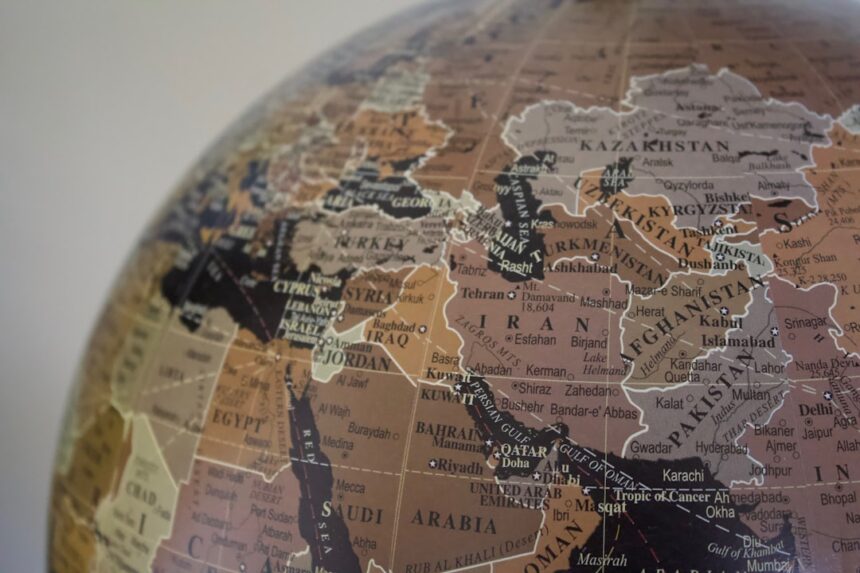
Geopolitical conflict arises from the interplay of geographical, political, and economic factors that shape the relationships between nations. It often manifests in territorial disputes, resource competition, and ideological differences. The complexity of these conflicts is heightened by the diverse interests of various stakeholders, including governments, corporations, and non-state actors.
Understanding the roots of geopolitical conflict requires a nuanced examination of historical contexts, cultural identities, and power dynamics that influence international relations. At its core, geopolitical conflict is not merely a clash of arms but a struggle for influence and control over resources and strategic positions. The motivations behind these conflicts can range from national security concerns to economic ambitions.
For instance, nations may engage in conflict to secure vital resources such as oil or water, which are essential for their economic stability and growth. Additionally, the rise of nationalism and the quest for self-determination among various ethnic groups can further complicate the geopolitical landscape, leading to tensions that can escalate into full-blown conflicts.
Key Takeaways
- Geopolitical conflicts deeply affect global stability, economy, and international relations.
- Diplomacy and international organizations play crucial roles in resolving and preventing conflicts.
- Cultural sensitivity and media influence are key factors in shaping effective global diplomacy.
- Technology and NGOs contribute significantly to innovative approaches in peacebuilding.
- Understanding historical precedents helps develop strategies to manage future geopolitical tensions.
The Role of Diplomacy in Global Tensions
Diplomacy serves as a critical tool in managing and mitigating global tensions. It encompasses a range of activities aimed at fostering dialogue, building relationships, and negotiating solutions to disputes. Through diplomatic channels, nations can communicate their interests and grievances, seeking common ground to avert conflict.
The effectiveness of diplomacy often hinges on the willingness of parties to engage in constructive dialogue and compromise, which can be challenging in the face of deep-seated animosities. Moreover, diplomacy is not limited to formal negotiations between state actors; it also includes informal discussions and back-channel communications that can pave the way for more substantial agreements. The role of diplomats is crucial in this process, as they act as intermediaries who facilitate understanding and trust among conflicting parties.
In many cases, successful diplomacy has led to de-escalation of tensions and the establishment of frameworks for peaceful coexistence, demonstrating its importance in the realm of international relations.
Historical Examples of Successful Conflict Resolution
Throughout history, there have been numerous instances where effective conflict resolution has led to lasting peace. One notable example is the Camp David Accords of 1978, where U.S. President Jimmy Carter facilitated negotiations between Egyptian President Anwar Sadat and Israeli Prime Minister Menachem Begin.
This landmark agreement not only ended decades of hostility between Egypt and Israel but also set a precedent for future peace efforts in the Middle East. The success of the Camp David Accords underscores the potential of diplomacy to resolve seemingly intractable conflicts through dialogue and mutual concessions. Another significant case is the Good Friday Agreement of 1998, which brought an end to decades of violent conflict in Northern Ireland.
This agreement was the result of extensive negotiations involving multiple parties, including the British and Irish governments as well as various political factions within Northern Ireland. The Good Friday Agreement exemplifies how inclusive dialogue can address complex issues related to identity, governance, and social justice, ultimately leading to a more stable and peaceful society.
The Impact of Geopolitical Conflict on Global Economy
Geopolitical conflicts have far-reaching implications for the global economy, often resulting in instability that affects trade, investment, and economic growth. When tensions escalate into armed conflict, countries may impose sanctions or trade restrictions that disrupt supply chains and hinder economic cooperation. For instance, the ongoing conflict between Russia and Ukraine has led to significant disruptions in energy supplies and agricultural exports, impacting not only the involved nations but also economies around the world.
Furthermore, geopolitical conflicts can create uncertainty in financial markets, leading to volatility that affects investment decisions. Investors tend to shy away from regions perceived as unstable or prone to conflict, which can stifle economic development and exacerbate existing challenges. The interconnectedness of the global economy means that localized conflicts can have ripple effects that extend far beyond their geographic boundaries, highlighting the need for effective conflict resolution mechanisms to maintain economic stability.
The Role of International Organizations in Conflict Resolution
| Metric | Description | Example Data | Source |
|---|---|---|---|
| Number of Active Conflicts | Count of ongoing geopolitical conflicts worldwide | 35 (as of 2023) | Uppsala Conflict Data Program (UCDP) |
| Peace Agreements Signed | Number of formal peace agreements signed annually | 12 (2022) | United Nations Peacemaker |
| Conflict Resolution Success Rate | Percentage of conflicts resolved through negotiation or mediation | 40% | International Crisis Group |
| Duration of Conflicts | Average length of conflicts before resolution (years) | 7.5 years | UCDP |
| International Mediation Interventions | Number of mediation efforts by international organizations per year | 25 (2023) | United Nations, African Union, EU Reports |
| Post-Conflict Stability Index | Measure of political stability within 5 years after conflict resolution (scale 0-100) | 65 | World Bank Governance Indicators |
International organizations play a pivotal role in conflict resolution by providing platforms for dialogue, mediation, and peacekeeping efforts. Institutions such as the United Nations (UN) are tasked with promoting international peace and security through various means, including diplomatic negotiations and peacekeeping missions. The UN’s ability to mobilize resources and coordinate international responses to conflicts makes it an essential player in addressing global tensions.
In addition to the UN, regional organizations such as the African Union (AU) and the European Union (EU) also contribute to conflict resolution efforts within their respective regions. These organizations often have a better understanding of local dynamics and can facilitate dialogue among conflicting parties more effectively than external actors. By fostering cooperation and collaboration among member states, international organizations can help create an environment conducive to peacebuilding and reconciliation.
The Importance of Cultural Sensitivity in Global Diplomacy
Cultural sensitivity is a crucial aspect of effective diplomacy, as it acknowledges the diverse values, beliefs, and practices that shape interactions between nations. Understanding cultural nuances can help diplomats navigate complex social dynamics and avoid misunderstandings that could escalate tensions. For instance, recognizing the significance of historical grievances or religious sentiments can inform diplomatic strategies that are more likely to resonate with local populations.
Moreover, cultural sensitivity fosters trust and respect among negotiating parties, which is essential for successful diplomacy. When diplomats demonstrate an awareness of cultural differences and show respect for local customs, they are more likely to build rapport with their counterparts. This rapport can facilitate open communication and create a conducive atmosphere for dialogue, ultimately enhancing the prospects for conflict resolution.
Strategies for Preventing Escalation of Geopolitical Tensions
Preventing the escalation of geopolitical tensions requires proactive strategies that address underlying issues before they spiral into conflict. One effective approach is early warning systems that monitor potential flashpoints and provide timely information to decision-makers. By identifying signs of rising tensions—such as military buildups or inflammatory rhetoric—governments can take preemptive measures to de-escalate situations before they become unmanageable.
Additionally, fostering people-to-people connections through cultural exchanges and dialogue initiatives can help bridge divides between conflicting parties. By promoting mutual understanding and empathy among different communities, these initiatives can reduce animosities and create a foundation for peaceful coexistence. Engaging civil society organizations in peacebuilding efforts also enhances grassroots support for conflict resolution initiatives, making them more sustainable in the long run.
The Role of Media in Shaping Public Perception of Global Conflicts
The media plays a significant role in shaping public perception of global conflicts by framing narratives that influence how audiences understand complex issues. Through selective reporting and editorial choices, media outlets can highlight certain aspects of a conflict while downplaying others, thereby shaping public opinion and policy responses. For instance, sensationalized coverage of violence may lead to increased fear and hostility toward certain groups or nations.
Moreover, social media has transformed the landscape of information dissemination, allowing individuals to share their perspectives on conflicts in real time. While this democratization of information can promote awareness and advocacy for peace efforts, it also poses challenges related to misinformation and polarization. As such, responsible media practices are essential for fostering informed public discourse on global conflicts and supporting constructive engagement rather than exacerbating divisions.
The Influence of Technology on Geopolitical Conflict Resolution
Technology has become an increasingly important factor in geopolitical conflict resolution, offering new tools for communication, negotiation, and monitoring compliance with agreements. Digital platforms enable diplomats to engage in real-time discussions across vast distances, facilitating quicker responses to emerging crises.
Moreover, advancements in artificial intelligence (AI) and data analytics can aid in predicting potential conflicts by analyzing patterns and trends in social behavior or resource allocation. By leveraging these technologies, policymakers can develop targeted interventions that address root causes rather than merely responding to symptoms of conflict. However, it is crucial to ensure that technology is used ethically and responsibly in conflict resolution efforts to avoid unintended consequences.
The Role of Non-Governmental Organizations in Promoting Peace
Non-governmental organizations (NGOs) play a vital role in promoting peace by advocating for human rights, providing humanitarian assistance, and facilitating dialogue among conflicting parties.
By amplifying local voices in peace processes, NGOs contribute to more inclusive and representative outcomes.
Furthermore, NGOs often serve as intermediaries between governments and civil society, helping to bridge gaps in communication and foster trust among stakeholders. Their expertise in conflict resolution methodologies enables them to design innovative programs that address underlying grievances while promoting reconciliation efforts. As such, NGOs are essential partners in building sustainable peace in regions affected by geopolitical conflict.
The Future of Geopolitical Conflict Resolution: Challenges and Opportunities
The future of geopolitical conflict resolution presents both challenges and opportunities as the global landscape continues to evolve. One significant challenge is the rise of populism and nationalism in various countries, which can hinder collaborative efforts toward peacebuilding by prioritizing national interests over global cooperation. Additionally, emerging technologies pose both risks and opportunities; while they can enhance communication and data analysis capabilities, they also raise concerns about cybersecurity threats that could exacerbate tensions.
However, there are also opportunities for innovative approaches to conflict resolution that leverage technology and foster greater inclusivity in peace processes. As awareness grows regarding the importance of cultural sensitivity and grassroots engagement, there is potential for more effective strategies that address the root causes of conflicts rather than merely managing their symptoms. By embracing collaboration among diverse stakeholders—including governments, NGOs, civil society organizations, and local communities—the international community can work toward a more peaceful future amidst ongoing geopolitical challenges.
In the realm of geopolitical conflict resolution, understanding the dynamics of international relations is crucial. A valuable resource on this topic can be found in the article on