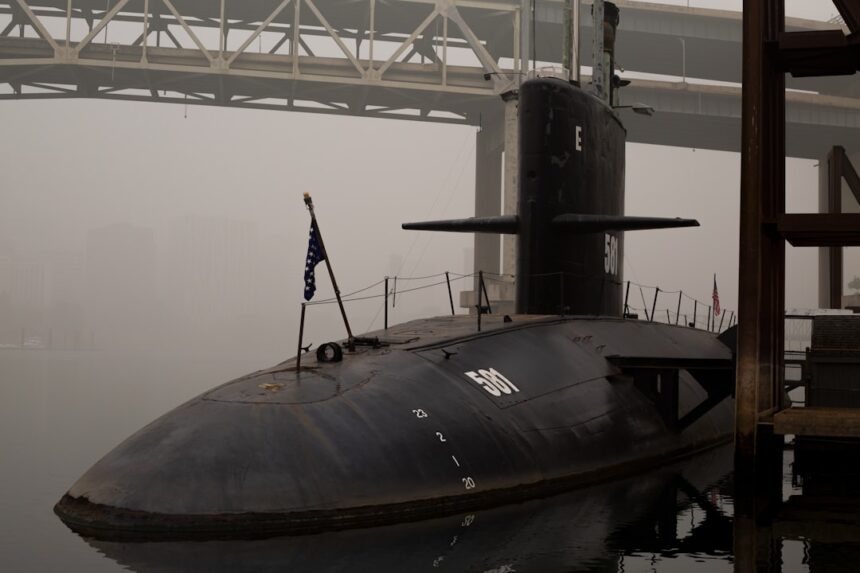
The K-19 submarine reactor disaster stands as a stark reminder of the potential dangers associated with nuclear technology, particularly in military applications. In July 1961, the Soviet Union’s K-19, a nuclear-powered submarine, experienced a catastrophic failure in its reactor cooling system while on a mission in the North Atlantic. This incident not only endangered the lives of the crew but also posed significant risks to the environment and raised questions about the safety protocols surrounding nuclear operations.
The K-19 disaster serves as a pivotal case study in understanding the complexities of nuclear safety, human error, and the critical importance of effective leadership in crisis situations. The events surrounding the K-19 disaster highlight the intricate balance between technological advancement and safety measures. As nations sought to harness the power of nuclear energy for military and civilian purposes, the potential for catastrophic failures loomed large.
The K-19 incident, often referred to as “Hiroshima on Ice,” underscores the urgent need for stringent safety protocols and comprehensive training for personnel involved in nuclear operations. The repercussions of this disaster reverberated through military and civilian nuclear programs, prompting a reevaluation of safety standards and operational procedures worldwide.
Key Takeaways
- The K-19 submarine reactor disaster highlighted critical failures in reactor safety and emergency response.
- Human error and inadequate training significantly contributed to the severity of the incident.
- Leadership and crisis management played a crucial role in mitigating further damage during the disaster.
- The event led to major changes in nuclear policy, regulation, and international cooperation on reactor safety.
- Long-term environmental and health impacts underscored the need for rigorous maintenance and safety protocols.
The Events Leading Up to the Disaster
In the months leading up to the K-19 disaster, the submarine was engaged in a series of missions that tested its capabilities and the resilience of its crew. The K-19 was one of the first Soviet submarines equipped with a nuclear reactor, and its operational demands were high. The crew faced immense pressure to perform under challenging conditions, which included navigating treacherous waters and maintaining the submarine’s advanced systems.
The submarine’s reactor was plagued by design flaws and inadequate safety measures, which were exacerbated by a lack of proper training for the crew. As tensions escalated during the Cold War, the urgency to deploy nuclear submarines often overshadowed concerns about safety protocols.
The crew of K-19 was not fully prepared for the challenges they would face, and their training did not adequately cover emergency procedures related to reactor malfunctions. This combination of high-stakes pressure and insufficient preparation set the stage for a disaster that would have far-reaching consequences.
The Immediate Aftermath of the Disaster

When the reactor cooling system failed on July 4, 1961, chaos ensued aboard the K-19. The crew quickly realized that they were facing a life-threatening situation as radiation levels began to rise dangerously. In a desperate attempt to avert a meltdown, several crew members took it upon themselves to manually operate emergency systems, exposing themselves to lethal doses of radiation in the process.
Their bravery and quick thinking prevented an even greater catastrophe, but at a significant cost to their health and well-being. In the immediate aftermath of the incident, the Soviet Navy faced a daunting challenge: how to manage the fallout from this disaster while maintaining operational secrecy. The government downplayed the severity of the situation, leading to confusion and misinformation among both military personnel and the public.
Many crew members who had been exposed to radiation suffered long-term health effects, yet their sacrifices remained largely unrecognized for years. The K-19 disaster highlighted not only the dangers inherent in nuclear operations but also the need for transparency and accountability in addressing such crises.
Lessons Learned about Reactor Safety
The K-19 disaster served as a wake-up call for nuclear safety protocols worldwide. One of the most significant lessons learned was the critical importance of robust safety systems designed to prevent catastrophic failures. The incident underscored that even advanced technology could not replace comprehensive safety measures and contingency plans.
In response to this disaster, many nations began reevaluating their nuclear safety regulations, emphasizing redundancy in safety systems and rigorous testing procedures. Moreover, the K-19 incident highlighted the necessity for continuous monitoring and assessment of reactor conditions. It became clear that real-time data on reactor performance could be vital in preventing similar disasters in the future.
The lessons learned from K-19 prompted an international dialogue on nuclear safety standards, leading to collaborative efforts aimed at improving reactor design and operational protocols across various countries.
The Human Factor in Reactor Operations
| Metric | Details |
|---|---|
| Incident Date | July 4, 1961 |
| Location | North Atlantic Ocean |
| Submarine Name | K-19 |
| Type of Reactor | Pressurized Water Reactor (PWR) |
| Cause of Disaster | Loss of coolant in the reactor’s primary cooling system |
| Number of Crew Affected | Approximately 140 crew members |
| Immediate Fatalities | 8 crew members |
| Long-term Radiation Deaths | Estimated 20+ crew members |
| Duration of Reactor Cooling Effort | Several hours under extreme conditions |
| Outcome | Reactor was successfully cooled, preventing a nuclear meltdown |
| Impact on Soviet Navy | Increased safety protocols and reactor design improvements |
The human element plays a crucial role in reactor operations, as evidenced by the K-19 disaster. While technological advancements can enhance safety measures, they cannot eliminate human error entirely. The crew’s response during the crisis revealed both commendable bravery and critical shortcomings in training and preparedness.
Many crew members acted heroically under pressure, yet their lack of experience and inadequate training contributed to the severity of the situation. Understanding human factors in reactor operations has since become a focal point for safety improvements. Organizations began to recognize that effective communication, teamwork, and decision-making processes are essential components of safe reactor management.
Training programs were revamped to include simulations that mimic emergency scenarios, allowing personnel to practice their responses in controlled environments. This shift towards prioritizing human factors has proven instrumental in enhancing overall reactor safety.
The Importance of Proper Training and Maintenance
Proper training and maintenance are paramount in ensuring safe reactor operations, as demonstrated by the K-19 incident.
Inadequate training not only left them ill-equipped to respond to crises but also fostered an environment where complacency could thrive.
This realization prompted a reevaluation of training protocols across military and civilian nuclear programs. In response to these lessons, organizations began implementing more rigorous training regimens that emphasized hands-on experience and realistic simulations. Maintenance protocols were also scrutinized, leading to enhanced inspection routines and preventive measures designed to identify potential issues before they escalated into crises.
By prioritizing training and maintenance, organizations aimed to create a culture of safety that would mitigate risks associated with reactor operations.
The Role of Leadership in Crisis Management
Leadership plays a pivotal role in crisis management, particularly in high-stakes environments like nuclear operations. During the K-19 disaster, leadership decisions significantly influenced how effectively the crew responded to the reactor failure. The absence of clear communication and decisive action from command contributed to confusion among crew members during a critical moment when swift decisions were necessary.
In light of this experience, it became evident that effective leadership is essential for fostering a culture of safety within organizations. Leaders must prioritize open communication channels, encourage collaboration among team members, and empower individuals to take initiative during emergencies. By cultivating an environment where personnel feel supported and informed, leaders can enhance overall preparedness and resilience in crisis situations.
The Impact of the Disaster on Nuclear Policy and Regulation
The K-19 disaster had profound implications for nuclear policy and regulation both within the Soviet Union and internationally. In its wake, there was a renewed focus on establishing stringent safety standards for nuclear reactors worldwide. Governments recognized that incidents like K-19 could undermine public trust in nuclear technology and jeopardize future advancements in energy production.
As a result, many countries began implementing comprehensive regulatory frameworks aimed at enhancing nuclear safety. International organizations such as the International Atomic Energy Agency (IAEA) emerged as key players in promoting best practices and facilitating collaboration among nations on nuclear safety issues. The lessons learned from K-19 served as a catalyst for global efforts to improve reactor design, operational protocols, and emergency response strategies.
The Long-Term Environmental and Health Effects
The long-term environmental and health effects of the K-19 disaster remain a topic of concern even decades later. While immediate radiation exposure was contained within the submarine, questions lingered about potential contamination in surrounding waters and ecosystems. Additionally, many crew members who were exposed to high levels of radiation faced serious health consequences over time, including increased risks of cancer and other illnesses.
The legacy of K-19 serves as a reminder of the need for ongoing monitoring and assessment of environmental impacts associated with nuclear operations. It highlights the importance of transparency in reporting health outcomes for affected individuals and communities. As nations continue to grapple with nuclear technology’s complexities, understanding these long-term effects is crucial for informing future policies and practices.
International Collaboration in Reactor Safety
In response to incidents like the K-19 disaster, international collaboration has become increasingly vital in enhancing reactor safety standards globally. Countries recognized that no single nation could address nuclear safety challenges alone; thus, partnerships were formed to share knowledge, resources, and best practices. Collaborative efforts have led to significant advancements in reactor design, emergency preparedness, and regulatory frameworks.
Organizations such as the IAEA play a crucial role in facilitating international cooperation on nuclear safety issues. Through conferences, workshops, and joint exercises, nations can learn from each other’s experiences and develop strategies for preventing future disasters. This spirit of collaboration fosters a culture of shared responsibility for ensuring safe nuclear operations worldwide.
Applying the Lessons Learned from the K-19 Disaster
The K-19 submarine reactor disaster serves as an enduring lesson about the complexities of nuclear technology and its inherent risks. By examining this incident through various lenses—safety protocols, human factors, leadership dynamics, policy implications—stakeholders can glean valuable insights that inform future practices in nuclear operations. The lessons learned from K-19 emphasize that safety must remain paramount in all aspects of reactor management.
As nations continue to navigate advancements in nuclear technology, applying these lessons is essential for fostering public trust and ensuring safe operations. By prioritizing comprehensive training programs, robust maintenance protocols, effective leadership strategies, and international collaboration, stakeholders can work together to mitigate risks associated with nuclear energy while harnessing its potential benefits responsibly. Ultimately, honoring the sacrifices made by those involved in the K-19 disaster requires a commitment to continuous improvement in reactor safety standards worldwide.
The K-19 submarine reactor disaster, which occurred in 1961, remains one of the most significant nuclear incidents in maritime history, highlighting the dangers of operating nuclear-powered vessels. For a deeper understanding of the implications of such disasters and the lessons learned, you can read more in this related article on the topic at In the War Room. This article provides insights into the challenges faced by the crew and the long-term effects of the incident on naval operations and nuclear safety protocols.
WATCH THIS 🛑 The Submarine Captain Who Said NO to Nuclear War
FAQs
What was the K-19 submarine?
The K-19 was a Soviet nuclear-powered submarine, one of the first of its class, commissioned in the late 1950s during the Cold War.
What happened during the K-19 reactor disaster?
In July 1961, the K-19 experienced a critical failure in its nuclear reactor’s cooling system, leading to a potential meltdown. The crew worked under extreme conditions to prevent a catastrophic nuclear accident.
Were there any casualties in the K-19 disaster?
Yes, several crew members were exposed to lethal doses of radiation while attempting to repair the reactor, resulting in multiple deaths and long-term health issues.
What caused the reactor failure on the K-19?
The failure was caused by a loss of coolant in the reactor’s cooling system, likely due to a leak or mechanical malfunction, compounded by design flaws and inadequate safety protocols.
How was the K-19 reactor disaster managed?
The crew improvised repairs to restore the cooling system, often at great personal risk, to prevent a nuclear meltdown. Their actions averted a larger disaster but exposed them to dangerous radiation levels.
What was the impact of the K-19 disaster on submarine safety?
The incident highlighted significant design and safety issues in early nuclear submarines, leading to improvements in reactor safety protocols and emergency response procedures in the Soviet Navy and worldwide.
Is the K-19 reactor disaster well-known outside Russia?
The disaster gained international attention through books, documentaries, and the 2002 Hollywood film “K-19: The Widowmaker,” which dramatized the events aboard the submarine.
What lessons were learned from the K-19 submarine reactor disaster?
Key lessons included the importance of rigorous reactor safety design, effective emergency protocols, crew training, and the need for transparency in handling nuclear incidents.