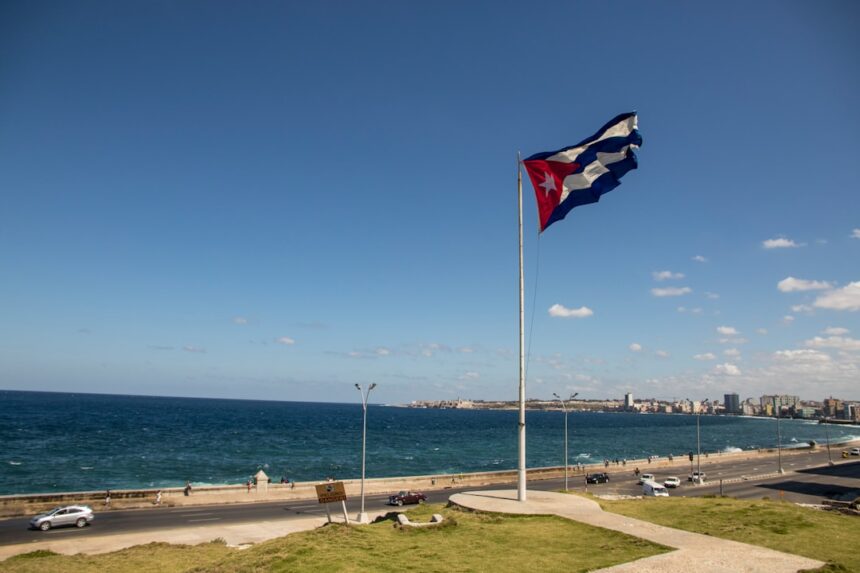
The Cuban Missile Crisis, a pivotal moment in Cold War history, unfolded over a tense thirteen-day period in October 1962. This confrontation between the United States and the Soviet Union brought the world to the brink of nuclear war, highlighting the fragility of international relations during a time marked by ideological conflict. The crisis was ignited by the discovery of Soviet nuclear missiles stationed in Cuba, just 90 miles off the coast of Florida.
This alarming development not only escalated tensions between the two superpowers but also raised profound questions about military strategy, diplomacy, and the potential for catastrophic consequences. As the world watched with bated breath, leaders on both sides grappled with the implications of their actions. The crisis served as a stark reminder of the dangers inherent in nuclear proliferation and the need for effective communication between rival nations.
The events that transpired during this period would shape U.S. foreign policy for decades to come and leave an indelible mark on global politics. Understanding the complexities of the Cuban Missile Crisis requires delving into its origins, the key players involved, and the lasting impact it had on international relations.
Key Takeaways
- The Cuban Missile Crisis was a pivotal Cold War confrontation between the US and the Soviet Union over nuclear missiles in Cuba.
- The crisis escalated due to the Soviet-Cuban alliance and the secret deployment of nuclear weapons on Cuban soil.
- The US responded with a naval blockade and intense diplomatic efforts to prevent further escalation.
- Secret negotiations behind the scenes led to the Soviet Union agreeing to withdraw missiles, averting nuclear war.
- The crisis had lasting impacts on Cold War policies and remains a significant event studied through personal stories and documentaries.
The Buildup to the Crisis: Soviet-Cuban Alliance
The roots of the Cuban Missile Crisis can be traced back to the burgeoning alliance between the Soviet Union and Cuba, which began to take shape after Fidel Castro’s rise to power in 1959. Castro’s government, characterized by its socialist ideology and anti-American sentiment, sought support from the Soviet Union as a counterbalance to U.S. influence in Latin America. This partnership was solidified through economic aid and military assistance, allowing Cuba to strengthen its defenses against perceived threats from its northern neighbor. As tensions escalated in the early 1960s, the Soviet Union recognized an opportunity to extend its influence in the Western Hemisphere by placing nuclear missiles in Cuba. This strategic move was not only a show of support for Castro’s regime but also a calculated response to U.S. missile installations in Turkey and Italy, which posed a direct threat to Soviet security. The decision to deploy missiles in Cuba was driven by a desire to level the playing field in the ongoing arms race and assert Soviet power on a global scale. The alliance between the two nations set the stage for a confrontation that would have far-reaching consequences.
The American Response: Blockade and Diplomacy
In response to the discovery of Soviet missiles in Cuba, President John F. Kennedy faced a critical decision that would define his presidency and alter the course of history. After careful deliberation with his advisors, he opted for a naval blockade, which he referred to as a “quarantine,” aimed at preventing further shipments of military equipment to Cuba.
This decision was rooted in a desire to avoid direct military confrontation while still demonstrating U.S. resolve against Soviet aggression. Kennedy’s approach was multifaceted; he sought to combine military readiness with diplomatic efforts to de-escalate tensions.
The blockade was implemented on October 24, 1962, and was accompanied by a series of public statements designed to communicate U.S. intentions clearly. The administration also engaged in back-channel communications with Soviet leaders, emphasizing the need for dialogue amidst rising tensions.
This dual strategy of military preparedness and diplomatic outreach reflected Kennedy’s understanding of the delicate balance required to navigate such a precarious situation.
The Tense Standoff: Nuclear Weapons in Cuba
As the blockade took effect, the world held its breath while both superpowers prepared for potential conflict. The presence of nuclear weapons in Cuba represented an unprecedented threat to U.S. national security, and Kennedy’s administration was acutely aware of the stakes involved.
Military options were considered, including airstrikes against missile sites, but such actions risked igniting a full-scale war with the Soviet Union. The standoff reached its peak when U.S. reconnaissance flights revealed that Soviet missile installations were operational and capable of launching nuclear strikes against American cities.
The tension was palpable as both sides engaged in a high-stakes game of brinkmanship, with each leader weighing their options carefully. The fear of miscalculation loomed large; one wrong move could lead to catastrophic consequences. As days passed without resolution, the world remained on edge, acutely aware that any misstep could trigger a nuclear exchange.
The World Holds its Breath: Global Reactions
| Metric | Details |
|---|---|
| Title | The Cuban Missile Crisis Documentary |
| Release Year | 2002 |
| Duration | 90 minutes |
| Director | Robert Stone |
| Production Company | PBS Frontline |
| Primary Focus | Detailed account of the 1962 Cuban Missile Crisis |
| Number of Interviews | 15+ (including key political and military figures) |
| Archival Footage | Extensive, including declassified government documents |
| Viewer Rating (IMDb) | 8.1/10 |
| Educational Use | Widely used in history and political science courses |
The Cuban Missile Crisis captured global attention, with nations around the world closely monitoring developments as they unfolded. Public opinion varied widely; some countries expressed solidarity with the United States, while others criticized American actions as provocative and aggressive. In Europe, leaders were particularly concerned about the potential for conflict spilling over into their territories, leading to widespread anxiety about the implications of a nuclear war.
International organizations, including the United Nations, were thrust into the spotlight as calls for diplomacy intensified. Many nations urged both superpowers to seek peaceful resolutions rather than resorting to military action. The crisis underscored the interconnectedness of global politics during the Cold War era; decisions made by leaders in Washington and Moscow had far-reaching implications that resonated across continents.
Behind Closed Doors: Secret Negotiations
Amidst the public posturing and military readiness, secret negotiations were taking place behind closed doors that would ultimately lead to a resolution of the crisis. Both Kennedy and Soviet Premier Nikita Khrushchev recognized that continued escalation could have dire consequences for their nations and the world at large. As tensions mounted, back-channel communications became increasingly vital in facilitating dialogue between the two leaders.
The negotiations were fraught with complexity; each side had its own set of demands and concerns that needed to be addressed. Kennedy sought assurances that Soviet missiles would be removed from Cuba, while Khrushchev aimed to secure guarantees against U.S. invasion of Cuba and sought concessions regarding American missiles in Turkey.
These discussions highlighted the importance of diplomacy in resolving conflicts, even amidst an atmosphere charged with hostility and mistrust.
The Resolution: Soviet Withdrawal
Ultimately, it was through these secret negotiations that a resolution was reached, averting what could have been a catastrophic nuclear war. On October 28, 1962, Khrushchev announced that he would withdraw Soviet missiles from Cuba in exchange for a U.S. commitment not to invade the island nation and a secret agreement regarding the removal of American missiles from Turkey at a later date.
This compromise marked a significant turning point in Cold War dynamics and demonstrated that diplomacy could prevail even in moments of extreme tension. The resolution of the Cuban Missile Crisis had immediate effects on both superpowers. For Kennedy, it solidified his reputation as a strong leader who successfully navigated one of history’s most dangerous confrontations.
For Khrushchev, it represented a retreat from aggressive posturing but also showcased his willingness to engage in dialogue for peace. The successful resolution underscored the necessity of communication between rival nations and set a precedent for future diplomatic efforts during an era defined by ideological conflict.
Lessons Learned: Impact on Cold War Policies
The Cuban Missile Crisis left an indelible mark on Cold War policies and international relations moving forward. One of the most significant lessons learned was the importance of direct communication between superpowers to prevent misunderstandings that could lead to conflict. In response to the crisis, both nations established a direct communication line known as the “hotline,” allowing leaders to communicate quickly in times of crisis and reduce the risk of miscalculation.
The realization that nuclear weapons posed an existential threat led to increased efforts toward arms control agreements, culminating in treaties such as the Nuclear Non-Proliferation Treaty (NPT) established in 1968. The events surrounding the Cuban Missile Crisis served as a catalyst for dialogue about disarmament and non-proliferation, shaping future diplomatic initiatives aimed at reducing global nuclear arsenals.
The Legacy of the Cuban Missile Crisis
The legacy of the Cuban Missile Crisis extends far beyond its immediate resolution; it fundamentally altered perceptions of nuclear warfare and international diplomacy during the Cold War era. The crisis served as a stark reminder of how close humanity came to nuclear annihilation and underscored the need for vigilance in preventing similar confrontations in the future. It also highlighted the role of leadership during times of crisis; both Kennedy and Khrushchev faced immense pressure but ultimately chose paths that prioritized dialogue over destruction.
In popular culture and historical discourse, the Cuban Missile Crisis has become emblematic of Cold War tensions and serves as a cautionary tale about the dangers of escalation in international relations. It remains a subject of study for historians and political scientists alike, who seek to understand its implications for contemporary geopolitics and nuclear policy.
The Human Side: Personal Stories from the Crisis
While much focus has been placed on political maneuvers during the Cuban Missile Crisis, personal stories from individuals who lived through this tumultuous period reveal its profound human impact. Families across America experienced heightened anxiety as news reports detailed developments from Washington and Havana. Many individuals recall gathering around radios or televisions, anxiously awaiting updates while grappling with fears about potential nuclear war.
In Cuba, citizens faced their own set of challenges as they navigated life under heightened military alertness. For many Cubans, loyalty to Castro’s regime was intertwined with national pride; however, there were also voices expressing concern about their country’s role in escalating tensions with the United States. These personal narratives illustrate how geopolitical events can profoundly affect everyday lives, shaping perceptions and experiences across borders.
The Documentary: A Closer Look at the Events
Documentaries exploring the Cuban Missile Crisis have played an essential role in educating audiences about this critical moment in history. Through archival footage, expert interviews, and personal accounts from those who lived through it, these films provide valuable insights into both the political dynamics at play and the human experiences behind them. They serve not only as historical records but also as cautionary tales about the perils of nuclear brinkmanship.
One notable documentary is “The Fog of War,” which features former U.S. Secretary of Defense Robert S. McNamara reflecting on his experiences during pivotal moments like the Cuban Missile Crisis.
His insights offer viewers a unique perspective on decision-making processes during times of crisis and highlight lessons learned about war and peace that remain relevant today. In conclusion, understanding the Cuban Missile Crisis requires examining its multifaceted dimensions—from geopolitical strategies to personal stories—while recognizing its lasting impact on international relations and global security policies. As history continues to unfold, this critical event serves as both a reminder of humanity’s capacity for conflict and an illustration of our potential for diplomacy amidst adversity.
The Cuban Missile Crisis remains one of the most critical moments in Cold War history, and understanding its complexities can be greatly enhanced by exploring related resources. For a deeper dive into the geopolitical tensions of the era, you can check out this insightful article on the subject. It provides a comprehensive overview of the events leading up to the crisis and its aftermath. For more information, visit this article.
WATCH THIS 🛑 The Submarine Captain Who Said NO to Nuclear War
FAQs
What is the Cuban Missile Crisis?
The Cuban Missile Crisis was a 13-day confrontation in October 1962 between the United States and the Soviet Union over Soviet ballistic missiles deployed in Cuba. It is considered one of the closest moments the Cold War came to escalating into a full-scale nuclear war.
What does a Cuban Missile Crisis documentary typically cover?
A Cuban Missile Crisis documentary usually covers the political and military events leading up to the crisis, the key figures involved, the discovery of Soviet missiles in Cuba, the U.S. response including the naval blockade, the negotiations between the U.S. and the Soviet Union, and the resolution of the crisis.
Who were the main leaders involved in the Cuban Missile Crisis?
The main leaders involved were U.S. President John F. Kennedy, Soviet Premier Nikita Khrushchev, and Cuban leader Fidel Castro.
Why is the Cuban Missile Crisis significant in history?
The crisis is significant because it was the closest the world has come to nuclear war. It also led to improved communication between the U.S. and the Soviet Union, including the establishment of the Moscow-Washington hotline, and influenced future arms control agreements.
Where can I watch a Cuban Missile Crisis documentary?
Cuban Missile Crisis documentaries can be found on various streaming platforms, educational websites, and sometimes on television channels specializing in history or documentaries. Some well-known documentaries are also available on DVD or Blu-ray.
Are Cuban Missile Crisis documentaries based on real events?
Yes, these documentaries are based on historical events and often include archival footage, interviews with experts and witnesses, and declassified government documents to provide an accurate account of the crisis.
What lessons do Cuban Missile Crisis documentaries teach?
They often highlight the importance of diplomacy, communication, and crisis management in preventing nuclear war, as well as the dangers of Cold War tensions and the need for international cooperation.