The T-5 Nuclear Torpedo is an underwater weapon system designed to carry nuclear warheads against naval targets. This torpedo was developed during the Cold War era as part of military nuclear weapons programs aimed at enhancing naval combat capabilities. The weapon is engineered to deliver nuclear payloads to enemy ships and submarines, fundamentally changing the scope and potential consequences of naval warfare.
The T-5 functions as both a tactical weapon and a strategic deterrent within naval defense systems. Its nuclear capability distinguishes it from conventional torpedoes, which rely on high-explosive warheads. Nations with significant naval operations have incorporated such weapons into their maritime defense strategies as part of broader nuclear deterrence policies.
The development of nuclear torpedoes like the T-5 represents part of the evolution of military technology that expanded nuclear weapons beyond land-based and air-delivered systems to include sea-based platforms. These weapons raise important considerations regarding naval strategy, arms control agreements, and maritime security protocols. Analysis of the T-5’s technical specifications, operational history, and strategic applications provides insight into modern naval warfare capabilities and nuclear weapons deployment.
Key Takeaways
- The T-5 Nuclear Torpedo is a powerful underwater weapon developed during the Cold War era.
- It features advanced guidance systems and significant explosive power designed for strategic naval use.
- The torpedo has notable range and speed capabilities, making it a formidable threat in underwater combat.
- Its deployment raised international concerns, leading to discussions on regulations and treaties.
- The existence of the T-5 highlights ongoing challenges in nuclear arms control and maritime security.
History of the T-5 Nuclear Torpedo
The origins of the T-5 Nuclear Torpedo can be traced back to the Cold War era, a time characterized by an arms race between superpowers. As naval warfare evolved, so did the need for more sophisticated weaponry capable of countering emerging threats. The Soviet Union, recognizing the strategic importance of undersea capabilities, initiated the development of the T-5 in response to advancements made by NATO forces.
This period saw a surge in research and development aimed at creating a torpedo that could effectively engage enemy submarines and surface ships while carrying a nuclear warhead. The T-5 was officially introduced into service in the late 1960s, marking a pivotal moment in naval warfare. Its deployment was part of a broader strategy to enhance the Soviet Union’s deterrent capabilities against Western naval forces.
Over the years, the T-5 underwent several modifications and upgrades, reflecting advancements in technology and changes in military doctrine. The evolution of this torpedo illustrates not only the technological progress made in weaponry but also the shifting paradigms of warfare that have emerged since its inception.
Technical Specifications of the T-5 Nuclear Torpedo
The T-5 Nuclear Torpedo boasts an array of technical specifications that underscore its formidable capabilities. Weighing approximately 2,500 kilograms, this torpedo is designed for launch from various platforms, including submarines and surface vessels. Its streamlined design allows for efficient movement through water, minimizing drag and maximizing speed.
The T-5 is equipped with a nuclear warhead that can deliver explosive yields ranging from 10 to 100 kilotons, depending on the specific variant employed. In terms of propulsion, the T-5 utilizes a combination of electric and thermal propulsion systems, enabling it to achieve impressive speeds while maintaining operational stealth. The torpedo’s advanced guidance systems incorporate both inertial navigation and active sonar targeting, allowing it to home in on its targets with remarkable precision.
These technical specifications not only enhance the T-5’s lethality but also contribute to its role as a critical component of a nation’s strategic deterrent arsenal.
Range and Speed of the T-5 Nuclear Torpedo
One of the defining features of the T-5 Nuclear Torpedo is its impressive range and speed, which significantly enhance its operational effectiveness. The torpedo is capable of traveling distances exceeding 50 kilometers, allowing it to engage targets well beyond the immediate vicinity of its launch platform. This extended range provides naval commanders with greater flexibility in deploying their assets while minimizing exposure to enemy defenses.
In terms of speed, the T-5 can reach velocities of up to 70 knots, making it one of the fastest torpedoes in service. This rapid transit capability enables it to close in on targets quickly, reducing the likelihood of interception by countermeasures or defensive systems. The combination of long-range capabilities and high speed positions the T-5 as a formidable threat in naval warfare, compelling adversaries to reconsider their strategies when facing such an advanced weapon system.
Explosive Power of the T-5 Nuclear Torpedo
| Specification | Details |
|---|---|
| Name | T-5 Nuclear Torpedo |
| Type | Nuclear-powered torpedo |
| Length | 24 meters (approximate) |
| Diameter | 1.6 meters (approximate) |
| Weight | 40 tons (approximate) |
| Speed | Up to 200 knots (370 km/h) |
| Range | Over 1000 km |
| Warhead Type | Thermonuclear warhead |
| Warhead Yield | Up to 100 megatons |
| Guidance System | Autonomous navigation with sonar and inertial guidance |
| Country of Origin | Russia |
The explosive power of the T-5 Nuclear Torpedo is one of its most alarming attributes, capable of inflicting catastrophic damage on naval vessels and coastal installations alike. With a nuclear warhead that can yield between 10 and 100 kilotons, the potential for destruction is immense. Such explosive power not only ensures that enemy ships are neutralized but also serves as a psychological deterrent against potential aggressors.
The implications of this explosive capability extend beyond immediate destruction; they also encompass broader strategic considerations. The mere existence of such a weapon can alter the calculus of military engagement, as adversaries must weigh the risks associated with provoking a nation armed with nuclear torpedoes. This dynamic underscores the importance of understanding not just the technical specifications but also the strategic ramifications of deploying such powerful weaponry.
Targeting and Guidance Systems of the T-5 Nuclear Torpedo
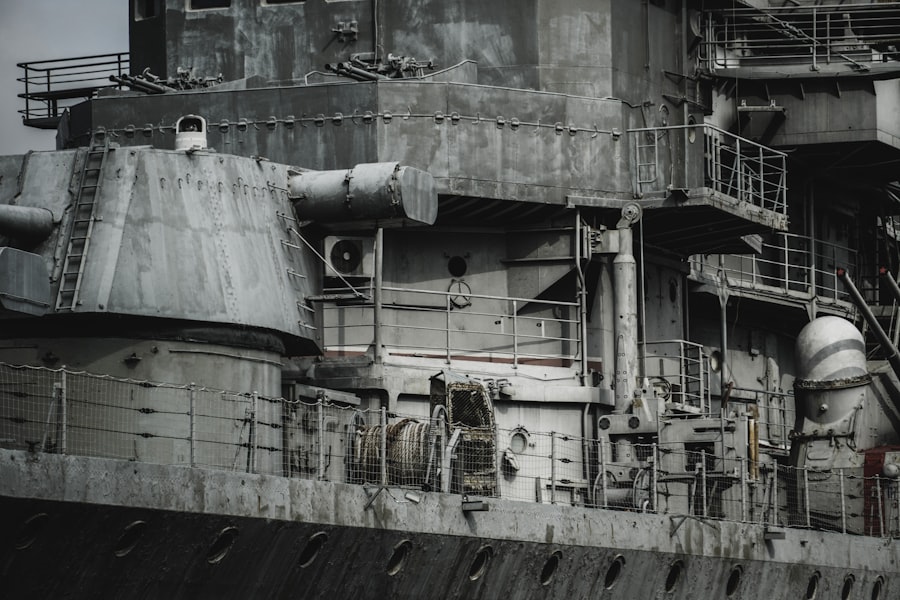
The effectiveness of any torpedo hinges significantly on its targeting and guidance systems, and the T-5 is no exception. Equipped with sophisticated guidance technology, this nuclear torpedo employs a combination of inertial navigation systems and active sonar for target acquisition. The inertial navigation system allows for precise positioning during transit, while active sonar enables real-time tracking and engagement with moving targets.
This dual-layered approach to targeting enhances the T-5’s accuracy and reliability in combat scenarios. The ability to adapt to changing conditions underwater—such as currents or thermal layers—further bolsters its effectiveness. As naval warfare becomes increasingly reliant on precision strikes, the advanced targeting capabilities of the T-5 ensure that it remains a relevant and potent tool in modern military arsenals.
Deployment and Use of the T-5 Nuclear Torpedo
The deployment of the T-5 Nuclear Torpedo is carefully orchestrated within broader military strategies aimed at deterrence and defense. Typically launched from submarines or surface ships, these torpedoes are integrated into naval fleets designed for both offensive and defensive operations. Their deployment is often shrouded in secrecy due to their strategic significance; however, exercises and drills involving their use are conducted regularly to maintain readiness.
In operational scenarios, the T-5 can be employed against various maritime threats, including enemy submarines and aircraft carriers. Its ability to strike from significant distances allows naval forces to project power while remaining concealed beneath the waves.
Comparison with Other Nuclear Torpedoes
When comparing the T-5 Nuclear Torpedo with other nuclear torpedoes in service globally, several distinctions emerge that highlight its unique attributes. For instance, while many nations possess nuclear-capable torpedoes, few match the T-5’s combination of speed, range, and explosive power. Other systems may prioritize different aspects—such as stealth or payload size—but the T-5 strikes a balance that makes it particularly formidable.
Moreover, advancements in technology have led to ongoing developments in competing systems. Nations like the United States and China have also invested heavily in their own nuclear torpedoes, each with distinct features tailored to their strategic needs. However, the T-5’s historical significance and proven capabilities ensure that it remains a critical player in discussions surrounding underwater nuclear warfare.
Controversies and Concerns Surrounding the T-5 Nuclear Torpedo
The existence and potential use of the T-5 Nuclear Torpedo have sparked numerous controversies and concerns among policymakers and international observers alike. Critics argue that such weapons contribute to an escalating arms race, undermining global security efforts aimed at nuclear disarmament. The destructive potential inherent in nuclear torpedoes raises ethical questions about their deployment and use in conflict scenarios.
Additionally, there are fears regarding accidental launches or miscalculations during heightened tensions between nuclear powers. The risk associated with deploying such powerful weapons necessitates stringent safety protocols and robust command-and-control systems to prevent unintended consequences. As nations grapple with these challenges, discussions surrounding arms control treaties become increasingly relevant in addressing concerns related to weapons like the T-5.
International Regulations and Treaties Related to the T-5 Nuclear Torpedo
International regulations governing nuclear weapons play a crucial role in shaping policies surrounding systems like the T-5 Nuclear Torpedo. Treaties such as the Treaty on the Non-Proliferation of Nuclear Weapons (NPT) aim to prevent the spread of nuclear weapons while promoting disarmament efforts among signatory states. However, compliance with these treaties can be inconsistent, leading to tensions between nations regarding their nuclear arsenals.
As nations continue to develop sophisticated systems capable of delivering nuclear payloads, international dialogue becomes essential in addressing concerns about proliferation and ensuring that such weapons do not destabilize global security.
Implications of the T-5 Nuclear Torpedo’s Existence
The existence of the T-5 Nuclear Torpedo carries profound implications for global security dynamics and military strategy. As a potent symbol of deterrence, it underscores the complexities inherent in modern warfare where traditional boundaries between conventional and nuclear capabilities blur. The technological advancements embodied by this weapon reflect broader trends within military innovation while raising critical ethical questions about its use.
Ultimately, understanding the T-5’s role within contemporary defense frameworks necessitates ongoing dialogue among nations regarding arms control and disarmament efforts. As geopolitical tensions persist and new threats emerge, addressing concerns related to nuclear weapons will remain paramount for ensuring stability in an increasingly uncertain world. The legacy of the T-5 Nuclear Torpedo serves as both a reminder of humanity’s capacity for destruction and an impetus for pursuing peace through diplomacy and cooperation among nations.
The T-5 nuclear torpedo, a significant advancement in underwater warfare technology, has been the subject of various analyses and discussions. For a deeper understanding of its specifications and operational capabilities, you can refer to a related article that provides comprehensive insights into modern naval weaponry. Check it out here: T-5 Nuclear Torpedo Specifications.
WATCH THIS 🛑 The Submarine Captain Who Said NO to Nuclear War
FAQs
What is the T-5 nuclear torpedo?
The T-5 nuclear torpedo is a type of underwater weapon designed to deliver a nuclear warhead to a target, typically used by naval forces for strategic deterrence or offensive operations.
What are the key specifications of the T-5 nuclear torpedo?
Key specifications generally include its length, diameter, weight, propulsion system, range, speed, warhead yield, and guidance system. Exact figures vary depending on the source and version.
What is the range of the T-5 nuclear torpedo?
The T-5 nuclear torpedo typically has a range of several tens of kilometers, allowing it to strike targets at a considerable distance from the launch platform.
What type of propulsion does the T-5 nuclear torpedo use?
The T-5 nuclear torpedo is usually powered by a battery or electric propulsion system, enabling it to travel underwater quietly and efficiently.
What is the warhead yield of the T-5 nuclear torpedo?
The warhead yield of the T-5 nuclear torpedo is nuclear, with estimates varying but generally in the range of several kilotons to tens of kilotons of TNT equivalent.
How is the T-5 nuclear torpedo guided?
The torpedo uses a combination of inertial guidance and acoustic homing systems to navigate underwater and home in on its target.
Which countries operate the T-5 nuclear torpedo?
The T-5 nuclear torpedo is primarily associated with the Soviet Union and its successor state, Russia, as part of their naval strategic weapons arsenal.
What platforms can launch the T-5 nuclear torpedo?
The T-5 nuclear torpedo can be launched from submarines and possibly surface ships equipped with compatible torpedo tubes.
Is the T-5 nuclear torpedo still in active service?
Information on the current operational status of the T-5 nuclear torpedo is limited, but it is generally considered to be an older generation weapon, possibly replaced or supplemented by more modern systems.
What is the purpose of the T-5 nuclear torpedo?
The primary purpose of the T-5 nuclear torpedo is to serve as a strategic weapon capable of destroying enemy naval vessels or coastal targets with a nuclear explosion, thereby acting as a deterrent or offensive tool in naval warfare.