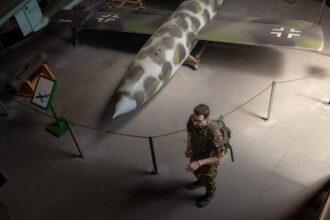
The Cuban Missile Crisis occurred from October 14-28, 1962, representing a critical confrontation between the United States and Soviet Union during the Cold War. The crisis began when U.S. U-2 spy planes photographed Soviet medium-range ballistic missiles under construction in Cuba, approximately 90 miles from the Florida coast.
These missiles had the capability to strike major U.S. cities within minutes of launch. President John F.
The discovery prompted the formation of the Executive Committee of the National Security Council (ExComm) to develop response options. The administration considered several approaches, including diplomatic protests, a naval blockade, surgical airstrikes, and full-scale invasion of Cuba.
On October 22, Kennedy announced a naval quarantine of Cuba to prevent further military shipments and demanded the removal of existing missiles. The crisis reached its peak on October 27 when a Soviet surface-to-air missile shot down a U.S. U-2 reconnaissance aircraft over Cuba, killing pilot Major Rudolf Anderson.
Simultaneously, another U-2 accidentally entered Soviet airspace over Siberia. Despite military pressure for immediate retaliation, both leaders pursued diplomatic channels. The resolution came through a negotiated agreement: the Soviet Union would remove missiles from Cuba under UN supervision, while the United States pledged not to invade Cuba and secretly agreed to remove Jupiter missiles from Turkey within six months.
Key Takeaways
- The Cuban Missile Crisis was a pivotal Cold War confrontation involving nuclear threats between the US and the USSR.
- Submarines played a critical role, with nuclear torpedoes developed and deployed as part of the strategic deterrence.
- Submarine commanders faced intense pressure, making crucial decisions that could have escalated the conflict.
- The crisis led to significant changes in nuclear strategy and communication protocols to prevent future near-catastrophes.
- The Cuban Missile Crisis remains a key event in Cold War history, influencing military strategy and popular culture.
The Role of Submarines in the Crisis
Submarines played a crucial role during the Cuban Missile Crisis, serving as both a deterrent and a potential instrument of warfare. At the time, the United States Navy operated a fleet of nuclear submarines that were capable of launching devastating strikes against enemy targets. These submarines provided a level of stealth and surprise that was unmatched by surface vessels, allowing them to remain undetected while positioned close to enemy shores.
Their presence in the Caribbean during the crisis added an additional layer of complexity to an already volatile situation. The Soviet Union also deployed submarines in response to the escalating tensions. These vessels were equipped with conventional weapons and were tasked with supporting Soviet naval operations in the region.
The presence of submarines on both sides heightened the stakes, as any engagement could quickly spiral into a larger conflict. The underwater domain became a critical theater of operations, where both superpowers sought to assert their dominance while avoiding direct confrontation. The strategic positioning of submarines underscored the importance of naval power in Cold War dynamics and highlighted the potential for underwater warfare to influence global events.
The Development of Nuclear Torpedoes
The development of nuclear torpedoes marked a significant advancement in naval warfare technology during the Cold War. These weapons were designed to be launched from submarines and could deliver a nuclear payload to enemy ships or coastal installations. The United States and the Soviet Union invested heavily in research and development to create torpedoes that could effectively enhance their naval capabilities.
The introduction of nuclear torpedoes represented a shift in military strategy, as they provided a means to project power from beneath the waves. The design and deployment of nuclear torpedoes were not without controversy. Concerns about their reliability and the potential for accidental launches loomed large in military discussions.
Nevertheless, both superpowers recognized that possessing such weapons would serve as a deterrent against adversaries. The ability to strike from a concealed position added an element of unpredictability to naval engagements, making it imperative for military planners to consider the implications of these weapons on their overall strategy.
The Deployment of Nuclear Torpedoes during the Crisis
During the Cuban Missile Crisis, the deployment of nuclear torpedoes became a focal point for both American and Soviet military strategies. As tensions escalated, U.S. Navy submarines were placed on high alert, ready to respond to any perceived threats from Soviet forces.
The possibility that these submarines could launch nuclear torpedoes added an alarming dimension to the crisis, as it meant that a single decision by a submarine commander could lead to widespread destruction. On the Soviet side, there were also discussions about deploying nuclear torpedoes as part of their naval strategy in Cuba. The presence of these weapons would not only bolster their defensive capabilities but also serve as a counterbalance to U.S.
naval power in the region. However, the decision-making process regarding their deployment was fraught with uncertainty, as leaders weighed the risks of escalation against the need for deterrence. Ultimately, the potential use of nuclear torpedoes loomed large over the crisis, serving as a reminder of how close both sides came to catastrophe.
The Impact of Nuclear Torpedoes on the Crisis
| Metric | Details |
|---|---|
| Submarine Name | B-59 |
| Type | Foxtrot-class diesel-electric submarine |
| Year of Incident | 1962 |
| Location | Near Cuba, Caribbean Sea |
| Number of Nuclear Torpedoes on Board | 1 |
| Torpedo Type | T-5 nuclear torpedo (also known as Type 53-58) |
| Torpedo Yield | Approximately 5 megatons |
| Incident Description | Submarine was detected and depth-charged by US Navy; captain considered launching nuclear torpedo |
| Launch Authorization | Required unanimous agreement of 3 senior officers on board |
| Outcome | Launch was averted after Vasili Arkhipov refused to consent |
The potential use of nuclear torpedoes had a profound impact on the dynamics of the Cuban Missile Crisis. Their existence added an element of urgency to diplomatic negotiations, as both sides recognized that any misstep could lead to an irreversible escalation. The threat posed by these weapons forced leaders to consider not only their immediate military objectives but also the long-term consequences of their actions on global stability.
Moreover, the presence of nuclear torpedoes influenced military strategy on both sides. For U.S. forces, the knowledge that Soviet submarines could be armed with such weapons necessitated a cautious approach to engagement.
This led to increased surveillance and intelligence-gathering efforts aimed at understanding Soviet capabilities and intentions. On the other hand, Soviet leaders had to grapple with the implications of deploying nuclear torpedoes in close proximity to U.S. territory, weighing their desire for deterrence against the risk of provoking an armed response.
The Role of Submarine Commanders in the Crisis
Submarine commanders played a critical role during the Cuban Missile Crisis, operating under immense pressure and uncertainty. These individuals were tasked with making life-and-death decisions that could have far-reaching consequences for their crews and nations alike. The commanders had to navigate complex rules of engagement while maintaining communication with higher command structures, all while remaining vigilant against potential threats from enemy forces.
The decisions made by submarine commanders during this period were often characterized by a mix of caution and resolve. They understood that their vessels were equipped with powerful weapons capable of inflicting massive damage, yet they also recognized the importance of restraint in avoiding unnecessary escalation. The leadership displayed by these commanders was instrumental in maintaining stability during a time when tensions were at an all-time high, showcasing their ability to balance military readiness with diplomatic considerations.
The Aftermath of the Crisis
The aftermath of the Cuban Missile Crisis left an indelible mark on international relations and military strategy. In its wake, both superpowers recognized the need for improved communication and mechanisms to prevent future crises from spiraling out of control. The establishment of direct communication lines between Washington and Moscow, known as the “hotline,” was one such measure aimed at reducing misunderstandings and facilitating dialogue during times of tension.
Additionally, the crisis prompted a reevaluation of nuclear strategy on both sides. The realization that nuclear weapons could lead to catastrophic consequences led to increased efforts toward arms control and disarmament negotiations in subsequent years. Treaties such as the Nuclear Non-Proliferation Treaty (NPT) emerged from this period, reflecting a collective desire to mitigate the risks associated with nuclear proliferation and promote global stability.
The Legacy of the Cuban Missile Crisis
The legacy of the Cuban Missile Crisis continues to resonate in contemporary discussions about nuclear policy and international relations. It serves as a stark reminder of how close humanity came to nuclear annihilation and underscores the importance of diplomacy in resolving conflicts between nations.
Moreover, the crisis has become a focal point for scholars and historians studying Cold War dynamics. It is often cited as a case study in decision-making under pressure and has influenced military training programs aimed at preparing leaders for high-stakes situations. The events surrounding the Cuban Missile Crisis have left an enduring imprint on global politics, serving as both a cautionary tale and a testament to human resilience in navigating complex geopolitical landscapes.
The Significance of Nuclear Torpedoes in Cold War Strategy
Nuclear torpedoes represented a significant evolution in Cold War military strategy, reflecting broader trends in arms development and deterrence theory. Their introduction into naval arsenals underscored the growing importance placed on undersea warfare as a critical component of national defense strategies. Both superpowers recognized that possessing advanced underwater capabilities would enhance their ability to project power while simultaneously deterring adversaries from aggressive actions.
The strategic significance of nuclear torpedoes extended beyond their immediate military applications; they also influenced broader geopolitical calculations during the Cold War era. The existence of these weapons contributed to an environment characterized by mutual suspicion and competition between superpowers, shaping alliances and influencing regional conflicts around the globe. As nations sought to bolster their military capabilities, nuclear torpedoes became emblematic of the arms race that defined this tumultuous period in history.
The Cuban Missile Crisis in Popular Culture
The Cuban Missile Crisis has left an indelible mark on popular culture, inspiring countless works across various media that explore its themes of tension, fear, and human resilience. Films such as “Thirteen Days” dramatize the events surrounding the crisis, providing audiences with a glimpse into the high-stakes decision-making processes faced by leaders during this critical juncture in history. Documentaries and books have also sought to capture the complexities of this moment, offering insights into both political maneuvering and personal narratives.
In addition to film and literature, music from this era often reflects societal anxieties surrounding nuclear war and Cold War tensions. Artists used their platforms to comment on issues related to peace and conflict, contributing to a broader cultural discourse about war’s impact on humanity. Through these various forms of expression, popular culture has played an essential role in shaping public perceptions of historical events like the Cuban Missile Crisis while fostering ongoing discussions about peace and diplomacy.
The Cuban Missile Crisis stands as one of history’s most significant moments, encapsulating the fears and challenges faced by nations during an era defined by ideological conflict and nuclear proliferation. The role played by submarines and nuclear torpedoes during this crisis highlights not only technological advancements but also strategic considerations that shaped military thinking at that time. As leaders navigated treacherous waters—both literally and figuratively—their decisions would reverberate through history, influencing future generations’ approaches to diplomacy and conflict resolution.
In reflecting on this critical event, it becomes clear that understanding its complexities is essential for grasping contemporary issues related to international relations and security policy. The lessons learned from the Cuban Missile Crisis continue to inform discussions about arms control, deterrence strategies, and global stability today. Ultimately, this historical episode serves as both a cautionary tale about the perils of escalation and an enduring testament to humanity’s capacity for dialogue amidst adversity.
The Cuban Missile Crisis was a pivotal moment in Cold War history, particularly concerning the role of submarines and nuclear torpedoes in military strategy. An insightful article that delves deeper into the implications of submarine warfare during this tense period can be found at this link. It explores how the presence of nuclear-armed submarines influenced the decisions made by both the United States and the Soviet Union, highlighting the precarious balance of power that defined the era.
WATCH THIS 🛑 The Submarine Captain Who Said NO to Nuclear War
FAQs
What was the Cuban Missile Crisis?
The Cuban Missile Crisis was a 13-day confrontation in October 1962 between the United States and the Soviet Union over the presence of Soviet ballistic missiles in Cuba. It is considered one of the closest moments the Cold War came to escalating into a full-scale nuclear war.
What role did submarines play during the Cuban Missile Crisis?
Soviet submarines were deployed near Cuba during the crisis to support the missile installations and to challenge the U.S. naval blockade. These submarines were armed with nuclear torpedoes and were part of the Soviet strategy to deter U.S. military action.
What is a nuclear torpedo?
A nuclear torpedo is a type of underwater weapon equipped with a nuclear warhead. It is designed to be launched from submarines or ships to destroy enemy vessels or coastal targets with a powerful nuclear explosion.
Did Soviet submarines actually carry nuclear torpedoes during the Cuban Missile Crisis?
Yes, some Soviet submarines deployed near Cuba were armed with nuclear torpedoes. These weapons were intended as a last-resort deterrent in case of an attack on the submarines or Soviet forces.
Were nuclear torpedoes ever used during the Cuban Missile Crisis?
No nuclear torpedoes were ever launched during the Cuban Missile Crisis. Despite high tensions and close encounters, both sides avoided direct military conflict, and the crisis was resolved through diplomatic negotiations.
What was the significance of the Soviet submarine B-59 during the crisis?
The Soviet submarine B-59, armed with a nuclear torpedo, was involved in a tense incident during the crisis. U.S. forces dropped depth charges to force it to surface, and the submarine’s captain considered launching the nuclear torpedo. However, the decision was ultimately vetoed by the submarine’s second-in-command, preventing a potential nuclear conflict.
How did the Cuban Missile Crisis end?
The crisis ended when the Soviet Union agreed to remove its missiles from Cuba in exchange for a U.S. public declaration not to invade Cuba and a secret agreement to remove U.S. missiles from Turkey. This resolution helped to de-escalate the situation and avoid nuclear war.
What lessons were learned from the submarine incidents during the Cuban Missile Crisis?
The incidents highlighted the dangers of miscommunication and the risks of nuclear escalation. They led to improved communication channels between the U.S. and Soviet Union, including the establishment of the Moscow-Washington hotline to prevent future crises.