The Cuban Missile Crisis, a pivotal moment in Cold War history, emerged from the geopolitical tensions between the United States and the Soviet Union. Following World War II, these superpowers represented opposing ideologies: American capitalism and democracy versus Soviet communism. This fundamental division led to several confrontations, including the Korean War and Berlin Blockade, which intensified mutual suspicion between the nations.
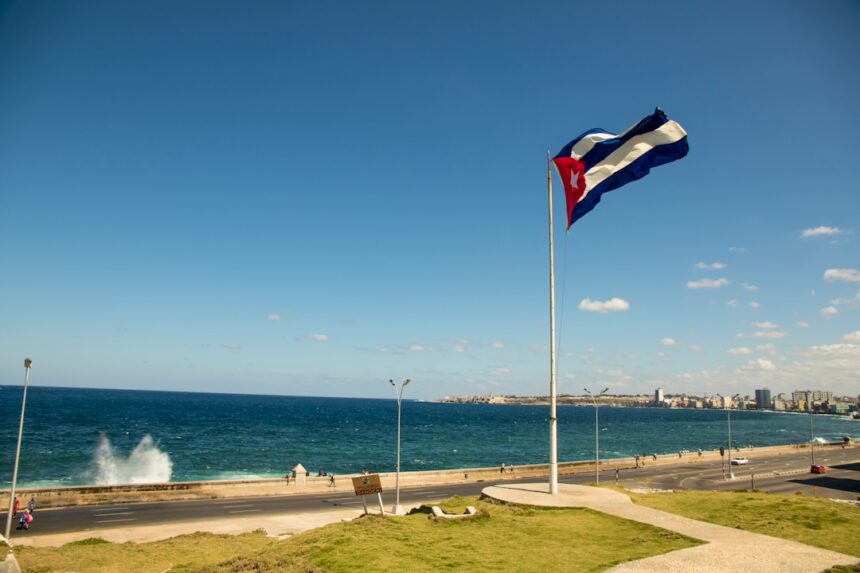
Cuba became a critical factor in this conflict after Fidel Castro’s 1959 revolution, when the island nation aligned with the Soviet Union. This development created significant security concerns for the United States, as Soviet influence had established a foothold in the Western Hemisphere, just 90 miles from American shores. The Kennedy administration’s efforts to remove Castro, particularly the failed Bay of Pigs invasion in 1961, produced unintended consequences.
This unsuccessful military operation not only damaged American prestige but drove Cuba to seek stronger protection from the Soviet Union. In response to these developments and to counterbalance American Jupiter missiles in Turkey, the Soviet Union began secretly installing nuclear missiles in Cuba. This strategic decision precipitated a dangerous confrontation that brought the world perilously close to nuclear conflict.
The discovery of Soviet missiles in Cuba was a shocking revelation that sent shockwaves through Washington, D.In October 1962, U.S. reconnaissance flights over Cuba revealed evidence of missile installations being constructed by the Soviets. You can imagine the tension in the air as President John F.
Kennedy and his advisors gathered to assess the implications of this intelligence. The presence of these missiles, capable of striking major U.S. cities within minutes, represented an unprecedented escalation in the Cold War and posed an immediate threat to national security.
The gravity of the situation was not lost on Kennedy, who understood that any miscalculation could lead to catastrophic consequences. As you reflect on this moment, consider how the U.S. government responded to this intelligence.
The initial reaction was one of disbelief and urgency; Kennedy convened a group of advisors known as the Executive Committee of the National Security Council (ExComm) to discuss potential courses of action. The stakes were incredibly high, and you can sense the pressure mounting as they weighed options ranging from diplomatic negotiations to military strikes. The discovery marked a turning point in U.S.-Cuban relations and set in motion a series of events that would test the resolve and decision-making capabilities of both superpowers.
Key Takeaways
- The Cuban Missile Crisis began with the Soviet Union placing nuclear missiles in Cuba, discovered by the U.S. in 1962.
- President Kennedy responded by imposing a naval blockade around Cuba, leading to a tense U.S.-Soviet standoff.
- Diplomatic negotiations and secret communications were crucial in reaching an agreement to remove the missiles.
- The crisis ended peacefully, avoiding nuclear war and significantly impacting U.S.-Soviet relations.
- The Cuban Missile Crisis remains a key example of effective diplomatic conflict resolution and lessons in crisis management.
President Kennedy’s Response to the Crisis
In response to the imminent threat posed by Soviet missiles in Cuba, President Kennedy adopted a cautious yet firm approach. You can picture him grappling with the weight of responsibility as he sought to navigate this perilous situation without triggering a full-scale war. After extensive deliberation with his advisors, he decided against immediate military action, opting instead for a naval blockade—termed a “quarantine”—to prevent further shipments of military equipment to Cuba.
This decision reflected his desire to avoid escalating tensions while still demonstrating U.S. resolve. Kennedy’s public address on October 22, 1962, was a defining moment in his presidency and in American history.
As you listen to his words, you can feel the tension in his voice as he laid out the facts regarding Soviet missile installations and declared that any missile launched from Cuba would be met with retaliation against the Soviet Union. This speech not only informed the American public but also sent a clear message to Soviet Premier Nikita Khrushchev: the U.S. would not tolerate nuclear threats in its backyard.
The careful balance between assertiveness and restraint characterized Kennedy’s response and set the tone for subsequent negotiations.
The implementation of the naval blockade marked a critical juncture in the Cuban Missile Crisis, creating a tense standoff between U.S. and Soviet forces. As you visualize this moment, imagine U.S.
Navy ships patrolling the waters around Cuba, ready to intercept any vessels suspected of carrying military supplies to the island. The blockade was not merely a military maneuver; it was a strategic move designed to buy time for diplomatic negotiations while simultaneously demonstrating American resolve. You can sense the anxiety felt by both nations as they stood on the brink of confrontation.
During this period, communication between Washington and Moscow became increasingly strained. Each side was acutely aware that any misstep could lead to catastrophic consequences. You might find it fascinating how both Kennedy and Khrushchev were navigating their respective political landscapes while trying to avoid war.
The world held its breath as military readiness increased on both sides; bombers were put on high alert, and nuclear arsenals were prepared for potential deployment. The standoff was not just a test of military might but also a test of diplomacy and leadership under pressure.
Diplomatic Negotiations and Backchannel Communication

As tensions escalated during the blockade, both superpowers recognized that diplomacy was essential to avoid disaster.
S. and Soviet officials allowed for more candid discussions away from public scrutiny.
These backchannels provided an opportunity for both sides to express their concerns and explore potential solutions without escalating tensions further. You might find it intriguing how these informal communications played a crucial role in de-escalating what could have been a catastrophic conflict. Kennedy’s administration engaged in intense negotiations with Soviet leaders, emphasizing the need for a peaceful resolution while maintaining a firm stance against any further missile deployments in Cuba.
You can sense the urgency as both sides sought common ground amidst rising fears of nuclear war. Ultimately, these diplomatic efforts culminated in an agreement that would not only resolve the immediate crisis but also lay the groundwork for future arms control discussions between the two superpowers.
The Agreement to Remove Missiles from Cuba
The breakthrough agreement reached during the Cuban Missile Crisis was a testament to effective diplomacy under pressure. After days of intense negotiations and backchannel communications, both Kennedy and Khrushchev found themselves at a crossroads where compromise was necessary for peace.
S.
commitment not to invade Cuba and a secret agreement to remove U.S. missiles from Turkey aimed at the Soviet Union. This agreement marked a significant turning point in U.S.-Soviet relations, as it demonstrated that even amidst intense rivalry, dialogue could lead to constructive outcomes.
You might appreciate how this resolution not only defused an immediate threat but also opened avenues for future negotiations on arms control and disarmament. The willingness of both leaders to engage in dialogue despite their differences showcased a commitment to avoiding nuclear catastrophe.
The End of the Crisis and the Avoidance of Nuclear War
| Metric | Details |
|---|---|
| Date of Resolution | October 28, 1962 |
| Duration of Crisis | 13 days (October 16–28, 1962) |
| Key Agreement | Removal of Soviet missiles from Cuba |
| US Concessions | Secret agreement to remove Jupiter missiles from Turkey |
| US Naval Blockade | Implemented as a “quarantine” around Cuba |
| Number of Nuclear Warheads in Cuba | Approximately 42 missiles with nuclear warheads |
| Casualties | None directly from the crisis |
| Outcome | De-escalation of nuclear tensions between US and USSR |
| Long-term Impact | Establishment of the Moscow-Washington hotline |
The resolution of the Cuban Missile Crisis brought immense relief not only to those directly involved but also to people around the world who had been living under the shadow of nuclear war for thirteen harrowing days. As you reflect on this moment, consider how close humanity came to disaster; one miscalculation or miscommunication could have led to devastating consequences. The end of the crisis marked a significant victory for diplomacy over military confrontation, reinforcing the idea that dialogue is essential even in times of extreme tension.
In the aftermath, both Kennedy and Khrushchev emerged with newfound respect for each other’s positions and capabilities. You can sense how this experience shaped their future interactions; they recognized that while ideological differences remained, there was also a shared responsibility to prevent nuclear war at all costs. The crisis served as a wake-up call for both leaders about the dangers posed by nuclear weapons and underscored the importance of establishing communication channels to manage conflicts more effectively.
The Legacy of the Cuban Missile Crisis
The legacy of the Cuban Missile Crisis extends far beyond its immediate resolution; it fundamentally altered how nations approached diplomacy during times of crisis. You might find it fascinating how this event prompted both superpowers to establish more robust communication mechanisms aimed at preventing future misunderstandings that could lead to conflict. The establishment of direct communication lines—often referred to as “the hotline”—between Washington and Moscow was one significant outcome that emerged from this crisis.
Moreover, you can see how this event influenced public perception regarding nuclear weapons and warfare. The crisis highlighted not only the dangers associated with nuclear arms but also emphasized the need for international cooperation in addressing global security challenges. In many ways, it served as a catalyst for subsequent arms control agreements such as the Nuclear Non-Proliferation Treaty (NPT), which aimed to prevent further proliferation of nuclear weapons and promote disarmament efforts among nations.
Lessons Learned from the Crisis
As you reflect on the lessons learned from the Cuban Missile Crisis, several key takeaways emerge that remain relevant today. One crucial lesson is the importance of communication during crises; effective dialogue can prevent misunderstandings that may escalate into conflict. You might appreciate how both Kennedy and Khrushchev recognized that maintaining open lines of communication was essential for managing tensions and avoiding catastrophic outcomes.
Another significant lesson is the value of restraint in decision-making during high-pressure situations. Both leaders faced immense pressure from their respective military establishments and political advisors advocating for aggressive action; however, their willingness to consider diplomatic solutions ultimately saved countless lives. This experience underscores how measured responses can lead to more favorable outcomes than impulsive actions driven by fear or anger.
The Cuban Missile Crisis had profound implications for U.S.-Soviet relations that extended well beyond its immediate resolution. In many ways, it marked a turning point in how both superpowers approached their rivalry moving forward. You can see how this event prompted both nations to reassess their strategies regarding nuclear weapons and military engagements; they recognized that unchecked escalation could lead to mutual destruction.
In subsequent years, you might notice how both countries engaged in more structured arms control negotiations aimed at reducing nuclear arsenals and preventing future crises from spiraling out of control. The lessons learned during this tense standoff laid the groundwork for future treaties such as SALT (Strategic Arms Limitation Talks) and START (Strategic Arms Reduction Treaty), which sought to limit nuclear weapons and promote stability between these two superpowers.
The Cuban Missile Crisis as a Model for Diplomatic Conflict Resolution
The Cuban Missile Crisis serves as an enduring model for diplomatic conflict resolution that continues to resonate today. As you consider contemporary global challenges involving nuclear proliferation or geopolitical tensions, you might find parallels with how Kennedy and Khrushchev navigated their respective crises through diplomacy rather than military confrontation. Their ability to engage in dialogue under extreme pressure demonstrates that even adversaries can find common ground when faced with existential threats.
Moreover, you can appreciate how this historical event highlights the importance of patience and perseverance in diplomatic efforts; resolving complex conflicts often requires time and sustained engagement rather than quick fixes or unilateral actions. The lessons learned from this crisis remind us that diplomacy remains an essential tool for addressing global challenges—one that requires commitment from all parties involved to prioritize peace over aggression. In conclusion, as you reflect on these various aspects of the Cuban Missile Crisis—from its origins through its resolution—you gain insight into not only a critical moment in history but also valuable lessons applicable today in navigating international relations and conflict resolution strategies.
The resolution of the Cuban Missile Crisis was a pivotal moment in Cold War history, showcasing the importance of diplomacy and communication in averting nuclear conflict. For a deeper understanding of the strategies employed during this tense period, you can read more in the article available at this link. This article provides insights into the decision-making processes and the key figures involved in resolving the crisis.
WATCH THIS 🎬 The 12-Hour Fuse: How One Man’s Vote Stopped Nuclear War
FAQs
What was the Cuban Missile Crisis?
The Cuban Missile Crisis was a 13-day confrontation in October 1962 between the United States and the Soviet Union over the presence of Soviet ballistic missiles in Cuba. It is considered one of the closest moments the Cold War came to escalating into a full-scale nuclear war.
How was the Cuban Missile Crisis resolved?
The crisis was resolved through a series of negotiations between U.S. President John F. Kennedy and Soviet Premier Nikita Khrushchev. The Soviets agreed to remove their missiles from Cuba in exchange for a U.S. public declaration not to invade Cuba and a secret agreement to remove U.S. missiles from Turkey.
What role did diplomacy play in resolving the crisis?
Diplomacy was crucial in resolving the crisis. Both leaders engaged in back-channel communications and formal negotiations to reach a peaceful agreement, avoiding military conflict and nuclear war.
What was the significance of the U.S. naval blockade during the crisis?
The U.S. naval blockade, termed a “quarantine,” was implemented to prevent further Soviet shipments of military equipment to Cuba. It was a strategic move that pressured the Soviet Union to negotiate without escalating to open conflict.
Were there any long-term outcomes from the resolution of the Cuban Missile Crisis?
Yes, the crisis led to improved communication between the U.S. and the Soviet Union, including the establishment of the Moscow-Washington hotline. It also contributed to subsequent arms control agreements, such as the Nuclear Test Ban Treaty of 1963.
Did the U.S. remove missiles from Turkey as part of the resolution?
Yes, as part of the secret agreement, the U.S. agreed to remove its Jupiter missiles from Turkey, which were positioned close to the Soviet Union, although this was not publicly disclosed at the time.
How did the Cuban Missile Crisis impact U.S.-Soviet relations?
The crisis highlighted the dangers of nuclear brinkmanship and led to a temporary thaw in Cold War tensions. It encouraged both superpowers to pursue arms control and establish direct communication channels to prevent future crises.