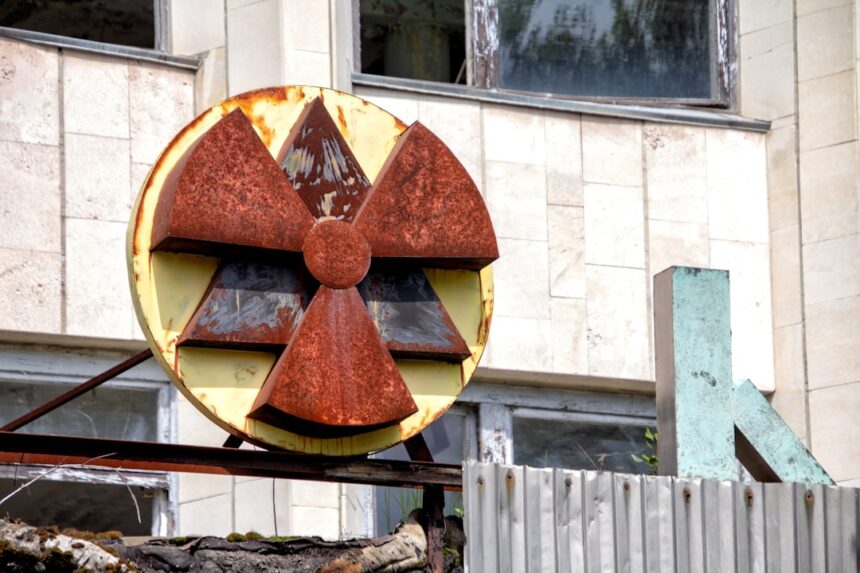
Nuclear warhead mating procedures involve the integration of nuclear warheads with delivery systems such as missiles or aircraft. These operations require precise execution and strict adherence to established protocols due to their complexity and security implications. The procedures comprise multiple technical steps designed to ensure both the safety and operational functionality of nuclear weapons systems.
The mating process represents a critical element in nuclear deterrence strategies. Nations maintaining nuclear arsenals implement rigorous standards and specialized training for personnel conducting these operations. These procedures balance multiple priorities: maintaining security against unauthorized access, ensuring safety to prevent accidental detonation, and preserving operational readiness for strategic purposes.
Personnel involved in warhead mating undergo extensive training and certification. The procedures themselves incorporate multiple verification steps, safety mechanisms, and technical safeguards to minimize risks during the integration process. These measures reflect the significant consequences associated with nuclear weapons handling and the importance of error-free execution in maintaining strategic stability.
Key Takeaways
- Proper security and safety protocols are critical in nuclear warhead mating procedures to prevent accidents and unauthorized access.
- Personnel involved require specialized training and strict qualifications to handle sensitive operations safely.
- Advanced equipment and technology are employed to ensure precision and reliability during the mating process.
- Effective communication and coordination among teams are essential for successful and secure warhead mating.
- Compliance with international regulations and continuous monitoring help mitigate risks and enhance nuclear security.
Importance of Proper Security Measures
The significance of proper security measures in nuclear warhead mating procedures cannot be overstated. Given the destructive potential of nuclear weapons, safeguarding these assets from unauthorized access or theft is paramount. You will find that security measures encompass a wide range of practices, including physical security, personnel vetting, and technological safeguards.
Each layer of security is designed to mitigate risks and ensure that only authorized individuals can access sensitive areas and materials. In addition to protecting against external threats, security measures also play a crucial role in preventing insider threats. Personnel involved in nuclear operations must undergo rigorous background checks and continuous monitoring to ensure their reliability and trustworthiness.
As you consider the implications of these security protocols, you will recognize that they are not merely bureaucratic hurdles but essential components of a comprehensive strategy to maintain national and global security.
Step-by-Step Process of Warhead Mating
The step-by-step process of warhead mating is a highly structured operation that requires precision and coordination among various teams. Initially, the process begins with thorough inspections of both the warhead and the delivery system to ensure they are in optimal condition for mating. You will learn that this phase includes checking for any signs of damage or degradation that could compromise the integrity of the nuclear weapon.
Once inspections are complete, the actual mating procedure can commence. This involves physically connecting the warhead to its delivery vehicle, which may include complex mechanical and electronic interfaces. As you delve deeper into this process, you will discover that each step is meticulously documented to maintain accountability and traceability.
The importance of following established protocols cannot be overstated, as deviations can lead to serious operational failures or safety incidents.
Training and Qualifications for Personnel
Personnel involved in nuclear warhead mating procedures must possess specialized training and qualifications to perform their duties effectively. You will find that this training encompasses a wide array of topics, including technical knowledge about nuclear weapons systems, safety protocols, and emergency response procedures. The rigorous training programs are designed to ensure that individuals are well-prepared to handle the complexities of mating operations.
Moreover, continuous education and training are essential components of maintaining a skilled workforce in this field. As you explore this aspect further, you will see that personnel must regularly update their skills and knowledge to keep pace with advancements in technology and changes in operational protocols. This commitment to ongoing training not only enhances individual capabilities but also contributes to the overall safety and effectiveness of nuclear operations.
Equipment and Technology Used in Mating Procedures
| Procedure Step | Description | Time Required (hours) | Personnel Involved | Safety Checks | Tools/Equipment |
|---|---|---|---|---|---|
| Initial Inspection | Visual and electronic inspection of warhead and delivery system components | 2 | 2 Technicians | Radiation survey, component integrity check | Radiation detectors, inspection mirrors |
| Alignment and Positioning | Precise alignment of warhead to missile interface | 1.5 | 3 Technicians | Mechanical fit verification | Alignment jigs, torque wrenches |
| Mechanical Mating | Securing warhead to missile with bolts and locking mechanisms | 2 | 3 Technicians | Torque specification adherence, locking mechanism test | Torque wrenches, locking tools |
| Electrical Connection | Connecting warhead electrical interfaces to missile systems | 1 | 2 Technicians | Continuity and insulation resistance tests | Multimeters, insulation testers |
| Functional Testing | Verification of warhead and missile system integration | 3 | 4 Technicians | System diagnostics, safety interlock tests | Diagnostic computers, test benches |
| Final Safety Review | Comprehensive safety and security assessment before deployment | 1 | 2 Safety Officers | Radiation survey, security protocol verification | Radiation detectors, checklists |
The equipment and technology utilized in nuclear warhead mating procedures are sophisticated and highly specialized. You will discover that various tools are employed to facilitate the mating process, including cranes, hoists, and specialized connectors designed for secure attachment. Each piece of equipment is engineered to meet stringent safety standards, ensuring that operations can be conducted without compromising the integrity of the warhead or delivery system.
In addition to physical tools, advanced technology plays a crucial role in modern mating procedures. You may encounter systems that utilize robotics or automated processes to enhance precision and reduce human error. As you examine these technological advancements, you will appreciate how they contribute to improving efficiency while maintaining the highest levels of safety during operations.
Safety Protocols and Contingency Plans
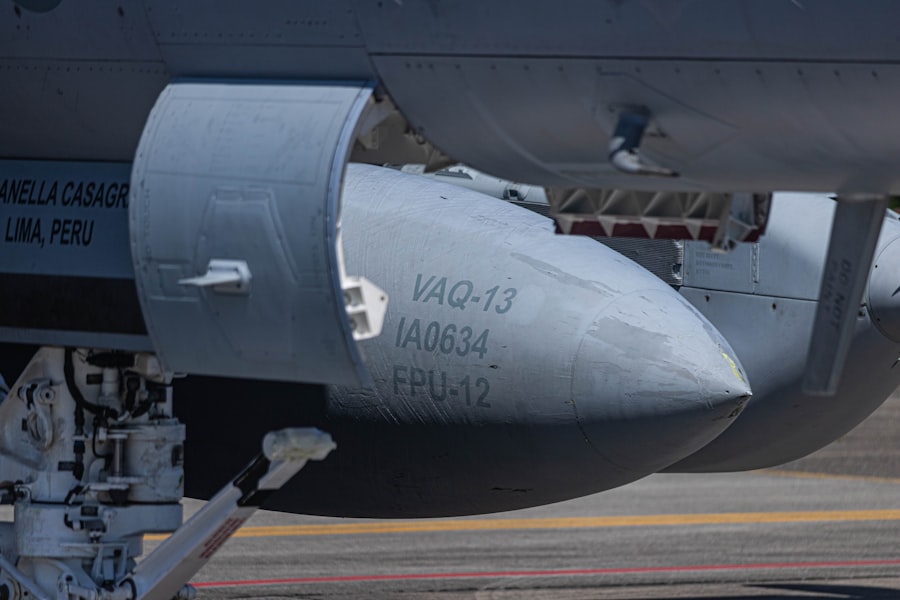
Safety protocols are an integral part of nuclear warhead mating procedures, designed to protect personnel, equipment, and the environment from potential hazards. You will find that these protocols encompass a wide range of measures, including personal protective equipment (PPE), emergency response plans, and regular safety drills. The emphasis on safety is not merely a regulatory requirement; it reflects a deep-seated commitment to preventing accidents in an environment where the consequences could be dire.
Contingency plans are equally important in ensuring preparedness for unexpected situations during mating operations. You will learn that these plans outline specific actions to be taken in case of emergencies such as equipment failure or security breaches. By having well-defined contingency measures in place, teams can respond swiftly and effectively, minimizing risks and ensuring the safety of all involved.
Communication and Coordination between Teams
Effective communication and coordination between teams are vital components of successful nuclear warhead mating procedures. You will discover that multiple teams often work together during these operations, including technical experts, security personnel, and logistics coordinators. Clear lines of communication help ensure that everyone is on the same page regarding operational goals, safety protocols, and timelines.
As you explore this aspect further, you will see how regular briefings and debriefings contribute to fostering a culture of collaboration among teams. These meetings provide opportunities for personnel to share insights, address concerns, and refine processes based on lessons learned from previous operations. By prioritizing communication, organizations can enhance their operational effectiveness while minimizing the potential for misunderstandings or errors.
Monitoring and Surveillance during Mating Procedures
Monitoring and surveillance play crucial roles during nuclear warhead mating procedures to ensure compliance with established protocols and maintain security. You will find that various monitoring systems are employed to track activities in real-time, providing oversight throughout the mating process. This includes video surveillance, access control systems, and personnel tracking technologies designed to enhance situational awareness.
The importance of monitoring extends beyond mere oversight; it serves as a deterrent against potential security breaches or operational failures. As you delve deeper into this topic, you will recognize that continuous monitoring fosters accountability among personnel while reinforcing adherence to safety protocols. By maintaining vigilant oversight during mating operations, organizations can significantly reduce risks associated with human error or unauthorized access.
Compliance with International Regulations and Treaties
Compliance with international regulations and treaties is a fundamental aspect of nuclear warhead mating procedures. You will learn that various agreements govern the handling and deployment of nuclear weapons, aimed at promoting global security and preventing proliferation. Adhering to these regulations is not only a legal obligation but also a moral imperative for nations possessing nuclear capabilities.
As you explore this topic further, you will discover how compliance with international standards influences national policies regarding nuclear weapons management. Nations must demonstrate transparency and accountability in their operations while engaging with international bodies to foster trust among states. By prioritizing compliance with regulations and treaties, countries can contribute to global efforts aimed at reducing the risks associated with nuclear weapons.
Challenges and Risks in Warhead Mating Procedures
Despite rigorous protocols and advanced technologies, challenges and risks persist in nuclear warhead mating procedures. You may encounter issues related to aging infrastructure or equipment malfunctions that can complicate operations. Additionally, human factors such as fatigue or miscommunication can introduce vulnerabilities into an otherwise well-planned process.
As you consider these challenges, it becomes evident that continuous improvement is essential for enhancing safety and efficiency in mating operations. Organizations must remain vigilant in identifying potential risks while implementing strategies to mitigate them effectively. By fostering a culture of proactive risk management, teams can navigate the complexities inherent in nuclear warhead mating procedures more successfully.
Future Developments in Nuclear Security and Mating Procedures
Looking ahead, future developments in nuclear security and mating procedures promise to reshape how nations approach these critical operations. You will find that advancements in technology—such as artificial intelligence (AI) and machine learning—are poised to enhance decision-making processes while improving operational efficiency. These innovations could lead to more streamlined mating procedures while maintaining rigorous safety standards.
Moreover, as global dynamics evolve, there may be increased emphasis on international collaboration regarding nuclear security practices. You may witness nations sharing best practices or engaging in joint exercises aimed at enhancing collective preparedness against potential threats. By embracing innovation while fostering collaboration among states, the future of nuclear warhead mating procedures can be characterized by greater safety, efficiency, and accountability on a global scale.
In conclusion, understanding nuclear warhead mating procedures is essential for grasping the complexities surrounding nuclear security today. From meticulous step-by-step processes to rigorous training requirements for personnel, every aspect plays a crucial role in ensuring safe operations. As you reflect on this topic, consider how ongoing advancements in technology and international cooperation may shape the future landscape of nuclear security practices worldwide.
In the context of nuclear warhead mating procedures, it is essential to understand the complexities involved in ensuring the safety and reliability of these systems. A related article that delves into the intricacies of nuclear weapon maintenance and operational protocols can be found at this link. This resource provides valuable insights into the procedures and considerations that are critical for maintaining the integrity of nuclear arsenals.
WATCH THIS 🎬 The 12-Hour Fuse: How One Man’s Vote Stopped Nuclear War
FAQs
What are nuclear warhead mating procedures?
Nuclear warhead mating procedures refer to the technical and safety processes involved in attaching a nuclear warhead to its delivery system, such as a missile or bomb. These procedures ensure the warhead is securely and correctly integrated for operational readiness.
Why are nuclear warhead mating procedures important?
These procedures are critical for maintaining the safety, security, and reliability of nuclear weapons. Proper mating prevents accidental detonation, ensures the weapon functions as intended, and complies with strict military and safety protocols.
Who performs nuclear warhead mating procedures?
Qualified and specially trained military personnel or authorized technicians conduct these procedures. They follow strict guidelines and protocols to handle the warheads safely and securely.
What safety measures are involved in nuclear warhead mating?
Safety measures include strict adherence to handling protocols, use of specialized tools and equipment, environmental controls, continuous monitoring, and multiple verification steps to prevent accidents or unauthorized access.
How long do nuclear warhead mating procedures typically take?
The duration varies depending on the weapon system and complexity but generally involves several hours to ensure all steps are completed accurately and safely.
Are nuclear warhead mating procedures standardized?
Yes, these procedures are standardized within military organizations to ensure consistency, safety, and reliability across all operations involving nuclear weapons.
Can nuclear warhead mating be reversed?
Yes, demating procedures exist to safely detach a warhead from its delivery system for maintenance, inspection, or decommissioning, following similarly strict safety protocols.
What training is required for personnel involved in nuclear warhead mating?
Personnel undergo extensive training in nuclear weapons handling, safety protocols, technical procedures, and emergency response to ensure competence and minimize risks.
Are nuclear warhead mating procedures classified?
Details of specific procedures are typically classified to protect national security and prevent proliferation or misuse of nuclear weapons technology.
How do nuclear warhead mating procedures relate to nuclear non-proliferation?
Strict control and secure handling during mating procedures help prevent unauthorized access or diversion of nuclear materials, supporting non-proliferation efforts.