The Cuban Missile Crisis originated from the geopolitical tensions that defined the Cold War era following World War II. The United States and Soviet Union emerged as competing superpowers with fundamentally different political and economic systems. The United States promoted capitalist democracy, while the Soviet Union advocated for communist governance under centralized state control.
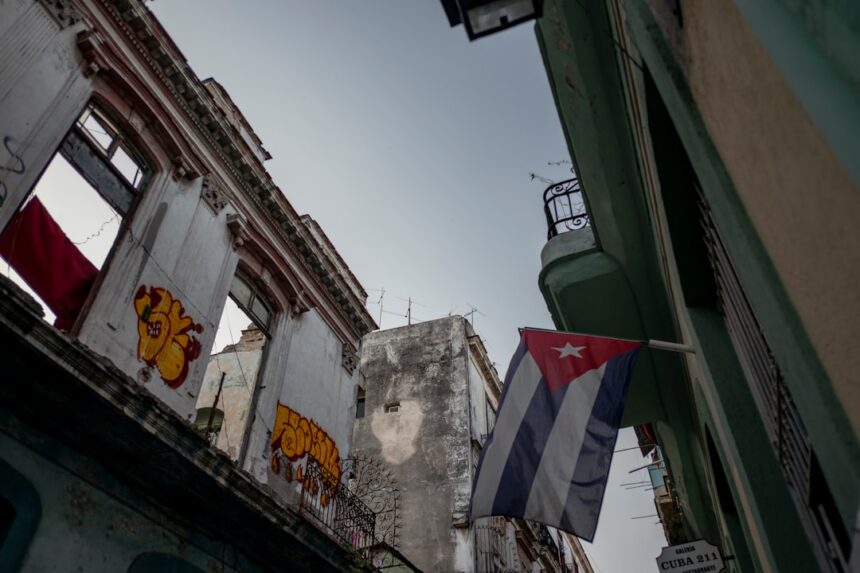
This ideological divide manifested in various international conflicts, including the Korean War (1950-1953) and the Berlin Blockade (1948-1949), which intensified mistrust between the two nations. The 1959 Cuban Revolution, which brought Fidel Castro to power, significantly escalated tensions in the Western Hemisphere. Castro’s government gradually aligned with the Soviet Union, establishing Cuba as a communist state approximately 90 miles from the Florida coast.
The United States government perceived this development as a direct threat to national security and regional stability. American policymakers were concerned that a Soviet-aligned Cuba could serve as a base for communist expansion throughout Latin America, potentially undermining U.S. political and economic influence in the region.
The crisis emerged from this broader context of superpower rivalry, ideological competition, and strategic positioning during the Cold War period. The combination of nuclear weapons development, proxy conflicts, and the establishment of opposing spheres of influence created the conditions that would lead to the October 1962 confrontation over Soviet missile installations in Cuba.
Key Takeaways
- The Cuban Missile Crisis began with the secret deployment of Soviet missiles in Cuba, escalating Cold War tensions.
- The United States discovered the missiles through aerial reconnaissance, prompting President Kennedy to respond decisively.
- Kennedy implemented a naval blockade of Cuba to prevent further Soviet shipments and initiated tense negotiations with the USSR.
- The crisis ended with the removal of Soviet missiles from Cuba, averting a potential nuclear conflict.
- Declassified documents reveal new insights, highlighting the crisis’s lasting impact on international diplomacy and nuclear policy.
The Secret Deployment of Soviet Missiles in Cuba
In the early 1960s, as tensions escalated between the U.S. and the Soviet Union, Soviet Premier Nikita Khrushchev devised a bold plan to place nuclear missiles in Cuba. This decision was driven by multiple factors, including a desire to counteract U.S.
missile installations in Turkey and Italy, which posed a direct threat to Soviet security. By deploying missiles in Cuba, Khrushchev aimed to level the playing field and demonstrate Soviet strength while also providing a protective shield for Castro’s regime. As you consider this strategic move, it becomes evident that it was not merely an act of aggression but rather a calculated response to perceived threats.
The secret deployment of these missiles began in the summer of 1962, with Soviet ships transporting military equipment and personnel to Cuba under the guise of providing economic aid. You might find it fascinating that this operation was conducted with remarkable secrecy, as both nations were acutely aware of the potential consequences of such an escalation. The Soviets believed that by establishing a nuclear presence in Cuba, they could deter U.S.
intervention and solidify their influence in the Western Hemisphere. However, this bold maneuver would soon lead to one of the most dangerous confrontations in history.
The United States’ Discovery of the Missiles
The turning point in the Cuban Missile Crisis came on October 16, 1962, when U.S. reconnaissance flights over Cuba revealed unmistakable evidence of Soviet missile installations on the island. As you reflect on this moment, consider the shockwaves that rippled through Washington, D.
, as President John F.
Kennedy and his advisors were confronted with the reality of nuclear missiles just a stone’s throw away from American soil.
In the days that followed, intelligence assessments confirmed that these missiles were capable of striking major U.S.
cities within minutes. You can imagine the sense of urgency and fear that permeated the atmosphere as government officials grappled with the implications of this newfound knowledge. The stakes were incredibly high; any miscalculation could lead to catastrophic consequences.
As you explore this critical juncture in history, it becomes clear that the discovery of Soviet missiles in Cuba marked the beginning of a tense standoff that would test diplomatic channels and military readiness.
President Kennedy’s Response to the Crisis
Faced with an unprecedented crisis, President Kennedy took a measured yet firm approach to address the situation. You might find it interesting that he convened a group of trusted advisors known as the Executive Committee of the National Security Council (ExComm) to deliberate on possible courses of action. The discussions were intense and fraught with differing opinions on how best to respond to the threat posed by Soviet missiles in Cuba.
Some advisors advocated for immediate military action, while others urged caution and diplomacy. Ultimately, Kennedy decided against a military strike, recognizing that such an action could escalate into full-scale war. Instead, he opted for a naval blockade—termed a “quarantine”—to prevent further shipments of military equipment to Cuba.
This decision reflected his commitment to avoiding unnecessary bloodshed while still demonstrating resolve against Soviet aggression. As you consider Kennedy’s response, it becomes evident that he was navigating a treacherous path between maintaining national security and avoiding a nuclear confrontation.
The Blockade of Cuba
| Metric | Data/Information |
|---|---|
| Date of Crisis | October 16-28, 1962 |
| Number of Soviet Missiles in Cuba | Approximately 42 medium-range ballistic missiles |
| Number of U-2 Reconnaissance Flights | Over 20 flights during the crisis period |
| Number of US Naval Ships in Blockade | Approximately 180 ships |
| Duration of US Naval Blockade | 13 days (October 24 – November 6, 1962) |
| Number of US Military Personnel on Alert | Over 200,000 |
| Number of Soviet Troops in Cuba | Approximately 40,000 |
| Outcome | Removal of Soviet missiles from Cuba and US missiles from Turkey |
| Declassification Year of Key Documents | 1992 and subsequent releases |
On October 22, 1962, President Kennedy announced the implementation of a naval blockade around Cuba during a televised address to the nation. You can imagine how this moment captured the attention of millions as Kennedy laid out the rationale behind his decision and called for international support against what he termed “the gravest issues” facing America. The blockade aimed to prevent any further delivery of military supplies to Cuba while allowing time for diplomatic negotiations to unfold.
The blockade was not without its challenges; it required careful coordination with U.S. military forces and posed risks of confrontation with Soviet ships attempting to breach it. As you reflect on this tense period, consider how both nations were on high alert, aware that any misstep could lead to dire consequences.
The world held its breath as ships approached the blockade line, and you can sense the palpable tension that enveloped both American and Soviet leaders as they weighed their options.
The Tense Negotiations between the United States and Soviet Union
As the blockade continued, back-channel communications between Washington and Moscow became increasingly vital. You may find it intriguing that both sides recognized the need for dialogue despite their adversarial positions. Khrushchev sent letters to Kennedy expressing his willingness to negotiate, while Kennedy’s administration sought to convey its resolve without provoking further escalation.
The negotiations were fraught with tension; each side was acutely aware that they were walking a tightrope between diplomacy and potential disaster. During this period, you can see how both leaders faced immense pressure from their respective governments and military establishments. Khrushchev had to contend with hardliners who advocated for a more aggressive stance, while Kennedy faced calls for military action from some members of his administration.
As you explore these negotiations, it becomes clear that both leaders understood that their decisions would have far-reaching implications not only for their nations but for global stability as well.
The Removal of Soviet Missiles from Cuba
After days of intense negotiations and mounting pressure from both sides, a breakthrough finally occurred on October 28, 1962. In a dramatic turn of events, Khrushchev agreed to dismantle Soviet missile installations in Cuba in exchange for a U.S. commitment not to invade the island nation.
You might find it fascinating how this agreement marked a significant de-escalation of tensions between two superpowers on the brink of nuclear war. The removal process was closely monitored by U.S. officials to ensure compliance with the terms of the agreement.
As you consider this moment in history, reflect on how both leaders emerged from this crisis with newfound insights into each other’s resolve and willingness to engage in diplomacy. The resolution of the Cuban Missile Crisis not only prevented immediate catastrophe but also laid the groundwork for future arms control agreements between the United States and the Soviet Union.
The Aftermath of the Crisis
In the wake of the Cuban Missile Crisis, both nations experienced profound changes in their foreign policies and military strategies. You may find it interesting that while Kennedy emerged with increased political capital at home for his handling of the crisis, Khrushchev faced criticism from hardliners within his own party who viewed his concessions as a sign of weakness. This internal strife ultimately contributed to Khrushchev’s ousting from power in 1964.
The crisis also prompted both superpowers to reassess their nuclear arsenals and communication strategies. You can see how this period led to increased efforts toward arms control, culminating in treaties such as the Nuclear Test Ban Treaty of 1963. The lessons learned from this harrowing experience underscored the importance of diplomacy and communication in preventing future conflicts—a realization that would shape international relations for decades to come.
Declassified Documents Shedding Light on the Crisis
In recent years, declassified documents have provided historians and scholars with invaluable insights into the Cuban Missile Crisis and its underlying dynamics. You might find it enlightening to explore these documents, which reveal previously unknown details about decision-making processes within both governments during this critical period. These records shed light on how intelligence assessments influenced policy choices and highlight moments of uncertainty and fear experienced by leaders on both sides.
As you examine these documents, consider how they contribute to our understanding of not only the Cuban Missile Crisis but also broader themes related to Cold War diplomacy and conflict resolution. The transparency afforded by these declassified materials allows you to appreciate the complexities involved in navigating such high-stakes situations—a reminder that history is often shaped by human decisions made under pressure.
Lessons Learned from the Cuban Missile Crisis
The Cuban Missile Crisis serves as a powerful case study in crisis management and conflict resolution. You may find it valuable to reflect on some key lessons learned from this episode in history. One significant takeaway is the importance of communication; both Kennedy and Khrushchev recognized that open lines of dialogue were essential in preventing misunderstandings that could lead to catastrophic outcomes.
Another lesson is the necessity for leaders to remain calm under pressure and consider all available options before resorting to military action. As you contemplate these lessons, think about how they resonate with contemporary global challenges where tensions continue to run high among nations with differing ideologies and interests.
The Impact of the Crisis on International Relations
The Cuban Missile Crisis had far-reaching implications for international relations beyond its immediate resolution. You might find it intriguing how this event reshaped perceptions of nuclear warfare and prompted nations around the world to reconsider their own security strategies. The crisis underscored the reality that nuclear weapons posed an existential threat not only to individual nations but also to humanity as a whole.
In addition, you can see how it catalyzed efforts toward arms control agreements aimed at reducing nuclear arsenals and preventing future conflicts between superpowers. The lessons learned from this crisis continue to inform diplomatic strategies today as nations grapple with issues related to nuclear proliferation and regional conflicts around the globe. As you reflect on these themes, consider how understanding historical events like the Cuban Missile Crisis can provide valuable insights into contemporary international relations—reminding us that diplomacy remains an essential tool for navigating complex global challenges.
The declassification of documents related to the Cuban Missile Crisis has shed new light on the tense standoff between the United States and the Soviet Union during the Cold War. For a deeper understanding of the implications and historical context of this pivotal moment, you can read a related article on the topic at In The War Room. This resource provides valuable insights and analysis that enhance our comprehension of the crisis and its lasting impact on international relations.
WATCH THIS 🎬 The 12-Hour Fuse: How One Man’s Vote Stopped Nuclear War
FAQs
What was the Cuban Missile Crisis?
The Cuban Missile Crisis was a 13-day confrontation in October 1962 between the United States and the Soviet Union over Soviet ballistic missiles deployed in Cuba. It is considered one of the closest moments the Cold War came to escalating into a full-scale nuclear war.
What does “declassified” mean in the context of the Cuban Missile Crisis?
“Declassified” refers to the process of making previously secret government documents and information about the Cuban Missile Crisis available to the public. These documents provide new insights into the decision-making and events during the crisis.
When were key documents about the Cuban Missile Crisis declassified?
Many important documents related to the Cuban Missile Crisis were declassified in the decades following the event, with significant releases occurring in the 1990s and continuing into the 21st century as part of efforts to increase transparency about Cold War history.
What new information has been revealed through declassified documents?
Declassified documents have revealed details about the communications between the U.S. and Soviet leadership, the internal debates within both governments, the role of intelligence agencies, and the decision-making processes that helped avert nuclear war.
Why is the Cuban Missile Crisis still studied today?
The Cuban Missile Crisis is studied as a critical example of crisis management, diplomacy, and nuclear deterrence. It offers lessons on the importance of communication, negotiation, and the risks of miscalculation in international relations.
Where can one access declassified documents about the Cuban Missile Crisis?
Declassified documents can be accessed through national archives such as the U.S. National Archives and Records Administration (NARA), the Central Intelligence Agency (CIA) reading rooms, and various online databases dedicated to Cold War history.
Did the declassified information change the understanding of the Cuban Missile Crisis?
Yes, declassified information has provided a more nuanced understanding of the crisis, including the perspectives and motivations of both the U.S. and Soviet sides, as well as the complexity of the negotiations that led to the peaceful resolution.