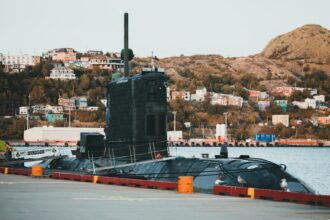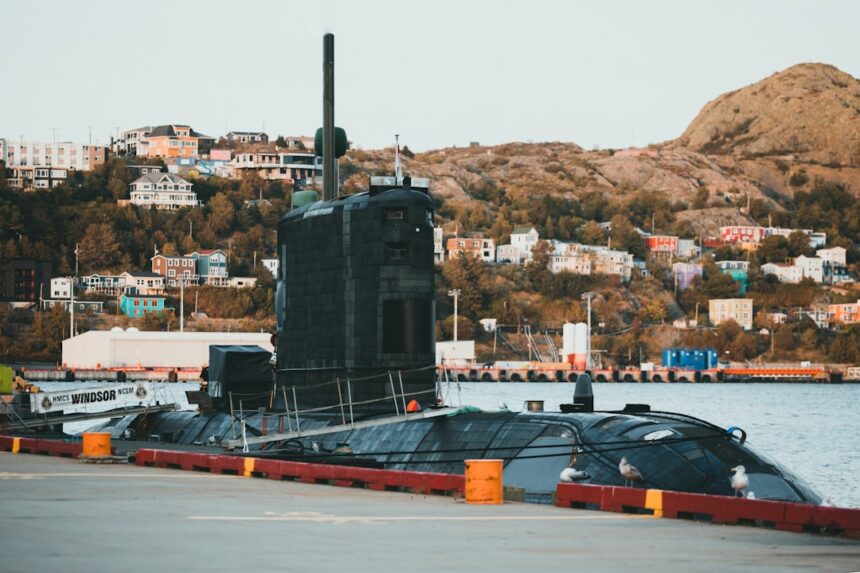
The development of the Soviet nuclear torpedo represented a critical advancement in Cold War military technology. As US-Soviet tensions intensified, both nations sought naval supremacy, leading to transformative underwater warfare capabilities. The Soviet Union strategically prioritized submarine technology, dedicating substantial resources to developing nuclear-powered torpedoes capable of striking enemy vessels and coastal targets.
This initiative represented a deliberate strategy to establish dominance in submarine warfare rather than merely responding to American developments. The Soviet nuclear torpedo program combined strategic urgency with technological ambition. Initial prototypes emerged in the late 1950s, specifically designed to counter expanding American naval capabilities.
Engineers conducted extensive testing of nuclear propulsion systems and warhead designs, ultimately producing torpedoes with revolutionary speed and range capabilities. This technological pursuit aligned with broader Soviet military doctrine, which emphasized achieving strategic deterrence through advanced weapons systems.
Key Takeaways
- The Soviet nuclear torpedo was a key development in Cold War naval weaponry, designed to enhance submarine strike capabilities.
- Soviet submarines armed with nuclear torpedoes played a strategic role in deterring Western naval forces during the Cold War.
- Technical specifications of these torpedoes included large yield warheads and long-range capabilities, making them a significant threat.
- The deployment and potential use of nuclear torpedoes heightened Cold War tensions and influenced global nuclear policies.
- Ethical concerns and the legacy of nuclear torpedo technology continue to impact discussions on modern naval warfare and arms control.
The Role of the Soviet Submarine in Cold War Strategy
Soviet submarines played a pivotal role in the broader strategy of the Cold War, serving as both a deterrent and a means of projecting power. You may appreciate how these underwater vessels were not just tools of warfare; they were symbols of national strength and technological achievement. The Soviet Navy’s emphasis on submarine warfare was rooted in the belief that control of the seas was essential for national security.
Submarines equipped with nuclear torpedoes became central to this strategy, allowing the Soviet Union to threaten adversaries while remaining hidden beneath the waves. In this context, submarines were seen as a counterbalance to American aircraft carriers and surface fleets. Their stealth capabilities allowed them to operate undetected, making them ideal for launching surprise attacks.
The presence of nuclear-armed submarines in strategic locations around the globe served as a constant reminder of the Soviet Union’s military capabilities. You might find it intriguing that this strategy not only aimed to deter direct conflict but also sought to influence global politics by projecting an image of strength and resolve.
The Technical Specifications of the Soviet Nuclear Torpedo
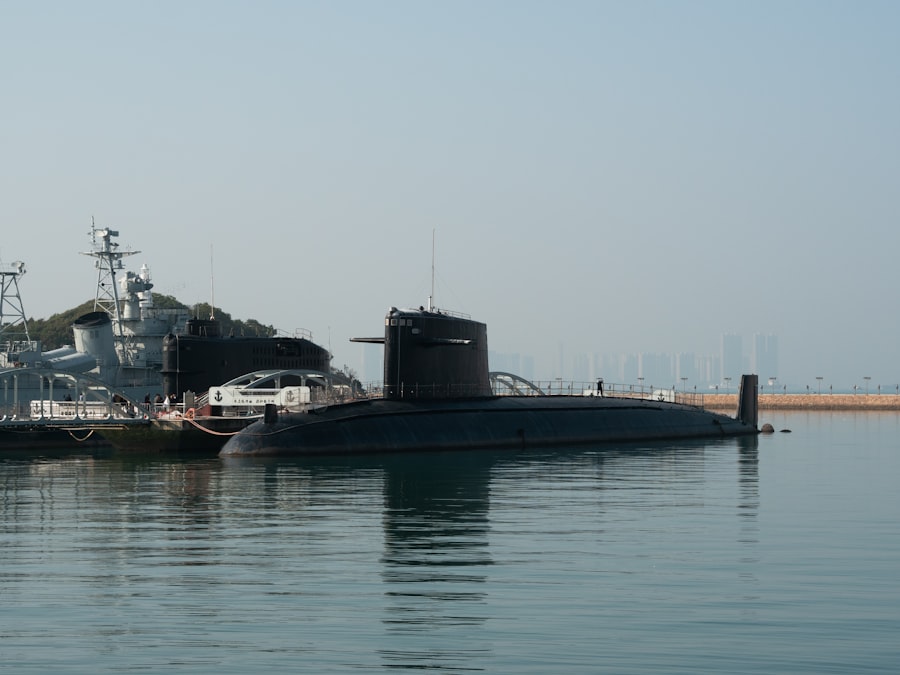
The technical specifications of the Soviet nuclear torpedo reveal a remarkable blend of engineering prowess and military ambition. These torpedoes were designed to be launched from submarines, utilizing advanced propulsion systems that allowed for high speeds and long-range capabilities. You may be interested to know that one of the most notable models, the T-15 torpedo, was capable of carrying a nuclear warhead weighing several hundred kilotons, making it a formidable weapon in any naval engagement.
The design also incorporated sophisticated guidance systems that enabled precise targeting, ensuring that these torpedoes could strike enemy vessels with deadly accuracy. The combination of speed, range, and firepower made them a critical component of the Soviet Navy’s arsenal. As you delve deeper into their specifications, you might appreciate how these advancements not only reflected technological innovation but also underscored the intense competition between superpowers during this period.
The Impact of the Soviet Nuclear Torpedo on Cold War Politics
The introduction of the Soviet nuclear torpedo had profound implications for Cold War politics, reshaping the dynamics of international relations. You might consider how these weapons contributed to an atmosphere of mutual suspicion and fear, as both superpowers recognized the potential for catastrophic consequences should conflict arise. The existence of nuclear torpedoes added another layer to the already complex strategic calculus, forcing nations to reconsider their military postures and diplomatic strategies.
Moreover, the presence of these weapons influenced arms control negotiations and treaties throughout the Cold War. As you reflect on this period, you may find it noteworthy that discussions surrounding nuclear disarmament often revolved around limiting not just land-based missiles but also naval capabilities. The fear of escalation due to miscalculations or accidents involving nuclear torpedoes loomed large in diplomatic circles, prompting efforts to establish frameworks aimed at reducing tensions and preventing conflict.
The Deployment of Soviet Submarines Armed with Nuclear Torpedoes
| Metric | Details |
|---|---|
| Type | Nuclear Torpedo |
| Country of Origin | Soviet Union |
| Model Name | Type 65 (T-15) |
| Warhead Yield | Up to 100 megatons |
| Length | 24 meters (approx.) |
| Diameter | 1.6 meters |
| Range | Up to 100 km |
| Speed | High subsonic speed |
| Launch Platform | Typhoon-class submarine |
| Purpose | Strategic nuclear strike against coastal cities and naval bases |
The deployment of Soviet submarines armed with nuclear torpedoes was a strategic maneuver designed to enhance deterrence and project power across global waters. You may find it compelling that these submarines were often stationed in key maritime regions, such as the North Atlantic and the Pacific Ocean, where they could monitor enemy movements and respond swiftly if necessary. This forward deployment not only showcased Soviet military capabilities but also served as a psychological tool in asserting dominance over rival nations.
As you explore this topic further, consider how the operational readiness of these submarines was crucial for maintaining a credible deterrent posture.
The presence of nuclear-armed submarines in international waters also raised concerns among Western powers, leading to increased naval patrols and surveillance efforts aimed at tracking their movements.
This cat-and-mouse dynamic added another layer of tension to an already fraught geopolitical landscape.
The Threat of Nuclear Torpedo Incidents during the Cold War
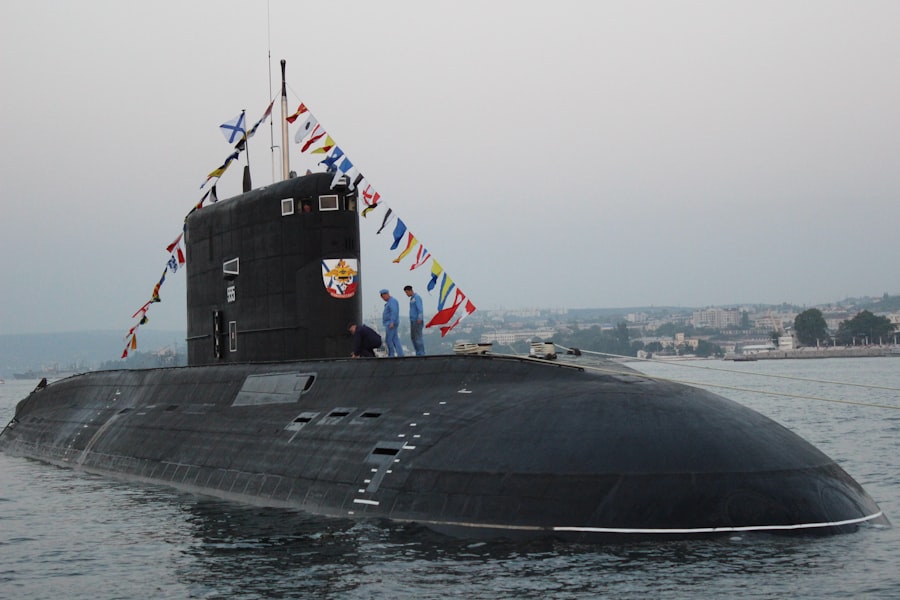
The potential for nuclear torpedo incidents during the Cold War represented one of the most alarming aspects of this era’s military strategy. You might be surprised to learn that despite their advanced technology, human error and miscommunication posed significant risks. Incidents involving misidentified targets or accidental launches could have led to catastrophic consequences, underscoring the precarious nature of nuclear deterrence.
As you reflect on this issue, consider how close calls during this period highlighted the need for robust communication channels and protocols between superpowers. The Cuban Missile Crisis serves as a prime example; during this tense standoff, both sides were acutely aware that any miscalculation could trigger a nuclear exchange. The existence of nuclear torpedoes added an additional layer of complexity to these situations, as submarines could operate covertly and launch strikes without warning, raising fears about escalation and unintended conflict.
The Soviet Submarine’s Nuclear Torpedo in Modern Times
In modern times, the legacy of the Soviet submarine’s nuclear torpedo continues to influence naval strategy and military technology worldwide.
This ongoing evolution reflects not only a desire for deterrence but also an acknowledgment of the enduring relevance of submarine warfare in contemporary conflicts.
As you examine this topic further, consider how modern submarines are equipped with advanced stealth capabilities and sophisticated targeting systems that surpass those of their predecessors. The lessons learned from the Cold War era have informed current military strategies, emphasizing the importance of maintaining a credible underwater deterrent in an increasingly multipolar world. The continued development of nuclear torpedoes underscores their significance in contemporary military planning and international security discussions.
The Ethics and Morality of Nuclear Torpedo Warfare
The ethics and morality surrounding nuclear torpedo warfare raise profound questions about humanity’s relationship with technology and warfare. You might ponder how the existence of such devastating weapons challenges our understanding of just war theory and moral responsibility. The potential for mass destruction inherent in nuclear torpedoes forces us to confront uncomfortable truths about our willingness to embrace technologies that can annihilate entire populations.
As you reflect on these ethical dilemmas, consider how discussions about nuclear weapons often center on deterrence versus disarmament. Advocates for disarmament argue that any use of nuclear weapons is inherently immoral due to their indiscriminate nature and long-lasting consequences on human life and the environment. On the other hand, proponents of deterrence contend that possessing such weapons can prevent larger conflicts by maintaining a balance of power.
This ongoing debate highlights the complexities involved in navigating moral considerations within military strategy.
The Soviet Union’s Nuclear Torpedo Program in Comparison to Other Nations
When comparing the Soviet Union’s nuclear torpedo program to those of other nations, you may find it striking how different approaches reflect varying strategic priorities and technological capabilities. While the United States also developed its own nuclear torpedoes during this period, their designs often emphasized different operational doctrines and technological innovations. This divergence illustrates how national security concerns shape military development.
You might also consider how other countries have approached underwater warfare in recent years. Nations like China and India have invested heavily in submarine technology, seeking to enhance their naval capabilities in response to regional threats. As you analyze these developments, it becomes clear that while the specifics may differ, the underlying motivations—deterrence, power projection, and national security—remain consistent across various geopolitical contexts.
The Legacy of the Soviet Submarine’s Nuclear Torpedo
The legacy of the Soviet submarine’s nuclear torpedo is multifaceted, encompassing technological advancements, strategic doctrines, and ongoing debates about nuclear warfare’s implications for global security. You may find it fascinating that many aspects of modern naval warfare can trace their roots back to innovations developed during this period. The emphasis on stealth, precision targeting, and long-range capabilities continues to shape contemporary military strategies.
Moreover, as you reflect on this legacy, consider how it has influenced international relations beyond military considerations. The existence of nuclear torpedoes has prompted discussions about arms control agreements and non-proliferation efforts aimed at reducing global stockpiles of such weapons. This legacy serves as a reminder that while technological advancements can enhance military capabilities, they also carry profound responsibilities regarding their use and potential consequences.
The Future of Nuclear Torpedo Technology
Looking ahead, the future of nuclear torpedo technology remains uncertain yet intriguing. You might be curious about how advancements in artificial intelligence and robotics could reshape underwater warfare in ways we cannot yet fully comprehend. As nations continue to invest in research and development, new technologies may emerge that enhance both offensive and defensive capabilities within naval operations.
As you contemplate these possibilities, consider how international dynamics will influence future developments in nuclear torpedo technology. Ongoing geopolitical tensions may drive nations to pursue more advanced systems while simultaneously raising concerns about arms races and escalation risks. Ultimately, navigating this complex landscape will require careful consideration of both technological advancements and ethical implications as we move forward into an uncertain future shaped by innovation and competition.
The development of the Soviet submarine nuclear torpedo marked a significant advancement in underwater warfare technology during the Cold War. This innovative weapon system was designed to enhance the strategic capabilities of the Soviet Navy, allowing for stealthy and powerful strikes against enemy vessels. For a deeper understanding of the implications of such military advancements, you can read more in this related article on the topic: Soviet Submarine Nuclear Torpedoes.
WATCH THIS 🎬 The 12-Hour Fuse: How One Man’s Vote Stopped Nuclear War
FAQs
What is a Soviet submarine nuclear torpedo?
A Soviet submarine nuclear torpedo is a type of underwater weapon developed by the Soviet Union during the Cold War. It is designed to be launched from submarines and carries a nuclear warhead, intended to cause massive destruction to enemy ships or coastal targets.
When were Soviet submarine nuclear torpedoes developed?
Soviet submarine nuclear torpedoes were developed primarily during the Cold War era, starting in the 1950s and continuing through the 1980s as part of the Soviet Union’s naval strategic weapons programs.
What was the purpose of Soviet nuclear torpedoes?
The primary purpose of Soviet nuclear torpedoes was to provide a powerful deterrent against enemy naval forces, particularly NATO fleets. They were intended to destroy large groups of enemy ships or coastal installations with a single, high-yield nuclear explosion.
How were Soviet nuclear torpedoes launched?
These torpedoes were launched from specially equipped Soviet submarines. The submarines would fire the torpedo underwater, allowing it to travel toward its target before detonating its nuclear warhead.
What types of Soviet submarines carried nuclear torpedoes?
Several classes of Soviet submarines were equipped to carry nuclear torpedoes, including some of the larger attack and missile submarines designed for strategic and tactical missions.
Were Soviet nuclear torpedoes ever used in combat?
No, Soviet submarine nuclear torpedoes were never used in actual combat. They served primarily as a deterrent during the Cold War and were part of the broader nuclear arms race between the Soviet Union and the United States.
What happened to Soviet nuclear torpedoes after the Cold War?
After the Cold War ended and the Soviet Union dissolved, many nuclear weapons, including submarine nuclear torpedoes, were decommissioned or dismantled as part of arms reduction agreements and disarmament efforts.
Are nuclear torpedoes still in use today?
While nuclear torpedoes are less common today, some countries maintain advanced torpedo systems with nuclear capabilities. However, the focus has shifted toward more precise and conventional weapons in modern naval warfare.
What was the impact of Soviet nuclear torpedoes on naval strategy?
Soviet nuclear torpedoes significantly influenced naval strategy by introducing the threat of nuclear underwater weapons, which increased the stakes of naval engagements and contributed to the development of anti-submarine warfare tactics and technologies.