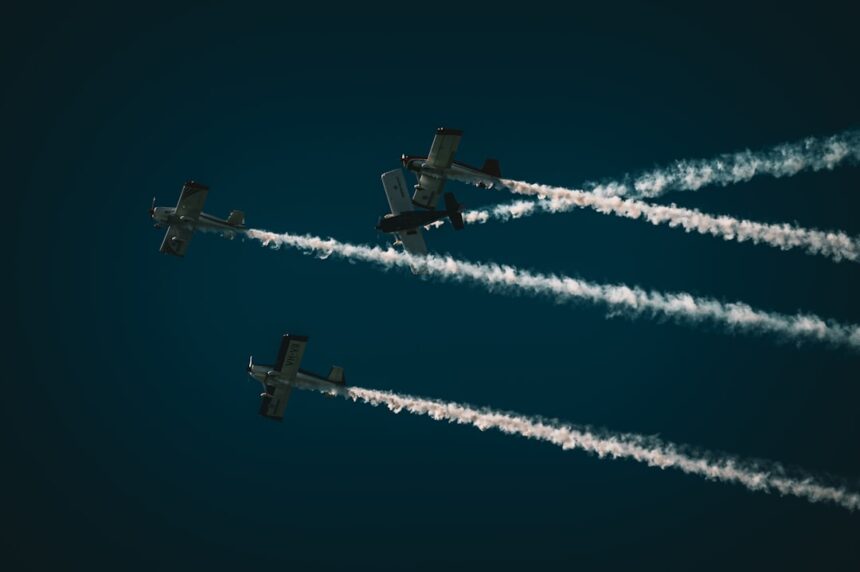
Air combat training programs increasingly emphasize psychological preparation alongside technical and physical instruction. Research demonstrates that mental factors significantly influence pilot performance during aerial operations. Key psychological skills include stress management, rapid decision-making under pressure, and cognitive flexibility when responding to dynamic combat scenarios.
Military aviation organizations have implemented structured psychological training components to address these requirements. These programs typically include stress inoculation training, cognitive behavioral techniques, and scenario-based exercises designed to develop mental resilience. Studies indicate that pilots who receive comprehensive psychological preparation demonstrate improved performance metrics in simulated combat environments.
The psychological demands of air combat operations present documented health risks for military aviators. High-stress environments, extended deployment periods, and exposure to life-threatening situations contribute to elevated rates of anxiety, depression, and post-traumatic stress among combat pilots. Occupational health data shows that untreated psychological stress correlates with decreased operational effectiveness and increased safety incidents.
Contemporary air combat training protocols incorporate mental health support systems and preventive psychological interventions. These measures include regular psychological assessments, peer support programs, and access to mental health professionals. Evidence suggests that proactive psychological care reduces attrition rates and maintains operational readiness across pilot populations.
Key Takeaways
- Psychological factors are crucial for effective air combat training and performance.
- Mental resilience, focus, and confidence significantly enhance pilot capabilities under stress.
- Techniques like visualization, mindfulness, and mental rehearsal improve situational awareness and decision-making.
- Managing fear, anxiety, and pressure is essential for maintaining composure in high-stress combat scenarios.
- Integrating psychological training elements into programs leads to better coping strategies and overall mission success.
Understanding the Psychological Challenges of Air Combat
Air combat presents a unique set of psychological challenges that pilots must navigate to perform effectively. One of the most pressing issues is the overwhelming stress associated with combat situations. Pilots are often required to make split-second decisions that can have life-or-death consequences, all while managing the physical demands of flying high-performance aircraft.
This pressure can lead to cognitive overload, where the sheer volume of information and the speed at which it must be processed can overwhelm even the most experienced aviators. Additionally, the fear of failure or making critical mistakes can weigh heavily on a pilot’s mind. The stakes in air combat are incredibly high, and the potential for loss—whether it be their own life or that of their comrades—can create a paralyzing sense of anxiety.
This fear can manifest in various ways, from hesitation in decision-making to an inability to execute maneuvers effectively. Understanding these psychological challenges is crucial for developing effective training programs that address not only the technical skills required for air combat but also the mental resilience needed to thrive in such an environment.
Developing Mental Resilience and Focus in Air Combat Training
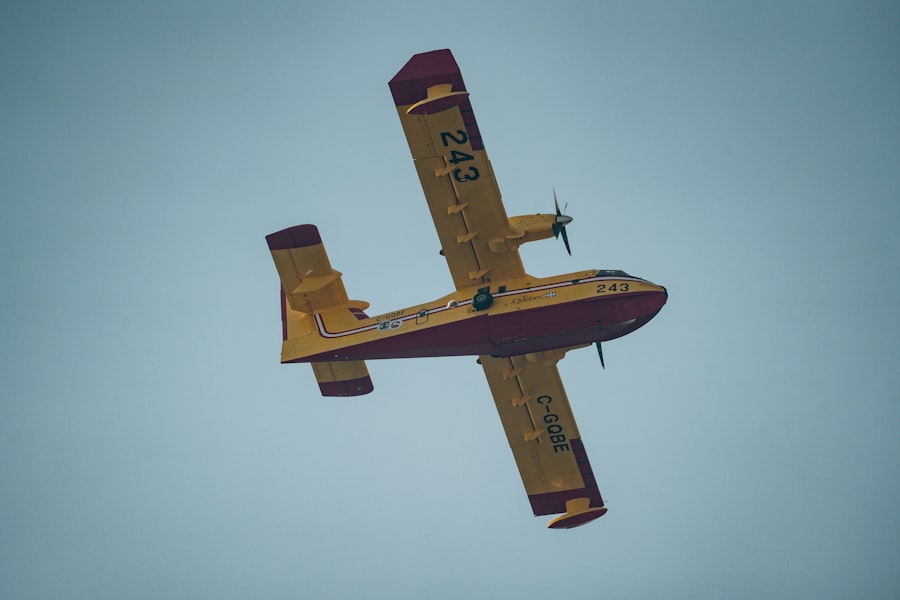
To thrive in the demanding environment of air combat, pilots must cultivate mental resilience and focus. Mental resilience refers to the ability to bounce back from setbacks and maintain performance under pressure. In air combat training, this can be developed through various techniques that challenge pilots both physically and mentally.
Simulated combat scenarios that mimic real-life stressors can help pilots learn to manage their emotions and maintain focus when faced with adversity. Focus is equally important in air combat training. Pilots must be able to concentrate on multiple tasks simultaneously while filtering out distractions.
Techniques such as mindfulness training can enhance a pilot’s ability to remain present and engaged during critical moments. By incorporating exercises that promote concentration and mental clarity into training regimens, instructors can help pilots develop the focus necessary to execute complex maneuvers and make sound decisions in high-pressure situations.
Overcoming Fear and Anxiety in High-Stress Situations
Fear and anxiety are natural responses to high-stress situations, particularly in the context of air combat. However, allowing these emotions to take control can hinder a pilot’s performance and decision-making abilities. To overcome fear and anxiety, pilots must first acknowledge these feelings rather than suppress them.
Recognizing that fear is a common experience among aviators can help normalize these emotions and reduce their power. Coping strategies such as controlled breathing techniques and positive self-talk can be effective tools for managing anxiety during flight operations. By practicing these techniques during training exercises, pilots can learn to regulate their physiological responses to stressors.
Additionally, exposure therapy—where pilots gradually confront their fears in a controlled environment—can help desensitize them to anxiety-inducing situations, ultimately leading to improved performance in real-world scenarios.
Building Confidence and Self-Efficacy in Air Combat Training
| Psychological Element | Description | Metric/Measurement | Typical Range/Value | Importance in Air Combat Training |
|---|---|---|---|---|
| Stress Tolerance | Ability to maintain performance under high-pressure situations | Heart Rate Variability (HRV), Cortisol Levels | HRV: 50-100 ms; Cortisol: 5-25 µg/dL | High – Critical for decision-making and reaction time |
| Situational Awareness | Perception and understanding of the environment and threats | Situational Awareness Rating Technique (SART) Scores | Typical SART Score: 30-50 (out of 50) | High – Essential for threat detection and tactical advantage |
| Decision-Making Speed | Time taken to make tactical decisions during combat | Reaction Time (milliseconds) | Average: 200-300 ms | High – Faster decisions improve combat effectiveness |
| Attention Focus | Ability to maintain concentration on relevant stimuli | Continuous Performance Test (CPT) Scores | Accuracy: 85-95% | High – Reduces errors and missed threats |
| Stress Recovery | Speed and efficiency of returning to baseline after stress | Time to Heart Rate Recovery (seconds) | Typical: 60-120 seconds | Medium – Affects endurance during prolonged engagements |
| Emotional Regulation | Control over emotional responses during combat | Self-Report Scales (e.g., DERS – Difficulties in Emotion Regulation Scale) | Lower scores indicate better regulation | High – Prevents panic and maintains operational control |
| Memory Recall | Ability to remember mission details and procedures | Working Memory Tests (e.g., N-back task) | Accuracy: 70-90% | Medium – Supports tactical planning and execution |
Confidence plays a pivotal role in a pilot’s ability to perform effectively in air combat situations. A strong sense of self-efficacy—the belief in one’s ability to succeed—can significantly enhance a pilot’s performance under pressure. Building this confidence requires a multifaceted approach that includes skill development, positive reinforcement, and realistic training scenarios.
One effective method for fostering confidence is through incremental skill acquisition. By breaking down complex maneuvers into manageable components, instructors can help pilots gradually build their competence and confidence over time. Additionally, providing constructive feedback and celebrating small victories can reinforce a pilot’s belief in their abilities.
When pilots feel confident in their skills, they are more likely to take decisive action during critical moments in combat.
Enhancing Situational Awareness and Decision-Making Skills
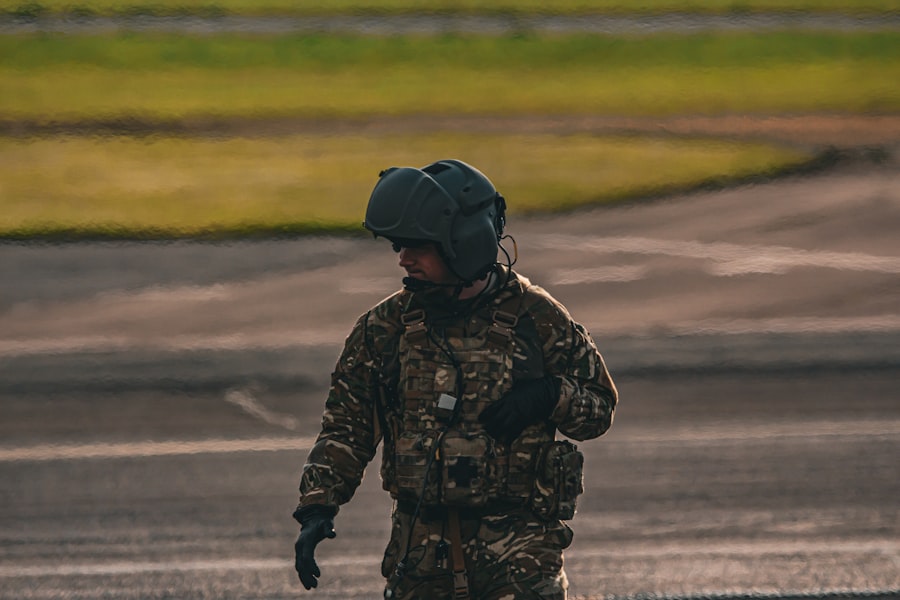
Situational awareness is a cornerstone of effective air combat operations. It involves understanding one’s environment, recognizing potential threats, and anticipating how situations may evolve over time. Pilots must be able to process vast amounts of information quickly while maintaining an awareness of their aircraft’s capabilities and limitations.
Training programs that emphasize situational awareness often incorporate simulation exercises that challenge pilots to assess dynamic environments and make informed decisions rapidly. Decision-making skills are closely tied to situational awareness. In high-pressure scenarios, pilots must weigh options quickly and choose the best course of action based on incomplete or rapidly changing information.
Training that focuses on critical thinking and problem-solving can enhance these skills. By engaging in scenario-based training that requires quick decision-making under stress, pilots can develop the cognitive agility necessary for success in air combat.
Managing Stress and Pressure in Air Combat Scenarios
The ability to manage stress and pressure is essential for pilots operating in high-stakes environments like air combat. Stress management techniques can help pilots maintain composure and focus during intense situations. Techniques such as progressive muscle relaxation, visualization, and controlled breathing can be integrated into training programs to equip pilots with tools for managing stress effectively.
Moreover, creating a supportive training environment where pilots feel comfortable discussing their experiences with stress can foster resilience within the team. Peer support systems can play a crucial role in helping pilots cope with the psychological demands of air combat. By sharing experiences and strategies for managing stress, pilots can learn from one another and develop a collective resilience that enhances overall performance.
Utilizing Visualization and Mental Rehearsal Techniques for Improved Performance
Visualization and mental rehearsal are powerful techniques that can significantly enhance performance in air combat training. By mentally simulating flight scenarios before they occur, pilots can prepare themselves for various outcomes and develop strategies for success. This technique allows them to visualize not only the technical aspects of flying but also their emotional responses to different situations.
Incorporating visualization into training routines can help pilots build confidence and reduce anxiety by familiarizing them with potential challenges they may face during actual missions. Research has shown that mental rehearsal can improve motor skills and decision-making abilities, making it an invaluable tool for enhancing overall performance in air combat scenarios.
Harnessing the Power of Mindfulness in Air Combat Training
Mindfulness practices have gained recognition for their effectiveness in enhancing performance across various fields, including aviation. In air combat training, mindfulness can help pilots cultivate greater awareness of their thoughts, emotions, and physical sensations during flight operations. By focusing on the present moment without judgment, pilots can reduce anxiety and improve concentration.
Training programs that incorporate mindfulness techniques encourage pilots to engage fully with their experiences rather than becoming overwhelmed by stressors or distractions. Mindfulness meditation exercises can be integrated into pre-flight routines or debriefing sessions to help pilots develop a greater sense of calm and clarity when faced with high-pressure situations.
Developing Effective Coping Strategies for Psychological Challenges in Air Combat
To navigate the psychological challenges inherent in air combat effectively, pilots must develop robust coping strategies tailored to their individual needs. These strategies may include seeking social support from peers or mentors, engaging in physical fitness activities to alleviate stress, or utilizing relaxation techniques during downtime. Additionally, fostering a culture of open communication within air combat units can empower pilots to share their experiences and seek help when needed.
By normalizing discussions around mental health and well-being, organizations can create an environment where pilots feel supported in addressing their psychological challenges.
Integrating Psychological Elements into Air Combat Training Programs
The integration of psychological elements into air combat training programs is essential for developing well-rounded aviators capable of thriving under pressure. By recognizing the importance of mental resilience, situational awareness, decision-making skills, and coping strategies, military organizations can create comprehensive training regimens that address both technical proficiency and psychological preparedness. As air combat continues to evolve with advancements in technology and tactics, so too must the approach to pilot training.
Emphasizing psychological elements will not only enhance individual performance but also contribute to mission success on a broader scale. By investing in the mental well-being of pilots through targeted psychological training initiatives, military organizations can ensure they are equipped to face the challenges of modern aerial warfare with confidence and competence.
In the realm of air combat training, understanding the psychological elements that influence pilot performance is crucial for developing effective training programs. A related article that delves into these aspects can be found at com/sample-page/’>this link.
It explores how mental resilience, situational awareness, and stress management play pivotal roles in enhancing the effectiveness of air combat training, ultimately leading to improved outcomes in high-pressure scenarios.
WATCH THIS! 🎬 The Day Speed Died: How One Jet Changed Air Combat Forever
FAQs
What are the key psychological elements involved in air combat training?
Psychological elements in air combat training include situational awareness, stress management, decision-making under pressure, cognitive flexibility, and mental resilience. These factors help pilots maintain focus, adapt to rapidly changing scenarios, and perform effectively during combat.
Why is situational awareness important in air combat training?
Situational awareness allows pilots to understand their environment, including the position of enemy aircraft, terrain, and other critical factors. It is essential for making timely and accurate decisions, avoiding threats, and successfully completing missions.
How does stress affect pilots during air combat training?
Stress can impact a pilot’s cognitive functions, such as attention, memory, and decision-making. Effective air combat training includes techniques to manage stress, helping pilots maintain composure and perform optimally under high-pressure conditions.
What role does decision-making play in air combat training?
Decision-making is crucial in air combat as pilots must quickly assess situations and choose the best course of action. Training focuses on improving rapid, accurate decisions to enhance mission success and pilot safety.
How is mental resilience developed in air combat training?
Mental resilience is developed through exposure to challenging scenarios, stress inoculation, and psychological conditioning. This prepares pilots to recover quickly from setbacks and maintain performance during prolonged or intense combat situations.
Are cognitive skills like attention and memory trained during air combat preparation?
Yes, cognitive skills such as sustained attention, working memory, and multitasking are trained extensively. These skills enable pilots to process complex information, track multiple targets, and execute maneuvers effectively.
Can psychological training improve a pilot’s performance in real combat?
Yes, psychological training enhances a pilot’s ability to handle stress, maintain situational awareness, and make sound decisions, all of which contribute to improved performance and survivability in real combat scenarios.
What methods are used to assess psychological readiness in air combat training?
Methods include simulated combat exercises, cognitive testing, stress exposure training, and psychological evaluations. These assessments help identify strengths and areas for improvement in a pilot’s mental preparedness.
Is teamwork and communication part of the psychological elements in air combat training?
Absolutely. Effective communication and teamwork are critical psychological components, as pilots often operate in coordinated units where sharing information and supporting each other can determine mission success.
How do instructors incorporate psychological elements into air combat training programs?
Instructors integrate psychological elements through realistic simulations, stress management techniques, scenario-based training, and debriefings that focus on cognitive and emotional responses, ensuring pilots develop both technical and mental skills.