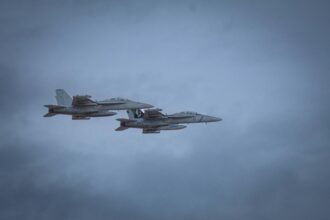
Aerial combat, commonly known as dogfighting, represents a specialized form of military engagement conducted between fighter aircraft at relatively close range. This type of warfare requires pilots to demonstrate proficiency in aircraft handling, tactical decision-making, and situational awareness while operating in three-dimensional airspace at high velocities. The mechanics of aerial combat are governed by fundamental aerodynamic principles.
Aircraft performance depends on the interaction of four primary forces: lift generated by wing surfaces, thrust produced by engines, drag created by air resistance, and weight determined by aircraft mass. Pilots must manipulate these forces through control inputs to achieve optimal positioning, speed, and altitude relative to opposing aircraft during combat maneuvers. Successful aerial combat extends beyond mechanical operation of aircraft systems.
It requires tactical analysis of enemy capabilities, prediction of opponent behavior patterns, and execution of appropriate countermeasures. Pilots must process multiple information sources simultaneously, including radar displays, visual contacts, communication systems, and aircraft instrumentation, while maintaining awareness of airspace boundaries, fuel consumption, and weapon systems status. The compressed timeframe of aerial engagements demands rapid assessment of tactical situations and immediate implementation of appropriate responses to achieve mission objectives.
Key Takeaways
- Master fundamental aerial combat principles to build a strong foundation.
- Use speed, altitude, and positioning strategically to outmaneuver opponents.
- Employ both defensive and offensive maneuvers to survive and dominate dogfights.
- Leverage environmental factors and situational awareness for tactical advantages.
- Consistent training and practice are essential for mastering aerial combat skills.
Maneuvering and Positioning in Dogfights
Effective maneuvering and positioning are crucial elements in the art of dogfighting. Pilots must master a variety of aerial maneuvers to gain an advantageous position over their opponents. This includes techniques such as the barrel roll, Immelmann turn, and split-S maneuver, each designed to change altitude or direction quickly while maintaining control of the aircraft.
The goal is to position oneself behind the enemy aircraft, where they can deliver effective fire while minimizing exposure to incoming attacks. Positioning is not solely about physical location; it also involves understanding the tactical landscape of the engagement. Pilots must be aware of their surroundings, including the altitude, speed, and potential escape routes.
By maintaining a strategic position relative to their opponent, they can exploit weaknesses and capitalize on opportunities as they arise. This requires a combination of skillful flying and keen situational awareness, as even a momentary lapse in judgment can lead to a disadvantageous position.
Utilizing Speed and Altitude to Gain Advantage
In aerial combat, speed and altitude are two critical factors that can significantly influence the outcome of an engagement. Speed allows pilots to close the distance between themselves and their targets quickly or evade incoming threats with rapid acceleration. High-speed maneuvers can create opportunities for surprise attacks or quick escapes, making it essential for pilots to understand how to harness their aircraft’s capabilities effectively.
Altitude also plays a vital role in aerial combat dynamics. Higher altitudes provide pilots with a broader field of vision and greater maneuverability, allowing them to dive on opponents or evade attacks more effectively. Additionally, altitude can be used strategically to gain energy advantages; for instance, a pilot at a higher altitude can execute a dive to gain speed before engaging an enemy.
By mastering the interplay between speed and altitude, pilots can create tactical advantages that can turn the tide in their favor during dogfights.
Mastering Defensive Maneuvers to Evade Attacks
Defensive maneuvers are essential for survival in aerial combat, as they enable pilots to evade enemy fire while maintaining control of their aircraft. Techniques such as barrel rolls, high-G turns, and vertical climbs can help pilots shake off pursuing adversaries or avoid incoming missiles. The key to effective defensive flying lies in anticipating the enemy’s actions and responding with appropriate maneuvers that maximize survivability.
Moreover, defensive tactics often require a delicate balance between evasion and maintaining offensive capabilities. While it is crucial to avoid enemy fire, pilots must also remain aware of opportunities to counterattack. This dual focus on defense and offense requires extensive training and practice, as pilots must develop muscle memory for executing maneuvers under pressure while keeping an eye on potential targets.
Offensive Tactics for Engaging Enemy Aircraft
| Technique | Description | Primary Purpose | Typical Maneuver | Effectiveness Metric |
|---|---|---|---|---|
| Immelmann Turn | A half-loop followed by a half-roll to reverse direction and gain altitude. | Quick reversal and altitude gain | Half loop + half roll | High energy retention, moderate speed loss |
| Split-S | Half-roll followed by a descending half-loop to reverse direction and lose altitude. | Rapid direction change with altitude loss | Half roll + descending half loop | High speed gain, moderate energy loss |
| Barrel Roll Attack | Rolling around the opponent’s flight path to gain a positional advantage. | Positioning for attack | Roll around target’s flight path | Improved firing angle, moderate energy use |
| High Yo-Yo | Climbing turn to reduce closure rate and gain positional advantage. | Energy management and positioning | Climbing turn above opponent | Energy gain, better angle of attack |
| Low Yo-Yo | Diving turn to increase closure rate and cut inside opponent’s turn. | Closing distance quickly | Diving turn below opponent | Speed gain, risk of overshoot |
| Lag Displacement Roll | Rolling away from opponent’s line of fire to avoid attack. | Evasion and defensive positioning | Roll away from attacker | Increased survivability, energy neutral |
| Scissors Maneuver | Series of tight turns to force overshoot and gain firing position. | Close-range positional advantage | Alternating tight turns | High maneuvering stress, energy intensive |
When it comes to engaging enemy aircraft, offensive tactics are paramount for achieving victory in aerial combat. Pilots must employ a range of strategies designed to outsmart and outmaneuver their opponents while delivering effective firepower. One common tactic is the use of lead pursuit, where pilots aim ahead of an enemy aircraft’s flight path to account for its speed and direction.
This requires precise calculations and quick reflexes to ensure that shots are on target.
Pilots may use deceptive maneuvers or feints to lure opponents into vulnerable positions before striking decisively.
The element of surprise can be a game-changer in dogfights, allowing skilled pilots to exploit openings that less experienced adversaries might overlook. By mastering offensive tactics, pilots can increase their chances of success in aerial engagements.
Using Environmental Factors to Your Advantage
The environment plays a significant role in aerial combat, influencing everything from visibility to maneuverability. Pilots must be adept at using environmental factors such as weather conditions, terrain features, and time of day to gain an edge over their opponents. For instance, flying at lower altitudes during overcast conditions can provide cover from enemy radar while allowing for surprise attacks against unsuspecting targets.
Terrain can also be leveraged strategically; flying close to mountains or other obstacles can create opportunities for ambushes or evasive maneuvers that confuse enemy pilots. Additionally, understanding how wind patterns affect flight performance can help pilots optimize their maneuvers during engagements. By incorporating environmental factors into their tactical planning, pilots can enhance their effectiveness in aerial combat scenarios.
Developing Situational Awareness in Dogfights
Situational awareness is a critical skill for pilots engaged in aerial combat. It involves being acutely aware of one’s surroundings, including the positions of enemy aircraft, potential threats, and available escape routes. Developing situational awareness requires constant vigilance and the ability to process information quickly while under pressure.
Pilots must train themselves to scan their environment continuously, using visual cues and instruments to maintain an accurate understanding of the battlefield. Moreover, situational awareness extends beyond immediate surroundings; it also encompasses an understanding of the broader tactical picture. Pilots must be able to anticipate enemy movements based on previous engagements and adjust their strategies accordingly.
This level of awareness allows them to make informed decisions about when to engage or disengage from combat, ultimately increasing their chances of survival and success in dogfights.
Perfecting Aerial Gunmanship and Targeting
Aerial gunmanship is an essential skill for pilots engaged in dogfights, as it directly impacts their ability to hit enemy aircraft effectively. Mastering targeting techniques involves understanding the mechanics of firing weapons while in motion, accounting for factors such as speed, distance, and lead time. Pilots must develop precision aiming skills that allow them to strike moving targets accurately while navigating complex aerial maneuvers.
Training in aerial gunmanship often includes simulations that replicate real-world scenarios, allowing pilots to practice targeting under various conditions. This training helps them build muscle memory for firing weapons while maneuvering their aircraft simultaneously. Additionally, understanding the capabilities and limitations of different weapon systems is crucial; pilots must know when to engage with guns versus missiles based on situational factors.
Strategies for Engaging Multiple Enemy Aircraft
Engaging multiple enemy aircraft presents unique challenges that require strategic thinking and quick decision-making. Pilots must prioritize targets based on threat levels and potential vulnerabilities while maintaining situational awareness of all adversaries involved in the engagement.
Coordination with wingmen is also vital when facing multiple enemies. Effective communication allows pilots to share information about enemy positions and coordinate attacks more efficiently. By working together as a team, pilots can create opportunities for flanking maneuvers or distractions that enable them to engage multiple targets successfully without becoming overwhelmed.
Anticipating and Countering Enemy Tactics
Anticipating enemy tactics is a crucial aspect of aerial combat that can significantly influence the outcome of engagements. Experienced pilots develop an intuitive sense for predicting how opponents will react based on previous encounters or established patterns of behavior. This foresight allows them to counter enemy tactics effectively by employing strategies designed specifically to exploit weaknesses.
Countering enemy tactics often involves adapting one’s own approach based on real-time observations during engagements. For instance, if an opponent consistently uses high-speed dives to attack from above, a pilot might choose to employ defensive maneuvers that capitalize on this predictable behavior. By staying one step ahead of adversaries through careful observation and analysis, pilots can enhance their chances of success in aerial combat scenarios.
Training and Practice for Aerial Combat Mastery
Achieving mastery in aerial combat requires rigorous training and practice over time. Pilots undergo extensive flight training programs that encompass both theoretical knowledge and practical skills development. Simulators play a crucial role in this training process, allowing pilots to experience various combat scenarios without the risks associated with real-world engagements.
Regular practice is essential for honing skills such as maneuvering, targeting, and situational awareness under pressure. Many military organizations emphasize continuous training even after initial qualifications are achieved; this ensures that pilots remain sharp and adaptable in an ever-evolving battlefield landscape. Ultimately, dedication to training and a commitment to lifelong learning are key components in developing expertise in aerial combat mastery.
In conclusion, aerial combat is a multifaceted discipline that demands a combination of technical skill, strategic thinking, and situational awareness from pilots engaged in dogfights. By understanding the basics of aerial combat, mastering maneuvering techniques, utilizing speed and altitude effectively, employing defensive strategies, perfecting gunmanship skills, leveraging environmental factors, developing situational awareness, engaging multiple enemies strategically, anticipating opponent tactics, and committing to rigorous training practices—pilots can enhance their effectiveness in this high-stakes arena where split-second decisions determine success or failure.
Aerial combat tactics, particularly dogfighting techniques, have evolved significantly over the years, adapting to advancements in technology and changes in warfare strategy. For a deeper understanding of these tactics and their historical context, you can explore the article on aerial combat strategies at In The War Room. This resource provides valuable insights into the principles of dogfighting and the various maneuvers that pilots employ to gain the upper hand in aerial engagements.
WATCH THIS! 🎬 The Day Speed Died: How One Jet Changed Air Combat Forever
FAQs
What is aerial combat or dogfighting?
Aerial combat, commonly known as dogfighting, refers to close-range aerial battles between fighter aircraft. It involves maneuvering and tactics to gain a positional advantage over an opponent to successfully engage and neutralize them.
What are the basic dogfighting techniques?
Basic dogfighting techniques include maneuvers such as the Immelmann turn, Split-S, barrel roll, scissors, and high-G turns. These maneuvers help pilots evade enemy fire, gain a tactical position, or force the opponent into a vulnerable state.
What role does situational awareness play in aerial combat?
Situational awareness is critical in aerial combat. Pilots must constantly monitor their surroundings, including enemy positions, altitude, speed, and fuel levels, to make informed tactical decisions and avoid being surprised or outmaneuvered.
How do pilots gain an advantage in dogfighting?
Pilots gain an advantage by using superior maneuvering, speed, altitude, and energy management. They aim to position themselves behind or above the opponent, where they can fire weapons effectively while minimizing exposure to enemy fire.
What is energy management in dogfighting?
Energy management refers to controlling an aircraft’s speed and altitude to maintain the ability to maneuver effectively. Pilots balance kinetic energy (speed) and potential energy (altitude) to stay agile and avoid becoming an easy target.
Are modern dogfighting tactics different from those used in World War II?
Yes, modern dogfighting tactics have evolved due to advances in technology such as radar, missiles, and avionics. However, fundamental principles like positioning, energy management, and situational awareness remain important.
What types of weapons are used in aerial dogfights?
Weapons used in dogfighting include machine guns, autocannons, and short-range air-to-air missiles. Modern aircraft may also use helmet-mounted sights and infrared-guided missiles to improve targeting during close combat.
Can dogfighting still occur in modern air warfare?
While long-range missile engagements are common today, dogfighting can still occur, especially if missiles miss or in close combat scenarios. Pilots are trained in dogfighting techniques to prepare for such situations.
What training do pilots undergo for aerial combat?
Pilots undergo rigorous training that includes simulated dogfights, tactical exercises, and learning advanced maneuvers. Training emphasizes quick decision-making, precision flying, and teamwork to succeed in aerial combat.
How important is teamwork in aerial combat tactics?
Teamwork is vital in aerial combat. Coordinated tactics between wingmen can help cover blind spots, trap opponents, and increase overall combat effectiveness, improving the chances of mission success and pilot survival.