In air combat operations, the kill ratio represents a quantitative measure used to assess air force performance by comparing the number of enemy aircraft destroyed to friendly aircraft losses.
Kill ratios are influenced by multiple factors including pilot training quality, aircraft technological capabilities, tactical procedures, and mission planning effectiveness.
Air forces with higher kill ratios typically demonstrate advantages in these areas, which can affect enemy decision-making and operational planning. Military organizations use kill ratio data for strategic planning purposes, including budget allocation for aircraft acquisition, pilot training program development, and tactical doctrine refinement. Analysis of kill ratio trends helps identify areas requiring improvement and informs decisions about equipment upgrades and training modifications.
Air force leadership relies on this metric, alongside other performance indicators, to assess unit readiness and develop strategies for maintaining air superiority capabilities.
Key Takeaways
- Kill ratio is a critical metric for measuring success and survival in air combat.
- TOPGUN training has evolved to incorporate advanced techniques and technology to improve pilot performance.
- Psychological resilience, teamwork, and communication are essential factors in enhancing kill ratio.
- Simulated combat exercises and physical fitness play a significant role in preparing pilots for real engagements.
- Leadership, decision-making, and continuous innovation are key to the future success of TOPGUN training and kill ratio improvement.
History and Mission of TOPGUN Training
TOPGUN, officially known as the United States Navy Fighter Weapons School, was established in 1969 in response to the dismal performance of U.S. Navy pilots during the Vietnam War. The mission of TOPGUN was clear: to enhance the combat capabilities of naval aviators by providing them with advanced training in air-to-air combat tactics.
The program was born out of necessity, as U.S. forces faced significant challenges against agile enemy aircraft, leading to a need for improved tactics and strategies. The initial focus of TOPGUN was on dogfighting techniques, emphasizing the importance of maneuverability and situational awareness in aerial engagements.
Over time, the program evolved to incorporate a broader range of skills, including advanced weaponry systems and multi-role combat scenarios. The mission of TOPGUN has always been to ensure that U.S. naval aviators are not only proficient in flying their aircraft but also adept at making quick decisions under pressure, ultimately leading to improved kill ratios in combat situations.
The Evolution of TOPGUN Training Techniques
Since its inception, TOPGUN has undergone significant transformations in its training techniques to adapt to the changing landscape of aerial warfare. Initially focused on one-on-one dogfighting scenarios, the program has expanded to include complex multi-aircraft engagements and joint operations with other branches of the military. This evolution reflects the increasing complexity of modern air combat, where pilots must navigate a myriad of variables, including advanced enemy tactics and sophisticated weaponry.
One notable advancement in TOPGUN training techniques is the integration of simulation technology. High-fidelity simulators allow pilots to experience realistic combat scenarios without the risks associated with live flight training. These simulators provide invaluable opportunities for pilots to practice decision-making and tactical maneuvers in a controlled environment, enhancing their readiness for real-world engagements.
As air combat continues to evolve, so too does TOPGUN’s commitment to refining its training methodologies to ensure that pilots remain at the forefront of aerial warfare.
The Role of Technology in Improving Kill Ratio
Technology plays an indispensable role in enhancing kill ratios in air combat. The advent of advanced avionics, radar systems, and weaponry has transformed the capabilities of modern fighter jets, allowing pilots to engage enemies from greater distances with increased accuracy. These technological advancements have not only improved the lethality of aircraft but have also provided pilots with critical situational awareness that is essential for making informed decisions during combat.
Furthermore, data analytics and artificial intelligence are increasingly being integrated into air combat strategies. By analyzing vast amounts of data from previous engagements, military strategists can identify patterns and develop tactics that maximize kill ratios. This data-driven approach enables pilots to anticipate enemy movements and respond more effectively during engagements.
As technology continues to advance, its role in improving kill ratios will only become more pronounced, shaping the future of aerial warfare.
The Psychological and Emotional Aspects of Air Combat
| Metric | Pre-TOPGUN Training | Post-TOPGUN Training | Improvement (%) |
|---|---|---|---|
| Kill Ratio | 2.5:1 | 12.5:1 | 400% |
| Engagement Success Rate | 40% | 85% | 112.5% |
| Survivability Rate | 60% | 90% | 50% |
| Average Time to Kill (seconds) | 30 | 15 | 50% |
| Pilot Confidence Level (scale 1-10) | 5 | 9 | 80% |
The psychological and emotional dimensions of air combat are often overlooked yet play a crucial role in determining outcomes during engagements. Pilots face immense pressure as they navigate high-stakes situations where split-second decisions can mean the difference between life and death. The mental fortitude required to remain calm under fire is essential for maintaining focus and executing complex maneuvers effectively.
Moreover, the emotional toll of combat can impact a pilot’s performance long after they leave the cockpit. Experiences such as witnessing the loss of comrades or engaging in intense dogfights can lead to psychological challenges like post-traumatic stress disorder (PTSD). Recognizing these factors is vital for military organizations as they seek to support their personnel through comprehensive mental health programs that address both the immediate and long-term effects of combat experiences.
The Importance of Teamwork and Communication in Enhancing Kill Ratio
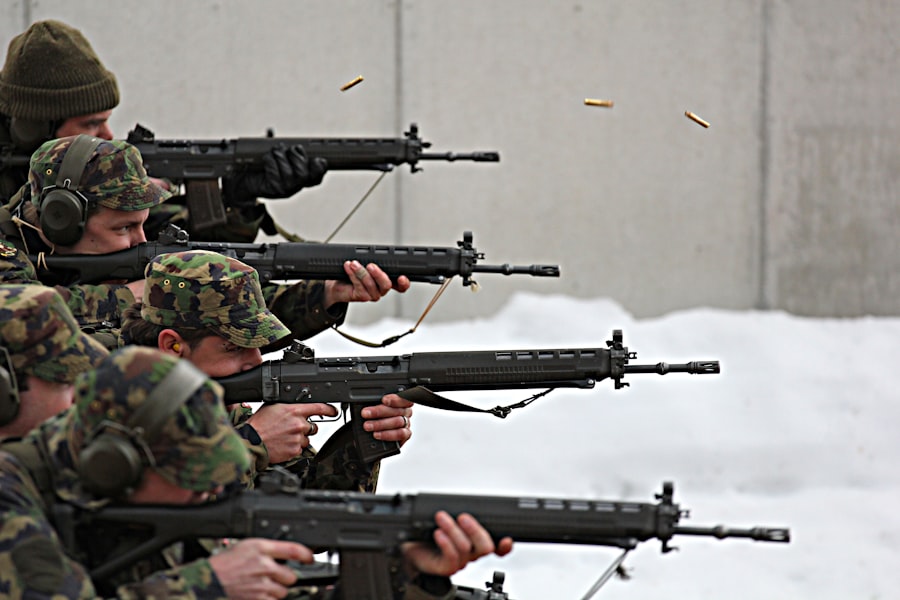
In air combat, teamwork and communication are paramount for achieving high kill ratios. Modern aerial engagements often involve multiple aircraft operating in concert, necessitating seamless coordination among pilots and ground support teams. Effective communication ensures that all members are aware of their roles and responsibilities during missions, allowing them to respond swiftly to changing circumstances.
Training programs like TOPGUN emphasize the importance of building cohesive teams that can operate effectively under pressure. Through exercises that simulate real-world scenarios, pilots learn to trust one another’s instincts and capabilities, fostering an environment where collaboration becomes second nature. This emphasis on teamwork not only enhances individual performance but also contributes significantly to overall mission success and improved kill ratios.
Physical Fitness and Mental Preparedness in Air Combat
Physical fitness is a cornerstone of effective performance in air combat. Pilots must maintain peak physical condition to endure the rigors of flight, including high G-forces and extended periods of concentration. A well-conditioned body enhances endurance and reaction times, allowing pilots to perform complex maneuvers with precision during engagements.
Equally important is mental preparedness. Pilots undergo rigorous training that includes not only technical skills but also mental conditioning exercises designed to enhance focus and decision-making abilities under stress. Techniques such as visualization and stress management are integral components of pilot training programs, equipping them with tools to maintain composure during high-pressure situations.
Together, physical fitness and mental preparedness create a formidable combination that significantly contributes to improved kill ratios in air combat.
The Impact of Simulated Combat Exercises on Kill Ratio
Simulated combat exercises have revolutionized pilot training by providing realistic environments where aviators can hone their skills without the risks associated with live flight operations. These simulations allow pilots to engage in various scenarios that mimic real-world combat situations, enabling them to practice tactics and refine their decision-making processes. The impact of these exercises on kill ratios is profound.
By repeatedly engaging in simulated dogfights and multi-aircraft scenarios, pilots develop muscle memory and instinctual responses that translate into improved performance during actual engagements. Furthermore, simulations facilitate debriefing sessions where pilots can analyze their actions and learn from mistakes, fostering a culture of continuous improvement that ultimately enhances overall effectiveness in combat.
The Role of Leadership and Decision-Making in Air Combat
Leadership plays a pivotal role in air combat operations, influencing both individual pilot performance and overall mission success. Effective leaders instill confidence in their teams, fostering an environment where pilots feel empowered to make critical decisions during high-pressure situations. The ability to lead by example is essential; experienced leaders who demonstrate sound judgment can inspire younger pilots to emulate their decision-making processes.
Decision-making in air combat is often characterized by time constraints and uncertainty. Leaders must be adept at assessing rapidly changing situations while considering the strengths and weaknesses of their team members. Training programs like TOPGUN emphasize leadership development alongside tactical skills, ensuring that future generations of pilots are equipped not only with technical expertise but also with the leadership qualities necessary for success in aerial warfare.
Case Studies of Successful Kill Ratio Enhancements
Examining historical case studies provides valuable insights into successful strategies for enhancing kill ratios in air combat. One notable example is the U.S. Navy’s performance during Operation Desert Storm in 1991.
S. forces achieved an impressive kill ratio against Iraqi aircraft, demonstrating the effectiveness of their preparation and tactics. Another case study worth noting is Israel’s air force during the Yom Kippur War in 1973.
Despite initial setbacks, Israeli pilots adapted quickly by employing innovative tactics learned from previous conflicts. Their ability to leverage teamwork and communication led to significant improvements in their kill ratio as the war progressed. These examples underscore the importance of continuous learning and adaptation in achieving success in air combat.
The Future of TOPGUN Training and Kill Ratio Enhancement
As aerial warfare continues to evolve with advancements in technology and changing geopolitical landscapes, the future of TOPGUN training will likely reflect these shifts. Emphasis on integrating artificial intelligence into training programs may become more pronounced, allowing for more personalized learning experiences tailored to individual pilot needs. Additionally, as unmanned aerial vehicles (UAVs) become increasingly prevalent in military operations, TOPGUN may expand its curriculum to include training on how manned aircraft can effectively operate alongside drones in combat scenarios.
This evolution will be crucial for maintaining high kill ratios as air forces adapt to new challenges on the battlefield. In conclusion, enhancing kill ratios remains a multifaceted endeavor that encompasses various elements ranging from technology and teamwork to psychological preparedness and leadership development. As TOPGUN continues to refine its training methodologies in response to emerging trends, it will play an essential role in shaping the future landscape of air combat effectiveness.
TOPGUN training has long been recognized for its effectiveness in improving kill ratios among fighter pilots. A related article that delves deeper into the methodologies and success stories of this elite program can be found at In The War Room. This resource provides valuable insights into the rigorous training techniques and tactical simulations that contribute to the enhanced performance of pilots in combat scenarios.
WATCH THIS! 🎬 The Day Speed Died: How One Jet Changed Air Combat Forever
FAQs
What is TOPGUN training?
TOPGUN training refers to the United States Navy Strike Fighter Tactics Instructor program, which is an advanced tactical training course designed to improve the air combat skills of naval aviators. It focuses on teaching pilots advanced dogfighting techniques, situational awareness, and tactics to increase their effectiveness in aerial combat.
How does TOPGUN training improve kill ratios?
TOPGUN training improves kill ratios by providing pilots with rigorous, realistic combat training that enhances their flying skills, tactical decision-making, and teamwork. The program emphasizes understanding enemy tactics, mastering aircraft capabilities, and practicing simulated combat scenarios, which collectively increase a pilot’s ability to successfully engage and defeat adversaries.
Who participates in TOPGUN training?
TOPGUN training is primarily attended by experienced naval aviators selected from the U.S. Navy and Marine Corps. These pilots are typically instructors or frontline combat aviators who have demonstrated exceptional flying skills and are chosen to become tactics instructors or to improve their combat proficiency.
What aircraft are used in TOPGUN training?
TOPGUN training primarily uses the Navy’s frontline fighter aircraft, such as the F/A-18 Hornet and F/A-18E/F Super Hornet. The program also incorporates adversary aircraft, which simulate enemy fighters, to provide realistic training scenarios.
How long is the TOPGUN training course?
The TOPGUN training course typically lasts about 6 to 8 weeks. During this time, pilots undergo intensive classroom instruction, simulator sessions, and live-flight training exercises designed to enhance their air combat skills.
Is TOPGUN training only for Navy pilots?
While TOPGUN is a U.S. Navy program, pilots from the U.S. Marine Corps and occasionally allied nations may also attend the training. The program’s primary focus is on Navy and Marine Corps strike fighter pilots.
What impact has TOPGUN training had on combat performance?
TOPGUN training has been credited with significantly improving the kill-to-loss ratio of U.S. Navy fighter pilots, especially noted during the Vietnam War era. The program’s emphasis on advanced tactics and realistic training has contributed to enhanced pilot survivability and combat effectiveness.
Can TOPGUN training techniques be applied outside of military aviation?
Many principles from TOPGUN training, such as situational awareness, decision-making under pressure, and teamwork, are applicable in various fields beyond military aviation. However, the specific aerial combat tactics are unique to fighter pilot training.