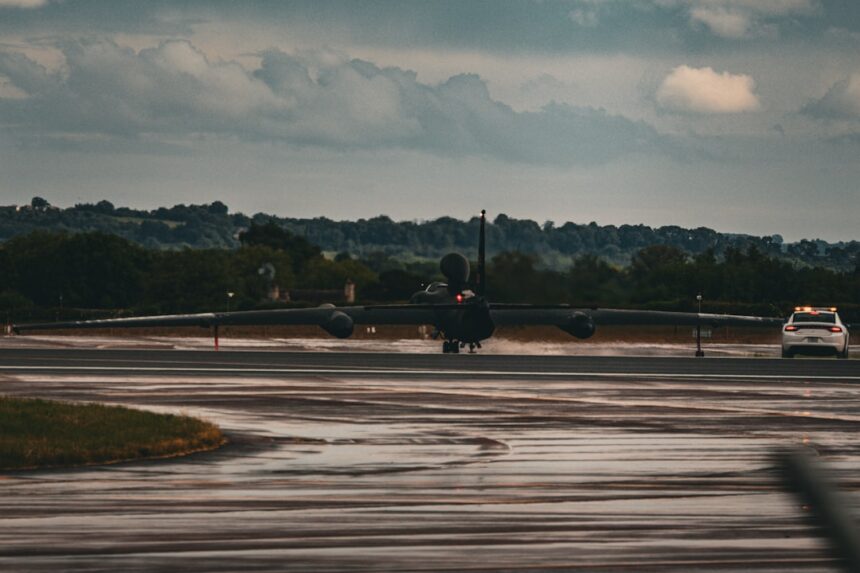
The history of military aviation is characterized by technological advancement and strategic evolution, beginning in the early 20th century. Following the Wright brothers’ pioneering powered flight in 1903, aircraft rapidly developed from experimental machines to crucial military assets. By World War I, planes were actively employed for reconnaissance and combat operations, with nations recognizing their strategic value and accelerating fighter and bomber development.
The interwar period (1918-1939) saw substantial technological progress in aircraft design and capabilities. World War II then demonstrated the decisive role of air power in modern warfare, with long-range bombers and advanced fighter aircraft significantly influencing battle outcomes. The conflict established air superiority as a critical military objective, as combat extended beyond traditional land and sea domains into aerial battlespaces.
This period cemented military aviation as an essential component of national defense frameworks globally.
Key Takeaways
- Military aviation has evolved significantly from its early history to modern advanced technologies.
- Sky warriors’ stories highlight both technological innovation and human experiences in warfare.
- Documentary filmmaking reveals the challenges and behind-the-scenes efforts in capturing military aviation.
- Military aviation plays a crucial role in national defense and has a global strategic impact.
- The legacy of military aviation continues to shape future developments and warfare tactics.
The Evolution of Sky Warriors
The evolution of sky warriors reflects a broader narrative of human ingenuity and adaptation in the face of changing warfare dynamics. Initially, pilots were often seen as mere extensions of ground forces, tasked with reconnaissance missions or providing support to troops below. However, as aerial combat became more sophisticated, the role of pilots transformed dramatically.
They evolved into elite warriors, trained to engage in dogfights and execute complex bombing runs with precision and skill. The introduction of jet technology in the mid-20th century marked another significant turning point in the evolution of sky warriors. Jets offered unprecedented speed and agility, allowing pilots to engage in high-stakes aerial battles at altitudes previously thought unattainable.
This shift not only changed the tactics employed by air forces but also necessitated a new level of training and expertise among pilots.
Behind the Scenes of Documentary Storytelling
Documentary storytelling about military aviation serves as a powerful medium for conveying the complexities and nuances of this fascinating subject. Behind the scenes, filmmakers face numerous challenges in capturing the essence of sky warriors and their experiences. Research is paramount; understanding the historical context, technological advancements, and personal stories of pilots requires extensive investigation.
Filmmakers often collaborate with historians, veterans, and aviation experts to ensure accuracy and authenticity in their narratives. Moreover, the emotional weight of military aviation stories cannot be understated. Documentaries strive to humanize the pilots and crew members who risk their lives in service to their countries.
Through interviews, archival footage, and reenactments, filmmakers aim to create a connection between viewers and the individuals behind the cockpit. This storytelling approach not only educates audiences about the technical aspects of military aviation but also highlights the sacrifices made by those who serve, fostering a deeper appreciation for their contributions.
The Impact of Military Aviation on Warfare
The impact of military aviation on warfare has been profound and far-reaching. From its inception, aerial capabilities have altered strategic planning and execution on a global scale.
Furthermore, air power has often been a game-changer in conflicts, enabling forces to strike swiftly and decisively against enemy positions. In modern warfare, the significance of military aviation continues to grow. The advent of unmanned aerial vehicles (UAVs) has revolutionized combat operations, allowing for surveillance and targeted strikes without putting pilots at risk.
This shift has raised ethical questions about warfare’s future and the implications of remote engagement. As nations invest heavily in advanced aerial technologies, the landscape of military conflict is likely to evolve further, with air power remaining a central pillar of national defense strategies.
The Technology of Sky Warriors
| Metric | Description | Example Data |
|---|---|---|
| Average Documentary Length | Typical runtime of military aviation documentaries | 60 minutes |
| Primary Storytelling Techniques | Common narrative methods used | Interviews, archival footage, reenactments |
| Audience Engagement Rate | Percentage of viewers who watch the entire documentary | 75% |
| Historical Accuracy Score | Expert rating on factual correctness (out of 10) | 8.5 |
| Use of Technical Jargon | Frequency of specialized aviation terms per 10 minutes | 15 terms |
| Emotional Impact Rating | Viewer-reported emotional engagement (scale 1-10) | 7.8 |
| Number of Featured Aircraft Models | Count of different aircraft types highlighted | 12 |
| Use of Veteran Interviews | Percentage of documentaries including firsthand accounts | 65% |
The technology behind military aviation has advanced at an astonishing pace over the last century. Early aircraft were rudimentary by today’s standards, often constructed from wood and fabric with limited capabilities. However, as engineering techniques improved and materials science evolved, aircraft became faster, more durable, and equipped with sophisticated avionics systems.
The introduction of radar technology during World War II marked a significant leap forward, allowing for better detection and tracking of enemy aircraft. In recent decades, stealth technology has emerged as a game-changer in military aviation. Aircraft designed with stealth capabilities can evade radar detection, providing a strategic advantage during missions.
Additionally, advancements in weaponry have transformed how air forces engage targets from above. Precision-guided munitions have replaced traditional bombs, allowing for more accurate strikes while minimizing collateral damage. As technology continues to evolve, military aviation will likely see further innovations that enhance operational effectiveness and redefine aerial combat.
The Human Stories of Sky Warriors
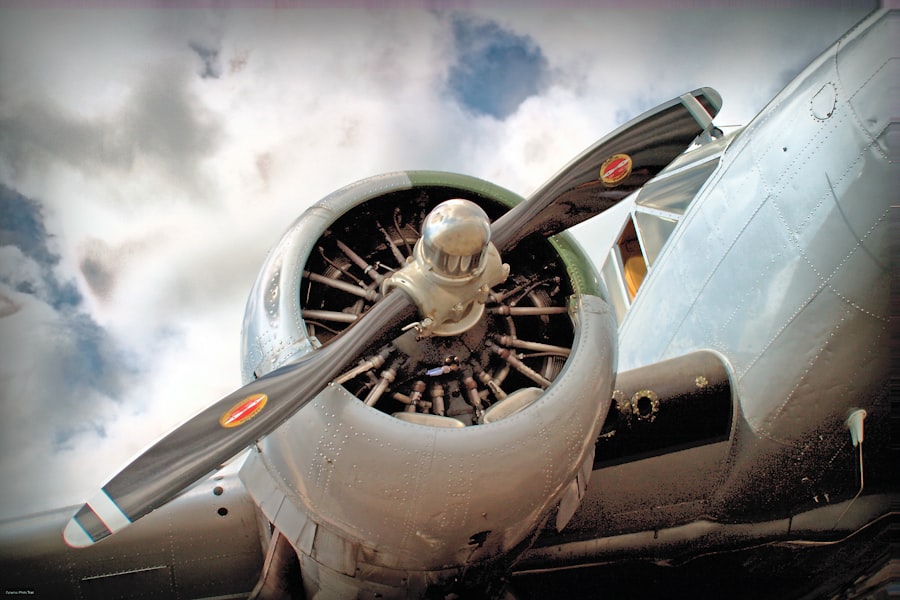
At the heart of military aviation are the human stories that define the experiences of sky warriors. Each pilot carries with them a unique narrative shaped by personal sacrifice, courage, and resilience. Many have faced harrowing situations that test their limits both physically and mentally.
These stories often highlight not only their triumphs but also their struggles with fear, loss, and the psychological toll of combat. Documentaries that focus on these human stories provide audiences with an intimate glimpse into the lives of those who serve in military aviation. Through personal accounts and interviews, viewers gain insight into what it means to be a pilot—how they prepare for missions, cope with the pressures of combat, and navigate relationships with family and fellow service members.
These narratives serve to honor their sacrifices while fostering empathy and understanding among those who may never experience such challenges firsthand.
The Challenges of Filming Military Aviation
Filming military aviation presents unique challenges that require careful planning and execution. One significant hurdle is gaining access to military installations and aircraft for filming purposes. Filmmakers must navigate bureaucratic processes and security protocols to obtain permission to capture footage that accurately represents military operations.
This often involves collaboration with military personnel who can provide insights into operational procedures while ensuring safety during filming. Additionally, capturing aerial maneuvers poses technical challenges for filmmakers. High-speed jets performing complex maneuvers demand specialized equipment and expertise to film effectively.
Drones have become increasingly popular for capturing aerial footage; however, they must be operated within strict regulations to avoid interference with military operations. Balancing artistic vision with logistical constraints is essential for creating compelling documentaries that resonate with audiences while remaining true to the realities of military aviation.
The Future of Military Aviation
The future of military aviation is poised for transformative changes driven by technological advancements and evolving geopolitical landscapes. As nations continue to invest in research and development, innovations such as artificial intelligence (AI) are expected to play a significant role in shaping aerial combat strategies. AI can enhance decision-making processes by analyzing vast amounts of data in real-time, allowing for quicker responses during missions.
Moreover, the integration of hypersonic technology is on the horizon, promising speeds that could redefine air combat dynamics. Hypersonic vehicles capable of traveling at speeds exceeding Mach 5 could potentially evade current missile defense systems, altering how nations approach aerial warfare. As these technologies develop, military aviation will likely become even more complex and multifaceted, requiring continuous adaptation from both personnel and strategies.
The Role of Military Aviation in National Defense
Military aviation plays a crucial role in national defense strategies across the globe. Air power serves as a deterrent against potential adversaries while providing rapid response capabilities during crises or conflicts. Nations recognize that maintaining a robust air force is essential for safeguarding sovereignty and protecting national interests.
Furthermore, military aviation extends beyond traditional combat roles; it encompasses humanitarian missions, disaster relief efforts, and peacekeeping operations. Aircraft are often deployed to deliver aid during natural disasters or provide support in conflict zones where ground access may be limited. This multifaceted role underscores the importance of military aviation not only as a tool for warfare but also as a means of promoting stability and security on a global scale.
The Global Reach of Sky Warriors
The global reach of sky warriors reflects the interconnectedness of modern military operations. As conflicts arise around the world, nations increasingly rely on their air forces to project power beyond their borders. Joint exercises between allied countries demonstrate how military aviation fosters collaboration among nations while enhancing interoperability during joint missions.
Moreover, international partnerships have led to advancements in training programs and technology sharing among allied forces. Countries recognize that collective security is paramount in addressing global threats such as terrorism or regional instability. The ability to deploy air assets rapidly across vast distances has become a cornerstone of modern military strategy, emphasizing the importance of maintaining a strong presence in key regions worldwide.
The Legacy of Military Aviation
The legacy of military aviation is one marked by innovation, sacrifice, and an enduring commitment to excellence in service. From its humble beginnings to its current status as a cornerstone of national defense strategies worldwide, military aviation has shaped not only warfare but also technological advancements that benefit civilian sectors. As history continues to unfold, the stories of sky warriors will remain etched in collective memory—reminders of bravery amidst adversity and the relentless pursuit of progress in an ever-changing world.
Documentaries that capture these narratives serve as vital conduits for understanding this legacy while honoring those who have dedicated their lives to serving in the skies above.
Military aviation documentary storytelling often delves into the intricate narratives of bravery, technology, and history that shape our understanding of aerial warfare. A compelling resource for those interested in this genre is the article found on In The War Room, which explores various aspects of military aviation and its impact on modern warfare. For more insights, you can read the article [here](https://www.inthewarroom.com/).
WATCH THIS! 🎬 The Day Speed Died: How One Jet Changed Air Combat Forever
FAQs
What is military aviation documentary storytelling?
Military aviation documentary storytelling is the practice of creating documentary films or series that focus on the history, technology, missions, and personal experiences related to military aircraft and aviation units. These documentaries aim to educate and inform viewers about the role of aviation in military operations.
What topics are commonly covered in military aviation documentaries?
Common topics include the development and evolution of military aircraft, significant air battles and campaigns, profiles of pilots and crew members, technological advancements, training programs, and the strategic importance of air power in warfare.
How do filmmakers gather information for military aviation documentaries?
Filmmakers typically use a combination of archival footage, interviews with veterans and experts, official military records, declassified documents, and on-location filming at airbases or museums to gather accurate and compelling information.
Why is storytelling important in military aviation documentaries?
Storytelling helps to humanize the technical and historical aspects of military aviation by focusing on personal experiences, challenges, and achievements. It engages viewers emotionally and intellectually, making complex subjects more accessible and memorable.
Are military aviation documentaries historically accurate?
Reputable military aviation documentaries strive for historical accuracy by consulting experts, using verified sources, and cross-referencing information. However, some creative liberties may be taken for narrative flow or dramatic effect, so viewers should consider multiple sources for comprehensive understanding.
Who are the typical audiences for military aviation documentaries?
Audiences often include military enthusiasts, historians, aviation professionals, students, veterans, and general viewers interested in history, technology, and military affairs.
Where can one watch military aviation documentaries?
Military aviation documentaries can be found on streaming platforms, television channels specializing in history or military content, educational websites, museums, and sometimes on official military or aviation organization websites.
What impact do military aviation documentaries have on public understanding?
These documentaries increase public awareness of the complexities and significance of military aviation, honor the service of military personnel, and preserve historical knowledge for future generations. They can also inspire interest in aviation careers and military history.