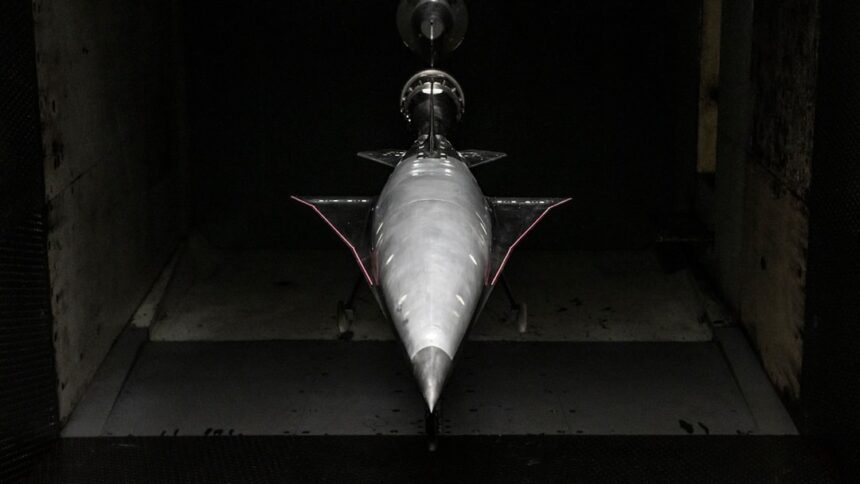
The AIM-7 Sparrow is a medium-range, semi-active radar-guided air-to-air missile developed by the United States during the 1950s. The missile utilizes semi-active radar homing, requiring the launching aircraft to maintain radar lock on the target throughout the missile’s flight until impact. With an operational range of approximately 30 nautical miles, the AIM-7 was designed to engage enemy aircraft beyond visual range.
The missile measures 12 feet in length, weighs approximately 500 pounds, and carries a 90-pound continuous-rod warhead. It employs a solid-fuel rocket motor and can reach speeds of Mach 4.
First entering service in 1958, the AIM-7 Sparrow has been widely exported and integrated into fighter aircraft including the F-4 Phantom II, F-15 Eagle, F-16 Fighting Falcon, and F/A-18 Hornet. The missile has seen extensive combat use in conflicts including the Vietnam War, Arab-Israeli conflicts, Iran-Iraq War, and Gulf War. Performance assessments have shown mixed results, with success rates varying significantly depending on engagement conditions, aircraft platforms, and operational circumstances.
Modern air combat environments present challenges for the AIM-7’s semi-active guidance system, as it requires continuous illumination from the launching aircraft’s radar, limiting the pilot’s tactical flexibility compared to active radar-guided missiles like the AIM-120 AMRAAM, which has largely replaced the AIM-7 in U.S. service.
Key Takeaways
- The AIM-7 Sparrow is a radar-guided air-to-air missile with a long operational history.
- Technical specifications highlight its semi-active radar homing and medium-range capabilities.
- Reliability issues have been reported, affecting its performance in recent military operations.
- Efforts are underway to improve the missile’s reliability through upgrades and testing.
- Comparisons with other missiles and expert opinions suggest the need for modernization or replacement.
History of the AIM-7 Sparrow Missile
The AIM-7 Sparrow missile was first developed in the late 1940s and early 1950s as part of the United States’ efforts to enhance its air-to-air combat capabilities. Initially conceived as a response to the growing threat posed by enemy aircraft, the missile underwent several iterations before achieving operational status in the early 1960s. The AIM-7 was designed to be launched from various platforms, including fighter jets and naval vessels, which contributed to its widespread adoption across different branches of the military.
Throughout its history, the AIM-7 Sparrow has seen numerous upgrades and modifications to improve its performance and adaptability. The missile’s design evolved to incorporate advancements in radar technology and guidance systems, allowing it to engage a wider range of targets under various conditions. Its deployment during significant conflicts, such as the Vietnam War and the Gulf War, showcased its capabilities and limitations, leading to valuable lessons that informed subsequent developments in air-to-air missile technology.
Technical Specifications of the AIM-7 Sparrow Missile

The AIM-7 Sparrow missile boasts a range of technical specifications that highlight its capabilities as an air-to-air weapon. With a length of approximately 12 feet and a wingspan of about 3 feet, the missile is designed for optimal aerodynamics and maneuverability. Weighing around 500 pounds, it is equipped with a high-explosive warhead that can effectively destroy enemy aircraft upon impact.
The missile’s guidance system relies on semi-active radar homing, which requires the launching aircraft to illuminate the target with radar until the missile reaches its target. One of the key features of the AIM-7 Sparrow is its operational range, which can extend up to 50 miles under ideal conditions. This range allows pilots to engage enemy aircraft from a safe distance, reducing their exposure to enemy fire.
Additionally, the missile’s ability to perform mid-course updates enhances its accuracy and effectiveness against fast-moving targets. Despite these impressive specifications, the AIM-7 has faced challenges in terms of reliability and performance in real-world combat scenarios.
Reliability Concerns with the AIM-7 Sparrow Missile
Despite its historical significance and technical prowess, the AIM-7 Sparrow missile has not been without its reliability concerns. Over the years, various reports have surfaced regarding instances where the missile failed to engage targets effectively or experienced malfunctions during critical moments. These reliability issues have raised questions about the missile’s overall effectiveness in modern combat situations, particularly as adversaries develop countermeasures designed to thwart traditional air-to-air engagements.
The reliability concerns surrounding the AIM-7 have prompted military analysts and strategists to reassess its role within air combat doctrine. As newer missile systems with advanced guidance technologies emerge, there is an increasing need for military forces to evaluate whether the AIM-7 can still meet operational requirements or if it should be phased out in favor of more reliable alternatives. The ongoing debate about its reliability underscores the importance of continuous assessment and adaptation within military arsenals.
Recent Incidents Involving the AIM-7 Sparrow Missile
| Metric | Value | Notes |
|---|---|---|
| Failure Rate | 15-25% | Reported during early deployment phases |
| Guidance System Malfunction | 10% | Issues with radar homing accuracy |
| Propulsion Failures | 5% | Engine cutouts or misfires during flight |
| Warhead Detonation Failures | 3% | Warhead failed to detonate upon target impact |
| Environmental Sensitivity | High | Performance degraded in adverse weather conditions |
| Mean Time Between Failures (MTBF) | Approximately 200 launches | Improved with later versions and upgrades |
In recent years, several incidents involving the AIM-7 Sparrow missile have drawn attention to its reliability issues. Reports from military exercises and real-world engagements have highlighted instances where the missile failed to lock onto targets or experienced guidance system malfunctions. Such incidents not only raise concerns about the missile’s effectiveness but also impact pilot confidence during critical missions.
One notable incident occurred during a training exercise where multiple AIM-7 missiles were launched against simulated enemy aircraft. Observers noted that a significant percentage of missiles failed to achieve a successful lock-on, leading to questions about their operational readiness. These incidents have prompted military officials to investigate potential causes for these failures, including aging technology and maintenance practices that may not meet current operational standards.
Impact of Reliability Concerns on Military Operations

The reliability concerns surrounding the AIM-7 Sparrow missile have significant implications for military operations. When pilots cannot trust their weapons systems to perform as expected, it can lead to hesitation in engagement decisions and potentially jeopardize mission success. In high-stakes aerial combat scenarios, where split-second decisions can determine outcomes, any uncertainty regarding weapon reliability can be detrimental.
Moreover, these reliability issues can affect broader strategic considerations within military planning. If a key component of an air force’s arsenal is perceived as unreliable, it may necessitate changes in tactics or force structure. Military planners must account for these factors when developing operational strategies, potentially leading to increased reliance on alternative systems or platforms that offer greater assurance of performance.
Efforts to Address Reliability Concerns
In response to ongoing reliability concerns with the AIM-7 Sparrow missile, military officials have initiated various efforts aimed at improving its performance and ensuring its continued relevance on the battlefield. These initiatives include comprehensive assessments of existing inventory, upgrades to guidance systems, and enhanced maintenance protocols designed to extend the missile’s operational lifespan. Additionally, research and development programs are underway to explore potential modifications that could enhance the AIM-7’s capabilities.
By leveraging advancements in technology and incorporating lessons learned from recent incidents, military engineers aim to address specific shortcomings while preserving the missile’s core strengths. These efforts reflect a commitment to maintaining a robust air-to-air capability while adapting to evolving threats.
Future of the AIM-7 Sparrow Missile
The future of the AIM-7 Sparrow missile remains uncertain as military forces grapple with balancing legacy systems against emerging technologies. While there is recognition of its historical significance and contributions to air combat, ongoing reliability concerns may prompt some nations to consider phasing out the missile in favor of more advanced alternatives. The development of next-generation air-to-air missiles with improved guidance systems and enhanced lethality could further challenge the AIM-7’s position within modern arsenals.
However, there is also potential for continued investment in upgrading existing AIM-7 systems. By integrating modern technologies and addressing reliability issues, military forces may find ways to extend the operational life of this iconic missile while ensuring it remains effective against contemporary threats. Ultimately, decisions regarding the future of the AIM-7 will depend on a careful assessment of operational needs, technological advancements, and strategic considerations.
Comparison with Other Missiles
When comparing the AIM-7 Sparrow missile with other contemporary air-to-air missiles, several key differences emerge that highlight its strengths and weaknesses. For instance, newer missiles such as the AIM-120 AMRAAM (Advanced Medium-Range Air-to-Air Missile) offer advanced capabilities such as active radar homing and beyond-visual-range engagement without requiring continuous illumination from the launching aircraft. This represents a significant evolution in missile technology that enhances engagement flexibility and reduces pilot workload.
Additionally, many modern missiles incorporate advanced counter-countermeasures designed to defeat enemy defenses more effectively than older systems like the AIM-7. While the Sparrow has proven itself in various conflicts over decades, its reliance on semi-active guidance may limit its effectiveness against sophisticated adversaries employing electronic warfare tactics. As military forces evaluate their arsenals, comparisons with these newer systems will play a crucial role in determining whether legacy missiles like the AIM-7 can continue to meet operational demands.
Expert Opinions on the Reliability of the AIM-7 Sparrow Missile
Experts within military circles have expressed varying opinions regarding the reliability of the AIM-7 Sparrow missile. Some analysts argue that while it has served admirably over decades of service, its age and reliance on older technology present significant challenges in contemporary warfare environments. They emphasize that as adversaries develop more sophisticated countermeasures and tactics, reliance on legacy systems may hinder operational effectiveness.
Conversely, other experts advocate for continued investment in upgrading existing AIM-7 systems rather than complete replacement. They argue that with appropriate modifications and enhancements, including improved guidance systems and maintenance practices, the AIM-7 can still play a valuable role within modern air forces. This perspective highlights a nuanced understanding of balancing historical legacy with contemporary operational needs.
Conclusion and Recommendations
In conclusion, while the AIM-7 Sparrow missile has played a vital role in air-to-air combat for decades, ongoing reliability concerns necessitate careful consideration regarding its future within military arsenals. The historical significance of this missile cannot be understated; however, as technological advancements continue to reshape warfare dynamics, military forces must evaluate whether it can still meet contemporary operational requirements. Recommendations for addressing these concerns include investing in modernization efforts aimed at enhancing reliability and performance while exploring potential replacements that leverage cutting-edge technologies.
By adopting a proactive approach toward assessing legacy systems like the AIM-7 Sparrow missile, military planners can ensure that their air forces remain capable and effective in an ever-evolving threat landscape.
The AIM-7 Sparrow missile has faced several reliability issues over the years, raising concerns about its effectiveness in combat situations. For a deeper understanding of these challenges and their implications, you can read more in the article available at inthewarroom.
com/’>In The War Room. This resource provides insights into the technical difficulties and operational impacts associated with the AIM-7 Sparrow, shedding light on the ongoing discussions surrounding missile reliability in modern warfare.
WATCH THIS! 🎬 The Day Speed Died: How One Jet Changed Air Combat Forever
FAQs
What is the AIM-7 Sparrow missile?
The AIM-7 Sparrow is a medium-range, semi-active radar-guided air-to-air missile used primarily by the United States and allied air forces. It is designed to engage enemy aircraft beyond visual range.
What types of reliability problems have been reported with the AIM-7 Sparrow missile?
Reported reliability problems with the AIM-7 Sparrow include guidance system failures, motor malfunctions, warhead detonation issues, and problems with the missile’s radar seeker. These issues have sometimes resulted in reduced hit probability and mission effectiveness.
How have reliability problems affected the operational use of the AIM-7 Sparrow?
Reliability problems have occasionally led to missed targets and mission failures, prompting the need for improved maintenance, upgrades, and the development of replacement missiles like the AIM-120 AMRAAM.
What measures have been taken to address the AIM-7 Sparrow’s reliability issues?
Efforts to address reliability issues have included software and hardware upgrades, enhanced quality control during manufacturing, improved maintenance procedures, and extensive testing to identify and correct faults.
Is the AIM-7 Sparrow still in active service despite its reliability problems?
While the AIM-7 Sparrow has been largely phased out in favor of more advanced missiles like the AIM-120 AMRAAM, some air forces continue to operate it, often after upgrades to improve reliability.
How does the AIM-7 Sparrow’s reliability compare to newer missile systems?
Newer missile systems, such as the AIM-120 AMRAAM, generally offer improved reliability, better guidance technology, and higher kill probabilities compared to the AIM-7 Sparrow, which has been in service since the 1950s.
What impact did AIM-7 Sparrow reliability problems have on military tactics?
Reliability issues led to changes in engagement tactics, including closer-range dogfighting and increased reliance on visual identification, until more reliable missile systems became available.