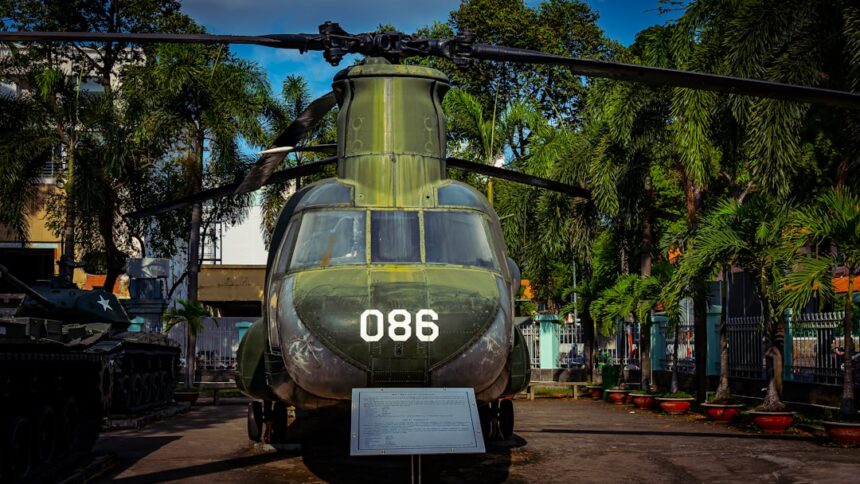
The Vietnam War, a protracted conflict that spanned from the late 1950s to 1975, was a significant chapter in the history of the Cold War. It pitted the communist government of North Vietnam and its allies against South Vietnam, which was supported by the United States and other anti-communist nations. The war was marked by its complexity, involving not only conventional military engagements but also guerrilla warfare, political maneuvering, and a struggle for hearts and minds.
The conflict drew in various international players and became a focal point for the ideological battle between communism and capitalism, leading to profound implications for U.S. foreign policy and military strategy. As the war unfolded, it became evident that air power would play a crucial role in shaping the battlefield.
The United States, with its advanced technology and extensive resources, sought to establish air superiority as a means to support ground troops and disrupt enemy supply lines. However, the realities of the Vietnam terrain, coupled with the innovative tactics employed by North Vietnamese forces, would challenge the effectiveness of U.S. air operations.
This article delves into the multifaceted role of air superiority during the Vietnam War, examining the challenges faced by the U.
Air Force, the strategies employed, and the lasting impact of these experiences on modern warfare.
Key Takeaways
- Air superiority was a critical but challenging aspect of the Vietnam War for the US Air Force.
- The US faced significant obstacles including advanced enemy defenses and difficult terrain.
- Innovative strategies and new technologies were developed to regain and maintain air dominance.
- The air superiority crisis influenced the war’s outcome and reshaped future military tactics.
- Lessons from the Vietnam War continue to impact modern air combat and allied military cooperation.
Role of Air Superiority in the Vietnam War
Air superiority was deemed essential for the United States in its efforts to achieve military objectives in Vietnam. The ability to control the skies allowed for more effective ground support, reconnaissance missions, and strategic bombing campaigns aimed at crippling North Vietnamese infrastructure. The U.S. Air Force believed that by establishing dominance in the air, it could significantly weaken enemy forces and bolster the morale of South Vietnamese troops. This belief was rooted in the lessons learned from World War II and the Korean War, where air power had proven decisive in achieving victory. However, the reality of achieving air superiority in Vietnam was far more complicated than anticipated. The North Vietnamese employed a combination of guerrilla tactics and conventional warfare strategies that made it difficult for U.S. forces to maintain control of the airspace. The dense jungles and mountainous terrain provided cover for enemy forces, complicating aerial operations. Additionally, North Vietnam’s use of anti-aircraft artillery and surface-to-air missiles (SAMs) posed significant threats to U.S. aircraft, leading to a costly air campaign that would ultimately challenge the very notion of air superiority.
Challenges Faced by the US Air Force
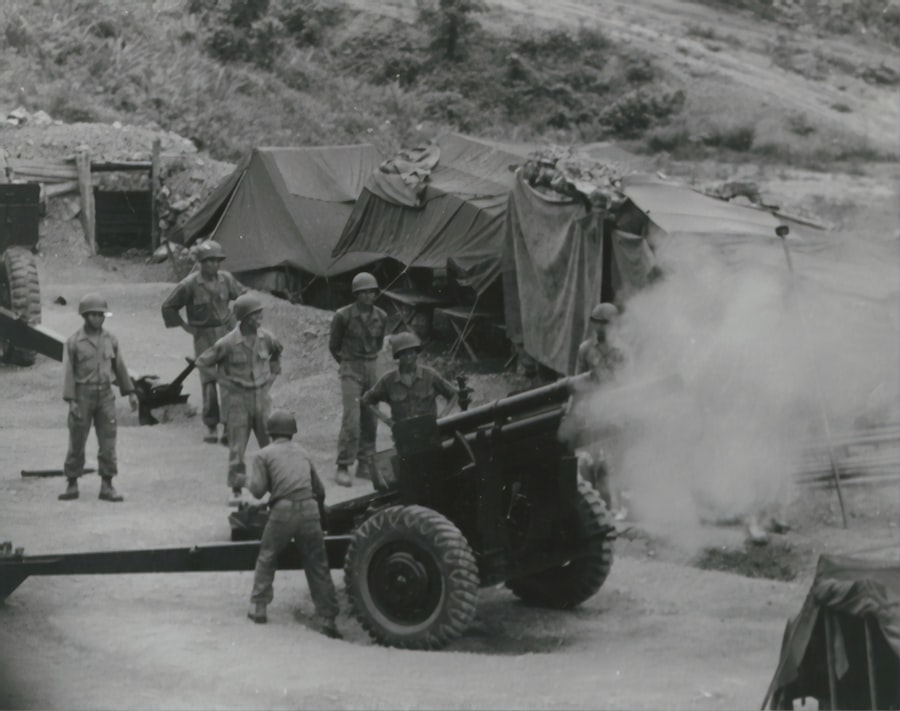
The U.S. Air Force encountered numerous challenges in its quest for air superiority during the Vietnam War. One of the most significant obstacles was the formidable air defense network established by North Vietnam.
The introduction of Soviet-made SAMs and advanced anti-aircraft artillery created a perilous environment for American pilots. These systems were not only effective but also strategically placed throughout North Vietnam, making it increasingly difficult for U.S. aircraft to operate without incurring heavy losses.
Moreover, the tactics employed by North Vietnamese forces further complicated U.S. air operations. The Viet Cong and North Vietnamese Army (NVA) utilized hit-and-run tactics that often involved blending into civilian populations or utilizing natural cover to evade detection.
This made it challenging for U.S. pilots to distinguish between combatants and non-combatants, leading to concerns about collateral damage and civilian casualties. The psychological toll on pilots was also significant; many faced intense pressure to perform under dangerous conditions while grappling with the moral implications of their missions.
Strategies and Tactics Used by the US Air Force
In response to the challenges posed by North Vietnamese air defenses and guerrilla tactics, the U.S. Air Force developed a range of strategies aimed at achieving air superiority. One notable approach was Operation Rolling Thunder, a sustained bombing campaign designed to weaken North Vietnam’s industrial capacity and diminish its will to fight.
This operation involved extensive aerial bombardment of key targets, including supply routes and military installations. However, despite its scale, Rolling Thunder ultimately fell short of its objectives due to limited targeting options and restrictions imposed by political considerations. Additionally, the U.S.
Air Force employed tactics such as “Wild Weasel” missions, which involved specialized aircraft designed to locate and destroy enemy radar installations and SAM sites. These missions were critical in mitigating the threat posed by North Vietnamese air defenses, allowing for more effective bombing runs by conventional fighter-bombers. However, these tactics came at a high cost; many Wild Weasel pilots faced intense opposition and often did not return from their missions.
Impact of Air Superiority Crisis on the Outcome of the War
| Metric | Data/Value | Description |
|---|---|---|
| Time Period | 1965-1973 | Years during which the Vietnam War air superiority crisis was most intense |
| US Aircraft Losses | Over 2,000 | Estimated number of US aircraft lost during the Vietnam War |
| North Vietnamese SAM Sites | Over 200 | Surface-to-air missile sites deployed by North Vietnam to challenge US air superiority |
| US Air Missions | Over 1 million | Number of combat sorties flown by US forces during the conflict |
| MiG Fighter Engagements | Approx. 1,000 | Estimated number of air-to-air engagements between US aircraft and North Vietnamese MiGs |
| US Aircrew KIA/MIA | Approx. 2,500 | Number of US aircrew killed in action or missing during the war |
| Effectiveness of Electronic Warfare | Moderate to High | Use of jamming and countermeasures to reduce SAM and radar effectiveness |
| Operation Rolling Thunder Duration | 1965-1968 | Major US bombing campaign aimed at gaining air superiority |
The inability of the U.S. Air Force to achieve sustained air superiority had profound implications for the outcome of the Vietnam War. As American forces struggled to maintain control of the skies, North Vietnamese forces were able to adapt their strategies effectively.
The resilience demonstrated by North Vietnamese troops allowed them to continue their operations despite heavy bombing campaigns, undermining U.S. efforts to demoralize their adversaries. Furthermore, the crisis in air superiority contributed to a shift in public perception regarding the war in America.
As images of downed aircraft and reports of pilot casualties circulated in the media, public support for the war began to wane. The inability to secure air dominance not only hampered military operations but also fueled anti-war sentiment among Americans who questioned the efficacy of U.S.
Role of Technology in the Air Superiority Crisis
Technology played a pivotal role in both exacerbating and addressing the air superiority crisis during the Vietnam War. On one hand, advancements in radar technology and missile systems provided North Vietnam with tools that significantly challenged U.S. air operations. The introduction of surface-to-air missiles (SAMs) marked a turning point in aerial warfare, as these systems were capable of targeting high-speed jets with remarkable accuracy. On the other hand, technological innovations within the U.S. Air Force aimed to counter these threats. The development of electronic warfare capabilities allowed American forces to jam enemy radar systems and disrupt communications, providing pilots with a tactical advantage during missions. Additionally, advancements in aircraft design led to improvements in speed, maneuverability, and payload capacity, enabling U.S. forces to adapt their strategies in response to evolving threats.
Lessons Learned from the Air Superiority Crisis
The air superiority crisis experienced during the Vietnam War yielded several critical lessons for military strategists and policymakers alike. One key takeaway was the importance of understanding the operational environment and adapting tactics accordingly. The dense jungles and urban landscapes of Vietnam required a reevaluation of traditional air power strategies that had been successful in previous conflicts.
Moreover, the experience underscored the necessity of integrating air power with ground operations more effectively. Coordination between air and ground forces became paramount as commanders recognized that achieving success on the battlefield required a holistic approach that considered both aerial capabilities and ground realities. This lesson would inform future military engagements and shape how air power was utilized in subsequent conflicts.
Legacy of the Air Superiority Crisis in Modern Warfare
The legacy of the air superiority crisis during the Vietnam War continues to resonate within modern military doctrine and strategy. The challenges faced by U.S. forces highlighted the need for comprehensive planning that accounts for potential adversaries’ capabilities and tactics.
As a result, contemporary military operations emphasize joint warfare approaches that integrate air, land, sea, and cyber capabilities. Furthermore, advancements in technology have transformed how air superiority is achieved today. Modern militaries leverage sophisticated surveillance systems, unmanned aerial vehicles (UAVs), and precision-guided munitions to enhance their operational effectiveness while minimizing collateral damage.
The lessons learned from Vietnam have informed these developments, leading to a more nuanced understanding of how air power can be effectively employed in complex environments.
Contributions of Allied Forces in Overcoming the Air Superiority Crisis
While much attention is often focused on U.S. forces during the Vietnam War, it is essential to recognize the contributions made by allied forces in addressing the air superiority crisis. Countries such as Australia and South Korea provided valuable support through their own air units and ground troops, enhancing overall operational capabilities.
These allied forces brought unique perspectives and experiences that enriched joint operations in Vietnam. Their involvement not only bolstered U.S. efforts but also fostered international cooperation in addressing shared security challenges during a tumultuous period in history.
The Evolution of Air Superiority Tactics and Technology
The experiences gained from the Vietnam War catalyzed an evolution in air superiority tactics and technology that would shape future conflicts. Military planners began to prioritize flexibility and adaptability in their approaches to aerial warfare, recognizing that static strategies could lead to vulnerabilities against agile adversaries. The development of stealth technology emerged as a direct response to lessons learned from Vietnam’s air defense challenges.
Stealth aircraft are designed to evade detection by radar systems, allowing them to penetrate hostile airspace with reduced risk of engagement from enemy defenses. This innovation has fundamentally altered how modern militaries approach air superiority missions.
The Vietnam War’s Impact on Air Superiority Strategies
In conclusion, the Vietnam War served as a crucible for testing air superiority strategies that would have lasting implications for military doctrine worldwide. The challenges faced by U.S. forces highlighted both technological limitations and strategic miscalculations that reshaped how future conflicts would be approached.
The lessons learned from this conflict continue to inform contemporary military practices as nations strive to achieve dominance in increasingly complex operational environments. As technology evolves and new threats emerge, understanding past experiences remains crucial for developing effective strategies that ensure success on future battlefields.
The Vietnam War presented numerous challenges for U.S. military forces, particularly in achieving air superiority amidst a complex and evolving battlefield. A related article that delves into the intricacies of this crisis can be found on In The War Room, which explores the strategic implications and operational difficulties faced by air forces during the conflict. For more insights, you can read the article [here](https://www.inthewarroom.com/).
WATCH THIS! 🎬 The Day Speed Died: How One Jet Changed Air Combat Forever
FAQs
What was the Vietnam War air superiority crisis?
The Vietnam War air superiority crisis refers to the period during the conflict when the United States and its allies faced significant challenges in maintaining control of the airspace over North Vietnam. This was due to the effective use of Soviet-supplied surface-to-air missiles (SAMs), anti-aircraft artillery, and advanced fighter aircraft by North Vietnamese forces.
When did the air superiority crisis occur during the Vietnam War?
The air superiority crisis primarily occurred in the mid to late 1960s, especially after the introduction of the Soviet SA-2 Guideline surface-to-air missile system in 1965, which significantly increased the threat to U.S. aircraft.
What were the main threats to U.S. air superiority in the Vietnam War?
The main threats included North Vietnamese SAMs, anti-aircraft artillery (AAA), and MiG fighter jets. The combination of these defenses made it difficult for U.S. aircraft to operate freely and safely over North Vietnam.
How did the U.S. respond to the air superiority crisis?
The U.S. responded by developing new tactics, improving electronic countermeasures, deploying specialized aircraft such as the F-4 Phantom II, and conducting “Wild Weasel” missions aimed at detecting and destroying enemy SAM sites.
What impact did the air superiority crisis have on the Vietnam War?
The crisis limited the effectiveness of U.S. air operations, increased aircraft losses, and forced changes in bombing strategies. It also highlighted the growing sophistication of North Vietnamese air defenses and influenced future U.S. military aviation tactics and technology.
Did the air superiority crisis affect the outcome of the Vietnam War?
While the air superiority crisis complicated U.S. air operations, it was one of many factors in the broader conflict. It demonstrated the challenges of achieving uncontested air dominance against a well-equipped and determined adversary but did not solely determine the war’s outcome.
What lessons were learned from the Vietnam War air superiority crisis?
The crisis underscored the importance of electronic warfare, suppression of enemy air defenses (SEAD), and the need for advanced aircraft capable of countering sophisticated missile and fighter threats. These lessons influenced U.S. air combat doctrine and aircraft development in subsequent decades.