Energy Maneuverability Theory (EMT) is a fundamental concept in aerial combat that provides a framework for understanding aircraft performance optimization during engagements. EMT focuses on the relationship between an aircraft’s energy state—consisting of kinetic and potential energy—and its maneuvering capabilities in combat situations. The theory establishes that effective energy management is essential for maintaining tactical advantages, enabling pilots to execute maneuvers that can outperform opponents.
The principles of EMT are based in physics, specifically the laws of motion and energy conservation. Through analysis of an aircraft’s speed, altitude, and maneuverability characteristics, pilots can make strategic decisions about engagement timing. EMT recognizes energy not simply as a resource but as a decisive factor that determines the outcome of aerial confrontations.
By comprehending these dynamics, pilots can leverage their aircraft’s strengths while minimizing vulnerabilities, thereby increasing their probability of success in air-to-air combat.
Key Takeaways
- Energy Maneuverability Theory is fundamental for understanding and optimizing aircraft performance in air combat.
- Maintaining and managing energy levels is crucial for gaining tactical advantages during dogfights.
- Fighter jet design significantly influences energy maneuverability capabilities and combat effectiveness.
- Advanced training and simulation are essential for pilots to master energy-based maneuvering techniques.
- Future developments in fighter technology will continue to evolve energy maneuverability strategies in air combat.
Understanding the Importance of Energy in Air Combat
Energy plays a pivotal role in air combat, serving as the lifeblood of aerial maneuvers and tactical decisions. In the high-stakes environment of dogfights, the ability to maintain or gain energy can determine the victor. An aircraft with superior energy levels can execute aggressive maneuvers, such as high-speed turns or rapid climbs, while an energy-depleted aircraft may find itself at a significant disadvantage.
This disparity can lead to a loss of positional advantage, making it easier for an opponent to capitalize on weaknesses. Moreover, energy management extends beyond mere speed and altitude; it encompasses the strategic use of energy to dictate the flow of combat. Pilots who master energy management can dictate engagement terms, forcing opponents into defensive positions.
This dynamic interplay between energy levels and tactical positioning underscores the importance of understanding energy in air combat, as it directly influences the effectiveness of maneuvers and the overall outcome of engagements.
The Role of Fighter Jets in Air Combat
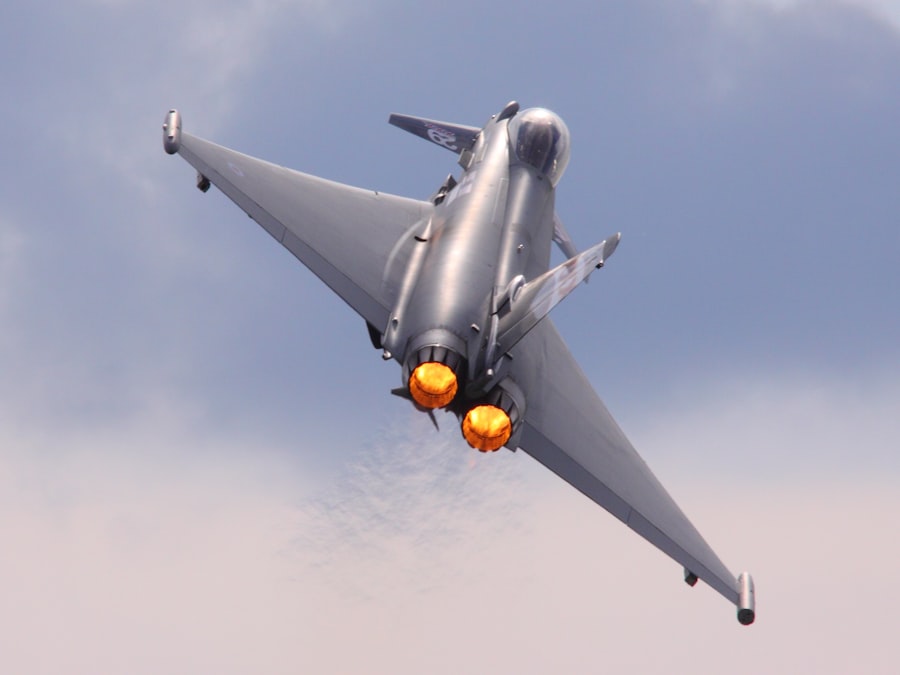
Fighter jets serve as the backbone of modern air combat, designed specifically for engaging enemy aircraft and achieving air superiority. These advanced machines are equipped with cutting-edge technology that enhances their performance in various combat scenarios. From their aerodynamic designs to their powerful engines, fighter jets are engineered to maximize speed, agility, and maneuverability—key attributes that are essential for successful engagements.
In addition to their physical capabilities, fighter jets are also outfitted with sophisticated avionics and weapon systems that enable pilots to engage targets effectively. The integration of radar systems, missile technology, and electronic warfare capabilities allows fighter jets to operate in complex environments, where situational awareness and quick decision-making are paramount. As such, fighter jets not only embody the principles of energy maneuverability but also serve as platforms for executing advanced tactics that leverage their energy states during combat.
Maneuvering Techniques for Maximizing Energy
To maximize energy during aerial engagements, pilots employ a variety of maneuvering techniques that are rooted in the principles of EMT. One such technique is the use of energy-bleeding maneuvers, which involve executing turns or climbs that temporarily sacrifice speed for altitude or positioning advantages. While these maneuvers may seem counterintuitive, they can create opportunities for counterattacks or evasive actions against pursuing adversaries.
Another critical technique is the use of high-speed passes and vertical maneuvers. By maintaining high speeds during engagements, pilots can leverage their kinetic energy to execute rapid changes in direction or altitude. This approach not only enhances maneuverability but also allows pilots to maintain an advantageous energy state relative to their opponents.
The ability to transition seamlessly between different types of maneuvers—such as climbing, diving, and turning—enables pilots to adapt to dynamic combat situations while maximizing their energy efficiency.
The Impact of Aircraft Design on Energy Maneuverability
| Metric | Description | Typical Values for Fighter Jets | Significance in Energy Maneuverability Theory |
|---|---|---|---|
| Specific Excess Power (Ps) | Rate of change of aircraft’s total energy per unit weight (ft/s or m/s) | 10-50 m/s (varies with speed and altitude) | Indicates the aircraft’s ability to accelerate or climb; higher Ps means better maneuverability |
| Thrust-to-Weight Ratio (T/W) | Ratio of engine thrust to aircraft weight | ~0.7 to >1.2 | Higher T/W allows for better acceleration and vertical maneuvers |
| Wing Loading (W/S) | Aircraft weight divided by wing area (lb/ft² or kg/m²) | 50-100 lb/ft² (245-490 kg/m²) | Lower wing loading improves turn rate and energy retention in maneuvers |
| Turn Rate (degrees/second) | Maximum instantaneous rate of change of heading | 15-30 deg/s | Directly related to maneuverability and dogfighting capability |
| Turn Radius (meters) | Radius of the smallest sustained turn at a given speed | 300-600 m | Smaller turn radius allows tighter maneuvers and better positioning |
| Energy Height (Equivalent Altitude) | Altitude equivalent of the aircraft’s total energy state | Varies with speed and altitude | Used to compare energy states for maneuver planning |
| Maximum Lift Coefficient (Cl_max) | Maximum lift generated by the wing at stall | 1.2 – 1.8 | Higher Cl_max improves low-speed maneuverability and turn performance |
The design of an aircraft significantly influences its energy maneuverability capabilities. Factors such as wing shape, weight distribution, and engine performance all play crucial roles in determining how effectively an aircraft can manage its energy during combat. For instance, aircraft with high thrust-to-weight ratios can accelerate rapidly, allowing pilots to regain lost energy quickly after executing aggressive maneuvers.
Additionally, aerodynamic features such as wing loading and drag coefficients impact an aircraft’s ability to maintain speed during turns or climbs. Aircraft designed with low drag profiles can sustain higher speeds while maneuvering, providing pilots with greater flexibility in combat scenarios. As technology continues to advance, engineers are increasingly focused on optimizing aircraft designs to enhance energy maneuverability, ensuring that modern fighter jets remain competitive in the ever-evolving landscape of aerial warfare.
Tactical Considerations for Utilizing Energy Maneuverability in Combat
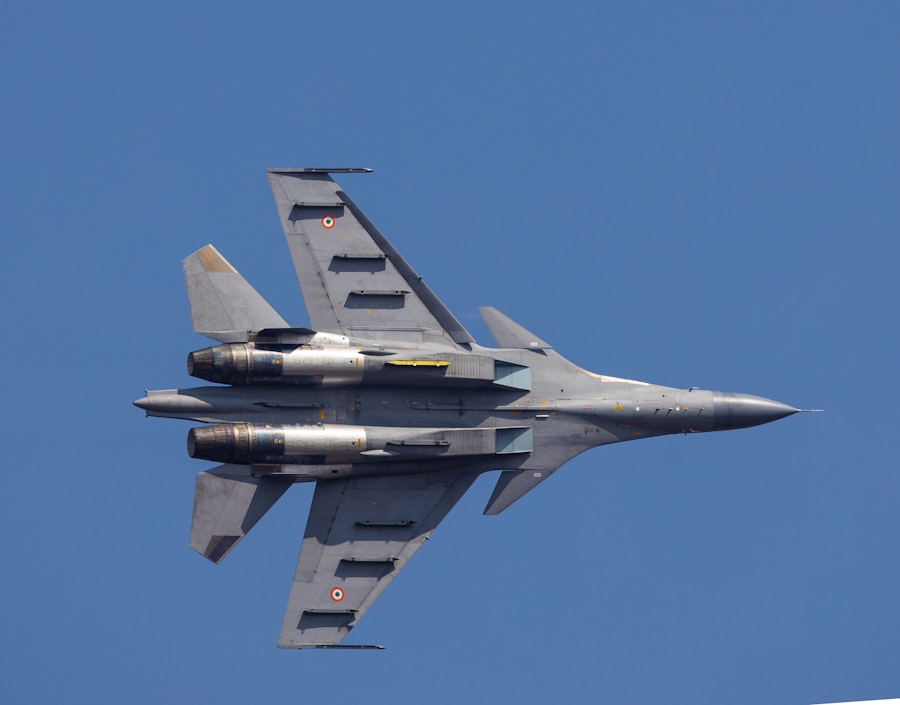
Tactical considerations play a vital role in effectively utilizing energy maneuverability during air combat. Pilots must assess not only their own energy state but also that of their opponents to make informed decisions about engagement strategies. Understanding when to engage or disengage based on energy levels can be the difference between victory and defeat in aerial confrontations.
Moreover, situational awareness is paramount in leveraging energy maneuverability effectively. Pilots must remain attuned to the movements and tactics of enemy aircraft while simultaneously managing their own energy states. This requires a keen understanding of both the principles of EMT and the specific capabilities of their aircraft.
By anticipating enemy actions and adjusting their tactics accordingly, pilots can exploit opportunities to gain the upper hand in combat.
Training and Simulation for Mastering Energy Maneuverability
Mastering energy maneuverability requires extensive training and practice, as pilots must develop a deep understanding of their aircraft’s capabilities and limitations. Flight simulators play a crucial role in this training process, allowing pilots to experiment with various maneuvers and tactics without the risks associated with real-world engagements. These simulations provide valuable insights into how different maneuvers affect energy states and overall performance.
In addition to simulator training, live exercises are essential for honing skills in real-world scenarios. During these exercises, pilots can apply theoretical knowledge gained from simulations to dynamic combat situations. This hands-on experience reinforces the importance of energy management and helps pilots develop instinctual responses to changing conditions in aerial engagements.
The Evolution of Energy Maneuverability in Fighter Jet Technology
The evolution of fighter jet technology has significantly impacted the principles of energy maneuverability over the years. Early fighter aircraft were limited by their design and performance capabilities, often struggling to maintain energy during complex maneuvers. However, advancements in materials science, aerodynamics, and propulsion systems have led to the development of modern fighter jets that excel in energy management.
Today’s fighter jets incorporate advanced technologies such as thrust vectoring and fly-by-wire systems that enhance maneuverability and responsiveness. These innovations allow pilots to execute complex maneuvers with greater precision while maintaining optimal energy states. As technology continues to advance, future fighter jets are expected to further refine energy maneuverability principles, enabling even more sophisticated tactics in air combat.
Case Studies of Successful Employment of Energy Maneuverability in Air Combat
Numerous case studies illustrate the successful application of energy maneuverability principles in air combat scenarios. One notable example is the aerial engagements during the Gulf War, where U.S. Air Force pilots effectively utilized their F-15s’ superior energy management capabilities against Iraqi MiG-29s.
By maintaining higher speeds and altitude during engagements, U.S.
Another significant case study involves the dogfights between Israeli and Syrian forces during the Yom Kippur War.
Israeli pilots demonstrated exceptional mastery of energy maneuverability by leveraging their F-4 Phantoms’ capabilities against Syrian MiGs. Through strategic use of altitude and speed, Israeli pilots were able to outmaneuver their opponents and achieve air superiority despite being outnumbered.
Challenges and Limitations of Energy Maneuverability in Modern Air Combat
Despite its advantages, energy maneuverability also presents challenges and limitations in modern air combat scenarios. One significant challenge is the increasing complexity of aerial engagements due to advancements in missile technology and electronic warfare systems. As adversaries develop more sophisticated weapons capable of engaging targets at longer ranges, traditional dogfighting tactics based on energy maneuverability may become less effective.
Additionally, environmental factors such as weather conditions and terrain can impact an aircraft’s ability to manage its energy effectively. Pilots must navigate these challenges while remaining vigilant about their own energy states and those of their opponents. This complexity underscores the need for continuous adaptation and innovation within air combat strategies.
The Future of Energy Maneuverability and Fighter Jets
Looking ahead, the future of energy maneuverability in fighter jets is poised for further evolution as technology continues to advance. Emerging concepts such as unmanned aerial vehicles (UAVs) and artificial intelligence (AI) are expected to play significant roles in shaping future air combat strategies. These technologies may enhance situational awareness and decision-making processes, allowing for more effective utilization of energy maneuverability principles.
Moreover, ongoing research into advanced propulsion systems and materials will likely lead to even more capable fighter jets that excel in energy management. As military forces around the world invest in next-generation aircraft designs, understanding and applying the principles of energy maneuverability will remain essential for achieving success in future aerial engagements. The interplay between technology and tactics will continue to define the landscape of air combat for years to come.
Energy maneuverability theory is a crucial concept in understanding the performance and capabilities of fighter jets, particularly in air combat scenarios. For a deeper dive into this topic, you can explore the article on energy maneuverability theory and its implications for modern aerial warfare at this link. This resource provides valuable insights into how fighter jets utilize energy to gain an advantage over their adversaries in the sky.
WATCH THIS! 🎬 The Day Speed Died: How One Jet Changed Air Combat Forever
FAQs
What is Energy Maneuverability Theory in fighter jets?
Energy Maneuverability Theory is a framework used to evaluate and compare the performance of fighter aircraft based on their energy states. It quantifies an aircraft’s ability to gain, maintain, or lose energy during maneuvers, which directly impacts its combat effectiveness.
Who developed the Energy Maneuverability Theory?
The theory was developed by Colonel John Boyd, a United States Air Force fighter pilot and strategist, in the 1960s. His work revolutionized fighter aircraft design and aerial combat tactics.
How does Energy Maneuverability Theory affect fighter jet design?
The theory influences design by emphasizing the importance of an aircraft’s thrust-to-weight ratio, aerodynamic efficiency, and energy retention during maneuvers. Designers use these principles to create jets that can sustain higher speeds and altitudes while performing agile maneuvers.
What are the key parameters measured in Energy Maneuverability Theory?
Key parameters include specific energy (total energy per unit weight), specific excess power (rate of energy gain or loss), thrust-to-weight ratio, and lift-to-drag ratio. These metrics help assess an aircraft’s ability to perform various combat maneuvers.
Why is Energy Maneuverability important in air combat?
Energy Maneuverability determines how effectively a fighter jet can outmaneuver opponents by controlling speed and altitude. Superior energy management allows pilots to gain tactical advantages such as positioning for attacks or evading threats.
Can Energy Maneuverability Theory be applied to modern fighter jets?
Yes, the principles remain relevant and are integrated into modern aircraft design and pilot training. Advances in technology have enhanced energy management capabilities, but the fundamental concepts of the theory still guide performance evaluation.
How is Energy Maneuverability Theory used in pilot training?
Pilots learn to understand and manage their aircraft’s energy state to optimize maneuvering during combat. Training includes recognizing when to trade speed for altitude or vice versa to maintain an advantage over adversaries.
Does Energy Maneuverability Theory consider external factors like weather?
While the theory primarily focuses on aircraft performance parameters, real-world applications account for external factors such as weather, altitude, and air density, which can affect energy states and maneuverability.
What impact did Energy Maneuverability Theory have on aerial combat tactics?
The theory shifted focus from purely turn rate and speed to energy management, leading to new tactics that prioritize maintaining or gaining energy advantage. This approach has improved pilot decision-making and combat outcomes.
Are there any limitations to Energy Maneuverability Theory?
The theory simplifies complex aerodynamic and combat scenarios and may not capture all variables in real engagements, such as pilot skill, weapon systems, and electronic warfare. Nonetheless, it provides a valuable foundation for understanding fighter performance.