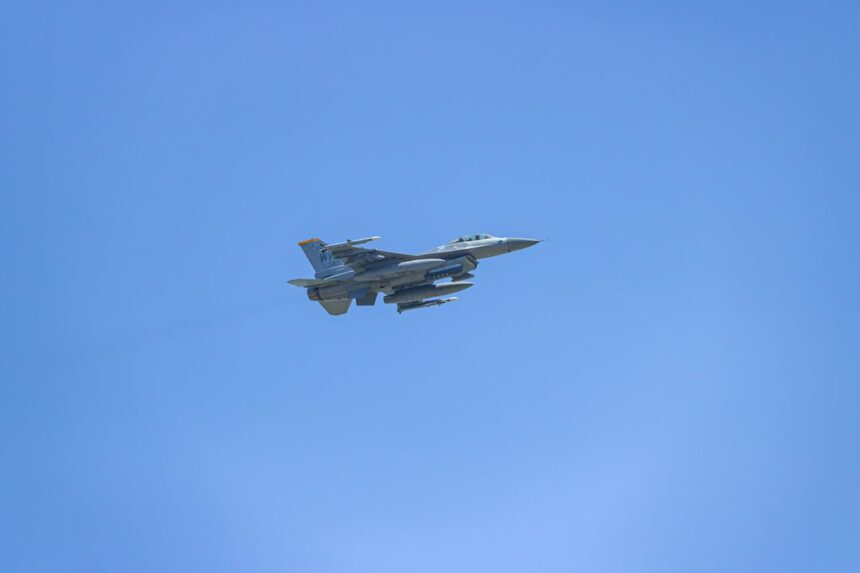
The MiG-17 and the F4 Phantom II are two significant fighter aircraft that shaped aerial combat history. Developed by the Soviet Union during the Cold War, the MiG-17 featured exceptional maneuverability and an aerodynamic design that made it effective in close-range dogfights. The American F4 Phantom II, a twin-engine jet interceptor and fighter-bomber, became a cornerstone of United States air power, particularly during the Vietnam War.
Its advanced avionics, high speed capabilities, and weapons payload versatility allowed it to perform multiple combat roles. These aircraft frequently encountered each other during the Vietnam War, where their contrasting design philosophies were evident. The MiG-17, despite being technologically simpler, excelled in tight turning engagements at lower altitudes.
The F4 Phantom II, with its superior speed, climb rate, and radar systems, was designed for beyond-visual-range combat and multirole operations.
Key Takeaways
- The MiG-17 and F4 Phantom are iconic fighter jets with distinct design philosophies and combat roles.
- The MiG-17 is known for its agility and effectiveness in close-range dogfights.
- The F4 Phantom features advanced avionics and multi-role capabilities, excelling in speed and firepower.
- Historical dogfights highlight the strengths and weaknesses of both aircraft in various combat scenarios.
- Both jets significantly influenced air combat tactics and left lasting legacies in military aviation history.
History of the MiG-17 and F4 Phantom
The MiG-17 was developed in the early 1950s as an evolution of the earlier MiG-15, which had already established a reputation during the Korean War. The design team at Mikoyan-Gurevich sought to create a more advanced aircraft that could maintain air superiority against newer Western jets. The MiG-17 made its first flight in 1950 and quickly entered service with the Soviet Air Force.
Its introduction marked a significant advancement in Soviet aviation technology, featuring improved aerodynamics and a more powerful engine. The aircraft soon found its way into the arsenals of several allied nations, becoming a staple in various air forces around the world. In contrast, the F4 Phantom II was developed by McDonnell Aircraft Corporation in the late 1950s as a response to the need for a multi-role fighter that could perform both air-to-air and air-to-ground missions.
The Phantom made its first flight in 1960 and was adopted by the U.S. Navy shortly thereafter. Its versatility allowed it to serve in various capacities, from intercepting enemy bombers to providing close air support for ground troops.
The F4 Phantom II became synonymous with U.S. military power during the Vietnam War, where it was extensively used in combat operations against North Vietnamese forces.
Design and Features of the MiG-17
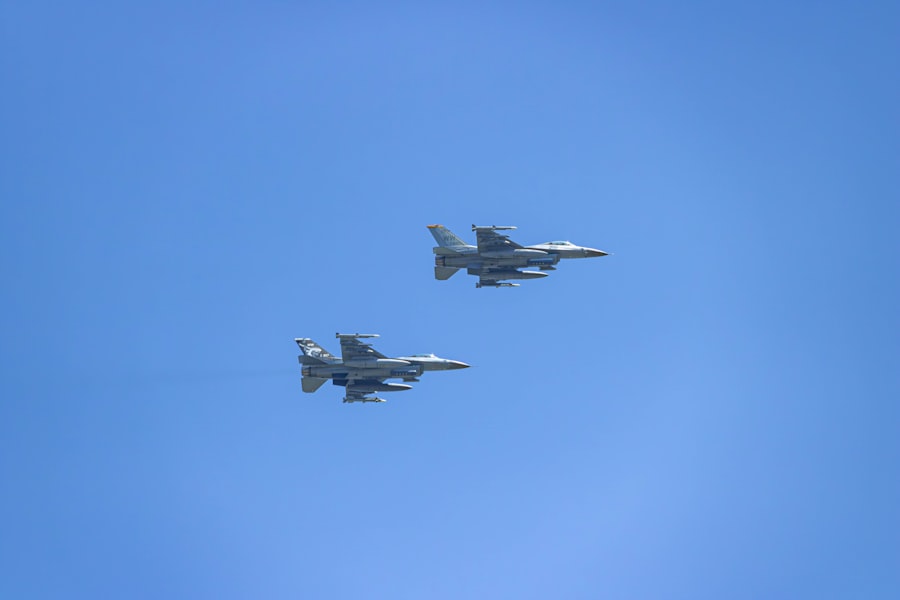
The MiG-17 is characterized by its distinctive swept-wing design, which contributed to its agility and performance at high speeds. The aircraft’s fuselage was relatively compact, allowing for quick maneuvers during dogfights. Equipped with a single turbojet engine, the MiG-17 could reach speeds of up to 1,100 kilometers per hour (about 680 miles per hour), making it competitive against many contemporary fighters.
Its armament typically included a combination of cannons and air-to-air missiles, providing it with a robust offensive capability. One of the most notable features of the MiG-17 was its exceptional climb rate and turn radius, which made it particularly effective in close-range engagements. Pilots appreciated its responsiveness and ability to perform tight turns, allowing them to outmaneuver larger and heavier aircraft.
Additionally, the MiG-17’s relatively low operational costs made it an attractive option for many nations seeking to bolster their air forces without incurring exorbitant expenses.
Design and Features of the F4 Phantom
The F4 Phantom II was designed with a focus on versatility and multi-role capabilities. Its twin-engine configuration provided significant thrust, enabling it to achieve speeds exceeding Mach 2. The aircraft featured a large wingspan and a distinctive fuselage that housed advanced avionics and weapon systems.
The F4 Phantom was equipped with a radar system that allowed for long-range target acquisition, making it effective in both air-to-air and air-to-ground roles. One of the defining characteristics of the F4 Phantom was its ability to carry a wide array of weapons, including air-to-air missiles, bombs, and rockets. This flexibility allowed it to adapt to various combat scenarios, from intercepting enemy fighters to conducting ground attacks.
The cockpit was designed for two crew members—pilot and radar intercept officer—enhancing situational awareness during missions. The F4 Phantom’s robust design and advanced technology made it a formidable presence in the skies during its operational years.
Performance Comparison of the MiG-17 and F4 Phantom
| Metric | MiG-17 | F-4 Phantom |
|---|---|---|
| Role | Subsonic jet fighter | Supersonic multirole fighter |
| First Flight | 1950 | 1958 |
| Max Speed | Mach 0.93 (1,145 km/h) | Mach 2.23 (2,370 km/h) |
| Service Ceiling | 16,600 m (54,500 ft) | 18,300 m (60,000 ft) |
| Rate of Climb | 50 m/s (9,840 ft/min) | 254 m/s (50,000 ft/min) |
| Armament | 1× 37 mm cannon, 2× 23 mm cannons | 4× AIM-7 Sparrow missiles, 4× AIM-9 Sidewinder missiles, 1× 20 mm cannon |
| Maneuverability | Excellent at low speeds and close-range dogfighting | Less agile at low speeds but superior at high speeds and beyond visual range combat |
| Combat History | Effective in close dogfights during Korean and Vietnam Wars | Dominant in air superiority roles but initially struggled in close dogfights during Vietnam War |
| Typical Engagement Range | Within visual range (WVR) | Beyond visual range (BVR) and WVR |
When comparing the performance of the MiG-17 and F4 Phantom II, several key factors come into play. The MiG-17 excelled in terms of agility and maneuverability, making it an ideal choice for dogfighting scenarios where quick turns and rapid climbs were essential. Its lightweight design allowed for impressive acceleration and responsiveness, enabling skilled pilots to exploit its strengths in close-range engagements.
Conversely, the F4 Phantom II’s performance lay in its speed and firepower. With its powerful engines, it could reach higher altitudes more quickly than the MiG-17, allowing it to engage targets from advantageous positions. The Phantom’s advanced radar systems provided it with superior situational awareness, enabling it to track multiple targets simultaneously.
While it may not have matched the MiG-17’s agility in tight turns, its speed and firepower compensated for this limitation in many combat scenarios.
Dogfight Tactics of the MiG-17
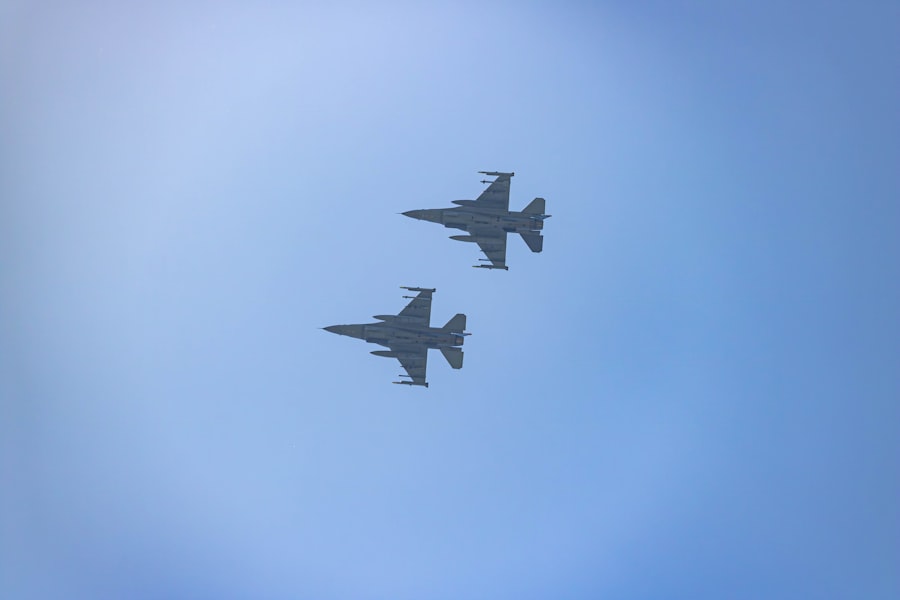
In dogfighting situations, pilots flying the MiG-17 relied heavily on their aircraft’s agility to outmaneuver opponents. The key tactic involved using tight turns and rapid climbs to gain an advantage over larger or faster adversaries like the F4 Phantom
Additionally, pilots would utilize altitude advantages when engaging in dogfights. By starting at higher altitudes, they could dive down on their opponents, gaining speed before executing sharp turns to engage in close-range combat. The MiG-17’s ability to maintain energy during these maneuvers made it particularly effective against less agile opponents.
Overall, successful dogfighting tactics for MiG-17 pilots revolved around leveraging their aircraft’s strengths while exploiting weaknesses in enemy fighters.
Dogfight Tactics of the F4 Phantom
F4 Phantom pilots approached dogfighting with a different set of tactics due to their aircraft’s unique capabilities. While not as agile as the MiG-17, the Phantom’s speed allowed pilots to dictate engagement ranges effectively. They often employed tactics that involved using their superior firepower to engage enemies from a distance before entering close combat situations.
One common tactic involved utilizing missile systems effectively while maintaining altitude advantage over opponents. By engaging targets from afar with air-to-air missiles like the AIM-7 Sparrow or AIM-9 Sidewinder, F4 pilots could neutralize threats before entering dogfighting ranges. However, if forced into close combat, Phantom pilots would rely on their training to execute high-speed passes and use their aircraft’s thrust to maintain energy during turns.
Famous Dogfights involving the MiG-17 and F4 Phantom
Throughout history, several notable dogfights have showcased the capabilities of both the MiG-17 and F4 Phantom
One such engagement occurred during the Vietnam War when U.S. Air Force pilots encountered North Vietnamese MiG-17s over Hanoi. In these encounters, American pilots quickly learned that while their Phantoms had superior technology and firepower, they had to respect the agility of their opponents.
Another famous engagement took place during Operation Rolling Thunder when F4 Phantoms faced off against MiG-17s in intense aerial battles over North Vietnam. These dogfights highlighted not only the tactical differences between both aircraft but also underscored how pilot skill played a crucial role in determining outcomes in aerial combat scenarios.
Impact of the MiG-17 and F4 Phantom on Air Combat
The introduction of both the MiG-17 and F4 Phantom II significantly influenced air combat strategies during their respective eras. The MiG-17’s agility forced Western pilots to adapt their tactics when engaging Soviet-built aircraft, leading to an increased emphasis on maneuverability in fighter design. This shift prompted advancements in aircraft technology aimed at enhancing agility without sacrificing speed or firepower.
Conversely, the F4 Phantom II’s versatility set new standards for multi-role fighters in modern warfare. Its ability to perform various missions—from interception to ground attack—demonstrated how future aircraft designs would need to incorporate flexibility into their operational capabilities. The lessons learned from engagements involving these two aircraft continue to shape air combat strategies today.
Legacy of the MiG-17 and F4 Phantom
The legacies of both the MiG-17 and F4 Phantom II endure long after their retirement from active service. The MiG-17 is often remembered as one of the most successful Soviet fighters of its time, influencing subsequent designs within Eastern Bloc countries. Its role in various conflicts around the world solidified its reputation as a reliable dogfighter that could hold its own against more technologically advanced adversaries.
The F4 Phantom II remains an iconic symbol of American military aviation prowess during the Cold War era. Its extensive service history across multiple branches of the U.S. military highlights its adaptability and effectiveness in diverse combat scenarios.
Even decades after its retirement, the F4 continues to be celebrated for its contributions to air power and remains a favorite among aviation enthusiasts worldwide.
The MiG-17 vs F4 Phantom Dogfight Duel
In conclusion, both the MiG-17 and F4 Phantom II represent significant milestones in aviation history, each embodying unique strengths that shaped aerial combat strategies during their operational years. While the MiG-17 excelled in agility and maneuverability, making it a formidable opponent in dogfights, the F4 Phantom II showcased speed, firepower, and versatility that allowed it to dominate various combat scenarios. The encounters between these two aircraft during conflicts like the Vietnam War highlighted not only their respective capabilities but also underscored how pilot skill played an essential role in determining outcomes in aerial engagements.
As military aviation continues to evolve, lessons learned from these iconic fighters remain relevant today—reminding future generations of aviators about the importance of adaptability, strategy, and innovation in air combat.
In the context of aerial combat, the MiG-17 and F-4 Phantom represent two distinct eras and philosophies of fighter design. For a deeper understanding of the tactics and technology that defined their dogfighting capabilities, you can explore a related article on the subject at In The War Room. This resource provides valuable insights into the strategic implications of these aircraft during their operational periods.
WATCH THIS! 🎬 The Day Speed Died: How One Jet Changed Air Combat Forever
FAQs
What are the MiG-17 and F-4 Phantom?
The MiG-17 is a Soviet-designed jet fighter introduced in the early 1950s, known for its agility and use in various conflicts. The F-4 Phantom II is an American tandem two-seat, twin-engine, long-range supersonic jet interceptor and fighter-bomber developed in the late 1950s.
In which conflicts did the MiG-17 and F-4 Phantom engage in dogfights?
Both aircraft saw combat during the Vietnam War, where they frequently engaged in dogfights. The MiG-17 was used by North Vietnamese forces, while the F-4 Phantom was operated by the United States Air Force, Navy, and Marine Corps.
How do the MiG-17 and F-4 Phantom compare in terms of maneuverability?
The MiG-17 is generally considered more maneuverable at lower speeds and altitudes due to its lighter weight and design focused on close-range dogfighting. The F-4 Phantom, while faster and more powerful, was initially less maneuverable and relied more on speed and missile armament.
What armaments did the MiG-17 and F-4 Phantom carry during dogfights?
The MiG-17 was typically armed with cannons, such as the 23mm and 37mm guns, making it effective in close-range combat. The F-4 Phantom was equipped with a variety of air-to-air missiles and, in later versions, an internal cannon, providing it with both long-range and close-range attack capabilities.
What were the strengths and weaknesses of the MiG-17 in dogfighting?
Strengths of the MiG-17 included excellent low-speed maneuverability, simplicity, and effective cannon armament. Its weaknesses were slower speed and less advanced avionics compared to newer fighters like the F-4 Phantom.
What were the strengths and weaknesses of the F-4 Phantom in dogfighting?
The F-4 Phantom’s strengths included high speed, powerful radar and missile systems, and versatility in multiple roles. Its initial weaknesses were limited maneuverability at low speeds and the absence of an internal gun in early models, which was a disadvantage in close-range dogfights.
Did the F-4 Phantom have any design changes to improve dogfighting capabilities?
Yes, later versions of the F-4 Phantom incorporated an internal M61 Vulcan cannon to enhance close-range combat effectiveness, addressing earlier criticisms about its dogfighting capabilities.
Which aircraft was considered superior in dogfights, the MiG-17 or the F-4 Phantom?
There is no definitive answer, as each aircraft had advantages in different combat scenarios. The MiG-17 excelled in close-range maneuverability, while the F-4 Phantom had superior speed, radar, and missile technology. Pilot skill and tactics often determined the outcome of engagements.
How did pilot training impact the effectiveness of the MiG-17 and F-4 Phantom in dogfights?
Pilot training was crucial; well-trained pilots could exploit the strengths of their aircraft and mitigate weaknesses. U.S. forces improved F-4 pilot training over time, including the establishment of programs like TOPGUN, which enhanced dogfighting skills against agile opponents like the MiG-17.
Are MiG-17 and F-4 Phantom still in service today?
The MiG-17 is largely retired from frontline service but may still be used by some countries in limited roles. The F-4 Phantom has been retired from active service in most countries but remains in limited use for training and reconnaissance in a few air forces.