
Geopolitical risks encompass a wide array of uncertainties that arise from the interplay of political, economic, and social factors on a global scale. These risks can stem from various sources, including territorial disputes, regime changes, economic sanctions, and even natural disasters that disrupt political stability. The complexity of these risks is heightened by the interconnectedness of nations in an increasingly globalized world.
As countries engage in trade and diplomacy, the repercussions of political decisions can ripple across borders, affecting not only national interests but also global supply chains and economic stability. The significance of understanding geopolitical risks cannot be overstated, particularly for industries reliant on international trade, such as shipping. Companies must remain vigilant and informed about the political climates in regions where they operate or through which they transport goods.
A single event, such as a military conflict or a sudden change in government policy, can have far-reaching consequences for shipping routes and logistics. Therefore, a comprehensive understanding of these risks is essential for businesses to navigate the complexities of global trade effectively.
Key Takeaways
- Geopolitical risks significantly affect the safety and efficiency of global shipping lanes.
- Understanding regional tensions and political stability is crucial for managing shipping route vulnerabilities.
- Collaboration with international organizations enhances coordinated responses to geopolitical disruptions.
- Advanced technology and contingency planning are key tools for mitigating risks in maritime navigation.
- Analyzing case studies helps identify best practices and prepare for future geopolitical challenges in shipping.
Impact of Geopolitical Risks on Shipping Lanes
The impact of geopolitical risks on shipping lanes is profound and multifaceted. Shipping lanes are the arteries of global trade, facilitating the movement of goods across vast distances. However, when geopolitical tensions arise, these routes can become vulnerable to disruptions.
For instance, conflicts in key regions can lead to the closure of ports or the imposition of blockades, significantly delaying shipments and increasing costs. Additionally, shipping companies may face heightened insurance premiums and security concerns when navigating through politically unstable areas. Moreover, geopolitical risks can alter the dynamics of global trade patterns.
For example, if a country imposes sanctions on another nation, shipping routes may need to be rerouted to avoid affected areas. This not only increases transit times but also complicates logistics and supply chain management. The unpredictability associated with geopolitical events necessitates that shipping companies remain agile and adaptable to changing circumstances, often requiring them to develop alternative strategies to ensure the continuity of their operations.
Analyzing Key Shipping Lanes
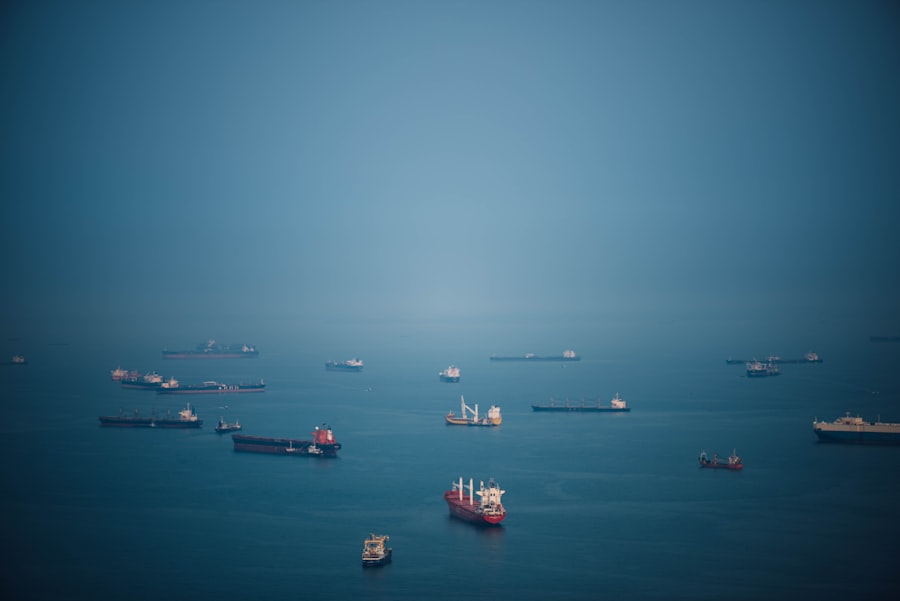
Key shipping lanes serve as critical conduits for international trade, and their analysis is essential for understanding the broader implications of geopolitical risks. Major routes such as the Strait of Hormuz, the Suez Canal, and the South China Sea are vital for transporting oil, goods, and commodities. Each of these lanes has its unique geopolitical challenges that can influence global markets.
For instance, the Strait of Hormuz is a chokepoint for oil shipments; any disruption here can lead to significant fluctuations in oil prices worldwide. In addition to economic implications, the security of these shipping lanes is paramount. The presence of piracy, territorial disputes, and military tensions can pose serious threats to vessels traversing these waters.
Analyzing these key shipping lanes involves not only assessing their economic importance but also understanding the geopolitical landscape surrounding them. This comprehensive analysis enables stakeholders to anticipate potential disruptions and devise strategies to mitigate risks associated with navigating these critical routes.
Strategies for Navigating Geopolitical Risks
Navigating geopolitical risks requires a multifaceted approach that combines strategic planning with real-time intelligence. One effective strategy is to conduct thorough risk assessments that evaluate potential threats in specific regions. By identifying vulnerabilities in their supply chains and shipping routes, companies can develop contingency plans that address various scenarios.
This proactive approach allows businesses to respond swiftly to emerging geopolitical challenges while minimizing disruptions. Another essential strategy involves fostering strong relationships with local partners and stakeholders in key regions. By establishing connections with local businesses, governments, and organizations, companies can gain valuable insights into the political climate and potential risks.
These relationships can also facilitate smoother operations during times of uncertainty, as local partners may provide critical support in navigating regulatory changes or logistical challenges. Ultimately, a combination of risk assessment and local engagement can empower businesses to navigate geopolitical risks more effectively.
Importance of Political Stability in Shipping Lanes
| Shipping Lane | Geopolitical Risk Level | Key Risk Factors | Average Daily Traffic (Vessels) | Impact on Global Trade (%) | Recent Incidents |
|---|---|---|---|---|---|
| Strait of Hormuz | High | Regional conflicts, piracy, military blockades | 21 | 20% | Oil tanker attacks (2022) |
| South China Sea | High | Territorial disputes, military presence, piracy | 50 | 30% | Naval standoffs (2023) |
| Bab el-Mandeb Strait | Medium | Piracy, civil war spillover, terrorism | 10 | 8% | Hijacking attempts (2021) |
| Panama Canal | Low | Infrastructure vulnerabilities, labor strikes | 35 | 6% | Canal blockage (2023) |
| Malacca Strait | Medium | Piracy, territorial disputes, congestion | 80 | 25% | Piracy incidents (2022) |
Political stability is a cornerstone of secure and efficient shipping lanes. When a region enjoys political stability, it fosters an environment conducive to trade and commerce. Stable governments are more likely to uphold international agreements, maintain open ports, and ensure the safety of maritime routes.
Conversely, political instability can lead to chaos, making shipping lanes perilous for vessels and increasing operational costs for shipping companies. The importance of political stability extends beyond immediate safety concerns; it also influences long-term investment decisions in infrastructure and logistics. Shipping companies are more inclined to invest in regions with stable political environments, as this reduces the risk of sudden disruptions that could jeopardize their operations.
Therefore, promoting political stability in key shipping regions is not only beneficial for local economies but also essential for maintaining the integrity of global trade networks.
Assessing Regional Tensions and Conflicts
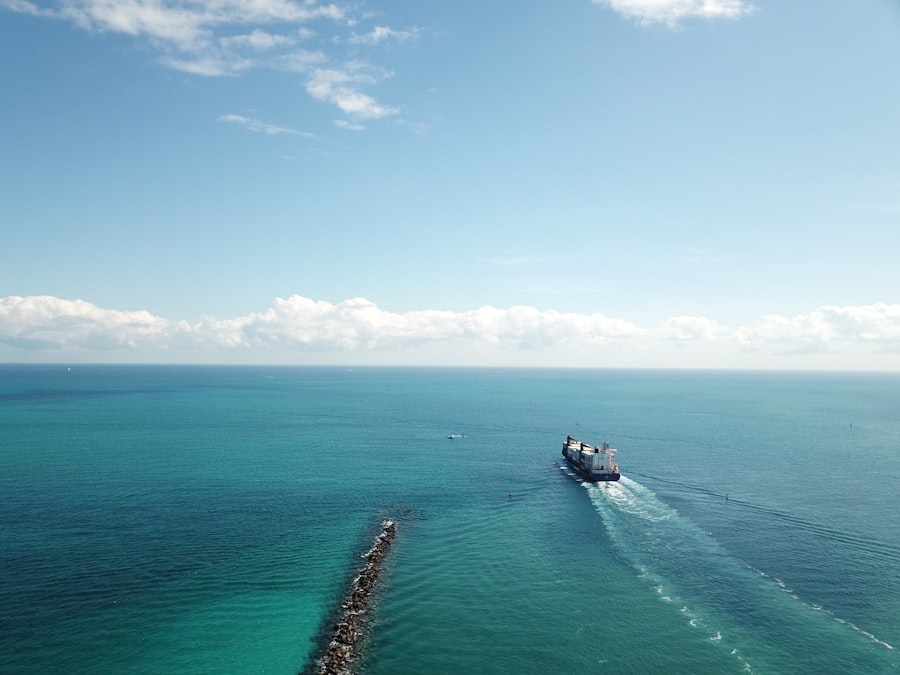
Assessing regional tensions and conflicts is crucial for understanding the broader implications of geopolitical risks on shipping lanes. Various factors contribute to regional instability, including historical grievances, ethnic tensions, and competition for resources. By analyzing these underlying issues, stakeholders can gain insights into potential flashpoints that may disrupt maritime operations.
For instance, ongoing territorial disputes in the South China Sea have raised concerns about freedom of navigation and maritime security. The presence of military assets from multiple nations in this region heightens the risk of confrontations that could impact shipping routes. By closely monitoring these tensions and understanding their historical context, shipping companies can better prepare for potential disruptions and develop strategies to mitigate risks associated with navigating through contested waters.
Collaboration with International Organizations
Collaboration with international organizations plays a pivotal role in addressing geopolitical risks associated with shipping lanes. Organizations such as the International Maritime Organization (IMO) and regional bodies like the Association of Southeast Asian Nations (ASEAN) work to promote maritime safety and security through cooperation among member states. By engaging with these organizations, shipping companies can stay informed about best practices and emerging threats in specific regions.
Furthermore, international organizations often facilitate dialogue among nations to resolve disputes peacefully. This collaborative approach can help de-escalate tensions that may threaten shipping routes and foster an environment conducive to trade. By actively participating in initiatives led by these organizations, stakeholders can contribute to enhancing maritime security while also benefiting from shared knowledge and resources.
Utilizing Technology for Risk Management
In an era marked by rapid technological advancements, leveraging technology for risk management has become increasingly vital for navigating geopolitical risks in shipping. Advanced data analytics tools enable companies to monitor geopolitical developments in real-time, providing valuable insights into potential threats that may impact their operations. By harnessing big data and artificial intelligence, businesses can identify patterns and trends that inform their decision-making processes.
Additionally, technology plays a crucial role in enhancing communication and coordination among stakeholders involved in shipping operations. Digital platforms facilitate information sharing between shipping companies, port authorities, and government agencies, ensuring that all parties are aware of evolving geopolitical situations. This interconnectedness allows for more agile responses to emerging risks and fosters collaboration among stakeholders working to maintain secure shipping lanes.
Developing Contingency Plans for Geopolitical Disruptions
Developing contingency plans is essential for mitigating the impact of geopolitical disruptions on shipping operations. These plans should outline specific protocols for responding to various scenarios, such as port closures or changes in trade regulations due to political events. By having well-defined contingency measures in place, companies can minimize downtime and ensure continuity in their supply chains.
Moreover, contingency plans should be regularly reviewed and updated to reflect changing geopolitical landscapes. As new risks emerge or existing tensions evolve, businesses must adapt their strategies accordingly. Conducting simulation exercises can also help organizations test their contingency plans in real-world scenarios, allowing them to identify weaknesses and refine their responses before actual disruptions occur.
Case Studies of Successful Navigation of Geopolitical Risks
Examining case studies of successful navigation through geopolitical risks provides valuable lessons for stakeholders in the shipping industry. One notable example is the response of shipping companies during the Arab Spring uprisings in 2011.
Another case study involves the response to piracy off the coast of Somalia in the late 2000s. Shipping companies that implemented robust security measures—such as employing armed guards or utilizing naval escorts—were able to continue operations despite the heightened risks. These examples illustrate how proactive strategies and adaptability are crucial for successfully navigating geopolitical challenges in the shipping industry.
Future Trends and Challenges in Geopolitical Risk Management
As global dynamics continue to evolve, future trends in geopolitical risk management will likely be shaped by several factors.
Additionally, technological advancements will continue to play a significant role in enhancing risk management capabilities; however, they will also introduce new vulnerabilities that must be addressed.
Furthermore, shifting power dynamics among nations will influence geopolitical landscapes and create new challenges for shipping companies. As emerging economies gain prominence on the global stage, established powers may react defensively, leading to increased tensions that could impact maritime operations. To navigate these complexities successfully, stakeholders must remain vigilant and adaptable while continuously refining their strategies for managing geopolitical risks in an ever-changing world.
In conclusion, understanding geopolitical risks is essential for stakeholders in the shipping industry as they navigate complex global trade environments. By analyzing key shipping lanes, assessing regional tensions, collaborating with international organizations, utilizing technology for risk management, developing contingency plans, and learning from successful case studies, businesses can enhance their resilience against geopolitical disruptions. As future trends continue to shape the landscape of global trade, proactive strategies will be crucial for ensuring the continued success of maritime operations amidst uncertainty.
Geopolitical risks significantly impact global shipping lanes, influencing trade routes and maritime security. For a deeper understanding of how these factors shape international shipping dynamics, you can read the article on this topic at In the War Room. This resource provides valuable insights into the complexities of maritime geopolitics and the implications for global commerce.
WATCH THIS! 🌊 The Invisible Army That Controls Global Shipping
FAQs
What are geopolitical risks in the context of shipping lanes?
Geopolitical risks refer to the potential threats and uncertainties arising from political instability, conflicts, territorial disputes, or government actions that can affect the safety, accessibility, and efficiency of international shipping routes.
Why are shipping lanes important in global trade?
Shipping lanes are critical maritime routes used for the transportation of goods between countries. They facilitate the majority of global trade by enabling the efficient movement of commodities, raw materials, and finished products across continents.
Which are some of the most strategically important shipping lanes affected by geopolitical risks?
Key shipping lanes include the Strait of Hormuz, the South China Sea, the Strait of Malacca, the Suez Canal, and the Bab el-Mandeb Strait. These routes are vital for global energy supplies and trade but are often subject to geopolitical tensions.
How do geopolitical risks impact shipping lanes?
Geopolitical risks can lead to disruptions such as blockades, increased piracy, military confrontations, or sanctions. These disruptions can cause delays, increase shipping costs, raise insurance premiums, and threaten the security of vessels and cargo.
What measures are taken to mitigate geopolitical risks in shipping lanes?
Measures include naval patrols, international cooperation, diplomatic negotiations, rerouting of vessels, enhanced security protocols, and the use of technology for monitoring and early warning systems.
How do geopolitical tensions in regions like the South China Sea affect global shipping?
Tensions in the South China Sea can lead to territorial disputes and military posturing, which may threaten freedom of navigation, increase the risk of conflict, and disrupt one of the world’s busiest maritime trade corridors.
Can geopolitical risks lead to changes in global shipping routes?
Yes, persistent or escalating geopolitical risks can prompt shipping companies to alter routes to avoid high-risk areas, which may result in longer transit times and higher operational costs.
What role do international organizations play in managing geopolitical risks in shipping lanes?
Organizations such as the International Maritime Organization (IMO) and regional security coalitions work to establish regulations, promote maritime security, facilitate dialogue, and coordinate responses to threats affecting shipping lanes.
How does piracy relate to geopolitical risks in shipping lanes?
Piracy often arises in regions with weak governance and political instability, posing a significant threat to vessels. It is considered a form of geopolitical risk as it can disrupt trade and endanger crews.
Are there economic consequences of geopolitical risks in shipping lanes?
Yes, disruptions can lead to increased shipping costs, higher prices for goods, supply chain delays, and broader economic instability, especially for countries heavily reliant on maritime trade.