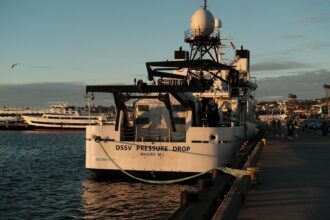
Vessel rerouting, a practice often necessitated by unforeseen circumstances such as natural disasters, geopolitical tensions, or logistical challenges, has far-reaching implications across various sectors. The decision to alter a vessel’s course can significantly affect shipping schedules, supply chains, and even global trade dynamics. When a vessel is rerouted, it not only impacts the immediate stakeholders involved but also reverberates through the entire maritime ecosystem.
Moreover, the impact of vessel rerouting extends beyond economic considerations. It can also influence relationships between shipping companies and their clients, as well as between nations engaged in maritime trade.
For instance, if a vessel is forced to take a longer route due to geopolitical tensions in a specific region, it may lead to strained relations between trading partners. Understanding these multifaceted impacts is crucial for stakeholders in the maritime industry, as it allows them to anticipate challenges and develop strategies to mitigate adverse effects.
Key Takeaways
- Vessel rerouting significantly impacts financial, environmental, operational, legal, and social aspects of maritime activities.
- Assessing and mitigating the financial and environmental costs are crucial for sustainable vessel rerouting decisions.
- Operational challenges and safety concerns must be carefully managed to ensure smooth and secure rerouting processes.
- Leveraging technology and stakeholder collaboration can effectively address the complexities and consequences of rerouting.
- Strategic planning is essential to minimize costs and prepare for future changes in vessel rerouting practices.
Assessing the Financial Implications of Vessel Rerouting
The financial implications of vessel rerouting are profound and multifaceted. When a vessel is rerouted, the immediate costs can escalate due to increased fuel consumption, longer travel times, and potential port fees at alternative destinations. These additional expenses can significantly affect the bottom line for shipping companies, which may need to absorb these costs or pass them on to customers.
The financial strain can be particularly acute for smaller shipping firms that operate on thin margins and may lack the financial resilience to weather unexpected rerouting scenarios. Furthermore, the long-term financial implications can be equally concerning. Frequent rerouting can lead to a loss of customer trust and loyalty, as clients may seek more reliable shipping partners if they perceive that a company cannot manage its logistics effectively.
Additionally, the potential for increased insurance premiums due to heightened risks associated with rerouting can further strain financial resources. Therefore, a comprehensive assessment of the financial implications is essential for shipping companies to develop robust risk management strategies and maintain their competitive edge in an increasingly volatile market.
Analyzing the Environmental Costs of Vessel Rerouting
The environmental costs associated with vessel rerouting are becoming an increasingly pressing concern in today’s climate-conscious world. When vessels are forced to take longer routes, they often consume more fuel, leading to higher greenhouse gas emissions. This increase in emissions contributes to global warming and air pollution, which have far-reaching consequences for ecosystems and human health.
The maritime industry is under growing scrutiny to reduce its carbon footprint, and rerouting can undermine these efforts by negating gains made through more efficient practices. In addition to carbon emissions, vessel rerouting can also have detrimental effects on marine ecosystems. Altered shipping routes may lead vessels through sensitive areas that are home to endangered species or critical habitats.
The increased traffic in these regions can result in disturbances to marine life, including noise pollution and potential collisions with wildlife. As environmental regulations become more stringent, shipping companies must consider these ecological impacts when planning routes and be prepared to address potential backlash from environmental advocacy groups.
Exploring the Operational Challenges of Vessel Rerouting
Operational challenges are inherent in the process of vessel rerouting and can complicate logistics significantly. One of the primary challenges is the need for real-time data and communication among various stakeholders involved in maritime operations. When a vessel is rerouted, it is crucial for shipping companies to quickly inform port authorities, cargo owners, and other relevant parties to ensure smooth transitions and minimize disruptions.
Failure to communicate effectively can lead to confusion at ports and delays in cargo handling. Additionally, rerouting often requires adjustments in crew schedules and port logistics, which can be logistically complex. Crew members may need to be reassigned or extended on duty beyond their planned schedules, leading to potential fatigue and safety concerns.
Furthermore, port facilities may not be equipped to handle unexpected arrivals or changes in cargo types, resulting in bottlenecks that can exacerbate delays. Addressing these operational challenges requires careful planning and coordination among all parties involved in maritime logistics.
Identifying the Legal and Regulatory Considerations of Vessel Rerouting
| Vessel Name | Original Route (Nautical Miles) | Rerouted Distance (Nautical Miles) | Additional Distance (Nautical Miles) | Fuel Consumption Rate (tons/day) | Additional Fuel Cost (tons) | Delay (hours) | Reason for Rerouting |
|---|---|---|---|---|---|---|---|
| MV Ocean Star | 5000 | 5200 | 200 | 30 | 25 | 12 | Storm Avoidance |
| SS Marine Queen | 4500 | 4700 | 200 | 28 | 23 | 10 | Port Congestion |
| MV Neptune | 6000 | 6300 | 300 | 35 | 40 | 18 | Canal Closure |
| SS Atlantic Breeze | 5500 | 5650 | 150 | 32 | 20 | 8 | Iceberg Avoidance |
| MV Coral Wave | 4800 | 5000 | 200 | 29 | 22 | 11 | Security Threat |
Legal and regulatory considerations play a significant role in vessel rerouting decisions. Shipping companies must navigate a complex web of international laws, treaties, and local regulations that govern maritime operations. When a vessel is rerouted, it may enter jurisdictions with different legal frameworks that could impose additional compliance requirements or restrictions on operations.
This complexity necessitates thorough legal analysis to avoid potential liabilities or penalties. Moreover, regulatory bodies often impose strict environmental standards that must be adhered to during rerouting scenarios. For instance, if a vessel is diverted into a protected marine area, it may face heightened scrutiny from environmental regulators.
Shipping companies must ensure compliance with all applicable laws while also considering the potential for changes in tariffs or trade agreements that could arise from altered routes. Understanding these legal implications is essential for minimizing risks and ensuring smooth operations during rerouting events.
Evaluating the Safety and Security Concerns of Vessel Rerouting
Safety and security concerns are paramount when it comes to vessel rerouting. The decision to alter a vessel’s course can expose it to new risks that were not present on its original route. For example, if a vessel is rerouted through waters known for piracy or geopolitical instability, it may face heightened security threats that necessitate additional precautions or even armed escorts.
Shipping companies must conduct thorough risk assessments to evaluate these potential dangers and implement appropriate safety measures. In addition to external threats, there are also internal safety considerations related to crew welfare and operational integrity during rerouting scenarios. Longer voyages can lead to increased fatigue among crew members, which may compromise safety onboard.
Furthermore, navigating unfamiliar waters can pose challenges for ship operators who may not be accustomed to local navigational hazards or weather patterns. Ensuring the safety of both crew and cargo during rerouting requires comprehensive training and preparedness measures.
Mitigating the Social and Community Effects of Vessel Rerouting
The social and community effects of vessel rerouting are often overlooked but can have significant implications for local populations. When vessels are diverted from their usual routes or ports, communities that rely on maritime trade may experience economic disruptions. For instance, local businesses that depend on shipping traffic for their livelihoods may suffer from reduced footfall or loss of revenue due to delays in cargo deliveries.
Moreover, rerouted vessels may introduce new challenges for communities along alternative routes.
Local residents may also express apprehension about safety risks associated with larger vessels navigating through their waters.
To mitigate these social impacts, shipping companies should engage with local communities proactively, fostering dialogue and collaboration to address concerns while ensuring that economic benefits are shared equitably.
Implementing Strategies to Minimize the Costs of Vessel Rerouting
To effectively manage the costs associated with vessel rerouting, shipping companies must implement strategic measures aimed at minimizing financial burdens while maintaining operational efficiency. One approach involves investing in advanced route optimization technologies that utilize real-time data analytics to identify the most efficient paths based on current conditions such as weather patterns and traffic congestion. By leveraging these tools, companies can reduce fuel consumption and overall operational costs during rerouting scenarios.
Additionally, establishing contingency plans ahead of time can help mitigate disruptions caused by unexpected events that necessitate rerouting. By developing flexible logistics frameworks that allow for quick adjustments in response to changing circumstances, shipping companies can minimize delays and associated costs. Training staff on these contingency protocols ensures that everyone involved is prepared to act swiftly when faced with rerouting challenges.
Leveraging Technology to Navigate the Costs of Vessel Rerouting
Technology plays a pivotal role in navigating the complexities and costs associated with vessel rerouting. The advent of digital tools such as predictive analytics and artificial intelligence has transformed how shipping companies approach route planning and decision-making processes. By harnessing these technologies, companies can analyze vast amounts of data related to weather patterns, port conditions, and historical traffic trends to make informed decisions about potential reroutes.
Moreover, real-time tracking systems enable shipping companies to monitor vessels continuously throughout their journeys. This capability allows for timely adjustments based on changing conditions or emerging threats while providing stakeholders with up-to-date information about cargo status. By leveraging technology effectively, shipping companies can enhance operational efficiency during rerouting scenarios while minimizing costs associated with delays or unforeseen challenges.
Collaborating with Stakeholders to Address the Consequences of Vessel Rerouting
Collaboration among stakeholders is essential for addressing the multifaceted consequences of vessel rerouting effectively. Shipping companies must engage with various parties—including port authorities, local communities, environmental organizations, and regulatory bodies—to develop comprehensive strategies that consider diverse perspectives and interests. By fostering open communication channels among stakeholders, companies can identify potential challenges early on and work collaboratively toward solutions that benefit all parties involved.
Additionally, partnerships with environmental organizations can help shipping companies navigate regulatory requirements while demonstrating their commitment to sustainability during rerouting events. Engaging with local communities allows companies to understand social impacts better and develop initiatives that support economic resilience in affected areas. Through collaborative efforts, stakeholders can create a more resilient maritime ecosystem capable of adapting to the challenges posed by vessel rerouting.
Planning for the Future of Vessel Rerouting and its Costs
As global trade continues to evolve amidst shifting geopolitical landscapes and environmental concerns, planning for the future of vessel rerouting will be critical for shipping companies seeking long-term sustainability. This involves not only anticipating potential disruptions but also embracing innovative practices that enhance resilience against unforeseen challenges. Companies must invest in research and development initiatives aimed at improving operational efficiency while reducing environmental impacts associated with rerouting.
Furthermore, proactive engagement with policymakers will be essential in shaping regulations that support sustainable maritime practices while addressing safety concerns related to vessel rerouting. By advocating for policies that promote collaboration among stakeholders across sectors—such as transportation infrastructure investments or incentives for adopting greener technologies—shipping companies can contribute positively toward building a more sustainable future for maritime trade. In conclusion, understanding the complexities surrounding vessel rerouting requires a multifaceted approach that considers economic implications alongside environmental impacts and social consequences.
By leveraging technology effectively while fostering collaboration among stakeholders, shipping companies can navigate these challenges successfully while positioning themselves for future growth in an ever-changing global landscape.
In recent discussions about the impact of vessel rerouting on fuel costs and delays, an insightful article can be found on In The War Room. This article delves into the complexities of maritime logistics and how unexpected changes in shipping routes can significantly affect operational expenses and delivery timelines. For more information, you can read the full article [here](https://www.inthewarroom.com/).
WATCH THIS! 🌊 The Invisible Army That Controls Global Shipping
FAQs
What is vessel rerouting?
Vessel rerouting refers to the process of changing a ship’s planned course or route, often due to weather conditions, port congestion, or other operational considerations.
How does vessel rerouting affect fuel costs?
Rerouting a vessel can increase fuel consumption because the ship may travel a longer distance or encounter less favorable sea conditions, leading to higher fuel costs.
Can vessel rerouting cause delays?
Yes, changing a vessel’s route can result in delays, as the ship may take more time to reach its destination compared to the original planned route.
What factors typically lead to vessel rerouting?
Common factors include adverse weather, port congestion, navigational hazards, geopolitical issues, or operational decisions aimed at optimizing safety and efficiency.
How do fuel costs impact shipping companies during rerouting?
Increased fuel consumption due to rerouting raises operational expenses for shipping companies, which can affect profitability and may lead to higher shipping rates.
Are there strategies to minimize delays and fuel costs during vessel rerouting?
Yes, shipping companies use advanced route planning, weather forecasting, and fuel-efficient navigation techniques to reduce the impact of rerouting on costs and schedules.
Is vessel rerouting a common practice in maritime shipping?
Yes, vessel rerouting is a routine operational decision made to ensure safety, comply with regulations, and respond to dynamic maritime conditions.
How do delays from vessel rerouting affect supply chains?
Delays can disrupt delivery schedules, leading to potential shortages, increased inventory costs, and challenges in meeting customer demands within supply chains.