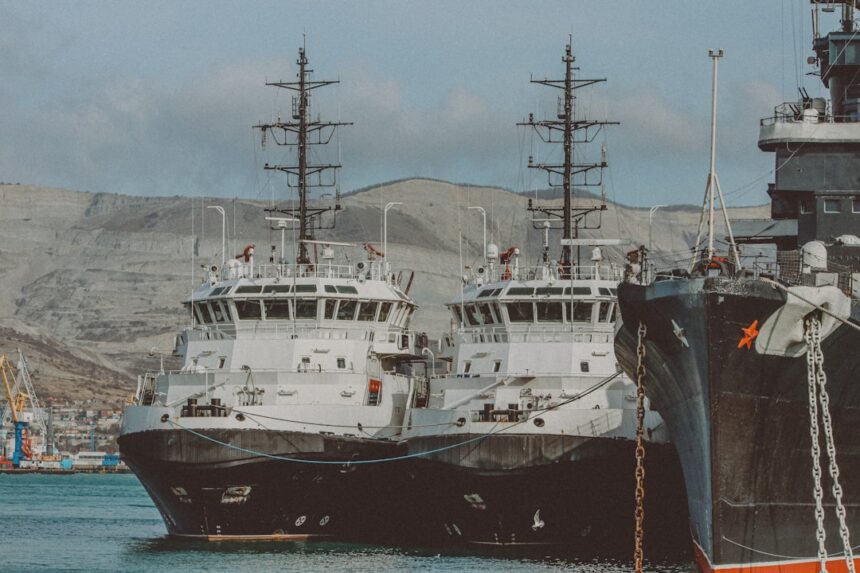
Maritime security corridor protocols are systematic frameworks established to protect international shipping lanes and oceanic trade routes. These protocols create designated safe passages for commercial and civilian vessels, maintaining the security of critical waterways that facilitate approximately 90% of global trade. The primary threats these systems address include piracy, human trafficking, drug smuggling, arms trafficking, and maritime terrorism.
These security frameworks operate through coordinated monitoring systems, naval patrols, and standardized communication procedures. Participating nations deploy surveillance technologies, including radar systems, satellite monitoring, and automatic identification systems (AIS) to track vessel movements within designated corridors. The protocols establish clear procedures for threat assessment, incident response, and information sharing between maritime authorities.
International cooperation forms the foundation of effective maritime security corridor implementation. Organizations such as the International Maritime Organization (IMO), regional maritime security initiatives, and bilateral agreements between nations facilitate the coordination of these efforts. Countries contribute naval assets, intelligence capabilities, and technological resources to maintain corridor security.
Notable examples include the Maritime Security Transit Corridor in the Gulf of Aden, established to combat Somali piracy, and various security arrangements in the South China Sea, Persian Gulf, and Mediterranean Sea. The economic impact of these protocols is substantial, as disruptions to major shipping routes can affect global supply chains and commodity prices. The protocols help maintain the flow of approximately $14 trillion worth of goods that transit through international waters annually, while reducing insurance costs and delivery delays associated with maritime security risks.
Key Takeaways
- Maritime security corridor protocols are essential for safe and efficient maritime operations.
- Effective communication and collaboration among stakeholders enhance security measures.
- Advanced technology and surveillance systems improve threat detection and response.
- Regular training, drills, and compliance with international regulations ensure preparedness.
- Partnerships and information sharing strengthen regional and global maritime security efforts.
Establishing Effective Communication and Collaboration Amongst Maritime Stakeholders
Effective communication and collaboration among maritime stakeholders are essential components of a robust maritime security framework. Stakeholders include government agencies, shipping companies, port authorities, and law enforcement organizations, all of which play a vital role in ensuring the safety and security of maritime operations. Establishing clear lines of communication allows for the timely sharing of information regarding potential threats, incidents, or changes in regulations.
This proactive approach enables stakeholders to respond swiftly to emerging challenges, minimizing risks and enhancing overall maritime security. In addition to communication, collaboration among stakeholders is critical for developing comprehensive security strategies. By working together, stakeholders can identify vulnerabilities within their operations and devise joint initiatives to address them.
For instance, regular meetings and workshops can facilitate knowledge sharing and best practices among different entities. Furthermore, collaborative training exercises can help build trust and understanding among stakeholders, ensuring that everyone is prepared to respond effectively in the event of a security incident. Ultimately, fostering a culture of communication and collaboration enhances the resilience of maritime security systems.
Developing Comprehensive Risk Assessment and Response Plans
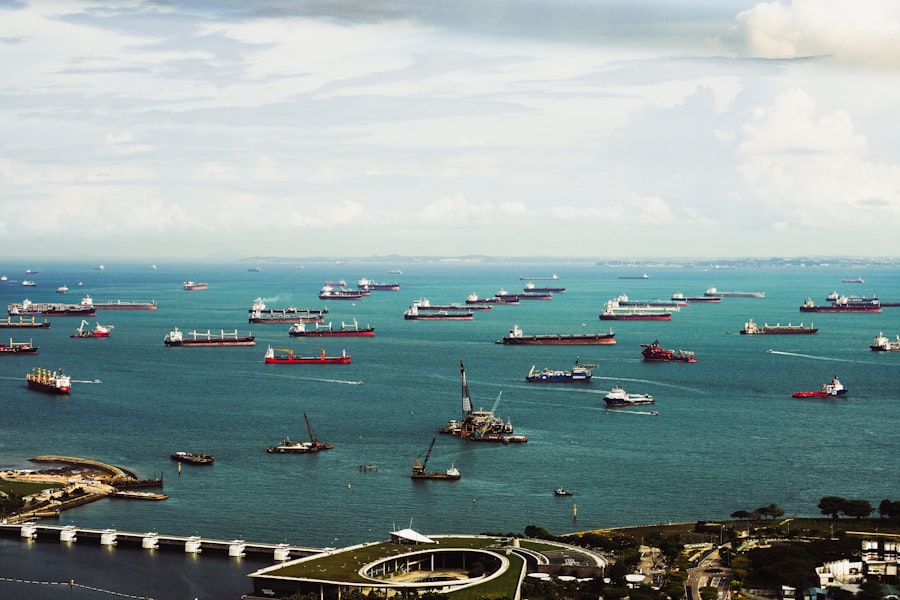
The development of comprehensive risk assessment and response plans is fundamental to effective maritime security management. Risk assessments involve identifying potential threats and vulnerabilities within maritime operations, allowing stakeholders to prioritize their resources and efforts accordingly. By conducting thorough assessments, organizations can gain insights into the specific risks they face, whether they stem from piracy, environmental hazards, or geopolitical tensions.
This information is invaluable for crafting tailored response plans that address the unique challenges posed by each threat. Response plans should be dynamic and adaptable, reflecting the ever-evolving nature of maritime security risks. They must outline clear procedures for responding to various scenarios, including emergency protocols for evacuating vessels or coordinating with law enforcement agencies during incidents.
Additionally, these plans should incorporate lessons learned from past incidents to improve future responses. Regular reviews and updates are essential to ensure that response plans remain relevant and effective in addressing emerging threats. By investing in comprehensive risk assessment and response planning, maritime stakeholders can significantly enhance their preparedness for potential security challenges.
Implementing Advanced Technology and Surveillance Systems
The integration of advanced technology and surveillance systems is transforming the landscape of maritime security. Innovations such as satellite tracking, drones, and automated identification systems (AIS) provide real-time data on vessel movements, enabling authorities to monitor maritime traffic more effectively. These technologies enhance situational awareness, allowing stakeholders to detect anomalies or suspicious activities promptly.
For instance, satellite imagery can be used to identify unauthorized vessels in restricted areas or track the movements of known threats. Moreover, advanced technology facilitates better coordination among maritime security agencies. By utilizing centralized databases and communication platforms, stakeholders can share information seamlessly, improving their collective response capabilities.
The use of artificial intelligence (AI) in analyzing vast amounts of data can also aid in predicting potential threats based on historical patterns. As technology continues to evolve, its application in maritime security will become increasingly sophisticated, providing stakeholders with powerful tools to safeguard their interests on the high seas.
Ensuring Compliance with International Maritime Security Regulations
| Protocol | Description | Key Metrics | Implementation Status | Responsible Authority |
|---|---|---|---|---|
| Vessel Identification and Tracking | Mandatory AIS and radar tracking for all vessels entering the corridor | 95% vessel compliance rate, 24/7 monitoring | Fully Implemented | Maritime Security Agency (MSA) |
| Access Control and Authorization | Pre-authorization required for corridor entry with background checks | 100% pre-authorization, average processing time: 48 hours | Partially Implemented | Port Authority & Customs |
| Patrol and Surveillance Operations | Regular patrols by coast guard and drone surveillance | Daily patrols: 3, Drone flights per week: 14 | Fully Implemented | Coast Guard |
| Incident Reporting and Response | Real-time incident reporting system with rapid response teams | Average response time: 15 minutes, Incident reports per month: 5 | Fully Implemented | Maritime Security Operations Center |
| Environmental Protection Measures | Protocols to prevent pollution and protect marine life | Zero pollution incidents in last 12 months | Implemented | Environmental Protection Agency |
Compliance with international maritime security regulations is paramount for maintaining a secure maritime environment. Various organizations, such as the International Maritime Organization (IMO), have established guidelines and frameworks that govern maritime security practices worldwide. Adhering to these regulations not only ensures that nations meet their legal obligations but also enhances their credibility on the global stage.
Countries that demonstrate a commitment to compliance are more likely to foster trust among international partners and attract foreign investment in their maritime sectors. To ensure compliance, it is essential for nations to implement robust regulatory frameworks at the national level. This includes enacting laws that align with international standards and establishing enforcement mechanisms to monitor adherence.
Regular audits and assessments can help identify areas for improvement and ensure that stakeholders are following established protocols. Additionally, engaging in international dialogues and forums allows countries to stay informed about evolving regulations and best practices. By prioritizing compliance with international maritime security regulations, nations can contribute to a safer global maritime environment.
Training and Equipping Maritime Security Personnel
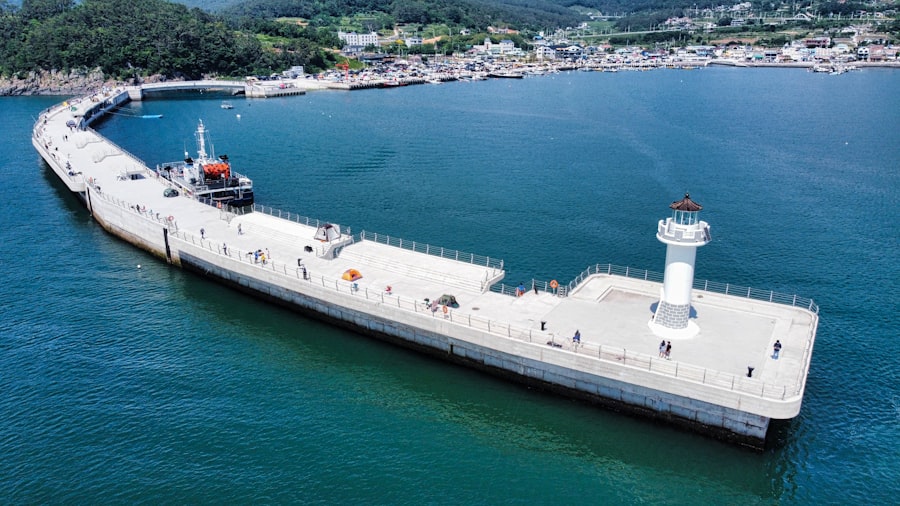
The effectiveness of maritime security operations largely depends on the training and equipping of personnel involved in these efforts. Well-trained security personnel are better prepared to respond to incidents, assess risks, and implement security measures effectively. Training programs should encompass a wide range of topics, including threat recognition, emergency response procedures, and the use of advanced technology in surveillance operations.
Regular drills and simulations can help reinforce skills and ensure that personnel are familiar with protocols. Equipping personnel with the necessary tools is equally important for enhancing their operational capabilities. This includes providing access to advanced surveillance equipment, communication devices, and protective gear.
Investing in state-of-the-art technology not only improves personnel safety but also enhances their ability to carry out their duties effectively. Furthermore, fostering a culture of continuous learning encourages personnel to stay updated on emerging threats and best practices in maritime security. By prioritizing training and equipping efforts, organizations can build a highly skilled workforce capable of addressing complex maritime security challenges.
Building Partnerships with Regional and International Maritime Security Organizations
Building partnerships with regional and international maritime security organizations is essential for enhancing collective security efforts. Collaborative initiatives allow countries to share resources, expertise, and intelligence in addressing common threats. Regional organizations often have a deeper understanding of local dynamics and can facilitate cooperation among neighboring nations facing similar challenges.
By participating in joint exercises and training programs, countries can strengthen their capabilities while fostering trust among partners. International partnerships also play a vital role in addressing transnational maritime threats such as piracy and human trafficking. Organizations like INTERPOL and the United Nations Office on Drugs and Crime (UNODC) provide platforms for information sharing and coordination among member states.
Engaging with these organizations enables countries to access valuable resources and expertise while contributing to global efforts in combating maritime crime. By actively participating in regional and international partnerships, nations can enhance their maritime security posture while promoting stability in the broader maritime domain.
Conducting Regular Security Drills and Exercises
Regular security drills and exercises are critical for testing the effectiveness of maritime security protocols and response plans. These simulations provide an opportunity for personnel to practice their skills in realistic scenarios, ensuring that they are prepared for potential incidents. Drills can range from tabletop exercises that focus on decision-making processes to full-scale simulations involving multiple agencies responding to a simulated threat.
By conducting these exercises regularly, organizations can identify gaps in their preparedness and make necessary adjustments. Furthermore, involving various stakeholders in these drills fosters collaboration and communication among different entities involved in maritime security. When agencies work together during exercises, they develop a better understanding of each other’s roles and responsibilities during an actual incident.
This collaborative approach enhances coordination during real emergencies, ultimately leading to more effective responses. Regularly scheduled drills not only improve individual agency readiness but also contribute to a more resilient overall maritime security framework.
Enhancing Information Sharing and Intelligence Gathering
Enhancing information sharing and intelligence gathering is vital for effective maritime security operations. Timely access to relevant information allows stakeholders to make informed decisions regarding potential threats or vulnerabilities within their operations. Establishing secure communication channels for sharing intelligence among various agencies ensures that critical information reaches those who need it most promptly.
This collaborative approach enables stakeholders to respond proactively rather than reactively to emerging threats. Moreover, investing in intelligence-gathering capabilities enhances situational awareness within the maritime domain. Utilizing advanced technologies such as data analytics can help identify patterns or trends related to criminal activities at sea.
Engaging with regional partners also facilitates cross-border intelligence sharing, allowing countries to address transnational threats more effectively. By prioritizing information sharing and intelligence gathering efforts, stakeholders can significantly improve their ability to anticipate and mitigate potential risks within the maritime environment.
Addressing Environmental and Humanitarian Concerns in Maritime Security Operations
While ensuring maritime security is paramount, it is equally important to address environmental and humanitarian concerns within this context. Maritime operations often intersect with ecological preservation efforts; therefore, stakeholders must consider the environmental impact of their actions when implementing security measures. For instance, anti-piracy operations should be conducted with minimal disruption to marine ecosystems while still effectively deterring criminal activities.
Additionally, humanitarian concerns must be integrated into maritime security strategies. Issues such as human trafficking or migrant crises require a compassionate approach that balances security needs with respect for human rights. Training personnel on recognizing signs of distress or exploitation at sea can enhance their ability to respond appropriately while maintaining a focus on humanitarian principles.
By addressing environmental sustainability alongside security objectives, stakeholders can create a more holistic approach that benefits both people and ecosystems.
Monitoring and Evaluating the Effectiveness of Maritime Security Corridor Protocols
Monitoring and evaluating the effectiveness of maritime security corridor protocols is essential for continuous improvement in safeguarding maritime operations.
Key performance indicators (KPIs) can be established to track progress over time; these may include metrics related to incident rates or response times during emergencies.
Feedback mechanisms should also be established to gather insights from personnel involved in implementing these protocols on the ground level. Their experiences can provide valuable information regarding potential challenges or areas for improvement within existing frameworks. By fostering a culture of evaluation and adaptation, stakeholders can ensure that maritime security corridor protocols remain relevant in addressing evolving threats while enhancing overall safety at sea.
In conclusion, the multifaceted nature of maritime security necessitates a comprehensive approach that encompasses various strategies ranging from effective communication among stakeholders to advanced technological integration. By prioritizing collaboration, training personnel adequately, building partnerships with relevant organizations, addressing environmental concerns alongside security objectives, monitoring effectiveness through regular evaluations—stakeholders can create a resilient framework capable of safeguarding vital trade routes while promoting stability across global waters.
Maritime security corridor protocols are essential for ensuring safe passage through critical waterways, particularly in regions prone to piracy and other maritime threats. A related article that delves deeper into the implications and strategies surrounding these protocols can be found at this link. This resource provides valuable insights into the operational frameworks and international cooperation necessary to enhance maritime security.
WATCH THIS! 🌊 The Invisible Army That Controls Global Shipping
FAQs
What is a maritime security corridor?
A maritime security corridor is a designated sea route established to enhance the safety and security of vessels passing through high-risk or sensitive maritime areas. These corridors are monitored and controlled to prevent piracy, smuggling, and other illegal activities.
Why are maritime security corridor protocols important?
Maritime security corridor protocols are important because they provide standardized procedures for ships, naval forces, and maritime authorities to follow, ensuring safe passage, reducing the risk of conflicts, and enhancing overall maritime security in vulnerable regions.
Who establishes maritime security corridor protocols?
Maritime security corridor protocols are typically established by international organizations such as the International Maritime Organization (IMO), regional maritime security coalitions, or national governments in cooperation with neighboring states and maritime stakeholders.
What are the key components of maritime security corridor protocols?
Key components usually include designated routes, communication procedures, identification and verification processes, rules of engagement, reporting requirements, and coordination mechanisms among naval and coast guard forces.
How do ships comply with maritime security corridor protocols?
Ships comply by following prescribed routes, maintaining communication with maritime authorities, adhering to speed and navigation guidelines, reporting their position regularly, and cooperating with security inspections or escorts if required.
Are maritime security corridor protocols legally binding?
Protocols can be legally binding if adopted under international treaties or national laws. In other cases, they may serve as recommended guidelines or best practices agreed upon by participating states and maritime organizations.
What regions commonly have maritime security corridors?
Regions with high piracy risk, territorial disputes, or strategic importance often have maritime security corridors. Examples include the Gulf of Aden, the Strait of Malacca, the Gulf of Guinea, and parts of the South China Sea.
How do maritime security corridors help combat piracy?
By establishing monitored and controlled routes, maritime security corridors reduce opportunities for pirate attacks, facilitate rapid response by naval forces, and improve information sharing among vessels and authorities.
Can maritime security corridor protocols change over time?
Yes, protocols can be updated or modified based on changing security threats, technological advancements, or diplomatic agreements to ensure continued effectiveness and relevance.
Where can mariners find information about maritime security corridor protocols?
Information is typically available through official maritime authorities, international maritime organizations, naval commands, and maritime security advisories issued by governments or regional security coalitions.