
Supply chain disruption has emerged as a critical concern for businesses across various sectors, particularly in an increasingly interconnected global economy. Disruptions can stem from a multitude of sources, including natural disasters, geopolitical tensions, pandemics, and even technological failures. These interruptions can lead to significant delays in production, increased costs, and ultimately, a loss of customer trust.
Understanding the nature of these disruptions is essential for organizations aiming to navigate the complexities of modern supply chains effectively. The impact of supply chain disruptions can be profound, affecting not only the immediate operations of a business but also its long-term viability. Companies may find themselves grappling with inventory shortages, fluctuating demand, and the challenge of maintaining service levels.
As such, a comprehensive understanding of the factors that contribute to supply chain disruptions is vital. This knowledge enables organizations to develop proactive strategies that mitigate risks and enhance their overall resilience in the face of uncertainty.
Key Takeaways
- Supply chain disruptions require understanding and addressing key logistics challenges.
- Technology and data analytics enhance supply chain visibility and informed decision-making.
- Diversifying transportation and building strong supplier relationships increase resilience.
- Effective inventory management and contingency planning mitigate disruption impacts.
- Streamlined communication and adapting to customer demands are crucial for agility.
Identifying Key Logistics Challenges
Logistics challenges are often at the forefront of supply chain disruptions, presenting obstacles that can hinder the smooth flow of goods and services.
As businesses expand their reach globally, they must navigate various regulations, customs procedures, and logistical constraints that can complicate operations.
This complexity can lead to delays and increased costs, making it imperative for organizations to identify and address these challenges proactively. Another significant logistics challenge is the unpredictability of demand. Fluctuations in consumer preferences, seasonal trends, and economic shifts can create uncertainty in inventory management and distribution planning.
Companies must be agile enough to respond to these changes while maintaining efficiency in their logistics operations. By recognizing these key challenges, organizations can implement targeted strategies that enhance their logistics capabilities and improve overall supply chain performance.
Utilizing Technology for Supply Chain Visibility
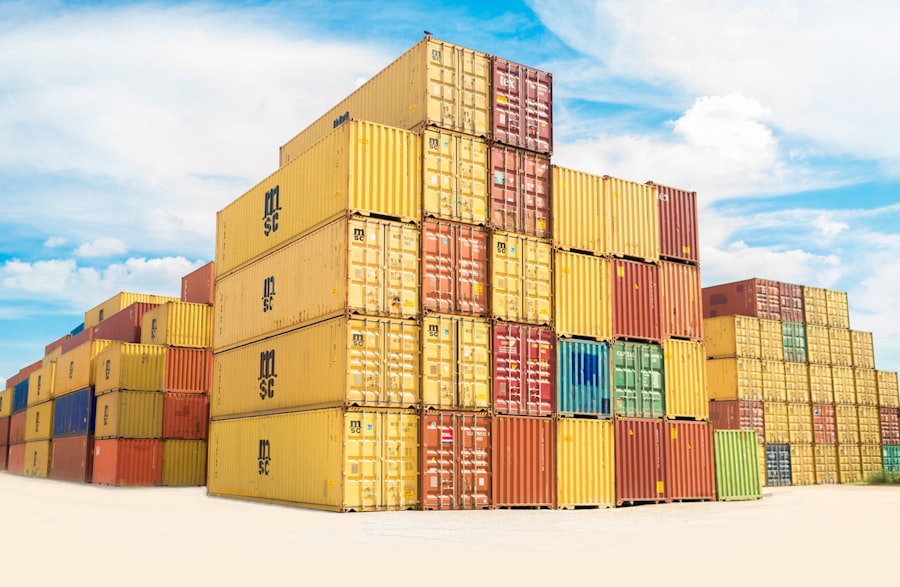
In today’s digital age, technology plays a pivotal role in enhancing supply chain visibility. Advanced tools such as real-time tracking systems, Internet of Things (IoT) devices, and data analytics platforms enable organizations to monitor their supply chains more effectively. By leveraging these technologies, businesses can gain insights into their operations, identify potential bottlenecks, and make informed decisions that drive efficiency.
Moreover, enhanced visibility allows companies to respond swiftly to disruptions as they arise. For instance, if a shipment is delayed due to unforeseen circumstances, organizations equipped with real-time tracking can quickly adjust their logistics plans to minimize the impact on their operations. This proactive approach not only helps mitigate risks but also fosters greater collaboration among supply chain partners, ultimately leading to improved service levels and customer satisfaction.
Implementing Inventory Management Strategies
Effective inventory management is crucial for mitigating the effects of supply chain disruptions. Organizations must adopt strategies that balance the need for sufficient stock levels with the desire to minimize holding costs. One approach is the implementation of just-in-time (JIT) inventory systems, which aim to reduce excess inventory by aligning production schedules closely with customer demand.
While this strategy can enhance efficiency, it also requires a high level of coordination among suppliers and logistics partners. Another effective inventory management strategy is the use of safety stock. By maintaining a buffer of extra inventory, companies can better absorb fluctuations in demand or unexpected delays in supply.
This approach provides a cushion against disruptions while ensuring that customer orders are fulfilled promptly. Ultimately, a well-thought-out inventory management strategy not only enhances operational efficiency but also strengthens a company’s ability to withstand supply chain disruptions.
Diversifying Transportation Options
| Metric | Description | Typical Impact | Measurement Unit | Example Value |
|---|---|---|---|---|
| Lead Time Delay | Additional time taken to deliver goods due to disruptions | Increased delivery times, customer dissatisfaction | Days | 5 |
| Inventory Stockouts | Number of times inventory runs out due to supply chain issues | Lost sales, production halts | Occurrences per month | 3 |
| Transportation Cost Increase | Additional logistics costs incurred due to rerouting or delays | Higher operational expenses | Percentage increase | 15% |
| Order Fulfillment Rate | Percentage of orders completed on time despite disruptions | Customer satisfaction and retention | Percentage | 85% |
| Supplier Lead Time Variability | Fluctuation in supplier delivery times | Planning uncertainty | Days | ±3 |
| Backorder Volume | Number of orders delayed due to supply shortages | Customer dissatisfaction, increased workload | Units | 120 |
| Warehouse Throughput Reduction | Decrease in processing capacity due to disruptions | Slower order processing | Percentage decrease | 20% |
Diversifying transportation options is a critical strategy for enhancing supply chain resilience. Relying on a single mode of transportation or a limited number of carriers can expose businesses to significant risks in the event of disruptions. By exploring alternative transportation methods—such as air freight, rail, road, and maritime shipping—organizations can create a more flexible logistics network that can adapt to changing circumstances.
Additionally, diversifying transportation options allows companies to optimize costs and improve delivery times. For instance, while air freight may be more expensive than ground transportation, it can provide faster delivery for time-sensitive shipments. By strategically selecting transportation modes based on specific needs and circumstances, businesses can enhance their overall supply chain performance while minimizing the impact of potential disruptions.
Building Resilient Supplier Relationships
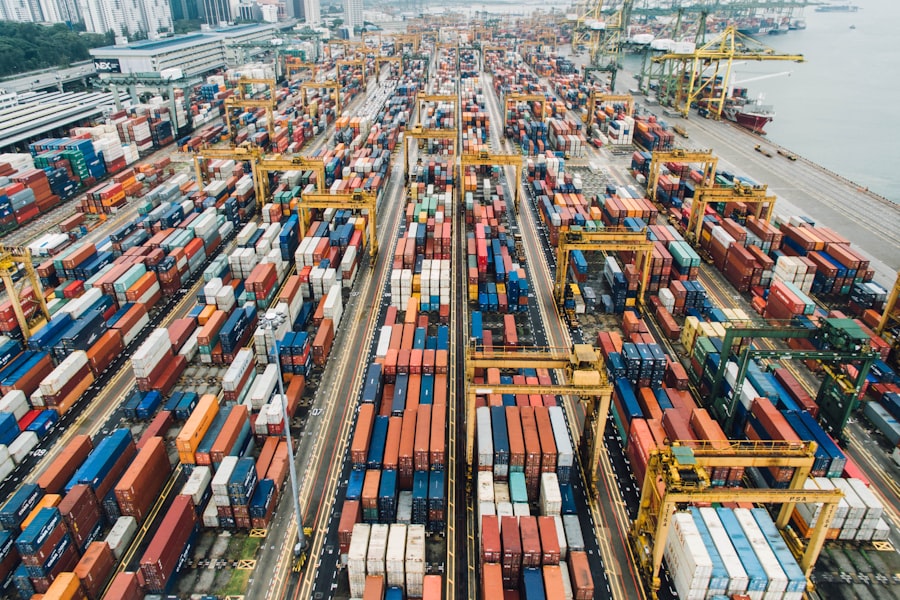
The strength of supplier relationships plays a crucial role in an organization’s ability to navigate supply chain disruptions effectively. Building resilient partnerships with suppliers involves fostering open communication, mutual trust, and collaboration. When suppliers are viewed as strategic partners rather than mere vendors, organizations can work together to identify potential risks and develop contingency plans that benefit both parties.
Moreover, resilient supplier relationships enable companies to respond more effectively to disruptions when they occur. For instance, if a supplier faces challenges in meeting demand due to unforeseen circumstances, a strong partnership allows for transparent discussions about alternative solutions or adjustments in delivery schedules. By investing in these relationships, organizations can create a more agile supply chain capable of weathering disruptions while maintaining service levels.
Creating Contingency Plans for Disruption
Contingency planning is an essential component of effective supply chain management. Organizations must develop comprehensive plans that outline specific actions to take in response to various types of disruptions. These plans should encompass all aspects of the supply chain, including sourcing, production, logistics, and customer service.
A well-crafted contingency plan not only prepares organizations for potential disruptions but also instills confidence among stakeholders.
Additionally, having contingency plans allows businesses to respond quickly and decisively when disruptions occur, minimizing downtime and maintaining customer satisfaction.
Streamlining Communication and Collaboration
Effective communication and collaboration are vital for navigating supply chain disruptions successfully. Organizations must establish clear channels of communication among all stakeholders involved in the supply chain, including suppliers, logistics partners, and internal teams. By fostering an environment of transparency and collaboration, companies can ensure that everyone is aligned and informed during times of disruption.
Moreover, leveraging collaborative technologies—such as shared platforms for tracking shipments or managing inventory—can enhance communication across the supply chain. These tools enable real-time information sharing and facilitate quicker decision-making processes. When all parties are on the same page, organizations can respond more effectively to disruptions and maintain operational continuity.
Leveraging Data Analytics for Decision Making
Data analytics has become an indispensable tool for organizations seeking to enhance their supply chain resilience. By harnessing data from various sources—such as sales forecasts, market trends, and supplier performance—companies can make informed decisions that drive efficiency and mitigate risks. Advanced analytics tools enable businesses to identify patterns and trends that may indicate potential disruptions before they occur.
Furthermore, data analytics allows organizations to evaluate the effectiveness of their supply chain strategies continuously. By analyzing key performance indicators (KPIs) related to inventory turnover, order fulfillment rates, and transportation costs, companies can identify areas for improvement and make data-driven adjustments as needed. This proactive approach not only enhances operational efficiency but also strengthens an organization’s ability to adapt to changing market conditions.
Investing in Risk Management Strategies
Investing in risk management strategies is essential for organizations aiming to build resilient supply chains capable of withstanding disruptions. A comprehensive risk management framework involves identifying potential risks across the supply chain landscape and developing strategies to mitigate them effectively. This may include diversifying suppliers, implementing robust quality control measures, or investing in insurance coverage for critical assets.
Moreover, organizations should regularly assess their risk management strategies to ensure they remain relevant in an ever-evolving landscape. Conducting risk assessments and scenario planning exercises can help businesses identify vulnerabilities and develop targeted strategies for addressing them. By prioritizing risk management as a core component of their supply chain strategy, organizations can enhance their resilience and safeguard against potential disruptions.
Adapting to Changing Customer Demands
In an era marked by rapid technological advancements and shifting consumer preferences, organizations must remain agile in adapting to changing customer demands. Supply chains must be designed with flexibility in mind to accommodate fluctuations in demand patterns or emerging trends. This adaptability requires continuous monitoring of market dynamics and a willingness to pivot strategies as needed.
Additionally, engaging with customers directly can provide valuable insights into their evolving needs and preferences. By soliciting feedback and conducting market research, organizations can better understand what drives customer satisfaction and loyalty. This information can inform product development decisions and help businesses tailor their offerings to meet changing demands effectively.
In conclusion, navigating supply chain disruptions requires a multifaceted approach that encompasses understanding the nature of disruptions, identifying key logistics challenges, leveraging technology for visibility, implementing effective inventory management strategies, diversifying transportation options, building resilient supplier relationships, creating contingency plans, streamlining communication and collaboration, leveraging data analytics for decision-making, investing in risk management strategies, and adapting to changing customer demands. By adopting these strategies holistically, organizations can enhance their resilience and thrive in an increasingly complex global marketplace.
Supply chain disruptions have become a critical issue for businesses worldwide, impacting logistics and overall operational efficiency. For a deeper understanding of the challenges and strategies related to this topic, you can read the insightful article available at In the War Room. This resource provides valuable perspectives on navigating the complexities of supply chain management in today’s volatile environment.
WATCH THIS! 🌊 The Invisible Army That Controls Global Shipping
FAQs
What is supply chain disruption in logistics?
Supply chain disruption in logistics refers to any event or circumstance that interrupts the normal flow of goods, materials, or information within a supply chain. These disruptions can cause delays, increased costs, and reduced efficiency in delivering products to customers.
What are common causes of supply chain disruptions?
Common causes include natural disasters, geopolitical events, pandemics, labor strikes, transportation failures, supplier insolvency, cyberattacks, and sudden changes in demand or supply.
How do supply chain disruptions impact logistics operations?
Disruptions can lead to delays in shipments, increased transportation and storage costs, inventory shortages or surpluses, reduced customer satisfaction, and challenges in meeting delivery deadlines.
What strategies can companies use to mitigate supply chain disruptions?
Companies can diversify suppliers, increase inventory buffers, invest in supply chain visibility technologies, develop contingency plans, enhance communication with partners, and adopt flexible logistics solutions.
How does technology help manage supply chain disruptions?
Technologies like real-time tracking, data analytics, artificial intelligence, and blockchain improve supply chain visibility, enable faster decision-making, predict potential disruptions, and enhance coordination among stakeholders.
What role does logistics play in recovering from supply chain disruptions?
Logistics is critical in rerouting shipments, managing alternative transportation modes, optimizing inventory distribution, and ensuring timely delivery to minimize the impact of disruptions on the overall supply chain.
Can supply chain disruptions affect global trade?
Yes, disruptions can cause delays and increased costs in international shipments, affect production schedules worldwide, and lead to shortages or surpluses in global markets.
How can businesses prepare for future supply chain disruptions?
Businesses can conduct risk assessments, build resilient supply networks, invest in flexible logistics infrastructure, train staff for crisis management, and continuously monitor global events that may impact supply chains.