Maritime geopolitics refers to the complex relationship between geographic factors, political interests, and naval capabilities across the world’s oceans. Nations compete for control over strategic sea routes, marine resources, and critical maritime passages, making naval power increasingly central to international relations. The oceans cover approximately 71% of Earth’s surface and function as essential corridors for global commerce and military deployment.
Understanding maritime geopolitics is therefore fundamental to analyzing current international power structures. Contemporary geopolitical tensions, territorial conflicts, and the emergence of expanding naval forces have highlighted the growing importance of maritime geopolitics. As states develop their naval capabilities and pursue interests in disputed waters, the likelihood of maritime conflicts has increased.
This analysis examines the historical development of naval strategy, the changing nature of maritime geopolitical relationships, and how naval power influences national strategic planning. The discussion includes an assessment of major maritime powers, the obstacles they encounter, and how technological developments and environmental factors may affect future naval strategies.
Key Takeaways
- Maritime geopolitics is crucial for understanding global power dynamics and naval strategy.
- Historical naval strategies have shaped current maritime geopolitical landscapes.
- Technological advancements and environmental factors are transforming naval power and strategy.
- Key global players and alliances significantly influence maritime security and geopolitical stability.
- Future naval strategies must adapt to evolving challenges, including environmental concerns and emerging threats.
Historical Context of Naval Strategy
The roots of naval strategy can be traced back to ancient civilizations, where control of waterways was paramount for trade and military dominance. The Greeks and Romans recognized the strategic importance of their navies in securing trade routes and projecting power across the Mediterranean. As empires expanded, so too did their naval capabilities, leading to a series of maritime conflicts that shaped the course of history.
The Age of Exploration in the 15th and 16th centuries marked a significant turning point, as European powers sought new trade routes and territories, often clashing on the high seas. The evolution of naval strategy continued through the centuries, with notable developments such as the establishment of powerful navies by Britain and Spain during the colonial era. The British Royal Navy, in particular, became synonymous with maritime supremacy, enabling Britain to dominate global trade and exert influence over vast territories.
The two World Wars further transformed naval strategy, introducing new technologies such as submarines and aircraft carriers that reshaped naval warfare. These historical precedents laid the groundwork for contemporary maritime geopolitics, where nations continue to leverage their naval capabilities to secure national interests.
The Changing Dynamics of Maritime Geopolitics
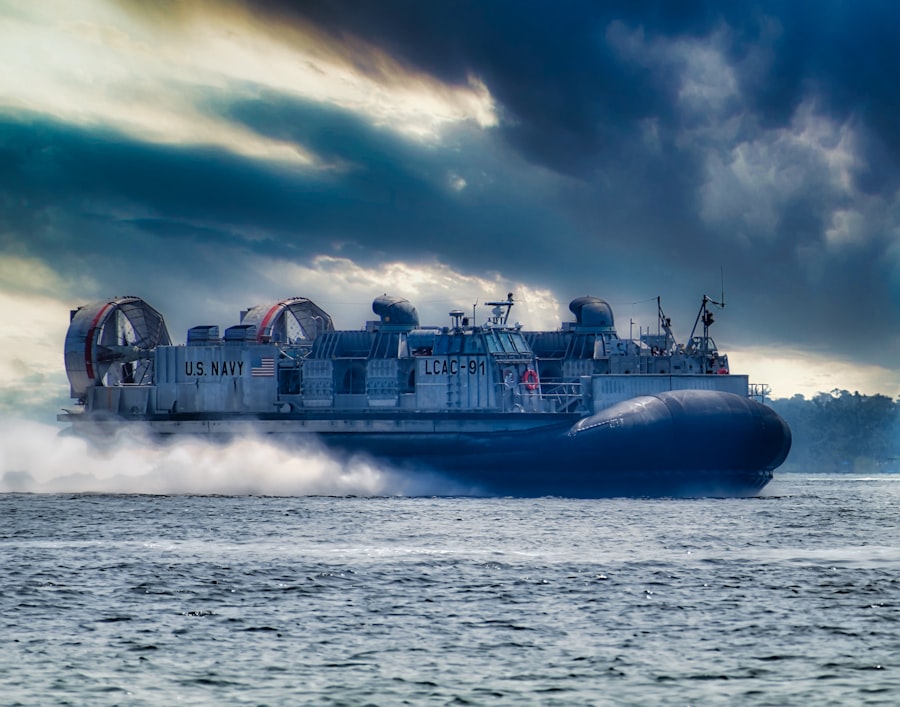
In recent years, the dynamics of maritime geopolitics have undergone significant transformations due to various factors. The rise of emerging powers, particularly in Asia, has shifted the balance of naval power. Countries like China and India have invested heavily in modernizing their fleets and expanding their maritime presence.
China’s assertive claims in the South China Sea have sparked tensions with neighboring countries and drawn international scrutiny. This shift has prompted traditional powers like the United States to reassess their naval strategies and alliances in response to these emerging challenges. Moreover, globalization has intensified competition over maritime resources and trade routes.
The increasing reliance on maritime transport for global trade has made securing sea lanes a top priority for many nations. As a result, strategic chokepoints such as the Strait of Hormuz and the Malacca Strait have become focal points for geopolitical maneuvering. The interplay between economic interests and national security concerns has led to a more complex maritime landscape, where nations must navigate a web of alliances and rivalries to safeguard their interests.
The Role of Naval Power in Geopolitical Strategy
Naval power plays a pivotal role in shaping geopolitical strategies, serving as both a deterrent and a tool for projection of influence. A strong navy enables nations to protect their maritime interests, secure trade routes, and respond to crises effectively. The ability to project power across oceans enhances a nation’s standing on the global stage, allowing it to influence regional dynamics and deter potential adversaries.
For instance, the United States has maintained a robust naval presence in key regions such as the Indo-Pacific to counterbalance China’s growing influence.
Navies often play a crucial role in responding to natural disasters or humanitarian crises, showcasing a nation’s commitment to global stability and cooperation.
This multifaceted role underscores the importance of naval capabilities in contemporary geopolitical strategies, where soft power can complement hard power in achieving national objectives.
Key Players in Maritime Geopolitics
| Metric | Description | Example/Value | Significance in Naval Strategy |
|---|---|---|---|
| Naval Fleet Size | Number of active naval vessels | 350 ships (e.g., US Navy) | Determines power projection and maritime dominance |
| Exclusive Economic Zones (EEZ) | Maritime zones extending 200 nautical miles from coast | 12 million sq km (e.g., China) | Controls resource rights and strategic maritime areas |
| Strategic Chokepoints | Critical narrow maritime passages | Strait of Malacca, Suez Canal, Hormuz Strait | Control affects global trade and naval movement |
| Naval Base Locations | Geographical distribution of naval bases | 50+ global bases (e.g., US, Russia) | Supports force projection and rapid deployment |
| Submarine Fleet | Number of operational submarines | 70+ (e.g., Russia) | Enhances stealth, deterrence, and underwater warfare |
| Maritime Trade Volume | Annual volume of goods transported by sea | 80% of global trade | Securing sea lanes is vital for economic security |
| Naval Defense Budget | Annual expenditure on naval forces | 150 billion (e.g., US) | Funds modernization, research, and operational readiness |
| Anti-Access/Area Denial (A2/AD) Capabilities | Systems to prevent adversary naval access | Missile batteries, mines, submarines | Limits opponent’s freedom of movement in key areas |
The landscape of maritime geopolitics is populated by several key players, each with distinct interests and strategies.
Its alliances with countries like Japan, South Korea, and Australia form a network aimed at countering potential threats from adversaries such as China and North Korea.
China has emerged as a formidable player in maritime geopolitics, rapidly expanding its navy and asserting territorial claims in contested waters. Its Belt and Road Initiative seeks to enhance connectivity through maritime routes while simultaneously increasing its influence over critical chokepoints. Other nations like Russia are also asserting their presence in maritime domains, particularly in the Arctic region, where melting ice is opening new shipping routes and access to untapped resources.
Challenges and Threats in the Maritime Domain
The maritime domain is fraught with challenges and threats that complicate geopolitical interactions. Territorial disputes remain a significant source of tension, particularly in regions like the South China Sea and the East China Sea. Competing claims over islands and waters have led to confrontations between nations, raising concerns about potential military conflicts.
Additionally, piracy and maritime terrorism pose ongoing threats to shipping lanes, necessitating international cooperation to ensure maritime security. Environmental issues also present challenges in the maritime domain. Climate change is impacting sea levels and weather patterns, affecting coastal communities and altering traditional shipping routes.
As nations grapple with these environmental changes, they must also consider how to balance economic interests with sustainability efforts. The intersection of environmental concerns and geopolitical strategies adds another layer of complexity to maritime geopolitics.
The Importance of Naval Alliances and Partnerships
In an increasingly interconnected world, naval alliances and partnerships have become essential for addressing shared challenges in the maritime domain. Collaborative efforts among nations enhance collective security and enable more effective responses to threats such as piracy or territorial disputes. Alliances like NATO provide a framework for joint operations and information sharing among member states, strengthening their collective naval capabilities.
Regional partnerships are also crucial in addressing specific geopolitical challenges. For instance, initiatives like the Quad (comprising the United States, Japan, India, and Australia) aim to promote stability in the Indo-Pacific region through enhanced naval cooperation. These alliances not only bolster deterrence but also foster diplomatic dialogue among nations with differing interests.
As geopolitical tensions continue to evolve, maintaining strong naval alliances will be vital for ensuring peace and stability on the high seas.
Technological Advancements and Naval Strategy
Technological advancements are reshaping naval strategy in profound ways. Innovations such as unmanned systems, artificial intelligence, and advanced missile technology are transforming how navies operate and engage in warfare. Unmanned aerial vehicles (UAVs) are increasingly being used for reconnaissance missions, while autonomous underwater vehicles (AUVs) are enhancing underwater surveillance capabilities.
Moreover, cyber warfare has emerged as a critical component of modern naval strategy. Protecting naval assets from cyber threats is essential for maintaining operational readiness and safeguarding sensitive information. As technology continues to evolve at a rapid pace, navies must adapt their strategies to leverage these advancements while mitigating associated risks.
Environmental Considerations in Maritime Geopolitics
Environmental considerations are becoming increasingly intertwined with maritime geopolitics as nations confront the realities of climate change and resource scarcity. Rising sea levels threaten coastal communities and infrastructure, prompting governments to reassess their maritime strategies in light of these challenges. Additionally, competition over resources such as fisheries and seabed minerals is intensifying as nations seek to secure access to these valuable assets.
The impact of climate change on shipping routes is also significant. Melting ice in the Arctic is opening new passages that could reshape global trade patterns but also raise concerns about environmental degradation and territorial disputes among Arctic nations. As countries navigate these complex issues, integrating environmental considerations into maritime strategies will be essential for promoting sustainable practices while safeguarding national interests.
The Future of Naval Strategy in a Changing World
The future of naval strategy will be shaped by an array of factors that reflect the complexities of contemporary geopolitics. As emerging powers continue to assert themselves on the global stage, traditional powers will need to adapt their strategies to address new challenges effectively. The balance between deterrence and diplomacy will be crucial as nations navigate an increasingly multipolar world.
Furthermore, technological advancements will continue to play a pivotal role in shaping naval capabilities. Navies must remain agile in adopting new technologies while ensuring that they do not compromise operational security or strategic objectives. The integration of artificial intelligence into decision-making processes could enhance situational awareness but also raises ethical considerations that must be addressed.
Navigating the Complexities of Maritime Geopolitics
Navigating the complexities of maritime geopolitics requires a nuanced understanding of historical contexts, emerging dynamics, and technological advancements that shape contemporary interactions among nations. As countries vie for control over vital sea routes and resources, the role of naval power becomes increasingly critical in determining geopolitical outcomes. The interplay between traditional powers and emerging players adds layers of complexity that necessitate robust diplomatic efforts and strategic partnerships.
In this evolving landscape, addressing challenges such as territorial disputes, environmental concerns, and technological threats will be paramount for ensuring stability on the high seas. As nations work together to navigate these complexities, they must remain vigilant in adapting their strategies to safeguard their interests while promoting cooperation in an interconnected world. Ultimately, successful navigation through these turbulent waters will require a delicate balance between power projection and collaborative engagement among nations committed to maintaining peace and security in the maritime domain.
In the realm of maritime geopolitics, understanding the intricacies of naval strategy is crucial for nations vying for dominance over key waterways. A relevant article that delves into these themes can be found on In The War Room, which explores the evolving dynamics of naval power in the context of contemporary global conflicts. For further insights, you can read the article [here](https://www.inthewarroom.com/).
WATCH THIS! 🌊 The Invisible Army That Controls Global Shipping
FAQs
What is maritime geopolitics?
Maritime geopolitics refers to the study and analysis of the strategic importance of seas and oceans in global politics. It involves understanding how countries use maritime spaces for economic, military, and political advantages, including control over sea lanes, territorial waters, and exclusive economic zones.
Why is naval strategy important in maritime geopolitics?
Naval strategy is crucial because it determines how a country deploys and utilizes its naval forces to protect its maritime interests, secure trade routes, and project power. Effective naval strategy helps maintain national security, influence regional stability, and support economic activities dependent on maritime domains.
What are the key components of naval strategy?
Key components include fleet composition and deployment, maritime domain awareness, sea control and denial tactics, power projection, logistics and supply chains, and alliances or partnerships with other naval forces. These elements work together to achieve strategic objectives in maritime environments.
How do maritime disputes impact naval strategy?
Maritime disputes, such as territorial claims over islands or exclusive economic zones, often lead to increased naval presence and patrols. Countries may enhance their naval capabilities and adopt more assertive strategies to defend their claims, which can escalate tensions and influence regional security dynamics.
What role do international laws play in maritime geopolitics?
International laws, particularly the United Nations Convention on the Law of the Sea (UNCLOS), provide a legal framework for maritime boundaries, navigation rights, and resource exploitation. These laws help manage conflicts, promote peaceful use of the seas, and guide naval operations within recognized legal boundaries.
How does technology influence naval strategy in maritime geopolitics?
Advancements in technology, such as satellite surveillance, unmanned systems, cyber warfare, and missile capabilities, significantly impact naval strategy. They enhance situational awareness, precision targeting, and force projection, allowing navies to operate more effectively and adapt to emerging threats.
What are some current trends in maritime geopolitics?
Current trends include increased naval modernization by major powers, competition over critical sea lanes like the South China Sea and the Arctic, the rise of hybrid maritime threats such as piracy and terrorism, and growing emphasis on multilateral naval cooperation to ensure freedom of navigation and maritime security.