In March 2021, the Ever Given container ship became lodged in the Suez Canal, causing a significant disruption to global trade. The six-day blockage of this critical maritime route revealed vulnerabilities in international shipping networks and triggered widespread economic consequences. This incident highlighted the fragility of global supply chains and the deep interconnectedness of international markets, initiating important discussions about maritime logistics and trade resilience strategies.
The Suez Canal blockage demonstrated how a single localized event can generate global repercussions. With one of the world’s busiest waterways obstructed, shipping companies, manufacturers, retailers, and consumers all experienced the effects of delayed goods deliveries. Beyond the immediate logistical challenges, the incident compelled stakeholders worldwide to critically evaluate their preparedness for such disruptions and reconsider their contingency planning approaches within the increasingly complex global trade environment.
Key Takeaways
- The Suez Canal blockage caused significant immediate disruptions to global trade and supply chains.
- The canal is a critical maritime route, essential for efficient transportation of goods and energy resources.
- The incident led to increased oil and gas prices due to delayed shipments and supply uncertainties.
- Shipping industries and international stakeholders responded with coordinated efforts to clear the blockage and mitigate impacts.
- The event highlighted the need for improved contingency planning and reinforced the importance of resilient international trade agreements.
Importance of the Suez Canal for Global Trade
The Suez Canal is often referred to as the lifeblood of international trade, serving as a critical shortcut for vessels traveling between Europe and Asia. Opened in 1869, this artificial waterway significantly reduces travel time and distance for ships, allowing them to avoid the lengthy journey around the southern tip of Africa. Approximately 12% of global trade passes through this canal, making it an essential conduit for goods ranging from consumer electronics to oil and gas.
The canal’s strategic importance cannot be overstated; it is a vital link that facilitates economic interactions between continents.
Its significance extends beyond mere geography; it influences shipping costs, delivery times, and ultimately, market prices.
The canal’s ability to accommodate large vessels has made it a preferred route for shipping companies, further solidifying its status as a cornerstone of global commerce. Any disruption to this vital passage can lead to significant delays and increased costs, affecting not only shipping companies but also businesses and consumers who depend on timely deliveries.
Immediate Economic Impact of the Suez Canal Blockage
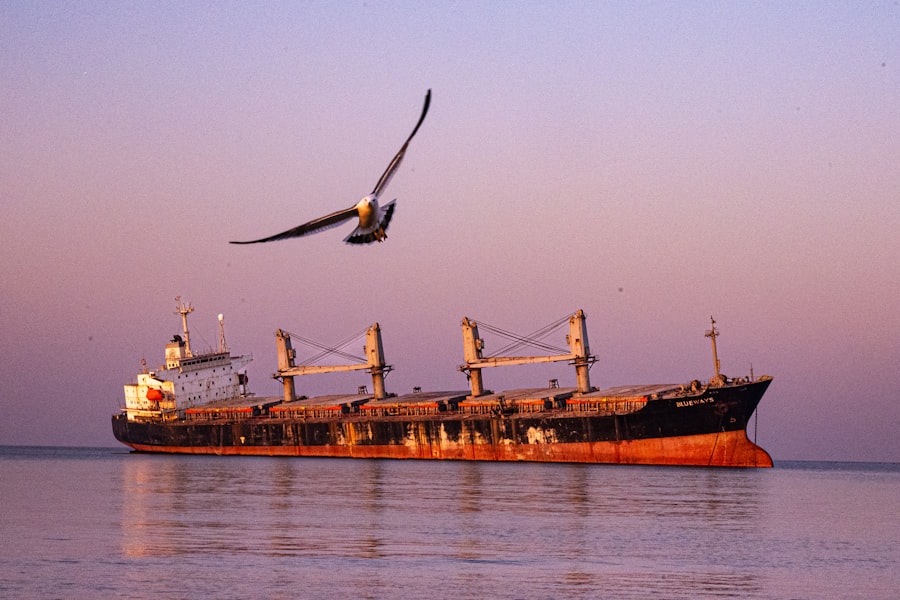
The immediate economic impact of the Suez Canal blockage was profound and multifaceted. As ships were forced to reroute or remain idle, the backlog of vessels waiting to transit the canal grew exponentially.
The blockage resulted in an estimated loss of billions of dollars per day in global trade, highlighting just how critical this waterway is to the functioning of the world economy. In addition to direct financial losses, the blockage also created a ripple effect across various sectors. Industries reliant on just-in-time inventory systems faced immediate challenges as shipments of raw materials and finished goods were delayed.
Retailers braced for potential shortages, while manufacturers struggled to maintain production schedules. The disruption served as a stark reminder of how interconnected global supply chains are and how quickly economic stability can be undermined by unforeseen events.
Impact on Global Supply Chains
The blockage of the Suez Canal had significant implications for global supply chains, which had already been strained by the COVID-19 pandemic. Many companies had adopted lean inventory practices to minimize costs, leaving them vulnerable to disruptions. With key shipments delayed or rerouted, businesses faced challenges in meeting customer demand and maintaining operational efficiency.
The incident highlighted the fragility of supply chains that rely heavily on specific routes and just-in-time delivery models. Furthermore, the blockage prompted companies to reevaluate their supply chain strategies. Many began exploring alternative shipping routes or diversifying their supplier base to mitigate risks associated with reliance on a single passageway.
The incident served as a catalyst for discussions about resilience in supply chains, pushing businesses to consider more robust contingency plans that could withstand future disruptions. As companies sought to adapt to this new reality, it became clear that flexibility and adaptability would be essential traits for navigating an increasingly unpredictable global trade landscape.
Effects on Oil and Gas Prices
| Metric | Value | Unit | Notes |
|---|---|---|---|
| Duration of Disruption | 6 | Days | From March 23 to March 29, 2021 |
| Number of Ships Delayed | 400+ | Ships | Estimated backlog during blockage |
| Daily Global Trade Volume via Suez Canal | 12 | Percent | Percentage of global trade passing through canal daily |
| Estimated Daily Economic Loss | 9.6 | Billion USD | Global trade value impacted per day |
| Increase in Shipping Costs | Up to 20 | Percent | Due to rerouting and delays |
| Impact on Oil Prices | 2-3 | Percent Increase | Short-term spike in crude oil prices |
| Delay in Delivery Times | Up to 10 | Days | For shipments rerouted around Africa |
| Impact on Container Shipping Rates | 15-25 | Percent Increase | Due to congestion and delays |
The Suez Canal is not only vital for container shipping but also plays a crucial role in the transportation of oil and gas. A significant portion of the world’s oil supply passes through this narrow waterway, making any disruption particularly impactful on energy markets. Following the blockage, oil prices experienced volatility as traders reacted to concerns about supply disruptions.
The uncertainty surrounding the situation led to fluctuations in crude oil prices, with some analysts predicting potential spikes if delays continued. The impact on gas prices was similarly pronounced. As shipments were delayed or rerouted, concerns about supply shortages began to mount.
Countries that rely heavily on oil imports faced potential challenges in securing adequate supplies, leading to increased prices at the pump for consumers. The incident underscored how interconnected energy markets are with global trade routes and how disruptions in one area can have cascading effects on another.
Potential Long-Term Economic Consequences
While the immediate effects of the Suez Canal blockage were significant, experts warned that there could be long-term economic consequences as well. The incident raised questions about the resilience of global supply chains and highlighted vulnerabilities that could be exploited in future disruptions. Companies may face increased costs as they invest in alternative shipping routes or technologies designed to enhance supply chain resilience.
Moreover, the blockage could lead to shifts in trade patterns as businesses reassess their reliance on specific routes. Some companies may choose to diversify their shipping options or invest in local production capabilities to reduce dependence on international shipping altogether. This shift could have far-reaching implications for global trade dynamics and may alter established relationships between trading partners.
Response from the Shipping Industry
In response to the Suez Canal blockage, the shipping industry mobilized quickly to address the crisis. Shipping companies worked tirelessly to reroute vessels and minimize delays wherever possible. Many began exploring alternative routes around Africa or through other channels, although these options often came with increased costs and longer transit times.
The industry faced immense pressure to restore normalcy while managing customer expectations amid unprecedented circumstances. Additionally, industry stakeholders engaged in discussions about improving infrastructure and contingency planning for future disruptions. The incident prompted calls for greater investment in technology that could enhance navigation and communication systems within critical waterways like the Suez Canal.
As companies sought to learn from this experience, there was a collective recognition that collaboration among stakeholders would be essential for building resilience within the shipping industry.
Efforts to Clear the Suez Canal Blockage
Efforts to clear the Suez Canal blockage involved a coordinated response from various stakeholders, including salvage teams, engineers, and maritime authorities. The operation required meticulous planning and execution as teams worked around the clock to dislodge the Ever Given from its position. Heavy machinery was deployed to dredge sand from around the vessel’s bow while tugboats attempted to pull it free.
The successful refloating of the Ever Given marked a significant achievement for those involved in the operation. However, even after the ship was freed, challenges remained as vessels began moving through the canal once again. The backlog of ships waiting to transit created logistical challenges that required careful management to ensure a smooth flow of traffic through this vital waterway.
Lessons Learned and Future Preparedness
The Suez Canal blockage served as a critical learning opportunity for stakeholders across various sectors. One key lesson was the importance of contingency planning and risk management in an increasingly interconnected world. Companies began recognizing that relying solely on established routes could expose them to vulnerabilities that could disrupt operations at any moment.
Furthermore, there was a growing emphasis on investing in technology that could enhance visibility within supply chains. Improved tracking systems and data analytics could help businesses anticipate potential disruptions and respond more effectively when they occur. As organizations sought to build resilience into their operations, collaboration among industry players became paramount for sharing best practices and developing comprehensive strategies for future preparedness.
Implications for International Trade Agreements
The disruption caused by the Suez Canal blockage also raised questions about international trade agreements and their ability to adapt to unforeseen challenges. As countries grappled with the economic fallout from this incident, discussions emerged about revisiting existing agreements to incorporate provisions that address supply chain resilience and crisis management. Moreover, nations began exploring ways to enhance cooperation among trading partners during times of crisis.
Strengthening communication channels and establishing protocols for rapid response could help mitigate disruptions in international trade moving forward. As stakeholders recognized that global trade is inherently vulnerable to unexpected events, there was a collective push toward creating frameworks that prioritize resilience alongside efficiency.
Conclusion and Recommendations
In conclusion, the Suez Canal disruption served as a stark reminder of the vulnerabilities inherent in global trade networks. The incident highlighted not only the importance of this vital waterway but also the interconnectedness of economies worldwide. As stakeholders reflect on this experience, several recommendations emerge for enhancing resilience within international trade.
First and foremost, businesses should prioritize contingency planning and risk management strategies that account for potential disruptions in supply chains. Investing in technology that enhances visibility and communication can empower organizations to respond more effectively when challenges arise. Additionally, fostering collaboration among industry players will be essential for sharing best practices and developing comprehensive strategies for future preparedness.
Finally, policymakers should consider revisiting international trade agreements to incorporate provisions that address crisis management and supply chain resilience. By strengthening cooperation among nations during times of crisis, stakeholders can work together to mitigate disruptions and ensure smoother operations within global trade networks moving forward. Ultimately, learning from past experiences will be crucial for navigating an increasingly complex landscape characterized by uncertainty and change.
The recent disruption in the Suez Canal has had significant economic repercussions globally, affecting supply chains and trade routes. For a deeper understanding of the broader implications of such maritime disruptions, you can read a related article on this topic at In The War Room. This article explores the intricate connections between global trade and maritime logistics, shedding light on how events like the Suez Canal blockage can ripple through economies worldwide.
WATCH THIS! 🌊 The Invisible Army That Controls Global Shipping
FAQs
What caused the Suez Canal disruption?
The Suez Canal disruption was caused by the grounding of a large container ship, which blocked the canal and halted maritime traffic.
How long did the Suez Canal disruption last?
The disruption lasted for approximately six days before the ship was refloated and the canal was fully reopened.
What is the economic significance of the Suez Canal?
The Suez Canal is a critical global shipping route that connects the Mediterranean Sea to the Red Sea, facilitating about 12% of global trade and significantly reducing shipping times between Europe and Asia.
How did the disruption affect global trade?
The blockage caused delays in the delivery of goods, increased shipping costs, and created supply chain bottlenecks, impacting industries worldwide.
Which industries were most affected by the Suez Canal disruption?
Industries reliant on timely shipments, such as manufacturing, retail, oil and gas, and automotive sectors, experienced significant delays and increased costs.
What was the impact on shipping costs during the disruption?
Shipping costs increased due to delays, rerouting of vessels around the Cape of Good Hope, and higher fuel consumption, leading to increased expenses for shipping companies and consumers.
Did the disruption affect oil prices?
Yes, the blockage temporarily influenced oil prices due to concerns over delayed shipments of crude oil and petroleum products through the canal.
How did the disruption highlight vulnerabilities in global supply chains?
The event exposed the risks of relying heavily on a single critical maritime route, emphasizing the need for diversified supply chains and contingency planning.
What measures have been taken to prevent future disruptions?
Authorities have reviewed and enhanced navigation protocols, increased canal maintenance, and considered infrastructure improvements to reduce the risk of similar incidents.
Can ships bypass the Suez Canal during disruptions?
Yes, ships can reroute around the Cape of Good Hope, but this significantly increases travel time and fuel costs.