Maritime security encompasses a broad range of activities aimed at protecting the world’s oceans, seas, and waterways from various threats, including piracy, smuggling, and terrorism. As global trade increasingly relies on maritime transport, the need for robust security measures has never been more critical. The vastness of the oceans presents unique challenges, making it essential for nations to adopt comprehensive strategies that ensure the safety of their maritime interests.
This multifaceted approach involves not only military and law enforcement agencies but also the integration of advanced technologies to monitor and respond to potential threats. The significance of maritime security extends beyond national borders; it is a global concern that affects international trade, environmental protection, and the safety of seafarers. With over 90% of the world’s goods transported by sea, any disruption in maritime security can have far-reaching economic implications.
As such, nations are increasingly investing in surveillance systems that enhance their ability to detect and respond to threats in real-time. These systems play a pivotal role in safeguarding maritime routes and ensuring the smooth flow of commerce across the globe.
Key Takeaways
- Surveillance systems are crucial for effective maritime security, helping monitor and protect vast ocean areas.
- Various technologies, including radar, AIS, and satellite imaging, are employed to enhance maritime surveillance.
- Implementing surveillance systems faces challenges such as high costs, technical limitations, and legal concerns.
- Integration of surveillance with other security measures improves response capabilities and overall maritime safety.
- Emerging technologies and future trends promise more advanced, efficient, and ethical maritime surveillance solutions.
Importance of Surveillance Systems in Maritime Security
Surveillance systems are integral to maritime security as they provide the necessary tools for monitoring vast oceanic expanses. These systems enable authorities to track vessels, identify suspicious activities, and respond promptly to potential threats. The ability to gather real-time data is crucial in a domain where time is often of the essence.
By employing advanced surveillance technologies, maritime agencies can enhance their situational awareness and make informed decisions that protect both national interests and international trade. Moreover, surveillance systems contribute to the deterrence of criminal activities at sea. The mere presence of monitoring technologies can discourage potential offenders from engaging in illicit activities such as piracy or smuggling.
When criminals are aware that they are being watched, they are less likely to act, thereby contributing to a safer maritime environment. This deterrent effect is particularly important in high-risk areas where maritime crime is prevalent, as it helps maintain order and security on the seas.
Types of Surveillance Systems Used in Maritime Security
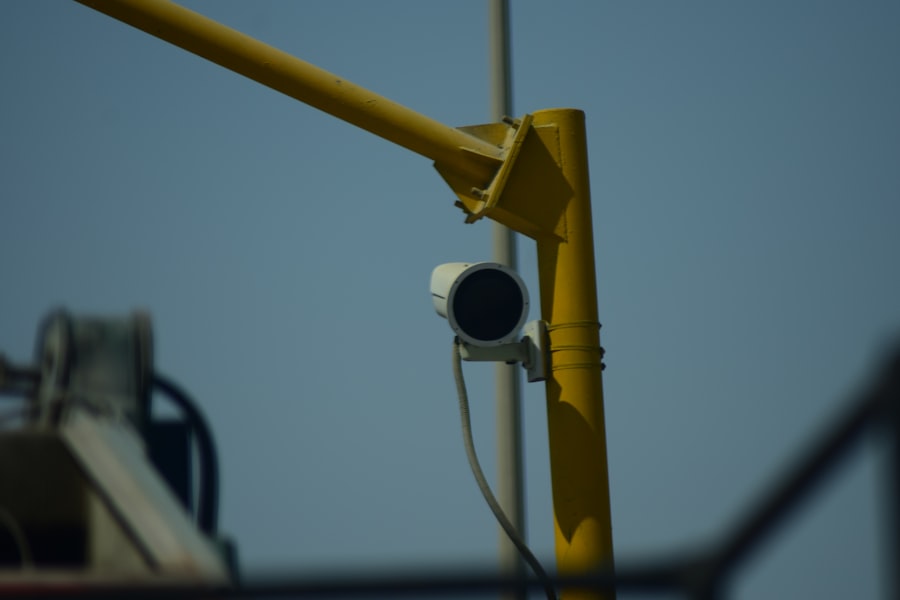
A variety of surveillance systems are employed in maritime security, each designed to address specific challenges associated with monitoring vast oceanic territories. One of the most common types is radar systems, which utilize radio waves to detect and track vessels over long distances. These systems can identify the size, speed, and direction of ships, providing critical information for maritime authorities.
Coupled with Automatic Identification Systems (AIS), which allow vessels to broadcast their position and other relevant data, radar systems create a comprehensive picture of maritime traffic. In addition to radar and AIS, satellite surveillance has emerged as a powerful tool for monitoring maritime activities. Satellites equipped with advanced imaging technology can capture high-resolution images of vessels and track their movements across the globe.
This capability is particularly valuable for monitoring remote areas where traditional radar systems may be ineffective. Furthermore, drones are increasingly being utilized for maritime surveillance due to their flexibility and ability to cover large areas quickly. Equipped with cameras and sensors, drones can provide real-time visual data and enhance situational awareness for maritime security operations.
Benefits of Using Surveillance Systems in Maritime Security
The implementation of surveillance systems in maritime security offers numerous benefits that extend beyond mere detection capabilities. One significant advantage is the enhancement of response times during emergencies or security incidents. With real-time data at their disposal, maritime authorities can coordinate rapid responses to threats, minimizing potential damage and ensuring the safety of vessels and crew members.
This capability is particularly crucial in situations involving piracy or distress calls from ships in peril. Additionally, surveillance systems facilitate better resource allocation for maritime security operations. By analyzing data collected from various surveillance technologies, authorities can identify patterns and trends related to maritime crime.
As a result, surveillance systems not only improve operational efficiency but also contribute to a more proactive approach to maritime security.
Challenges in Implementing Surveillance Systems for Maritime Security
| Metric | Description | Typical Value / Range | Unit |
|---|---|---|---|
| Radar Detection Range | Maximum distance at which radar can detect vessels or objects | 20 – 100 | nautical miles |
| Automatic Identification System (AIS) Coverage | Area covered by AIS receivers for tracking ships | Up to 50 | nautical miles radius |
| Electro-Optical/Infrared (EO/IR) Sensor Range | Effective range for visual and thermal imaging sensors | 5 – 15 | nautical miles |
| Data Refresh Rate | Frequency at which surveillance data is updated | 1 – 10 | seconds |
| Vessel Tracking Accuracy | Positional accuracy of tracked vessels | 5 – 50 | meters |
| Number of Simultaneous Targets | Maximum number of vessels or objects tracked simultaneously | 100 – 1000+ | targets |
| Communication Latency | Delay in transmitting surveillance data to command centers | 0.5 – 5 | seconds |
| System Uptime | Operational availability of the surveillance system | 99.5 – 99.99 | percent |
Despite the clear advantages of surveillance systems in enhancing maritime security, several challenges hinder their effective implementation. One major obstacle is the high cost associated with acquiring and maintaining advanced surveillance technologies. Many nations, particularly those with limited budgets, may struggle to invest in comprehensive surveillance infrastructure.
This financial constraint can lead to gaps in coverage and reduced effectiveness in monitoring vast maritime areas. Another challenge lies in the integration of various surveillance systems into a cohesive framework. Different technologies may operate on distinct platforms or protocols, making it difficult for agencies to share information seamlessly.
Interoperability issues can hinder collaboration between national and international maritime security agencies, limiting the overall effectiveness of surveillance efforts. To address these challenges, stakeholders must prioritize investment in compatible technologies and foster collaboration among various entities involved in maritime security.
Case Studies of Successful Implementation of Surveillance Systems in Maritime Security
Several countries have successfully implemented surveillance systems that have significantly improved their maritime security capabilities. For instance, Singapore has developed an integrated maritime surveillance system that combines radar, AIS, and satellite technology to monitor its busy shipping lanes effectively. This system allows authorities to track vessels entering and leaving its ports while also providing real-time data on potential threats.
The success of this initiative has made Singapore a model for other nations seeking to enhance their maritime security frameworks. Another notable example is the European Union’s Maritime Security Strategy, which emphasizes the importance of information sharing among member states. By establishing a network that connects various surveillance systems across Europe, the EU has improved its collective ability to monitor maritime activities and respond to threats collaboratively.
This approach not only enhances individual member states’ capabilities but also fosters a sense of shared responsibility for maritime security within the region.
Emerging Technologies in Maritime Surveillance Systems
As technology continues to evolve, new innovations are emerging that promise to revolutionize maritime surveillance systems further. One such advancement is the use of artificial intelligence (AI) and machine learning algorithms to analyze vast amounts of data collected from various sources. These technologies can identify patterns and anomalies that may indicate suspicious activities, allowing authorities to focus their attention on potential threats more effectively.
Additionally, advancements in sensor technology are enhancing the capabilities of surveillance systems. For example, infrared sensors can detect heat signatures from vessels even in low-visibility conditions, while acoustic sensors can monitor underwater activities such as illegal fishing or submarine movements. The integration of these emerging technologies into existing surveillance frameworks will undoubtedly improve situational awareness and response capabilities for maritime security agencies.
Integration of Surveillance Systems with Other Maritime Security Measures
To maximize the effectiveness of surveillance systems in maritime security, it is essential to integrate them with other security measures such as law enforcement operations and international cooperation initiatives. By combining surveillance data with intelligence gathered from various sources, authorities can develop a more comprehensive understanding of potential threats and coordinate their responses accordingly. Furthermore, collaboration between different agencies—such as coast guards, navies, and customs authorities—can enhance the overall effectiveness of maritime security efforts.
Joint exercises and training programs can help ensure that personnel are familiar with the capabilities of various surveillance systems and can work together seamlessly during real-world incidents. This integrated approach not only improves operational efficiency but also fosters a culture of cooperation among stakeholders involved in maritime security.
Legal and Ethical Considerations in the Use of Surveillance Systems for Maritime Security
The deployment of surveillance systems in maritime security raises important legal and ethical considerations that must be addressed to ensure responsible use. Issues related to privacy rights and data protection are particularly relevant when monitoring vessels and individuals at sea. Authorities must strike a balance between enhancing security measures and respecting individual rights, ensuring that surveillance practices comply with national laws and international agreements.
Moreover, transparency in the use of surveillance technologies is crucial for maintaining public trust. Engaging with stakeholders—including shipping companies, environmental organizations, and local communities—can help address concerns related to privacy and data usage. By fostering open dialogue about the objectives and limitations of surveillance systems, authorities can build support for their initiatives while ensuring accountability in their operations.
Future Trends in Maritime Security and Surveillance Systems
Looking ahead, several trends are likely to shape the future of maritime security and surveillance systems. The increasing reliance on automation and autonomous vessels presents both opportunities and challenges for monitoring activities at sea. As more ships become equipped with advanced technologies that enable them to operate independently, authorities will need to adapt their surveillance strategies accordingly.
Additionally, the growing emphasis on environmental protection will influence maritime security efforts. As concerns about climate change and marine pollution rise, surveillance systems will play a vital role in monitoring compliance with environmental regulations at sea. This shift towards sustainability will require collaboration between maritime security agencies and environmental organizations to ensure that both security and ecological considerations are addressed effectively.
The Role of Surveillance Systems in Enhancing Maritime Security
In conclusion, surveillance systems are indispensable tools for enhancing maritime security in an increasingly complex global landscape. Their ability to provide real-time data and improve situational awareness empowers authorities to respond effectively to threats while deterring criminal activities at sea. Despite challenges related to implementation costs and interoperability issues, successful case studies demonstrate that comprehensive surveillance frameworks can significantly bolster national and international efforts to secure maritime domains.
As technology continues to advance, emerging innovations will further enhance the capabilities of surveillance systems in addressing evolving threats. By integrating these systems with other security measures and addressing legal considerations responsibly, stakeholders can create a safer maritime environment that supports global trade while protecting vital ocean resources. Ultimately, the role of surveillance systems will remain central to ensuring the safety and security of the world’s oceans for generations to come.
Maritime surveillance systems play a crucial role in ensuring the safety and security of our oceans. For a deeper understanding of the advancements and challenges in this field, you can read a related article on the topic at this link. This article provides insights into the latest technologies and strategies being employed to monitor maritime activities effectively.
WATCH THIS! 🌊 The Invisible Army That Controls Global Shipping
FAQs
What are maritime surveillance systems?
Maritime surveillance systems are technologies and methods used to monitor and track activities at sea. They help in detecting vessels, monitoring maritime traffic, ensuring security, and protecting marine resources.
What technologies are commonly used in maritime surveillance systems?
Common technologies include radar, Automatic Identification Systems (AIS), satellite imagery, sonar, drones, and coastal monitoring stations. These tools work together to provide comprehensive maritime domain awareness.
Why is maritime surveillance important?
Maritime surveillance is crucial for national security, preventing illegal activities such as smuggling and piracy, protecting marine environments, managing fisheries, and ensuring safe navigation.
How do Automatic Identification Systems (AIS) work in maritime surveillance?
AIS transponders on ships automatically transmit vessel information such as identity, position, speed, and course to nearby ships and coastal authorities, enhancing situational awareness and collision avoidance.
Can maritime surveillance systems detect illegal fishing?
Yes, maritime surveillance systems can monitor fishing activities by tracking vessel movements and identifying unauthorized fishing zones, helping authorities enforce regulations and protect marine ecosystems.
Are satellite systems used in maritime surveillance?
Yes, satellites provide wide-area coverage and can detect vessels beyond the range of coastal radars, offering real-time data for monitoring remote ocean areas.
What role do drones play in maritime surveillance?
Drones offer flexible, cost-effective aerial surveillance, capable of capturing high-resolution images and videos, conducting inspections, and covering areas that are difficult to reach by other means.
How do maritime surveillance systems contribute to search and rescue operations?
These systems help locate vessels or individuals in distress by tracking ship positions and movements, enabling faster response times and improving the chances of successful rescues.
Is data from maritime surveillance systems shared internationally?
Yes, many countries and international organizations share maritime surveillance data to enhance collective maritime security, coordinate search and rescue efforts, and combat transnational maritime crimes.
What challenges do maritime surveillance systems face?
Challenges include vast ocean areas to monitor, adverse weather conditions, technological limitations, data integration from multiple sources, and the need for international cooperation.