The Red Sea, a vital artery for global trade, has recently found itself at the center of a burgeoning crisis that threatens the stability of international shipping routes. This narrow body of water, which connects the Mediterranean Sea to the Indian Ocean via the Suez Canal, is crucial for the transportation of goods between Europe, Asia, and beyond. However, escalating tensions in the region, particularly due to Houthi attacks, have raised alarms among shipping companies and governments alike.
As the situation unfolds, it becomes increasingly clear that the Red Sea shipping crisis is not merely a regional issue but a global concern. The potential for disruption in one of the world’s busiest maritime corridors could lead to significant delays in the delivery of goods, increased shipping costs, and heightened insurance premiums.
The international community is now faced with the urgent need to address these challenges and ensure the safety and security of maritime operations in this critical region.
Key Takeaways
- Houthi attacks have significantly disrupted shipping routes in the Red Sea, escalating regional tensions.
- The international community is actively responding with security measures to protect vital maritime lanes.
- Economic impacts include increased shipping costs and threats to global trade flow through the Red Sea.
- Humanitarian and political consequences are intensifying due to the ongoing crisis and instability.
- Collaborative efforts and strategic solutions are essential to secure the Red Sea and ensure future maritime safety.
Background on Houthi attacks in the region
The Houthi movement, officially known as Ansar Allah, has been engaged in a protracted conflict in Yemen since 2014. This group, which emerged from the Zaidi Shia community in northern Yemen, has been involved in a civil war against the internationally recognized government, supported by a coalition led by Saudi Arabia. The Houthis have increasingly turned their attention to maritime targets, launching attacks on vessels in the Red Sea as part of their broader strategy to exert influence and disrupt enemy supply lines.
The escalation of Houthi attacks can be traced back to their growing military capabilities, which have been bolstered by support from Iran. These attacks have included missile strikes and drone assaults on commercial shipping vessels, raising concerns about the safety of navigation in the Red Sea. The Houthis have justified their actions as a response to foreign intervention in Yemen and as a means to protect their territorial waters.
However, these justifications do little to mitigate the risks posed to international shipping and trade.
Impact of Houthi attacks on shipping in the Red Sea

The impact of Houthi attacks on shipping in the Red Sea has been profound and multifaceted. Shipping companies operating in this region have faced increased risks, leading many to reconsider their routes and operational strategies. The threat of missile strikes and drone attacks has prompted some vessels to adopt more cautious navigation practices, including altering their paths to avoid high-risk areas.
This has resulted in longer transit times and increased fuel consumption, ultimately driving up costs for shipping companies and consumers alike. Moreover, the psychological toll on crews operating in these waters cannot be understated. The fear of potential attacks has created an atmosphere of uncertainty and anxiety among maritime workers.
This has led to difficulties in crew retention and recruitment, as many seafarers are reluctant to operate in high-risk zones. Consequently, the overall efficiency of shipping operations has been compromised, further exacerbating delays and disruptions in global supply chains.
Response from international community to the escalating crisis
In light of the escalating crisis in the Red Sea, the international community has begun to take notice and respond with varying degrees of urgency. Several nations have expressed concern over the safety of maritime navigation and have called for collective action to address the threat posed by Houthi attacks. The United Nations has also weighed in, urging all parties involved to exercise restraint and prioritize dialogue over military confrontation.
Naval forces from various countries have been deployed to enhance security in the Red Sea. These multinational efforts aim to deter further Houthi aggression and ensure safe passage for commercial vessels. However, the effectiveness of these measures remains uncertain, as the Houthis continue to demonstrate their ability to launch sophisticated attacks despite increased military presence in the region.
The challenge lies not only in protecting shipping lanes but also in addressing the underlying political tensions that fuel this conflict.
Efforts to secure the Red Sea shipping lanes
| Metric | Value | Details |
|---|---|---|
| Number of Houthi Attacks in Red Sea (2023) | 15 | Reported missile and drone attacks targeting commercial vessels |
| Ships Damaged or Disabled | 7 | Includes oil tankers and cargo ships |
| Estimated Delay in Shipping Transit Time | 3-5 days | Due to rerouting and increased security measures |
| Impact on Global Oil Supply | 2% reduction | Temporary disruption in oil shipments through the Red Sea corridor |
| Number of International Naval Patrols Deployed | 4 | Multinational task forces to secure shipping lanes |
| Estimated Economic Impact on Shipping Industry | High | Increased insurance premiums and operational costs |
| Duration of Crisis | Ongoing since 2022 | Escalation of attacks and countermeasures continue |
Efforts to secure the Red Sea shipping lanes have taken on various forms, ranging from military interventions to diplomatic negotiations. Countries with vested interests in maintaining open trade routes have increased their naval presence in the region, conducting joint exercises and patrols aimed at deterring Houthi attacks. These operations are designed not only to protect commercial vessels but also to send a clear message that threats to maritime security will not be tolerated.
In addition to military measures, diplomatic efforts are underway to address the root causes of the conflict. Engaging with regional stakeholders and facilitating dialogue between conflicting parties is essential for achieving long-term stability in Yemen and its surrounding waters. Initiatives aimed at fostering cooperation among nations that rely on Red Sea shipping are crucial for creating a unified front against threats posed by non-state actors like the Houthis.
Economic implications of the Red Sea shipping crisis
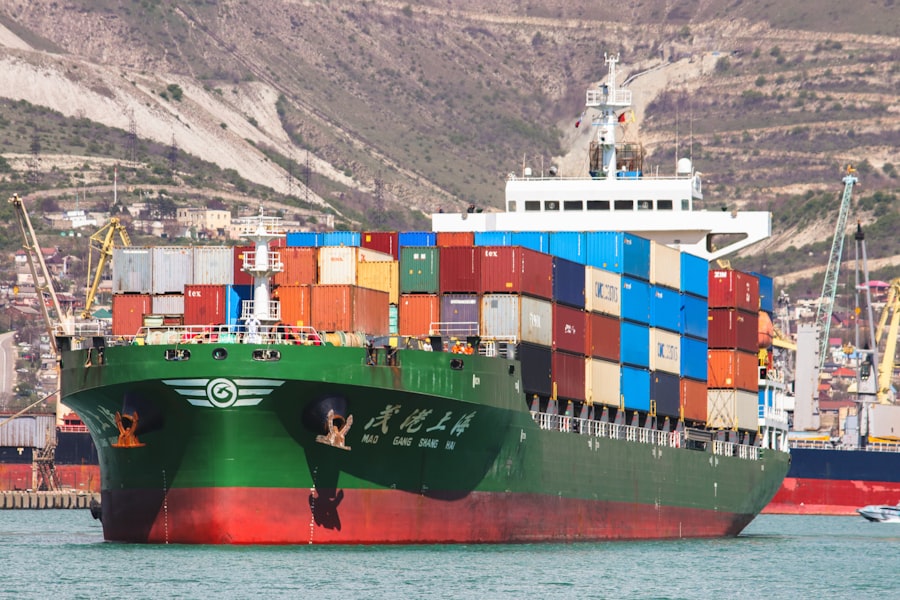
The economic implications of the Red Sea shipping crisis are far-reaching and complex. As one of the busiest maritime corridors globally, any disruption in this region can lead to significant economic repercussions not only for countries bordering the Red Sea but also for economies worldwide. Increased shipping costs due to heightened insurance premiums and longer transit times can result in higher prices for consumers, affecting everything from electronics to food supplies.
Furthermore, industries reliant on timely deliveries are particularly vulnerable to disruptions caused by Houthi attacks. The ripple effects can be felt across various sectors, including manufacturing, retail, and logistics. Companies may be forced to reevaluate their supply chains and consider alternative routes or modes of transportation, which could lead to increased operational costs and reduced competitiveness in global markets.
Humanitarian concerns in the region due to the crisis
The humanitarian concerns arising from the Red Sea shipping crisis are significant and warrant urgent attention. Yemen, already facing one of the world’s worst humanitarian crises due to years of conflict, is particularly vulnerable to disruptions in maritime trade. The blockade imposed by ongoing hostilities has severely limited access to essential goods such as food, medicine, and fuel for millions of Yemenis who rely on imports for their survival.
As Houthi attacks threaten shipping lanes, humanitarian organizations face increasing challenges in delivering aid to those in need. The risk associated with navigating through conflict zones can hinder relief efforts and exacerbate suffering among vulnerable populations.
Political implications of the Houthi attacks on shipping
The political implications of Houthi attacks on shipping extend beyond immediate security concerns; they also reflect broader geopolitical dynamics in the region. The Houthis’ ability to disrupt maritime trade serves as a demonstration of their military capabilities and political leverage within Yemen’s ongoing conflict. This has implications for regional powers such as Saudi Arabia and Iran, who are engaged in a proxy struggle for influence over Yemen.
Moreover, these attacks complicate international diplomatic efforts aimed at resolving the Yemeni conflict. As long as maritime security remains threatened, it becomes increasingly challenging for negotiators to engage with all parties involved effectively. The potential for escalation into a wider regional conflict looms large if diplomatic solutions are not prioritized alongside military responses.
Potential solutions to the Red Sea shipping crisis
Addressing the Red Sea shipping crisis requires a multifaceted approach that combines military deterrence with diplomatic engagement. One potential solution involves enhancing intelligence-sharing among nations with interests in maintaining secure shipping lanes. By improving situational awareness regarding Houthi movements and capabilities, countries can better coordinate their responses and mitigate risks.
Additionally, fostering dialogue between conflicting parties is essential for achieving lasting peace in Yemen. International mediators can play a crucial role in facilitating negotiations that address both immediate security concerns and long-term political solutions. Engaging regional stakeholders in discussions about shared interests can help build consensus around securing maritime routes while addressing underlying grievances that fuel conflict.
Future outlook for the Red Sea shipping lanes
The future outlook for Red Sea shipping lanes remains uncertain amid ongoing tensions and threats posed by Houthi attacks. While international efforts to enhance security are underway, sustained commitment from all parties involved will be necessary to achieve lasting stability in the region. The potential for further escalation exists if diplomatic solutions are not prioritized alongside military responses.
As global trade continues to evolve, ensuring safe passage through critical maritime corridors like the Red Sea will remain a priority for nations worldwide. Collaborative efforts among countries reliant on these shipping lanes will be essential for fostering an environment conducive to peace and security.
Conclusion and call to action for addressing the crisis
In conclusion, the Red Sea shipping crisis represents a complex interplay of geopolitical tensions, economic implications, humanitarian concerns, and security challenges that demand urgent attention from the international community. As Houthi attacks continue to threaten maritime trade routes, it is imperative that nations come together to address both immediate security needs and long-term political solutions. A coordinated response that combines military deterrence with diplomatic engagement is essential for safeguarding one of the world’s most vital maritime corridors.
The time for action is now; failure to address this crisis could have far-reaching consequences not only for those directly affected but also for global trade and economic stability as a whole. The international community must prioritize collaboration and dialogue to ensure that peace prevails in this critical region.
The ongoing shipping crisis in the Red Sea, exacerbated by Houthi attacks, has raised significant concerns about maritime security and global trade routes. For a deeper understanding of the geopolitical implications and the potential impact on international shipping, you can read more in this related article on In The War Room.
WATCH THIS! 🌊 The Invisible Army That Controls Global Shipping
FAQs
What is the Red Sea shipping crisis?
The Red Sea shipping crisis refers to disruptions and threats to maritime traffic in the Red Sea, a critical global shipping route, caused by attacks and conflicts in the region.
Who are the Houthis involved in the Red Sea attacks?
The Houthis are a Yemeni armed political movement officially known as Ansar Allah. They have been involved in the Yemeni civil war and have carried out attacks on shipping vessels in the Red Sea.
Why are the Houthis attacking ships in the Red Sea?
The Houthis have targeted ships in the Red Sea as part of their conflict with the Saudi-led coalition and to exert pressure on their adversaries by disrupting maritime trade routes.
Which areas of the Red Sea are most affected by these attacks?
Attacks have primarily occurred near key maritime chokepoints such as the Bab el-Mandeb Strait, which is a vital passage connecting the Red Sea to the Gulf of Aden and the Arabian Sea.
What types of vessels have been targeted in the Red Sea?
Both commercial cargo ships and oil tankers have been targeted in the Red Sea, leading to concerns over the safety of international shipping and energy supplies.
What impact do Houthi attacks have on global shipping?
These attacks increase risks for shipping companies, raise insurance costs, cause delays, and can disrupt the supply of goods and oil transported through the Red Sea.
How have international actors responded to the Red Sea shipping crisis?
International responses have included naval patrols, increased security measures, diplomatic efforts to resolve the Yemeni conflict, and calls for safe passage of commercial vessels.
Is the Red Sea shipping route still operational despite the crisis?
Yes, the Red Sea remains operational, but shipping companies often take extra precautions, and some reroute vessels to avoid high-risk areas.
What measures can shipping companies take to mitigate risks in the Red Sea?
Companies can implement enhanced security protocols, use naval escorts, follow recommended transit corridors, and stay updated on security advisories.
What is the outlook for resolving the Red Sea shipping crisis?
Resolution depends largely on progress in the Yemeni peace process and regional stability. Until a political solution is reached, risks to shipping in the Red Sea are likely to persist.