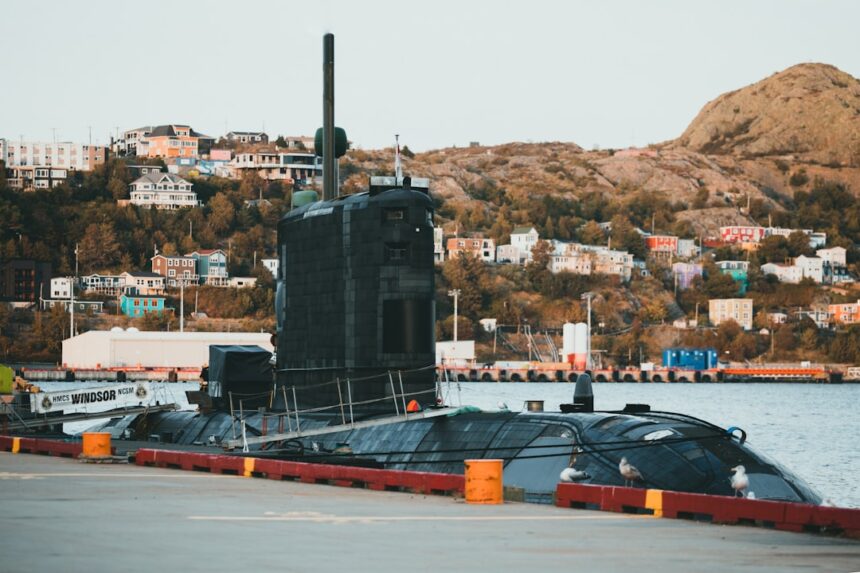
In the realm of naval warfare and maritime security, the ability to detect submarines has become increasingly critical. As nations invest in advanced underwater capabilities, the need for sophisticated detection technologies has surged. Submarines, often referred to as the silent service, can operate undetected for extended periods, posing significant challenges to naval forces.
The evolution of submarine detection technology reflects a continuous effort to counter these stealthy vessels, ensuring that maritime operations remain secure and effective. Advanced submarine detection technology encompasses a range of methods and systems designed to locate and track submarines in various environments. These technologies leverage innovations in acoustics, magnetics, and even quantum mechanics to enhance detection capabilities.
As the geopolitical landscape evolves and threats become more complex, the development of these advanced systems is not merely a matter of technological advancement but also a strategic necessity for national defense.
Key Takeaways
- Submarine detection technology has evolved significantly from traditional sonar to advanced methods like quantum sensing and synthetic aperture sonar.
- Traditional sonar ping technology faces limitations such as detectability and environmental interference, prompting the development of passive and alternative detection systems.
- Passive acoustic detection and magnetic anomaly detection provide stealthier and more sensitive means to identify submarines without active emissions.
- Emerging technologies like LIDAR and quantum detection offer promising enhancements in range, accuracy, and the ability to detect quieter submarines.
- Integrating multiple advanced detection technologies is key to overcoming current challenges and improving future submarine detection capabilities.
Evolution of Submarine Detection Methods
The journey of submarine detection methods has been marked by significant milestones, each reflecting the technological advancements of its time. Initially, the primary means of detecting submarines relied on rudimentary visual observations and rudimentary sound detection techniques. As World War I and World War II unfolded, navies began to recognize the importance of more sophisticated methods, leading to the development of sonar technology.
This marked a pivotal shift in submarine warfare, as sonar allowed for the active and passive detection of underwater vessels.
The Cold War era saw an arms race not only in submarine capabilities but also in detection technologies.
The introduction of advanced sonar systems, including both hull-mounted and towed arrays, revolutionized the way navies could track submarines. As technology progressed, so did the sophistication of detection methods, leading to the integration of satellite surveillance and aerial reconnaissance into submarine tracking strategies.
Limitations of Traditional Sonar Ping Technology

Despite its historical significance, traditional sonar ping technology has inherent limitations that can hinder effective submarine detection. One of the primary drawbacks is its reliance on active sonar systems, which emit sound waves and listen for their echoes. While this method can provide valuable information about underwater objects, it also reveals the position of the detecting vessel.
This characteristic can compromise the safety of naval assets, as submarines may alter their course or dive deeper to evade detection. Moreover, traditional sonar systems can struggle in challenging underwater environments. Factors such as temperature gradients, salinity variations, and ocean currents can distort sound waves, leading to inaccurate readings or missed detections.
Additionally, the increasing sophistication of submarines—equipped with noise-reduction technologies—has made them harder to detect using conventional sonar methods. As a result, navies around the world have recognized the need for more advanced detection technologies that can overcome these limitations.
Advanced Submarine Detection Technologies
In response to the shortcomings of traditional sonar systems, researchers and defense contractors have developed a suite of advanced submarine detection technologies. These innovations aim to enhance detection capabilities while minimizing risks associated with active sonar use. One such advancement is the integration of artificial intelligence (AI) into detection systems.
AI algorithms can analyze vast amounts of data from various sensors, improving target recognition and classification while reducing false positives. Another promising area of development is the use of unmanned underwater vehicles (UUVs) equipped with advanced sensors. These autonomous systems can operate in hostile environments without risking human lives while gathering critical intelligence on submarine movements.
By combining UUVs with advanced data analytics, navies can create a more comprehensive picture of underwater activity, enhancing their situational awareness and response capabilities.
Passive Acoustic Detection Systems
| Detection Method | Principle | Detection Range (km) | Accuracy | Advantages | Limitations |
|---|---|---|---|---|---|
| Passive Acoustic Monitoring | Listening to submarine noise emissions | 10-50 | Moderate to High | Stealthy, no active emissions | Dependent on submarine noise level and ocean noise |
| Magnetic Anomaly Detection (MAD) | Detecting disturbances in Earth’s magnetic field | 1-2 | High at close range | Effective for close proximity detection | Very short range, affected by geomagnetic noise |
| Infrared Imaging | Detecting heat signatures from submarine hull | 1-5 | Low to Moderate | Non-acoustic, passive detection | Limited by water surface conditions and depth |
| Gravitational Anomaly Detection | Measuring tiny variations in gravity caused by submarine mass | 0.5-1 | Experimental | Passive, no emissions | Currently limited by sensor sensitivity and noise |
| Water Column Chemical Analysis | Detecting chemical traces or disturbances in water | Variable | Low | Non-acoustic, can detect leaks or emissions | Slow response, affected by ocean currents |
Passive acoustic detection systems represent a significant leap forward in submarine tracking technology. Unlike active sonar systems that emit sound waves, passive systems rely on listening for sounds generated by submarines themselves. This approach allows for stealthy monitoring without revealing the position of the detecting vessel.
By utilizing hydrophones deployed on the ocean floor or mounted on buoys, navies can capture a wide range of acoustic signatures associated with submarine operations. The effectiveness of passive acoustic systems lies in their ability to detect even the faintest sounds produced by submarines, such as engine noise or cavitation from propellers. These systems can operate continuously over extended periods, providing real-time data on submarine movements.
Furthermore, advancements in signal processing techniques have enhanced the ability to filter out background noise and identify specific submarine signatures, making passive acoustic detection an invaluable tool in modern naval warfare.
Magnetic Anomaly Detection
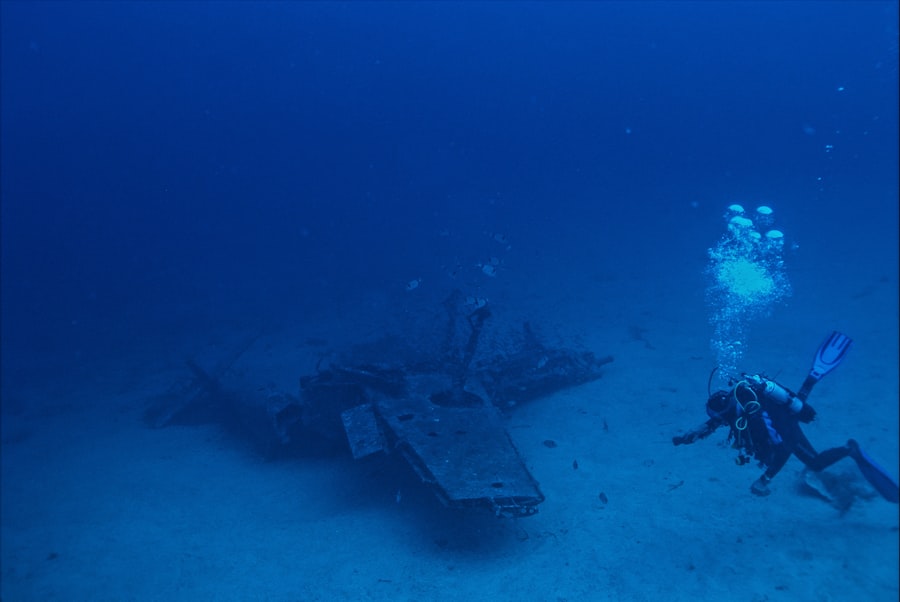
Magnetic anomaly detection (MAD) is another advanced method employed to locate submarines beneath the waves. This technique capitalizes on the fact that submarines disrupt the Earth’s magnetic field due to their metallic hulls and onboard equipment. By measuring variations in magnetic fields using specialized sensors, navies can identify potential submarine locations with remarkable accuracy.
MAD systems are particularly effective against diesel-electric submarines that surface or operate near the surface. While they may not be as effective against nuclear-powered submarines that maintain deeper operational profiles, MAD remains a crucial component of multi-layered detection strategies. The integration of MAD with other technologies enhances overall detection capabilities, allowing naval forces to triangulate potential threats more effectively.
Laser Detection and Ranging (LIDAR)
Laser detection and ranging (LIDAR) technology has emerged as a novel approach to submarine detection, offering unique advantages over traditional methods. LIDAR utilizes laser beams to measure distances and create detailed three-dimensional maps of underwater environments. This technology can be particularly useful in shallow waters where conventional sonar may struggle due to interference from the seafloor or other obstacles.
By employing LIDAR systems mounted on aircraft or drones, navies can conduct rapid surveys of coastal areas and shallow seas, identifying potential submarine threats with precision. The high-resolution data generated by LIDAR can also aid in environmental assessments and maritime domain awareness efforts. As LIDAR technology continues to advance, its applications in submarine detection are likely to expand further.
Synthetic Aperture Sonar (SAS)
Synthetic aperture sonar (SAS) represents a cutting-edge advancement in sonar technology that enhances underwater imaging capabilities significantly.
This capability is particularly valuable for detecting submarines and other submerged threats.
SAS operates by moving a sonar array through water while simultaneously collecting data from multiple angles. The resulting data is then processed to create detailed images that reveal not only the presence of submarines but also their size and shape. This level of detail allows naval forces to assess potential threats more accurately and make informed decisions regarding engagement strategies.
Quantum Technology for Submarine Detection
The advent of quantum technology has opened new frontiers in various fields, including submarine detection. Quantum sensors leverage principles of quantum mechanics to achieve unprecedented sensitivity in measuring physical phenomena such as magnetic fields and gravitational changes. These sensors have the potential to revolutionize submarine detection by providing capabilities far beyond those offered by traditional technologies.
For instance, quantum magnetometers could detect minute changes in magnetic fields caused by submarines operating beneath the surface. Similarly, quantum-enhanced imaging techniques could improve underwater visibility in challenging conditions where conventional methods falter. As research into quantum technology progresses, its integration into submarine detection systems could redefine how navies approach underwater surveillance.
Integration of Advanced Submarine Detection Technologies
The future of submarine detection lies not only in individual technologies but also in their integration into comprehensive systems that enhance overall effectiveness. By combining various detection methods—such as passive acoustic systems, MAD, SAS, and quantum sensors—navies can create multi-layered defense strategies capable of addressing diverse threats. This integrated approach allows for cross-validation between different technologies, reducing reliance on any single method and increasing overall confidence in threat assessments.
Moreover, advancements in data fusion techniques enable real-time analysis and interpretation of information from multiple sources, providing naval commanders with actionable intelligence for decision-making.
Future of Submarine Detection: Challenges and Opportunities
As nations continue to invest in advanced submarine capabilities, the challenges associated with detecting these vessels will only intensify. The ongoing development of stealth technologies by adversaries poses a significant hurdle for naval forces worldwide. However, these challenges also present opportunities for innovation and collaboration within the defense community.
The future landscape of submarine detection will likely be shaped by ongoing research into emerging technologies such as artificial intelligence, quantum computing, and advanced materials science. By fostering partnerships between government agencies, academia, and private industry, nations can accelerate the development of next-generation detection systems that meet evolving security needs. In conclusion, advanced submarine detection technology represents a critical component of modern naval warfare strategies.
As methods continue to evolve and integrate new innovations, navies must remain vigilant in adapting their approaches to counter emerging threats effectively. The interplay between technological advancement and strategic necessity will define the future of submarine detection for years to come.
Recent advancements in submarine detection technology have led to innovative methods that do not rely on traditional sonar pings. One such approach involves the use of electromagnetic sensors to detect the unique signatures of submarines. For more insights into the evolving landscape of military technology, you can read a related article on this topic at this link.
WATCH THIS! 🎖️ The Silent Underwater Network That Doomed Every Soviet Submarine
FAQs
What is submarine detection without sonar ping?
Submarine detection without sonar ping refers to methods of locating or tracking submarines without using active sonar signals that emit sound pulses (pings). Instead, these techniques rely on passive detection or alternative technologies to avoid revealing the detector’s position.
Why avoid using sonar pings in submarine detection?
Using sonar pings can reveal the position of the detecting vessel or platform because the emitted sound waves can be detected by the submarine or other adversaries. Avoiding active pings helps maintain stealth and reduces the risk of counter-detection.
What are common passive methods for detecting submarines?
Common passive methods include listening for noise generated by the submarine itself, such as engine sounds, propeller cavitation, or machinery noise, using passive sonar arrays or hydrophones. Other methods include magnetic anomaly detection and monitoring disturbances in the water.
Can submarines be detected using magnetic anomaly detection?
Yes, magnetic anomaly detection (MAD) systems can detect the slight disturbances in the Earth’s magnetic field caused by the metal hull of a submarine. This method is often used by aircraft flying low over the ocean.
Are there non-acoustic technologies for submarine detection?
Yes, non-acoustic technologies include infrared detection of heat signatures, radar detection of periscopes or snorkels, and satellite-based ocean surveillance systems that monitor changes in sea surface conditions.
How effective is passive sonar compared to active sonar?
Passive sonar is stealthier because it does not emit signals, but it generally provides less precise location information and can be limited by background noise and environmental conditions. Active sonar provides more accurate range and bearing but at the cost of revealing the detector’s position.
What role do underwater drones or autonomous vehicles play in submarine detection?
Underwater drones and autonomous vehicles can carry passive sensors and operate quietly to monitor areas for submarine activity without emitting sonar pings, enhancing covert detection capabilities.
Is submarine detection without sonar ping used in military operations?
Yes, many navies employ passive and alternative detection methods to track submarines covertly, maintaining tactical advantages and reducing the risk of counter-detection during military operations.
What challenges exist in detecting submarines without sonar pings?
Challenges include the difficulty of distinguishing submarine noise from ambient ocean sounds, limited detection range, environmental factors affecting sensor performance, and the advanced stealth technologies used by modern submarines.
Can satellite technology assist in submarine detection without sonar?
Satellites can assist by detecting surface disturbances, thermal anomalies, or changes in sea surface height caused by submarines, but these methods are generally limited to detecting submarines near the surface or in shallow waters.