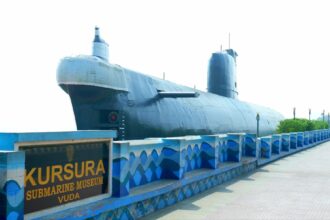
Hydrophones are specialized underwater microphones designed to detect and record sound waves in aquatic environments. These devices play a crucial role in various fields, including marine biology, oceanography, and military applications. The ability to capture sound underwater has opened up new avenues for research and exploration, allowing scientists and military personnel alike to gather vital information about the underwater world.
As the oceans cover more than 70% of the Earth’s surface, understanding the sounds that travel through these vast bodies of water is essential for both ecological studies and national security. The significance of hydrophones extends beyond mere sound detection; they serve as a window into the complex interactions occurring beneath the surface. From monitoring marine life to tracking submarines, hydrophones have become indispensable tools in understanding and navigating the underwater realm.
Their development has evolved over the years, leading to increasingly sophisticated designs that enhance their sensitivity and range. As technology continues to advance, hydrophones are poised to play an even more critical role in various applications, particularly in the realm of submarine detection.
Key Takeaways
- Hydrophones are underwater microphones essential for detecting and monitoring submarine activity.
- They operate by converting underwater sound waves into electrical signals for analysis.
- Various types of hydrophones exist, each suited for different detection ranges and environments.
- Hydrophones play a critical role in naval warfare by enhancing submarine detection and tracking capabilities.
- Ongoing technological advancements aim to improve sensitivity, reduce environmental impact, and address regulatory challenges.
How Hydrophones Work
Hydrophones operate on the principle of converting sound waves into electrical signals. When sound waves travel through water, they create pressure variations that can be captured by the hydrophone’s sensitive diaphragm. This diaphragm vibrates in response to these pressure changes, generating an electrical signal that corresponds to the sound wave’s frequency and amplitude.
The resulting signal can then be amplified, recorded, or analyzed for further study. This fundamental mechanism allows hydrophones to detect a wide range of sounds, from the calls of marine mammals to the distant rumble of submarines. The design of hydrophones can vary significantly based on their intended use.
Some hydrophones are built for high sensitivity to detect faint sounds, while others are designed for robustness in harsh underwater environments. The materials used in their construction also play a vital role in their performance. For instance, piezoelectric materials are commonly employed due to their ability to convert mechanical stress into electrical energy efficiently.
Additionally, advancements in digital signal processing have enhanced the capabilities of hydrophones, allowing for real-time analysis and improved sound discrimination.
Types of Hydrophones
There are several types of hydrophones, each tailored for specific applications and environments. One common type is the omnidirectional hydrophone, which captures sound from all directions. This versatility makes it ideal for general monitoring of underwater sounds, such as marine life communication or environmental noise levels.
In contrast, directional hydrophones are designed to focus on sounds coming from a specific direction, making them particularly useful for pinpointing the source of a sound, such as a submarine or other underwater vehicle. Another category includes array hydrophones, which consist of multiple hydrophone elements arranged in a specific configuration. These arrays can enhance sound localization and improve signal-to-noise ratios by utilizing advanced processing techniques.
Additionally, there are specialized hydrophones designed for specific frequencies or applications, such as those used in seismic studies or for monitoring underwater construction activities. Each type of hydrophone brings unique advantages and challenges, making it essential for researchers and military personnel to select the appropriate device based on their specific needs.
Applications of Hydrophones in Submarine Detection
Hydrophones have become a cornerstone in submarine detection efforts due to their ability to monitor and analyze underwater sounds effectively. Submarines generate distinct acoustic signatures when they operate, including sounds from their engines, propellers, and onboard machinery. By deploying hydrophone arrays across strategic locations in oceans and seas, naval forces can listen for these telltale sounds and identify potential threats.
This capability is crucial for maintaining maritime security and ensuring that submarines can be detected before they pose a risk.
These systems can differentiate between various types of underwater noises, allowing operators to filter out irrelevant sounds and focus on those that indicate submarine activity.
The combination of hydrophone technology with sophisticated data analysis tools has significantly enhanced the effectiveness of submarine detection operations, providing naval forces with a critical advantage in modern warfare.
The Role of Hydrophones in Naval Warfare
| Metric | Description | Typical Values | Unit |
|---|---|---|---|
| Frequency Range | Range of sound frequencies hydrophones can detect | 10 Hz – 100 kHz | Hertz (Hz) |
| Sensitivity | Minimum detectable sound pressure level | -160 to -180 | dB re 1 µPa/√Hz |
| Detection Range | Maximum distance at which a submarine can be detected | Up to 50 | kilometers (km) |
| Signal-to-Noise Ratio (SNR) | Ratio of submarine signal strength to background noise | 10 – 30 | dB |
| Array Size | Number of hydrophones in an array for directional detection | 10 – 1000 | units |
| Beamforming Accuracy | Precision in determining submarine direction | 1 – 5 | degrees |
| Depth of Deployment | Typical depth at which hydrophones are placed | 100 – 1000 | meters |
In the context of naval warfare, hydrophones serve as an essential component of anti-submarine warfare (ASW) strategies. The ability to detect submarines before they can launch an attack is paramount for ensuring the safety of naval fleets and coastal regions. Hydrophone networks can be deployed across vast ocean areas, creating a comprehensive surveillance system that monitors for enemy submarines’ movements.
This proactive approach allows naval forces to respond swiftly to potential threats and maintain control over strategic waterways. Moreover, hydrophones contribute to intelligence-gathering efforts by providing valuable data on enemy submarine capabilities and tactics. By analyzing the acoustic signatures of detected submarines, naval analysts can gain insights into their operational patterns and technological advancements.
This information is crucial for developing countermeasures and enhancing overall naval readiness. As warfare continues to evolve with technological advancements, the role of hydrophones in naval operations remains vital for maintaining maritime dominance.
Advancements in Hydrophone Technology
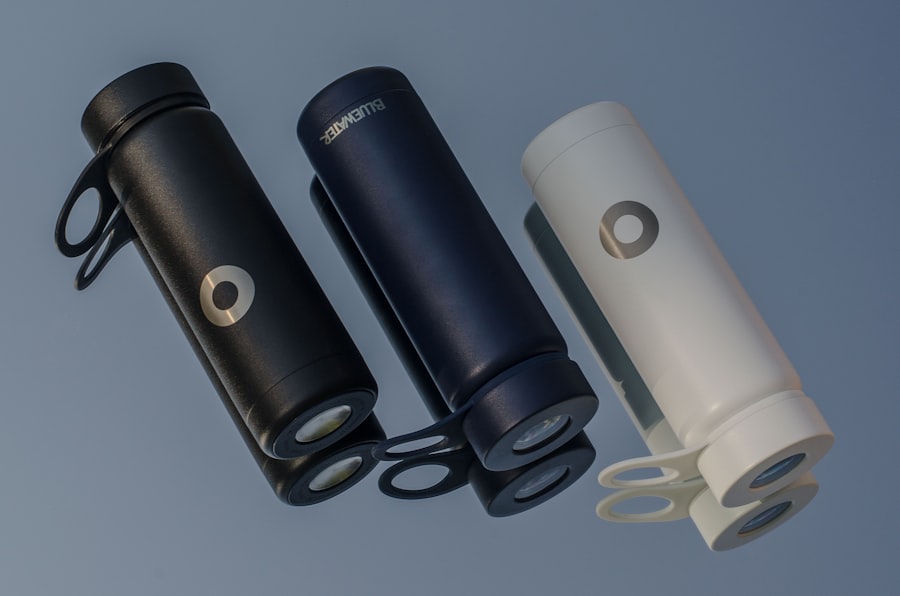
The field of hydrophone technology has witnessed significant advancements over recent years, driven by innovations in materials science, electronics, and data processing techniques. Modern hydrophones are now capable of detecting a broader range of frequencies with greater sensitivity than ever before. This improvement allows researchers and military personnel to capture more detailed acoustic data, leading to better understanding and analysis of underwater environments.
One notable advancement is the integration of digital signal processing (DSP) into hydrophone systems. DSP enables real-time analysis of incoming sound data, allowing operators to filter out background noise and focus on relevant signals more effectively. Additionally, advancements in machine learning algorithms have enhanced the ability to classify sounds automatically, reducing the need for manual analysis and increasing operational efficiency.
These technological improvements not only enhance submarine detection capabilities but also expand the potential applications of hydrophones in various fields.
Challenges in Submarine Detection
Despite the advancements in hydrophone technology, several challenges remain in the realm of submarine detection. One significant issue is the ambient noise present in ocean environments, which can mask the sounds generated by submarines. Factors such as marine life activity, shipping traffic, and natural phenomena like waves can create a cacophony of sounds that complicate detection efforts.
As a result, distinguishing between relevant signals and background noise requires sophisticated filtering techniques and advanced analytical tools. Another challenge lies in the stealth capabilities of modern submarines. Many contemporary submarines are designed with advanced technologies that minimize their acoustic signatures, making them harder to detect using traditional hydrophone systems.
This evolution necessitates continuous innovation in hydrophone design and deployment strategies to keep pace with emerging threats. As adversaries develop new methods for evading detection, naval forces must remain vigilant and adaptable in their approaches to submarine surveillance.
Future of Hydrophone Technology
The future of hydrophone technology appears promising as researchers continue to explore new materials and designs that enhance performance and functionality. Innovations such as nanotechnology may lead to the development of smaller yet more sensitive hydrophones capable of detecting even fainter sounds underwater. Additionally, advancements in wireless communication could enable more flexible deployment options for hydrophone arrays, allowing for real-time data transmission without cumbersome cabling.
Furthermore, the integration of artificial intelligence (AI) into hydrophone systems holds great potential for revolutionizing underwater sound analysis. AI algorithms can learn from vast datasets to improve sound classification accuracy continually. This capability could significantly enhance submarine detection efforts by automating many aspects of data analysis and enabling quicker responses to potential threats.
As technology continues to evolve, hydrophones will likely become even more integral to various applications beyond military use, including environmental monitoring and marine research.
Environmental Impact of Hydrophones
While hydrophones play a vital role in various applications, their deployment also raises concerns about potential environmental impacts. The introduction of artificial noise into marine ecosystems can disrupt natural behaviors among marine life, particularly species that rely on sound for communication and navigation. For instance, increased noise levels from hydrophone arrays may interfere with the mating calls of certain marine mammals or disrupt feeding patterns among fish species.
To mitigate these impacts, researchers are exploring ways to design quieter hydrophone systems and develop best practices for their deployment in sensitive areas. Additionally, ongoing studies aim to better understand how different species respond to underwater noise pollution so that appropriate measures can be taken to minimize disruption during critical periods such as breeding seasons or migration routes.
International Regulations on the Use of Hydrophones
The use of hydrophones is subject to various international regulations aimed at protecting marine environments and ensuring responsible practices in underwater sound monitoring. Organizations such as the International Maritime Organization (IMO) have established guidelines regarding noise pollution from ships and other maritime activities that may affect marine life. These regulations often emphasize the need for environmental assessments before deploying large-scale hydrophone networks or conducting extensive underwater surveys.
Moreover, countries may have their own national regulations governing the use of hydrophones within their territorial waters. Compliance with these regulations is essential for maintaining sustainable practices while conducting research or military operations involving underwater sound monitoring. As awareness grows regarding the impact of human activities on marine ecosystems, it is likely that regulations surrounding hydrophone use will continue to evolve.
The Importance of Hydrophones in Submarine Detection
In conclusion, hydrophones are indispensable tools that have transformed our understanding of underwater environments and enhanced capabilities in submarine detection. Their ability to capture sound waves provides critical insights into both marine ecosystems and national security concerns related to naval warfare. As technology continues to advance, hydrophones will likely become even more sophisticated and versatile, enabling more effective monitoring and analysis of underwater sounds.
However, it is essential to balance these technological advancements with considerations for environmental impacts and compliance with international regulations. By doing so, researchers and military personnel can harness the power of hydrophones responsibly while contributing to our understanding of the complex interactions occurring beneath the ocean’s surface. Ultimately, the importance of hydrophones extends far beyond mere detection; they represent a vital link between humanity’s exploration of the seas and our commitment to preserving marine ecosystems for future generations.
Hydrophones are essential tools in underwater acoustics, particularly for detecting submarines.
For a deeper understanding of the technology and its applications, you can read more in this related article on hydrophone technology and its role in modern naval warfare. Check it out here: Hydrophone Detection Techniques.
WATCH THIS! 🎖️ The Silent Underwater Network That Doomed Every Soviet Submarine
FAQs
What is a hydrophone?
A hydrophone is an underwater microphone designed to detect and record sound waves in water. It converts acoustic signals into electrical signals for analysis.
How do hydrophones detect submarines?
Hydrophones detect submarines by picking up the sound waves generated by the submarine’s engines, propellers, and other mechanical noises. These sounds travel through water and are captured by the hydrophone for identification.
Where are hydrophones typically used?
Hydrophones are used in naval defense systems, underwater research, marine biology studies, and environmental monitoring. In military applications, they are deployed on the ocean floor, on ships, or in arrays to monitor submarine activity.
What types of sounds do hydrophones detect from submarines?
Hydrophones detect low-frequency sounds such as engine noise, propeller cavitation, and other mechanical vibrations produced by submarines. These sounds help differentiate submarines from other underwater objects.
Can hydrophones detect submarines at long distances?
Yes, hydrophones can detect submarines over long distances, especially when used in networks or arrays that amplify and triangulate sound signals. The effectiveness depends on water conditions, background noise, and submarine noise levels.
Are hydrophones passive or active devices?
Hydrophones are typically passive devices, meaning they listen for sounds without emitting any signals. This allows for covert detection of submarines without revealing the listener’s position.
How do hydrophone arrays improve submarine detection?
Hydrophone arrays consist of multiple hydrophones arranged in specific patterns. They improve detection by allowing sound direction and distance to be determined through signal processing techniques like beamforming.
What factors affect the performance of hydrophones in detecting submarines?
Performance is influenced by water temperature, salinity, depth, background noise, submarine noise levels, and the quality and placement of the hydrophones.
Are hydrophones used in combination with other detection methods?
Yes, hydrophones are often used alongside sonar systems, magnetic anomaly detectors, and radar to provide comprehensive submarine detection and tracking capabilities.
Can hydrophones detect other underwater objects besides submarines?
Yes, hydrophones can detect a variety of underwater sounds including marine life, ships, underwater earthquakes, and other human-made noises.