
The Cold War, a period marked by geopolitical tension between the United States and the Soviet Union, spanned from the end of World War II until the early 1990s. This era was characterized by a fierce ideological battle between capitalism and communism, leading to an arms race, proxy wars, and a pervasive atmosphere of suspicion. Both superpowers sought to gain an upper hand in military and technological advancements, which included espionage activities that aimed to gather intelligence on each other’s capabilities and intentions.
The stakes were high, as both nations were armed with nuclear weapons, and any miscalculation could lead to catastrophic consequences. During this time, the oceans became a critical theater for intelligence operations. The vast expanses of water provided both opportunities and challenges for surveillance and reconnaissance.
The Soviet Union, with its extensive coastline and strategic naval assets, posed a significant threat to U.S. interests. In response, the United States sought innovative methods to monitor Soviet activities, leading to the development of sophisticated espionage techniques that would shape the course of the Cold War.
It was within this context that Operation Ivy Bells emerged, a clandestine initiative that would redefine underwater intelligence gathering.
Key Takeaways
- Operation Ivy Bells was a covert Cold War mission to tap Soviet underwater communication cables.
- US Navy submarines played a crucial role in installing and maintaining the espionage equipment.
- The operation faced significant technical and environmental challenges in deep-sea espionage.
- The mission provided valuable intelligence but also heightened tensions between the US and the USSR.
- Declassification of the operation revealed important lessons for future underwater surveillance efforts.
The Birth of Operation Ivy Bells
Operation Ivy Bells was conceived in the late 1960s as a response to the growing need for intelligence on Soviet submarine communications. The U.S. Navy recognized that the Soviet Union was expanding its submarine fleet and enhancing its capabilities, which posed a direct threat to American naval superiority.
S. intelligence agencies sought to tap into Soviet underwater communication cables, allowing them to intercept vital information without detection. This ambitious project was not only a technological challenge but also a bold move in the realm of espionage.
The operation was initiated by the National Security Agency (NSA) in collaboration with the U.S.
It involved the deployment of specially equipped submarines capable of covertly accessing and monitoring Soviet underwater communication lines in the Sea of Okhotsk and other strategic locations.
The operation’s name, Ivy Bells, was derived from a combination of the Ivy League schools and the term “bells,” symbolizing the ringing of alarms that would alert U.S. forces to Soviet activities. As the plan took shape, it became clear that Operation Ivy Bells would play a crucial role in shaping U.S.
intelligence capabilities during the Cold War.
The Submarine Cable Network

The underwater cable network established by the Soviets was extensive and sophisticated, designed to facilitate secure communication between their naval forces and command centers. These cables were essential for coordinating military operations and relaying critical information across vast distances. Recognizing the importance of these communication lines, U.S.
intelligence agencies understood that gaining access to them could provide invaluable insights into Soviet military strategies and intentions. Operation Ivy Bells aimed to exploit this network by tapping into these cables without alerting the Soviets. The operation involved intricate planning and execution, as U.S.
submarines had to navigate treacherous waters while avoiding detection by Soviet forces. The technology employed in this operation was groundbreaking for its time, utilizing advanced listening devices and recording equipment that could capture communications transmitted through the cables. This ambitious endeavor represented a significant leap forward in underwater espionage techniques, setting a precedent for future intelligence operations.
The Role of US Navy Submarines
U.S. Navy submarines played a pivotal role in the success of Operation Ivy Bells. These vessels were equipped with cutting-edge technology designed for stealth and surveillance, allowing them to operate undetected in hostile waters.
The submarines were manned by highly trained crews who understood the complexities of underwater operations and were prepared to face the challenges posed by Soviet naval forces. The submarines’ missions involved carefully planned excursions into Soviet territorial waters, where they would deploy specialized equipment to tap into communication cables. This required not only technical expertise but also a deep understanding of Soviet naval patterns and behaviors.
The crews had to remain vigilant at all times, as any misstep could lead to detection and jeopardize the entire operation. The success of Operation Ivy Bells relied heavily on the skill and bravery of these submariners, who operated in one of the most dangerous environments imaginable.
The Soviet Response
| Metric | Details |
|---|---|
| Operation Name | Operation Ivy Bells |
| Type | Submarine Cable Tapping |
| Location | Sea of Okhotsk, near Soviet Union naval communications |
| Year Initiated | 1971 |
| Purpose | Intercept Soviet underwater military communications |
| Technology Used | Underwater tapping device attached to submarine cable |
| Duration | Approximately 10 years (1971-1981) |
| Outcome | Successful interception of Soviet naval communications until discovery |
| Discovery | Compromised in 1981 by a Soviet mole |
| Significance | One of the most successful Cold War espionage operations involving submarine technology |
As Operation Ivy Bells progressed, the Soviet Union began to take notice of unusual activities in its waters. While they were initially unaware of the extent of U.S. surveillance efforts, they soon implemented countermeasures to protect their communication lines.
This included increasing patrols in strategic areas and enhancing their own underwater surveillance capabilities. The Soviets recognized that their submarine fleet was vulnerable to espionage and took steps to mitigate this risk. In response to U.S.
intelligence-gathering efforts, the Soviets also invested heavily in developing advanced technologies aimed at detecting foreign submarines operating in their waters. This arms race in underwater capabilities further escalated tensions between the two superpowers, as both sides sought to outmaneuver each other in this clandestine battle for information dominance. The cat-and-mouse game played out beneath the waves became emblematic of the broader Cold War struggle for supremacy.
The Challenges of Underwater Espionage
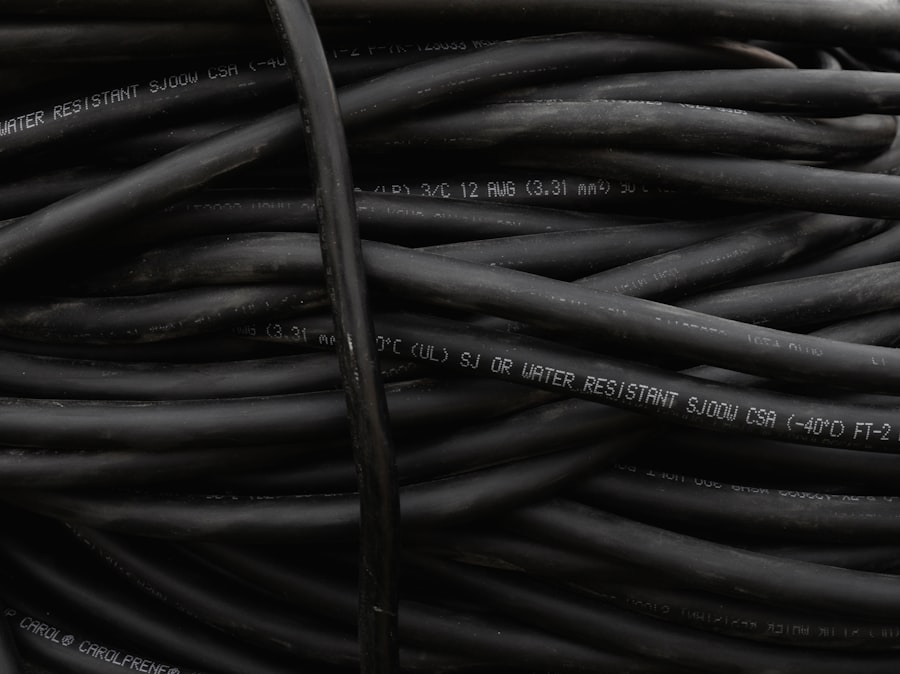
Underwater espionage presented unique challenges that tested the limits of technology and human ingenuity. The harsh conditions of deep-sea environments posed significant obstacles for U.S. submarines engaged in Operation Ivy Bells.
Factors such as extreme pressure, low temperatures, and limited visibility made it difficult to operate equipment effectively and maintain communication with command centers. Moreover, the risk of detection loomed large over every mission. The Soviets had invested heavily in anti-submarine warfare capabilities, including advanced sonar systems designed to detect foreign vessels operating in their waters.
U.S. submariners had to navigate these dangers while executing their missions with precision and stealth. The psychological toll on crews operating under such high-stakes conditions cannot be understated; they faced constant uncertainty about their safety and the success of their operations.
Operation Ivy Bells’ Impact on US-Soviet Relations
Operation Ivy Bells had far-reaching implications for U.S.-Soviet relations during the Cold War. The intelligence gathered through this operation provided critical insights into Soviet military capabilities and intentions, allowing U.S. policymakers to make informed decisions regarding defense strategies and diplomatic negotiations.
The information obtained through intercepted communications helped shape U.S. responses to various crises throughout the Cold War. However, the operation also contributed to an atmosphere of mistrust between the two superpowers.
As both sides engaged in increasingly aggressive espionage activities, diplomatic relations became strained, leading to heightened tensions and an escalation of military posturing. The revelations surrounding Operation Ivy Bells underscored the lengths to which both nations would go to protect their interests, further entrenching the divide between them during this tumultuous period.
The Legacy of Operation Ivy Bells
The legacy of Operation Ivy Bells extends beyond its immediate impact on Cold War dynamics; it also set a precedent for future intelligence operations conducted by both the United States and other nations. The techniques developed during this operation laid the groundwork for advancements in underwater surveillance technology and espionage tactics that would be employed in subsequent decades. Moreover, Operation Ivy Bells highlighted the importance of innovation in intelligence gathering during times of conflict.
As technology continued to evolve, so too did the methods employed by nations seeking to gain an advantage over their adversaries. The lessons learned from Operation Ivy Bells continue to inform contemporary approaches to underwater espionage and intelligence operations around the world.
The Declassification of Operation Ivy Bells
In subsequent years, as Cold War tensions began to ease, aspects of Operation Ivy Bells were declassified, shedding light on its significance within the broader context of U.S.-Soviet relations. The release of information regarding this clandestine operation allowed historians and scholars to analyze its impact on military strategy and international diplomacy during a critical period in history. The declassification process also sparked public interest in Cold War espionage activities, leading to a greater understanding of how intelligence operations shaped global events during this time.
As more details emerged about Operation Ivy Bells, it became clear that this initiative was not just a technological achievement but also a reflection of the complex interplay between national security interests and international relations.
Lessons Learned from Operation Ivy Bells
Operation Ivy Bells offered several key lessons for future intelligence operations and military strategy. One significant takeaway was the importance of adaptability in response to evolving threats. As both U.S. and Soviet capabilities advanced over time, so too did their approaches to espionage and counterintelligence efforts. This highlighted the necessity for continuous innovation and investment in technology to stay ahead of adversaries. Additionally, Operation Ivy Bells underscored the value of collaboration between military branches and intelligence agencies. The successful execution of this operation relied on effective communication and coordination among various entities within the U.S. government. This lesson remains relevant today as nations continue to navigate complex security challenges that require joint efforts across multiple domains.
The Future of Underwater Espionage
As technology continues to advance at an unprecedented pace, the future of underwater espionage is likely to evolve significantly from what was seen during Operation Ivy Bells. Emerging technologies such as artificial intelligence, autonomous underwater vehicles (AUVs), and advanced sensor systems are poised to revolutionize how nations conduct surveillance beneath the waves. Moreover, as geopolitical tensions persist in various regions around the world, underwater espionage will remain a critical component of national security strategies for many countries.
The lessons learned from historical operations like Ivy Bells will inform contemporary approaches as nations seek to adapt to new challenges posed by evolving threats in an increasingly interconnected world. In conclusion, Operation Ivy Bells stands as a testament to human ingenuity and determination in the face of adversity during one of history’s most tumultuous periods. Its legacy continues to resonate today as nations grapple with complex security challenges beneath the surface of our oceans.
Operation Ivy Bells was a covert operation during the Cold War that involved the tapping of underwater communication cables to gather intelligence on Soviet naval activities. For a deeper understanding of the strategic implications of such operations, you can read more about related military tactics and their historical context in this article on In the War Room.
WATCH THIS! 🎖️ The Silent Underwater Network That Doomed Every Soviet Submarine
FAQs
What was Operation Ivy Bells?
Operation Ivy Bells was a secret United States intelligence mission during the Cold War that involved tapping into Soviet underwater communication cables in the Sea of Okhotsk.
What was the purpose of Operation Ivy Bells?
The purpose of Operation Ivy Bells was to intercept and gather intelligence from Soviet military communications by tapping into their underwater telephone cables.
How was the cable tapped during Operation Ivy Bells?
The U.S. Navy used specially equipped submarines and divers to locate and attach wiretapping devices to the Soviet underwater communication cables without being detected.
When did Operation Ivy Bells take place?
Operation Ivy Bells was conducted primarily in the 1970s during the height of the Cold War.
Where was the submarine cable located?
The submarine cable targeted in Operation Ivy Bells was located in the Sea of Okhotsk, near the Soviet Union’s eastern coast.
Which U.S. military branch was involved in Operation Ivy Bells?
The U.S. Navy played a central role in Operation Ivy Bells, utilizing submarines and divers to carry out the mission.
Was Operation Ivy Bells successful?
Yes, Operation Ivy Bells was considered successful in providing valuable intelligence on Soviet naval operations and communications for several years.
How was Operation Ivy Bells compromised?
The operation was compromised in the early 1980s when a former NSA analyst, Ronald Pelton, disclosed details of the mission to the Soviet Union.
What impact did Operation Ivy Bells have on intelligence gathering?
Operation Ivy Bells demonstrated the effectiveness of underwater cable tapping as an intelligence-gathering technique and influenced future signals intelligence operations.
Is Operation Ivy Bells still active today?
No, Operation Ivy Bells was discontinued after it was compromised, and advances in technology and changes in geopolitical circumstances have since altered intelligence methods.