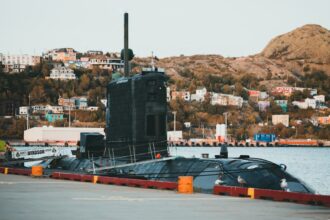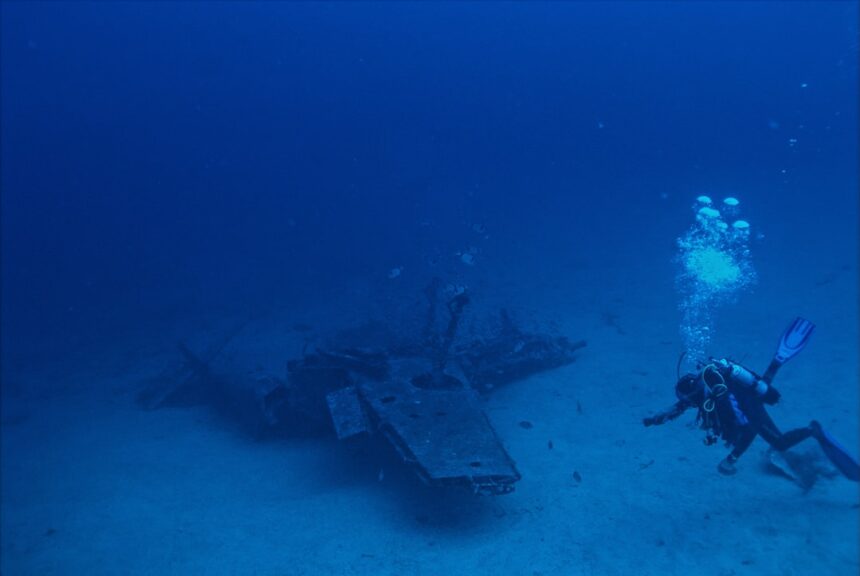
In the realm of modern naval warfare, the ability to detect submarines has become increasingly critical. As nations invest in advanced underwater capabilities, the need for sophisticated detection operations has surged. Submarines, often referred to as the silent service, can operate undetected beneath the waves, posing significant threats to maritime security.
Advanced submarine detection operations encompass a range of technologies and methodologies designed to locate and track these elusive vessels. The evolution of these operations reflects not only technological advancements but also the changing dynamics of global security. The complexity of submarine detection is underscored by the diverse environments in which submarines operate.
From shallow coastal waters to the vast expanses of the open ocean, each setting presents unique challenges. As such, naval forces around the world are continually refining their detection strategies, integrating cutting-edge technologies and fostering collaboration among various military branches and allied nations. This article delves into the multifaceted world of advanced submarine detection operations, exploring the technologies, methodologies, and collaborative efforts that define this critical aspect of modern naval warfare.
Key Takeaways
- Sonar technology remains a cornerstone in detecting submarines underwater.
- Unmanned Underwater Vehicles (UUVs) enhance detection capabilities with remote operations.
- Advanced data analysis and satellite integration improve accuracy and coverage.
- Collaboration among agencies is crucial for effective submarine detection.
- Training and environmental awareness are key to successful and responsible operations.
The Role of Sonar Technology in Submarine Detection
Sonar technology stands at the forefront of submarine detection operations, serving as a primary tool for identifying and tracking underwater vessels. By emitting sound waves and analyzing their echoes, sonar systems can detect objects submerged in water, providing vital information about their location and movement. There are two main types of sonar: active and passive.
Active sonar sends out sound pulses and listens for their reflections, while passive sonar relies on detecting sounds emitted by submarines themselves, such as engine noise or propeller cavitation. The effectiveness of sonar technology is influenced by various factors, including water temperature, salinity, and ambient noise levels. Advanced sonar systems have been developed to mitigate these challenges, incorporating sophisticated algorithms and signal processing techniques to enhance detection capabilities.
For instance, modern sonar arrays can utilize multiple frequencies to improve resolution and target discrimination, allowing operators to differentiate between submarines and other underwater objects. As a result, sonar remains an indispensable component of submarine detection operations, continually evolving to meet the demands of contemporary naval warfare.
Utilizing Unmanned Underwater Vehicles for Submarine Detection
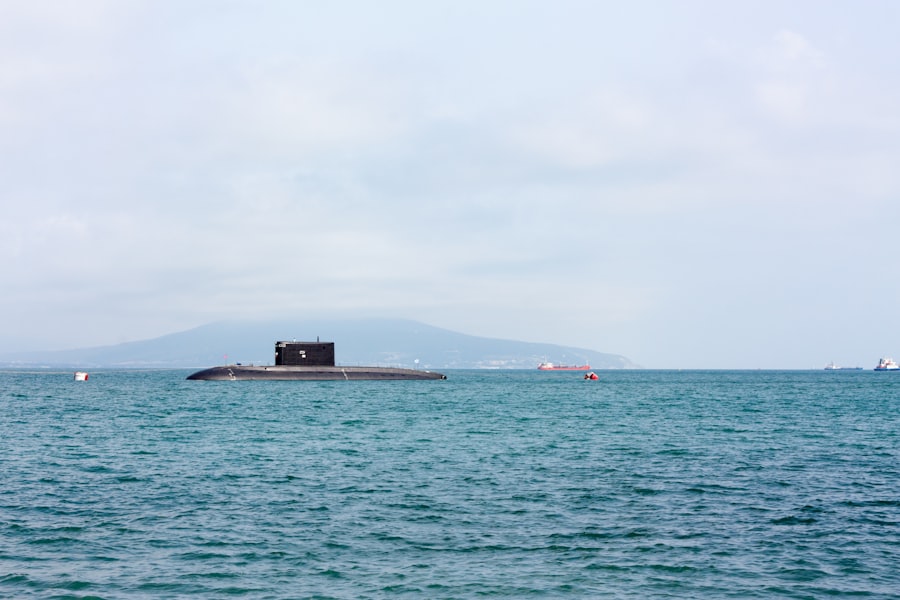
Unmanned Underwater Vehicles (UUVs) have emerged as a game-changing asset in submarine detection operations. These robotic platforms can be deployed for various missions, including reconnaissance, surveillance, and mine countermeasures. Equipped with advanced sensors and imaging systems, UUVs can operate autonomously or be remotely controlled by operators on surface vessels or submarines.
Their ability to navigate complex underwater environments makes them invaluable for detecting submarines that may be hiding in challenging terrains. The integration of UUVs into submarine detection operations offers several advantages. Firstly, they can cover vast areas more efficiently than traditional manned vessels, reducing the time required for search operations.
Secondly, UUVs can operate at depths and in conditions that may be hazardous for human crews, allowing for more comprehensive surveillance. Additionally, their stealthy nature enables them to approach potential targets without alerting them to their presence. As technology continues to advance, UUVs are expected to play an increasingly prominent role in enhancing submarine detection capabilities.
Advanced Data Analysis Techniques for Submarine Detection
The sheer volume of data generated during submarine detection operations necessitates the use of advanced data analysis techniques. Modern detection systems produce vast amounts of acoustic data that must be processed and interpreted quickly to provide actionable intelligence. Machine learning and artificial intelligence (AI) have become integral to this process, enabling analysts to identify patterns and anomalies that may indicate the presence of submarines.
For instance, AI can be trained to recognize specific acoustic signatures associated with different types of submarines, improving target identification accuracy. Furthermore, predictive analytics can enhance situational awareness by forecasting potential submarine movements based on historical data and environmental factors.
As data analysis techniques continue to evolve, they will play a crucial role in enhancing the effectiveness of submarine detection operations.
Integrating Satellite Technology for Enhanced Submarine Detection
| Operation Name | Date | Region | Detection Method | Number of Submarines Detected | Duration (Days) | Success Rate (%) |
|---|---|---|---|---|---|---|
| Silent Watch | 2023-02 | North Atlantic | Sonar Array | 5 | 14 | 85 |
| Deep Echo | 2023-07 | Pacific Ocean | Magnetic Anomaly Detection | 3 | 21 | 78 |
| Shadow Net | 2024-01 | Arctic Circle | Underwater Drones | 4 | 10 | 90 |
| Blue Horizon | 2024-04 | South China Sea | Satellite Surveillance | 6 | 18 | 82 |
The integration of satellite technology into submarine detection operations represents a significant advancement in maritime surveillance capabilities. Satellites equipped with synthetic aperture radar (SAR) and other remote sensing technologies can monitor vast oceanic areas from space, providing real-time data on surface activities that may indicate submarine movements. This capability is particularly valuable in detecting submarines during their surfacing or periscope operations.
Moreover, satellite communications enable seamless data sharing between naval forces operating in different regions. This interconnectedness enhances situational awareness and allows for coordinated responses to potential threats. By combining satellite data with traditional underwater detection methods such as sonar and UUVs, naval forces can create a comprehensive picture of underwater activities.
The synergy between satellite technology and traditional detection methods is paving the way for more effective submarine detection operations.
The Importance of Collaboration in Advanced Submarine Detection Operations
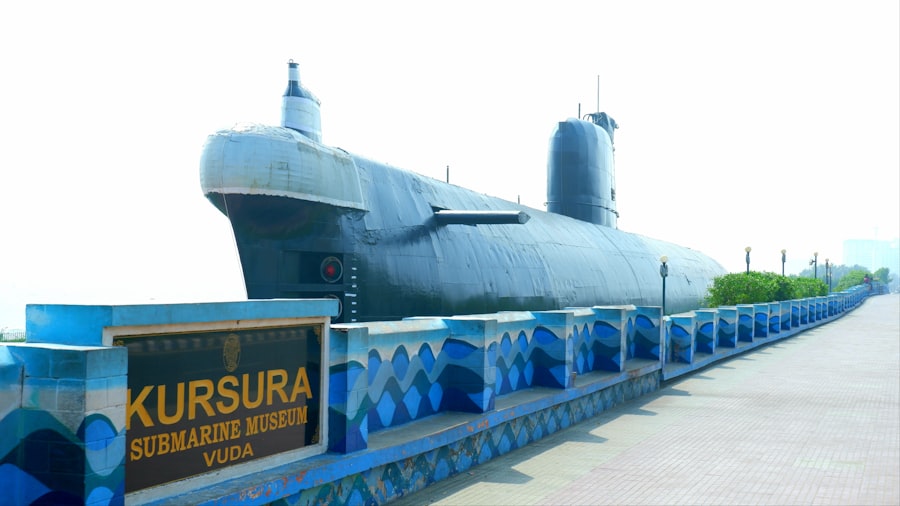
Collaboration among nations and military branches is essential for effective submarine detection operations. Given the global nature of maritime security threats, sharing information and resources can significantly enhance detection capabilities. Joint exercises and training programs allow allied forces to develop interoperability and refine their detection strategies collectively.
For instance, countries with advanced sonar technologies can collaborate with those possessing expertise in UUV operations or satellite surveillance. This pooling of resources not only strengthens individual nations’ capabilities but also fosters a unified approach to addressing common security challenges.
As threats evolve, so too must the collaborative efforts among nations committed to maintaining maritime security.
Challenges and Limitations in Advanced Submarine Detection
Despite significant advancements in submarine detection technologies, challenges and limitations persist. One major hurdle is the inherent stealth capabilities of modern submarines, which are designed to minimize their acoustic signatures and evade detection. As submarines become quieter and more sophisticated, traditional sonar systems may struggle to identify them effectively.
Environmental factors also pose challenges for submarine detection operations. Variations in water temperature, salinity, and background noise can affect sonar performance and complicate target identification. Additionally, the vastness of the ocean presents logistical challenges in terms of coverage and response times during detection missions.
Addressing these challenges requires ongoing research and development efforts aimed at enhancing existing technologies and exploring innovative solutions.
Future Trends in Submarine Detection Operations
The future of submarine detection operations is likely to be shaped by several emerging trends. One notable trend is the increasing reliance on artificial intelligence and machine learning algorithms for data analysis and target recognition. As these technologies continue to advance, they will enable more accurate predictions regarding submarine movements and enhance overall situational awareness.
Another trend is the growing integration of multi-domain operations that combine air, land, sea, space, and cyber capabilities for comprehensive maritime security strategies. This holistic approach will allow naval forces to leverage various assets—such as satellites, UUVs, and manned vessels—more effectively in detecting submarines. Furthermore, advancements in sensor technology will likely lead to the development of new detection methods that improve accuracy while reducing false positives.
Training and Education for Advanced Submarine Detection Operations
As technologies evolve, so too must the training and education programs for personnel involved in submarine detection operations. Comprehensive training programs that incorporate both theoretical knowledge and practical experience are essential for developing skilled operators capable of utilizing advanced technologies effectively. Simulation-based training environments can provide personnel with realistic scenarios that mimic real-world conditions encountered during submarine detection missions.
Additionally, fostering a culture of continuous learning will ensure that operators remain up-to-date with the latest advancements in technology and tactics. By investing in training and education initiatives, naval forces can enhance their readiness and effectiveness in conducting advanced submarine detection operations.
Environmental Considerations in Submarine Detection Operations
Environmental considerations play a crucial role in shaping submarine detection operations. The impact of underwater noise pollution on marine ecosystems is an increasingly important concern as naval forces deploy advanced sonar systems and UUVs for detection purposes. Striking a balance between effective detection capabilities and environmental stewardship is essential for sustainable maritime practices.
Moreover, climate change is altering oceanic conditions that affect sonar performance and underwater acoustics. As temperatures rise and sea levels change, understanding these dynamics will be vital for maintaining effective submarine detection operations. By incorporating environmental considerations into operational planning and technology development, naval forces can ensure that their activities do not adversely impact marine ecosystems while still achieving their mission objectives.
Case Studies of Successful Advanced Submarine Detection Operations
Examining case studies of successful advanced submarine detection operations provides valuable insights into best practices and lessons learned. One notable example is the use of integrated sonar systems during multinational naval exercises aimed at enhancing interoperability among allied forces. These exercises demonstrated how collaborative efforts could lead to improved detection capabilities through shared knowledge and resources.
Another case study involves the deployment of UUVs equipped with advanced sensors during a specific mission to locate a suspected hostile submarine operating in contested waters. The UUVs successfully gathered critical intelligence that informed subsequent operational decisions while minimizing risks to manned vessels. Such examples highlight the importance of innovation, collaboration, and adaptability in advancing submarine detection operations.
In conclusion, advanced submarine detection operations are a complex interplay of technology, strategy, collaboration, and environmental considerations. As threats evolve in an increasingly interconnected world, so too must the approaches taken by naval forces worldwide to ensure maritime security remains robust against potential underwater threats.
Classified submarine detection operations are a critical aspect of modern naval warfare, as they play a vital role in maintaining national security and strategic advantage. For a deeper understanding of the complexities involved in these operations, you can read more in the article available at In the War Room. This resource provides insights into the technologies and methodologies employed in detecting submarines, as well as the implications for military strategy and international relations.
WATCH THIS! 🎖️ The Silent Underwater Network That Doomed Every Soviet Submarine
FAQs
What are classified submarine detection operations?
Classified submarine detection operations refer to covert activities conducted by military or intelligence agencies to locate, track, and monitor submarines. These operations often involve the use of advanced technology and sensitive methods that are not publicly disclosed to maintain strategic advantages.
Why are submarine detection operations classified?
These operations are classified to protect national security interests, prevent adversaries from learning detection capabilities, and maintain the element of surprise. Revealing details could compromise the effectiveness of detection systems and tactics.
What technologies are commonly used in submarine detection?
Common technologies include sonar systems (both passive and active), magnetic anomaly detectors, underwater drones, satellite surveillance, and signal intelligence. Many of these technologies are enhanced and adapted in classified programs.
Who conducts classified submarine detection operations?
Typically, these operations are conducted by naval forces, intelligence agencies, and specialized military units of a country. Collaboration between different branches and allied nations may also occur under strict confidentiality.
How do classified submarine detection operations impact global security?
They play a critical role in maintaining maritime security, deterring hostile submarine activities, and ensuring the safety of naval assets. Effective detection helps prevent surprise attacks and supports strategic defense planning.
Are there international laws governing submarine detection operations?
While international maritime law regulates submarine activities and territorial waters, specific laws governing detection operations are less defined due to their classified nature. However, operations must generally comply with sovereignty and international agreements.
Can civilians access information about classified submarine detection operations?
Information about these operations is typically restricted to authorized personnel. Public knowledge is limited to declassified materials, official statements, or general information released by governments.
What challenges are associated with submarine detection?
Challenges include the stealth capabilities of modern submarines, complex underwater environments, signal interference, and the need for real-time data processing. Classified operations often focus on overcoming these challenges through advanced research and technology.