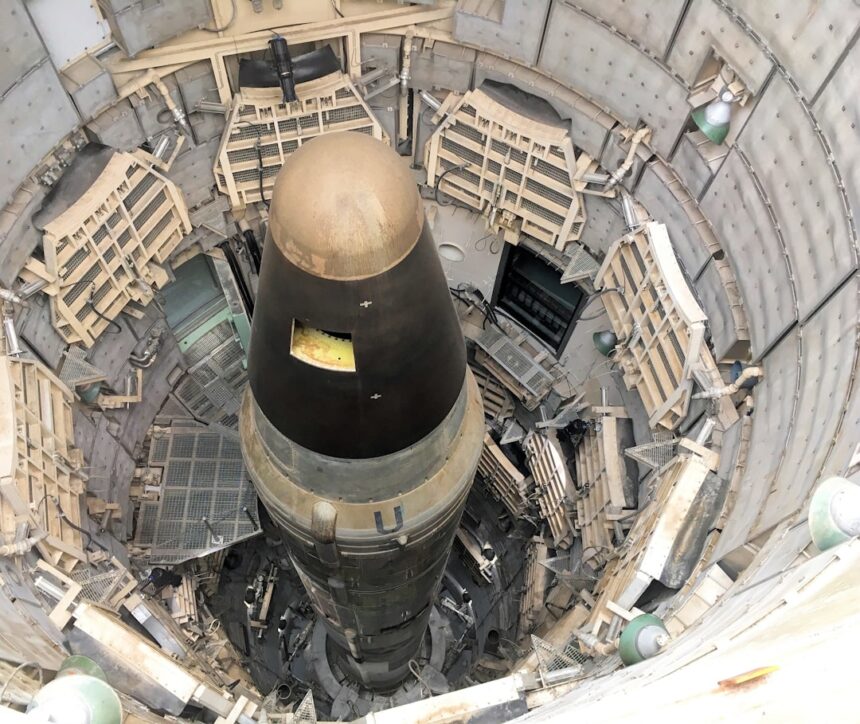
Strategic nuclear deterrence doctrine serves as a cornerstone of national security for many countries, particularly those with significant nuclear arsenals. At its core, this doctrine is predicated on the idea that the possession of nuclear weapons can prevent adversaries from engaging in aggressive actions due to the fear of catastrophic retaliation. The fundamental principle is that the threat of overwhelming destruction will dissuade potential aggressors from initiating conflict, thereby maintaining a precarious peace.
This doctrine encompasses not only the weapons themselves but also the strategies and policies governing their use, including the conditions under which a state might resort to nuclear options. The strategic nuclear deterrence doctrine is often articulated through various frameworks, such as mutually assured destruction (MAD), which posits that both sides in a conflict would face total annihilation should nuclear weapons be deployed. This creates a delicate balance of power, where each side is acutely aware of the consequences of escalation.
Additionally, the doctrine includes concepts like second-strike capability, which ensures that a state can respond to a nuclear attack with its own devastating counterstrike, further reinforcing the deterrent effect. As nations navigate the complexities of international relations, understanding this doctrine becomes essential for comprehending how states interact and the underlying motivations that drive their security policies.
Key Takeaways
- Strategic nuclear deterrence aims to prevent conflict by threatening unacceptable retaliation.
- The doctrine has evolved through Cold War dynamics and technological advancements.
- It plays a critical role in shaping international relations and maintaining global stability.
- Ethical concerns arise from the potential humanitarian consequences of nuclear use.
- Future deterrence strategies must address emerging threats and changing geopolitical realities.
History and Evolution of Nuclear Deterrence
The history of nuclear deterrence is deeply intertwined with the development of nuclear weapons themselves, beginning with the bombings of Hiroshima and Nagasaki in 1945. These events not only marked the dawn of the atomic age but also set the stage for a new era in military strategy. The Cold War further catalyzed the evolution of nuclear deterrence as the United States and the Soviet Union amassed vast arsenals, each seeking to outpace the other in terms of destructive capability.
This arms race led to the establishment of various doctrines and strategies aimed at ensuring that neither side would initiate a conflict that could escalate into nuclear war. As time progressed, the concept of deterrence evolved to include not just the threat of retaliation but also diplomatic efforts to manage tensions and prevent misunderstandings. The introduction of arms control agreements, such as the Strategic Arms Limitation Talks (SALT) and later treaties like the Strategic Arms Reduction Treaty (START), reflected a growing recognition that while nuclear weapons could deter aggression, they also posed an existential threat that required careful management.
The evolution of nuclear deterrence has thus been marked by a dual focus on maintaining credible deterrent capabilities while simultaneously seeking to reduce the risks associated with nuclear proliferation and potential conflict.
The Role of Strategic Nuclear Deterrence in International Relations

Strategic nuclear deterrence plays a pivotal role in shaping international relations, influencing how states perceive threats and engage with one another. Countries with nuclear capabilities often find themselves in a unique position on the global stage, as their ability to project power through deterrence can alter the dynamics of diplomacy and conflict. For instance, nations like India and Pakistan have navigated a complex relationship marked by historical tensions, yet their mutual possession of nuclear weapons has created a framework within which both sides are compelled to exercise caution.
This dynamic illustrates how nuclear deterrence can serve as both a stabilizing force and a source of tension in international relations. Moreover, strategic nuclear deterrence has implications beyond bilateral relationships; it affects multilateral interactions as well. The presence of nuclear weapons can complicate alliances and partnerships, as states must consider not only their own security needs but also those of their allies.
For example, NATO’s collective defense strategy is heavily influenced by the United States’ nuclear umbrella, which reassures member states while simultaneously deterring potential aggressors. In this way, strategic nuclear deterrence shapes not only individual state behavior but also broader geopolitical landscapes, influencing everything from military alliances to economic partnerships.
The Psychological Impact of Nuclear Deterrence
The psychological impact of nuclear deterrence cannot be overstated; it fundamentally alters how states and their leaders approach conflict and security. The mere existence of nuclear weapons creates an atmosphere of fear and caution, where decision-makers must weigh the catastrophic consequences of military action against their strategic objectives. This psychological dimension is particularly pronounced during crises when tensions escalate, and leaders must navigate their responses carefully to avoid miscalculations that could lead to disaster.
The fear of mutually assured destruction serves as a powerful motivator for restraint, compelling states to consider the broader implications of their actions. Additionally, the psychological effects extend beyond state actors to influence public perception and societal attitudes toward war and peace. In nations with nuclear capabilities, citizens may experience a mix of pride in their country’s military strength and anxiety about the potential for catastrophic conflict.
This duality can shape public discourse around defense policies and influence electoral outcomes, as leaders must address both national security concerns and public fears about nuclear war. Ultimately, the psychological impact of nuclear deterrence underscores its complexity; it is not merely a matter of military strategy but also one deeply rooted in human behavior and societal dynamics.
The Role of Strategic Nuclear Deterrence in Preventing Conflict
| Metric | Description | Example Values | Significance |
|---|---|---|---|
| Number of Warheads | Total deployed strategic nuclear warheads under doctrine | 1,550 (New START limit) | Indicates the scale of nuclear capability maintained for deterrence |
| Delivery Systems | Types of platforms used to deliver nuclear weapons | ICBMs, SLBMs, Strategic Bombers | Ensures second-strike capability and survivability |
| Launch Posture | Readiness level of nuclear forces (e.g., launch on warning, launch under attack) | Launch on warning | Determines response time and deterrence credibility |
| Deterrence Strategy | Core principle guiding nuclear use (e.g., assured retaliation, flexible response) | Mutually Assured Destruction (MAD) | Defines the conditions under which nuclear weapons would be used |
| Command and Control | Systems and protocols for authorizing nuclear weapon use | Centralized presidential authority | Ensures secure and controlled use of nuclear weapons |
| Survivability Measures | Technologies and strategies to protect nuclear forces | Hardened silos, mobile launchers, submarine stealth | Maintains credible second-strike capability |
| Arms Control Agreements | International treaties limiting nuclear arsenals | New START, INF Treaty (historical) | Reduces risk of arms race and promotes stability |
Strategic nuclear deterrence has often been credited with preventing large-scale conflicts between nuclear-armed states, particularly during periods of heightened tension such as the Cold War. The logic behind this assertion lies in the understanding that when both sides possess the capability to inflict unacceptable damage on one another, they are less likely to engage in direct military confrontations. This phenomenon was evident during events like the Cuban Missile Crisis, where the presence of nuclear weapons on both sides led to intense negotiations rather than open warfare.
The fear of escalation into a nuclear exchange acted as a powerful disincentive for both superpowers. However, while strategic nuclear deterrence may have contributed to preventing certain conflicts, it is essential to recognize its limitations. Deterrence does not eliminate the possibility of war; rather, it transforms how states approach conflict.
In some cases, nations may resort to proxy wars or engage in conventional military confrontations while avoiding direct conflict with nuclear-armed adversaries.
Thus, while strategic nuclear deterrence has played a significant role in preventing certain types of conflicts, it is not a panacea for all security dilemmas.
The Ethical and Moral Considerations of Nuclear Deterrence
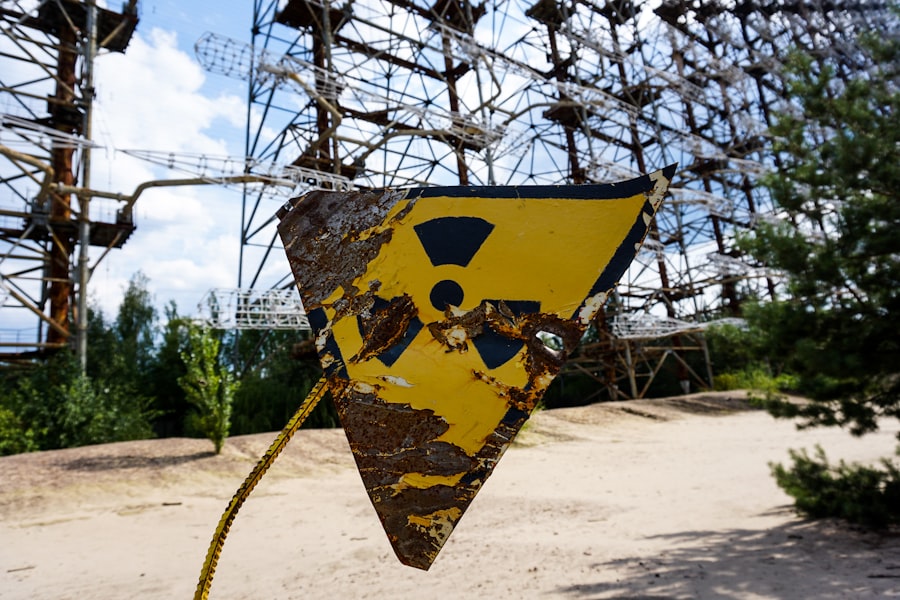
The ethical and moral considerations surrounding strategic nuclear deterrence are complex and contentious. On one hand, proponents argue that possessing nuclear weapons serves as a necessary evil for ensuring national security and preventing aggression from adversaries. They contend that the potential for catastrophic retaliation acts as a stabilizing force in international relations, ultimately saving lives by deterring war.
However, critics raise profound ethical questions about the morality of threatening mass destruction as a means of achieving security objectives. The very existence of nuclear weapons poses an existential risk not only to combatants but also to civilians who may be caught in the crossfire. Moreover, ethical considerations extend beyond immediate military strategy to encompass broader humanitarian concerns.
The devastating consequences of nuclear warfare—loss of life, long-term environmental damage, and psychological trauma—raise questions about whether any justification can adequately address the moral implications of maintaining such arsenals. As global awareness grows regarding humanitarian issues related to nuclear weapons, calls for disarmament and non-proliferation have gained momentum. This ongoing debate highlights the tension between national security imperatives and ethical responsibilities toward humanity as a whole.
The Impact of Strategic Nuclear Deterrence on Arms Control
Strategic nuclear deterrence has significantly influenced arms control efforts throughout history. The recognition that unchecked proliferation poses risks not only to individual states but also to global stability has led to various treaties aimed at regulating and reducing nuclear arsenals. Initiatives such as the Treaty on the Non-Proliferation of Nuclear Weapons (NPT) reflect a collective understanding that while deterrence may be necessary for some states, it should not come at the expense of global security.
Arms control agreements seek to establish frameworks for transparency and verification while promoting disarmament efforts among nations. However, achieving meaningful arms control remains fraught with challenges. As geopolitical tensions rise and new players enter the nuclear arena, traditional frameworks may struggle to adapt effectively.
Additionally, concerns about compliance and verification can hinder progress toward disarmament goals. The interplay between strategic nuclear deterrence and arms control underscores a delicate balance; while effective deterrence can provide stability, it must be accompanied by concerted efforts to mitigate risks associated with proliferation and ensure accountability among states.
The Importance of Maintaining a Credible Nuclear Deterrent
Maintaining a credible nuclear deterrent is paramount for states seeking to ensure their national security in an increasingly complex global landscape. A credible deterrent requires not only possessing advanced weaponry but also demonstrating the political will to use it if necessary. This involves clear communication regarding red lines and potential responses to aggression, ensuring that adversaries understand the consequences of their actions.
A credible deterrent fosters stability by instilling confidence among allies while simultaneously deterring potential aggressors from pursuing hostile actions. However, maintaining credibility is an ongoing challenge that requires continuous investment in modernization efforts and strategic planning. As technology evolves and new threats emerge—such as cyber warfare or advancements in missile defense—states must adapt their deterrent strategies accordingly.
Failure to do so risks undermining confidence in their capabilities and emboldening adversaries who may perceive an opportunity for aggression. Thus, sustaining a credible nuclear deterrent is not merely about possessing weapons; it involves an intricate interplay between military readiness, diplomatic engagement, and public perception.
The Role of Strategic Nuclear Deterrence in National Security Strategy
Strategic nuclear deterrence occupies a central role in shaping national security strategies for many countries around the world.
National security strategies typically incorporate elements related to deterrence—such as force posture, readiness levels, and investment in modernization—reflecting an understanding that credible deterrent capabilities are vital for safeguarding national interests.
Moreover, strategic nuclear deterrence informs broader defense planning by influencing military alliances and partnerships. Countries within alliances often rely on collective security arrangements bolstered by shared commitments to deter aggression through mutual defense agreements or extended deterrence guarantees. This interconnectedness highlights how strategic nuclear deterrence shapes not only individual state policies but also collective approaches to security challenges on regional and global scales.
The Challenges and Risks of Strategic Nuclear Deterrence
Despite its perceived benefits, strategic nuclear deterrence is fraught with challenges and risks that can undermine its effectiveness. One significant concern is the potential for miscalculation or accidental escalation during crises when tensions run high. The fog of war can lead to misunderstandings or misinterpretations of intentions, raising fears that conventional conflicts could inadvertently escalate into nuclear exchanges.
Such scenarios underscore the importance of robust communication channels and crisis management mechanisms among states possessing nuclear capabilities. Additionally, emerging technologies pose new challenges for traditional deterrent strategies. Cyber warfare capabilities can disrupt command-and-control systems or compromise sensitive information related to nuclear arsenals, raising questions about reliability and security in an increasingly interconnected world.
Furthermore, non-state actors gaining access to advanced weaponry complicates existing frameworks for deterrence by introducing unpredictable variables into security calculations. As these challenges evolve, states must adapt their approaches to ensure that strategic nuclear deterrence remains effective in safeguarding national interests.
The Future of Strategic Nuclear Deterrence in a Changing Global Security Landscape
The future of strategic nuclear deterrence is likely to be shaped by an array of factors reflecting changes in global security dynamics. As new powers emerge on the world stage and existing rivalries evolve, traditional notions of deterrence may need reevaluation to account for shifting geopolitical realities. The rise of multipolarity—where multiple states possess significant military capabilities—could complicate existing frameworks for managing competition among great powers while necessitating innovative approaches to arms control.
Moreover, advancements in technology will continue to influence how states perceive threats and develop their deterrent strategies. The integration of artificial intelligence into military decision-making processes raises questions about human oversight in critical moments where rapid responses may be required. As nations grapple with these complexities, discussions surrounding disarmament efforts will likely intensify alongside calls for greater transparency regarding nuclear arsenals.
In conclusion, strategic nuclear deterrence remains a vital component of national security strategies worldwide but faces numerous challenges that require careful consideration moving forward. Balancing effective deterrent capabilities with ethical responsibilities toward global stability will be crucial as states navigate an increasingly uncertain future marked by evolving threats and opportunities for cooperation.
Strategic nuclear deterrence doctrine plays a crucial role in maintaining global stability and preventing nuclear conflict. For a deeper understanding of the complexities surrounding this doctrine, you can explore the article available on In The War Room, which discusses various aspects of nuclear strategy and its implications for international relations. To read more, visit