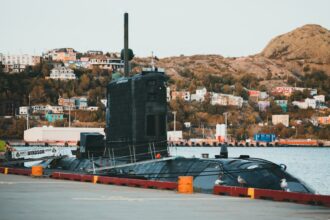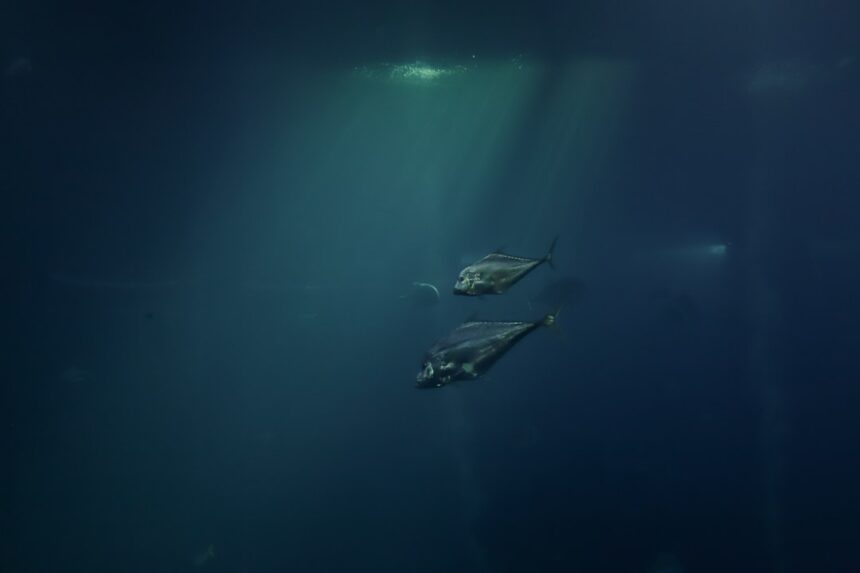
Diesel electric submarines represent a unique blend of traditional naval engineering and modern technology. These vessels operate primarily on diesel engines when on the surface or at periscope depth, utilizing electric batteries for submerged operations. This dual propulsion system allows them to remain stealthy and efficient, making them a formidable presence in naval warfare.
The design of diesel electric submarines emphasizes a balance between speed, endurance, and stealth, enabling them to perform a variety of missions ranging from reconnaissance to anti-submarine warfare. The operational capabilities of diesel electric submarines are further enhanced by their relatively smaller size compared to nuclear-powered counterparts. This compactness allows for greater maneuverability in coastal waters and shallow environments, where larger submarines may struggle.
Additionally, the quieter operation of diesel engines, especially when running on battery power, makes these submarines less detectable by enemy sonar systems. As a result, they have become increasingly relevant in modern naval strategies, particularly in regions where stealth and agility are paramount.
Key Takeaways
- Diesel electric submarines rely on stealth and sonar evasion, making detection challenging.
- Advanced sonar and detection technologies are critical for locating and tracking submarines.
- Effective search patterns and coordinated efforts with surface ships and aircraft enhance hunting success.
- Tactical maneuvering and underwater weapon deployment are essential for neutralizing targets.
- Continuous training and adapting to new technologies shape the future of submarine hunting operations.
The Role of Sonar in Submarine Hunting
Sonar technology plays a critical role in the effectiveness of submarine hunting operations. By emitting sound waves and analyzing the echoes that bounce back, sonar systems can detect and track underwater objects, including submarines. There are two primary types of sonar: active and passive.
Active sonar sends out sound pulses and listens for their return, while passive sonar relies on listening for sounds emitted by submarines themselves. Each method has its advantages and limitations, making them complementary tools in the hunt for enemy vessels. In the context of submarine hunting, passive sonar is often favored due to its stealthy nature.
By listening for the sounds generated by a submarine’s machinery or propeller, hunters can gather valuable intelligence without revealing their own position. However, active sonar can provide more precise location data and is particularly useful in shallow waters where sound waves may behave unpredictably. The integration of both sonar types into a cohesive strategy allows naval forces to maximize their detection capabilities while minimizing the risk of detection themselves.
Utilizing Advanced Detection Technologies
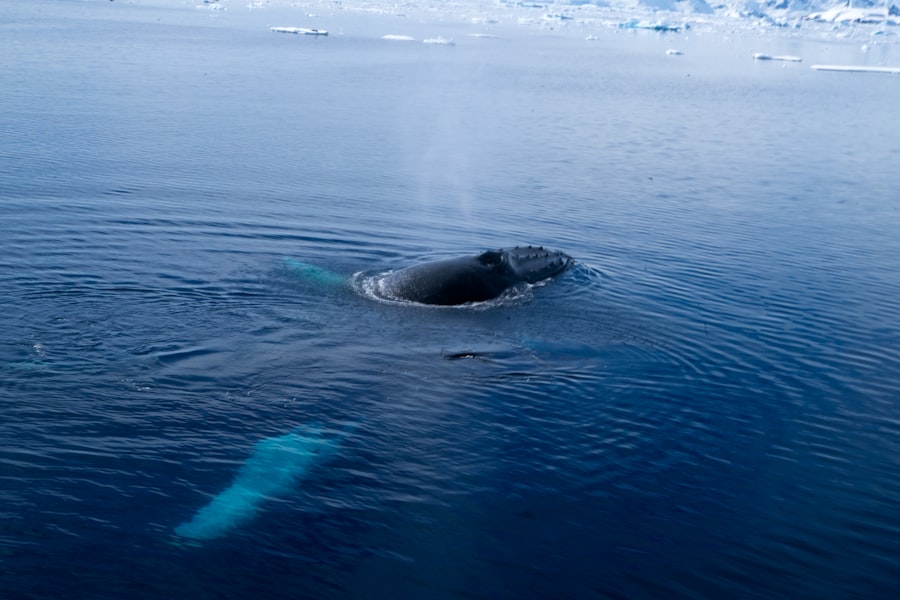
The evolution of submarine hunting has been significantly influenced by advancements in detection technologies. Modern naval forces employ a range of sophisticated systems that enhance their ability to locate and track diesel electric submarines. These technologies include advanced sonar systems, unmanned underwater vehicles (UUVs), and satellite-based surveillance.
Each of these tools contributes to a more comprehensive understanding of the underwater environment and the movements of potential adversaries. UUVs, in particular, have revolutionized submarine hunting by providing an additional layer of reconnaissance. These unmanned vehicles can be deployed to gather intelligence in areas that may be too dangerous or inaccessible for manned vessels.
Equipped with advanced sensors and cameras, UUVs can operate autonomously or be remotely controlled, allowing for real-time data collection without risking human lives. The integration of these technologies into traditional hunting strategies has made it increasingly difficult for submarines to evade detection.
Developing Effective Search Patterns
The development of effective search patterns is crucial for successful submarine hunting operations. Naval strategists must consider various factors, including oceanographic conditions, expected submarine behavior, and the capabilities of their own assets when planning search patterns. A well-structured search pattern maximizes coverage while minimizing the time spent in potentially unproductive areas.
One common approach is the use of grid patterns, where search vessels systematically cover designated areas in a methodical manner.
Additionally, adaptive search patterns can be employed based on real-time intelligence or sonar data, allowing hunters to focus their efforts on areas where submarines are most likely to be found.
The ability to adjust search patterns dynamically is essential in maintaining an edge over elusive underwater adversaries.
Maneuvering and Positioning for Optimal Detection
| Metric | Description | Typical Value | Unit |
|---|---|---|---|
| Detection Range | Maximum distance at which a diesel-electric submarine can be detected using sonar | 5-15 | nautical miles |
| Acoustic Signature | Noise level produced by the submarine, affecting detectability | 50-70 | decibels (dB) |
| Speed | Maximum submerged speed of diesel-electric submarines | 20-25 | knots |
| Endurance | Maximum submerged endurance on battery power | 2-5 | days |
| Sonar Frequency | Typical active sonar frequency used in hunting diesel-electric submarines | 3-10 | kHz |
| Depth Operating Range | Typical operating depth range of diesel-electric submarines | 200-300 | meters |
| Countermeasure Effectiveness | Effectiveness of decoys and noise makers against sonar detection | 60-80 | percent |
Maneuvering and positioning are critical components of effective submarine hunting operations. The ability to position assets strategically can significantly enhance detection capabilities while minimizing exposure to enemy countermeasures. Submarine hunters must consider factors such as water depth, currents, and the acoustic environment when determining their approach.
For instance, operating at varying depths can help avoid detection by enemy sonar while still maintaining an effective listening posture. Additionally, positioning vessels near underwater features such as ridges or canyons can create natural acoustic barriers that enhance detection capabilities. By leveraging the unique characteristics of the underwater environment, hunters can improve their chances of locating enemy submarines while reducing their own vulnerability.
Coordinating with Surface Ships and Aircraft
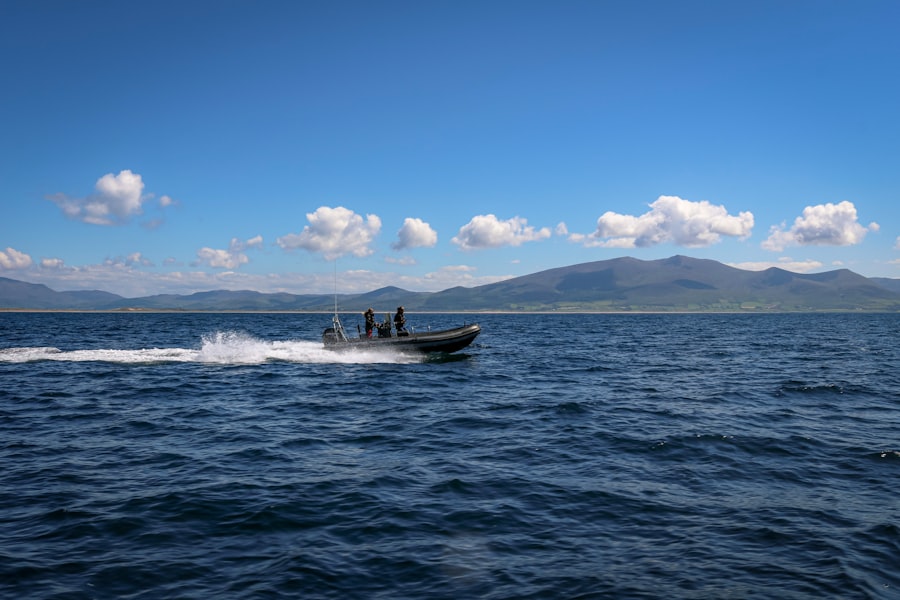
Effective coordination with surface ships and aircraft is essential for successful submarine hunting operations. The integration of multiple platforms allows for a more comprehensive approach to detection and engagement. Surface ships can provide valuable support through their own sonar systems and can act as command centers for coordinating efforts among various assets.
Aircraft also play a vital role in submarine hunting by providing aerial surveillance and rapid response capabilities. Maritime patrol aircraft equipped with advanced sensors can cover vast areas quickly, relaying critical information back to surface vessels and submarines involved in the hunt. This multi-layered approach enhances situational awareness and allows naval forces to respond swiftly to emerging threats.
Utilizing Underwater Weapons and Tactics
Once a submarine has been located, the next challenge is effectively engaging it with underwater weapons and tactics. Torpedoes remain the primary weapon used against submarines due to their speed and accuracy. Modern torpedoes are equipped with advanced guidance systems that allow them to home in on targets with remarkable precision.
In addition to torpedoes, naval forces may employ tactics such as coordinated attacks from multiple platforms to overwhelm an enemy submarine’s defenses. By launching simultaneous strikes from different angles, hunters can increase the likelihood of a successful engagement while complicating the target’s response options. The combination of advanced weaponry and tactical ingenuity is essential for overcoming the challenges posed by modern diesel electric submarines.
Overcoming Challenges in Submarine Hunting
Submarine hunting is fraught with challenges that require constant adaptation and innovation from naval forces. One significant challenge is the inherent stealthiness of diesel electric submarines, which are designed to operate quietly and evade detection. As technology advances, so too do the tactics employed by submarines to remain hidden beneath the waves.
Environmental factors also pose challenges in submarine hunting operations. Ocean currents, temperature layers, and underwater topography can all affect sonar performance and complicate detection efforts. Additionally, adversaries may employ countermeasures such as decoys or noise-making devices to confuse hunters and mask their presence.
To overcome these challenges, naval forces must continuously refine their tactics and invest in research and development to stay ahead of evolving threats.
Training and Preparation for Submarine Hunting Operations
Training and preparation are fundamental components of successful submarine hunting operations. Naval personnel must be well-versed in the intricacies of sonar technology, weapon systems, and tactical maneuvers to effectively engage enemy submarines. Regular exercises simulate real-world scenarios, allowing crews to hone their skills and develop effective communication protocols.
Moreover, collaboration between different branches of the military is essential for fostering a unified approach to submarine hunting. Joint exercises involving surface ships, submarines, and aircraft help build interoperability among various platforms while enhancing overall mission effectiveness. Continuous training ensures that personnel remain proficient in their roles and are prepared to respond swiftly to emerging threats.
Case Studies of Successful Submarine Hunting Missions
Examining historical case studies of successful submarine hunting missions provides valuable insights into effective strategies and tactics. One notable example is the Cold War-era hunt for Soviet submarines by NATO forces in the North Atlantic. Through coordinated efforts involving surface ships, aircraft, and submarines, NATO successfully tracked and engaged numerous Soviet vessels during this tense period.
Another significant case study involves the use of advanced sonar technology during Operation Desert Storm in 1991. U.S. Navy forces employed state-of-the-art sonar systems to locate Iraqi submarines attempting to evade detection in the Persian Gulf.
The successful engagement of these submarines demonstrated the effectiveness of integrating advanced technology with traditional hunting tactics.
The Future of Diesel Electric Submarine Hunting
As technology continues to evolve, so too will the methods employed in diesel electric submarine hunting operations. The future may see increased reliance on artificial intelligence (AI) and machine learning algorithms to analyze vast amounts of data collected from various sensors and platforms. These advancements could enhance situational awareness and improve decision-making processes during complex operations.
Additionally, the development of new underwater weaponry and detection systems will likely play a crucial role in shaping future submarine hunting strategies. As adversaries adapt their tactics to counter existing technologies, naval forces must remain agile and innovative in their approach to ensure continued success in this critical aspect of modern warfare. The ongoing evolution of diesel electric submarine hunting will undoubtedly reflect broader trends in military strategy and technological advancement as nations seek to maintain maritime superiority in an increasingly contested environment.
In the realm of naval warfare, the challenge of hunting diesel-electric submarines has become increasingly complex due to advancements in stealth technology. A related article that delves into the strategies and technologies employed in this domain can be found at this link. This resource provides valuable insights into the tactics used by modern navies to detect and neutralize these elusive underwater threats.
WATCH THIS! 🎬 THE HIDDEN SUBMARINE WAR: How One Man Stopped Mutiny and Nuclear Armageddon
FAQs
What is a diesel-electric submarine?
A diesel-electric submarine is a type of submarine that uses diesel engines to charge batteries, which then power electric motors for underwater propulsion. These submarines are quieter than nuclear-powered ones when running on battery power, making them effective for stealth operations.
How do diesel-electric submarines differ from nuclear submarines?
Diesel-electric submarines rely on diesel engines and batteries for power, requiring them to surface or snorkel periodically to recharge batteries. Nuclear submarines use nuclear reactors for continuous power, allowing them to stay submerged for much longer periods without surfacing.
Why are diesel-electric submarines challenging to detect?
Diesel-electric submarines are quieter than many other types of submarines, especially when running on battery power underwater. Their low noise signature makes them difficult to detect using sonar and other traditional anti-submarine warfare methods.
What methods are used to hunt diesel-electric submarines?
Hunting diesel-electric submarines involves a combination of sonar detection (both active and passive), magnetic anomaly detection, underwater drones, maritime patrol aircraft, and coordinated naval operations. Advanced signal processing and intelligence gathering also play key roles.
What role do sonar systems play in detecting diesel-electric submarines?
Sonar systems are crucial for detecting submarines underwater. Passive sonar listens for sounds emitted by the submarine, while active sonar sends out sound pulses and listens for echoes. Diesel-electric submarines’ quiet operation makes passive sonar particularly important.
Can diesel-electric submarines operate effectively in shallow waters?
Yes, diesel-electric submarines are well-suited for operations in shallow coastal waters due to their smaller size and maneuverability. This capability makes them a significant threat in littoral zones and complicates anti-submarine warfare efforts.
What are the limitations of diesel-electric submarines?
The primary limitation is their need to surface or snorkel to recharge batteries, which exposes them to detection. They also have shorter endurance and range compared to nuclear submarines, limiting their operational scope.
How do modern technologies improve the hunting of diesel-electric submarines?
Modern technologies such as improved sonar arrays, underwater drones, artificial intelligence for signal analysis, and enhanced maritime patrol aircraft sensors have increased the effectiveness of detecting and tracking diesel-electric submarines.
Are diesel-electric submarines still widely used today?
Yes, many navies around the world continue to operate diesel-electric submarines due to their cost-effectiveness, stealth capabilities, and suitability for coastal defense and regional operations.
What strategic importance do diesel-electric submarines hold?
Diesel-electric submarines provide a stealthy and cost-efficient means of naval deterrence, coastal defense, and intelligence gathering. Their ability to operate quietly in littoral waters makes them valuable assets in asymmetric naval warfare.