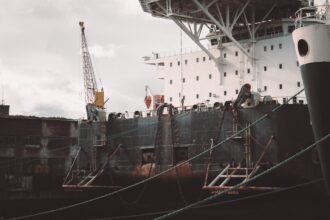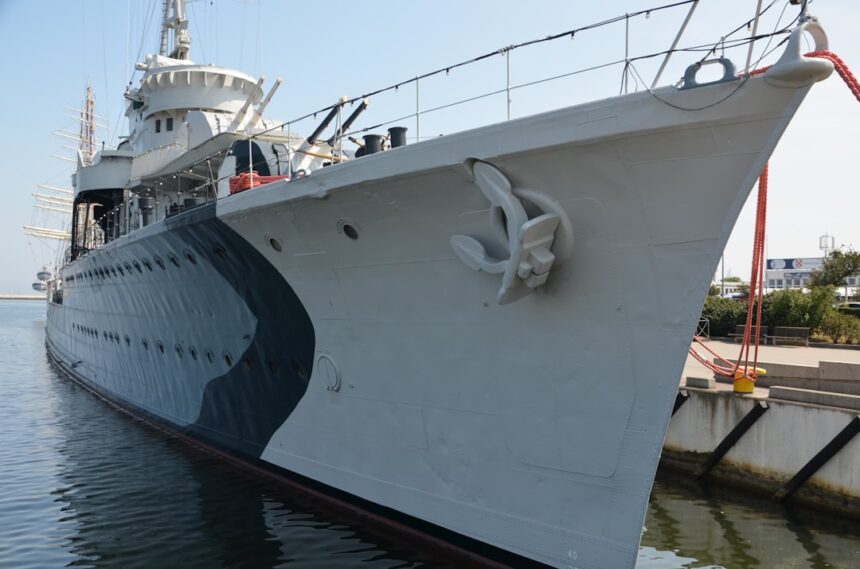
Naval crisis management is a critical component of maritime operations, encompassing the strategies and actions taken to address emergencies at sea. The unpredictable nature of naval missions, combined with the potential for high-stakes situations, underscores the necessity for effective crisis management. Whether it involves natural disasters, hostile engagements, or technical failures, the ability to respond swiftly and efficiently can mean the difference between success and catastrophe.
The maritime environment is inherently complex, with factors such as weather conditions, geopolitical tensions, and logistical challenges all playing a role in crisis scenarios. Therefore, understanding the importance of naval crisis management is paramount for ensuring the safety of personnel, assets, and missions. Moreover, the implications of inadequate crisis management extend beyond immediate operational concerns.
A poorly managed crisis can lead to significant loss of life, damage to naval assets, and long-term repercussions for national security. The reputation of naval forces can also be at stake; public perception is often shaped by how effectively a crisis is handled. Thus, investing in robust crisis management practices not only enhances operational readiness but also fosters trust and confidence among stakeholders, including government entities and the public.
In essence, effective naval crisis management is not merely a procedural necessity; it is a fundamental aspect of maintaining maritime security and operational integrity.
Key Takeaways
- Effective naval crisis management requires a dedicated team and a well-developed plan.
- Regular training, drills, and clear communication protocols are essential for preparedness.
- Leveraging technology enhances response capabilities and information sharing.
- Coordination with external agencies and allies strengthens crisis handling efforts.
- Continuous evaluation and learning drive improvements in crisis management practices.
Establishing a Crisis Management Team
The establishment of a dedicated crisis management team is a foundational step in preparing for potential emergencies at sea. This team should comprise individuals with diverse expertise, including operational commanders, medical personnel, logistics experts, and communication specialists. By bringing together a range of skills and perspectives, the team can develop comprehensive strategies that address various aspects of crisis response.
Each member plays a crucial role in ensuring that all facets of a situation are considered, from immediate tactical responses to long-term recovery efforts. In addition to assembling a team with varied expertise, it is essential to define clear roles and responsibilities within the group. This clarity helps streamline decision-making processes during crises when time is of the essence.
Regular meetings and collaborative exercises can foster teamwork and enhance the team’s ability to function cohesively under pressure. Furthermore, establishing a chain of command ensures that decisions can be made swiftly and effectively, minimizing confusion during critical moments. By prioritizing the formation of a well-structured crisis management team, naval forces can significantly improve their readiness to tackle unforeseen challenges.
Developing a Crisis Management Plan

A well-crafted crisis management plan serves as the blueprint for responding to emergencies at sea. This plan should outline specific procedures for various types of crises, including natural disasters, equipment failures, and security threats. By anticipating potential scenarios and developing tailored responses, naval forces can enhance their preparedness and reduce response times.
The plan should also incorporate risk assessments that identify vulnerabilities and prioritize resources accordingly. Moreover, it is vital that the crisis management plan remains a living document, subject to regular review and updates. As new technologies emerge and operational environments evolve, the plan must adapt to reflect these changes.
Engaging stakeholders in the planning process can also yield valuable insights and foster a sense of ownership among team members. By involving those who will be executing the plan in its development, naval forces can ensure that it is practical and relevant to real-world situations. Ultimately, a robust crisis management plan lays the groundwork for effective response efforts and contributes to overall mission success.
Conducting Regular Training and Drills
Regular training and drills are essential components of effective naval crisis management. These exercises provide opportunities for team members to practice their roles within the crisis management framework and refine their skills in real-time scenarios. By simulating various crisis situations, naval forces can identify strengths and weaknesses in their response strategies while fostering teamwork and communication among team members.
Training should encompass both theoretical knowledge and practical application. Workshops on crisis management principles can equip personnel with the necessary understanding of protocols and procedures, while hands-on drills allow them to apply this knowledge in simulated environments. Additionally, incorporating lessons learned from past crises into training sessions can enhance preparedness by addressing specific challenges encountered in previous operations.
Through consistent training and drills, naval forces can cultivate a culture of readiness that empowers personnel to respond effectively when faced with actual emergencies.
Communication Protocols and Information Sharing
| Procedure | Description | Key Metrics | Response Time | Effectiveness Rating |
|---|---|---|---|---|
| Incident Detection | Monitoring and identifying potential naval threats or emergencies | Number of incidents detected per month | Average 5 minutes | 90% |
| Threat Assessment | Evaluating the severity and potential impact of detected incidents | Assessment accuracy rate | Average 10 minutes | 85% |
| Communication Protocol | Establishing secure and reliable communication channels among naval units | Communication uptime percentage | Immediate | 95% |
| Decision Making | Command authority making strategic decisions based on assessments | Decision accuracy and timeliness | Average 15 minutes | 88% |
| Resource Deployment | Mobilizing naval assets and personnel to manage the crisis | Deployment speed and resource utilization rate | Average 20 minutes | 80% |
| Post-Incident Review | Analyzing the response to improve future crisis management | Number of lessons learned implemented | Within 48 hours | 75% |
Effective communication is paramount during a crisis situation, as it ensures that all team members are informed and aligned in their response efforts. Establishing clear communication protocols is essential for facilitating timely information sharing among team members and external stakeholders. These protocols should outline how information will be disseminated during a crisis, including designated communication channels and reporting structures.
Furthermore, leveraging technology can enhance communication efforts during crises. Utilizing secure communication platforms allows for real-time updates and coordination among team members, even in challenging environments. Additionally, establishing relationships with external agencies—such as local authorities or international partners—can facilitate information sharing beyond the immediate crisis management team.
By prioritizing communication protocols and fostering an environment of transparency, naval forces can enhance their ability to respond effectively to crises while minimizing confusion and misinformation.
Utilizing Technology for Crisis Response
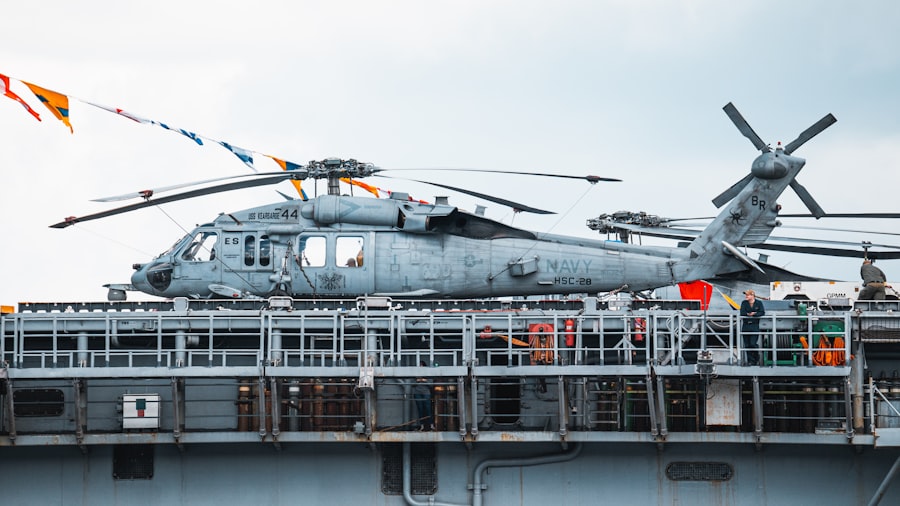
In today’s rapidly evolving technological landscape, leveraging advanced tools can significantly enhance naval crisis management efforts. Technologies such as drones, satellite imagery, and real-time data analytics provide valuable insights that can inform decision-making during emergencies. For instance, drones can be deployed to assess damage or gather intelligence in inaccessible areas, while satellite imagery can offer critical situational awareness during natural disasters or conflict scenarios.
Moreover, integrating technology into training exercises can prepare personnel for utilizing these tools effectively during actual crises. Simulated environments that incorporate technological elements allow team members to practice using advanced systems in conjunction with traditional response strategies. By embracing technology as an integral part of crisis management practices, naval forces can improve their operational efficiency and responsiveness in dynamic situations.
Coordinating with External Agencies and Allies
Crisis situations often extend beyond the capabilities of individual naval forces; therefore, coordination with external agencies and allies is crucial for effective response efforts. Establishing partnerships with local authorities, humanitarian organizations, and international allies can enhance resource availability and facilitate comprehensive support during crises. These collaborations enable naval forces to tap into additional expertise and resources that may be necessary for addressing complex emergencies.
Furthermore, joint exercises with allied forces can strengthen interoperability and foster mutual understanding among partners. By practicing coordinated responses to simulated crises together, naval forces can identify potential challenges in collaboration while building trust among team members from different organizations. This proactive approach to coordination not only enhances immediate response capabilities but also lays the groundwork for future collaborations in times of need.
Assessing and Managing Risks
Risk assessment is a fundamental aspect of effective naval crisis management. Identifying potential threats and vulnerabilities allows naval forces to prioritize resources and develop targeted response strategies.
Once risks have been identified, implementing risk management strategies becomes essential for mitigating potential impacts on operations. This may involve developing contingency plans for high-risk scenarios or investing in additional training for personnel in vulnerable areas. By proactively assessing and managing risks, naval forces can enhance their resilience against unforeseen challenges while ensuring that they are prepared to respond effectively when crises arise.
Implementing Decision-Making Processes
Effective decision-making processes are critical during crises when rapid responses are necessary. Establishing clear guidelines for decision-making helps streamline actions taken by the crisis management team while ensuring that all relevant factors are considered. This may involve creating frameworks that outline how decisions will be made based on available information or establishing criteria for prioritizing actions during emergencies.
Additionally, fostering a culture of collaboration within the crisis management team encourages input from all members when making decisions. Diverse perspectives can lead to more informed choices while promoting buy-in from team members who will be executing those decisions on the ground. By implementing structured decision-making processes that prioritize collaboration and clarity, naval forces can enhance their ability to respond effectively to crises while minimizing delays or miscommunication.
Evaluating and Learning from Crisis Response
Post-crisis evaluation is an essential step in refining naval crisis management practices. After an emergency has been addressed, conducting thorough assessments allows teams to identify what worked well and what could be improved in future responses. This evaluation process should involve gathering feedback from all team members involved in the crisis response as well as analyzing data related to outcomes achieved.
Learning from past experiences fosters a culture of continuous improvement within naval forces. By documenting lessons learned and integrating them into training programs or crisis management plans, teams can enhance their preparedness for future challenges.
Ultimately, embracing a mindset of evaluation and learning strengthens overall resilience against future crises.
Ensuring Continual Improvement in Crisis Management Practices
The dynamic nature of maritime operations necessitates ongoing efforts toward continual improvement in crisis management practices. Naval forces must remain vigilant in adapting their strategies to reflect changes in technology, operational environments, and emerging threats. Regularly reviewing policies and procedures ensures that they remain relevant while incorporating best practices from both internal evaluations and external sources.
Engaging personnel at all levels in discussions about potential improvements fosters a culture of innovation within naval forces. Encouraging feedback from those directly involved in crisis response allows for valuable insights that may not be captured through formal evaluations alone. By prioritizing continual improvement as an integral aspect of naval crisis management practices, forces can enhance their overall effectiveness while ensuring they are prepared to meet future challenges head-on.
In conclusion, effective naval crisis management encompasses a multifaceted approach that includes establishing dedicated teams, developing comprehensive plans, conducting regular training exercises, fostering communication protocols, leveraging technology, coordinating with external partners, assessing risks, implementing decision-making processes, evaluating responses, and ensuring continual improvement practices are in place. By prioritizing these elements within their operational frameworks, naval forces can enhance their readiness to respond effectively to crises while safeguarding personnel and assets at sea.
In the context of naval crisis management procedures, understanding the complexities of maritime operations is crucial. A related article that delves into these topics can be found on In The War Room, which provides insights into strategic decision-making during naval crises. For more information, you can read the article [here](https://www.inthewarroom.com/).
WATCH THIS! 🎬 THE HIDDEN SUBMARINE WAR: How One Man Stopped Mutiny and Nuclear Armageddon
FAQs
What is naval crisis management?
Naval crisis management refers to the strategies, procedures, and actions taken by naval forces to prevent, respond to, and resolve emergencies or conflicts at sea. It involves coordination among military units, government agencies, and sometimes international partners to maintain security and stability.
Why are crisis management procedures important in naval operations?
Crisis management procedures are essential to ensure rapid and effective responses to threats such as piracy, territorial disputes, natural disasters, or accidents at sea. They help minimize damage, protect lives, and maintain maritime security and freedom of navigation.
What are the key components of naval crisis management procedures?
Key components typically include early warning systems, communication protocols, command and control structures, rules of engagement, coordination with other agencies, and post-crisis evaluation and recovery plans.
How do naval forces coordinate during a crisis?
Naval forces coordinate through established communication channels, joint command centers, and standardized procedures. Coordination may involve sharing intelligence, deploying assets strategically, and collaborating with allied navies and civilian authorities.
What role does international law play in naval crisis management?
International law, including the United Nations Convention on the Law of the Sea (UNCLOS), provides a legal framework for naval operations, defining rights and responsibilities in maritime zones. Compliance with these laws is crucial during crisis management to avoid escalation and maintain legitimacy.
How are naval personnel trained for crisis management?
Naval personnel undergo specialized training that includes simulations, drills, and exercises designed to prepare them for various crisis scenarios. Training emphasizes decision-making, communication, and adherence to protocols under pressure.
Can naval crisis management procedures be applied to non-military maritime emergencies?
Yes, many procedures are adaptable to non-military emergencies such as search and rescue operations, environmental disasters, and humanitarian assistance, where naval forces often play a critical support role.
What technologies support naval crisis management?
Technologies such as satellite surveillance, radar systems, secure communication networks, and real-time data analytics enhance situational awareness and decision-making during naval crises.
How do naval crisis management procedures evolve over time?
Procedures evolve based on lessons learned from past incidents, technological advancements, changes in geopolitical dynamics, and updates in international maritime law to improve effectiveness and adaptability.
Who is responsible for implementing naval crisis management procedures?
Implementation is typically the responsibility of naval commanders and their staff, supported by government defense agencies and, when applicable, international coalitions or alliances.