The Soviet Foxtrot submarine B-59 stands as a significant artifact of Cold War naval history, embodying the technological advancements and geopolitical tensions of its time. Launched in 1958, this diesel-electric submarine was part of a class designed to enhance the Soviet Union’s underwater capabilities during a period marked by intense rivalry with the United States. The B-59, like its counterparts, was engineered for stealth and endurance, allowing it to operate in hostile waters while remaining undetected.
Its design and operational history reflect the broader narrative of military innovation and strategic posturing that characterized the Cold War era. The B-59 is not merely a vessel of war; it is a symbol of the complex interplay between military might and diplomacy. As tensions escalated during the 1960s, particularly during the Cuban Missile Crisis, the submarine became a focal point in the narrative of nuclear deterrence.
The story of the B-59 is one of technological prowess, human courage, and the ever-present specter of conflict that loomed over the world during this tumultuous period. Understanding its history provides insight into the broader implications of submarine warfare and the delicate balance of power that defined international relations in the 20th century.
Key Takeaways
- The Soviet Foxtrot Submarine B-59 played a critical role during the Cuban Missile Crisis, nearly triggering a nuclear conflict.
- Designed with advanced features for its time, B-59 was a diesel-electric submarine used extensively during the Cold War.
- Life aboard B-59 was challenging, with cramped conditions and high tension during missions.
- After decommissioning, B-59 was preserved as a museum ship, allowing the public to explore Cold War naval history.
- B-59 remains a significant cultural and historical symbol, featured in various media and preservation efforts.
History of the Soviet Foxtrot Submarine B-59
The history of the Soviet Foxtrot submarine B-59 is intertwined with the evolution of naval warfare and the strategic imperatives of the Soviet Union during the Cold War. Commissioned in 1959, B-59 was part of a larger class of submarines known as Project 641, which were designed to counter Western naval forces. These submarines were equipped with advanced sonar systems and torpedoes, making them formidable opponents in underwater combat.
The B-59 was not only a product of its time but also a reflection of the Soviet Union’s commitment to expanding its naval capabilities in response to perceived threats from NATO forces. Throughout its operational life, B-59 participated in various missions that underscored its importance within the Soviet Navy. It was deployed in numerous exercises and patrols, showcasing its ability to operate effectively in diverse maritime environments.
However, it was during the Cuban Missile Crisis in 1962 that B-59 would find itself at the center of one of the most critical moments in Cold War history. The submarine’s involvement in this crisis highlighted not only its strategic significance but also the precarious nature of global politics during this era.
Design and Features of the Soviet Foxtrot Submarine B-59
The design of the Soviet Foxtrot submarine B-59 reflects a blend of functionality and innovation characteristic of Soviet engineering during the Cold War. Measuring approximately 90 meters in length, B-59 was designed to be both agile and stealthy, allowing it to navigate through various underwater terrains with relative ease. Its hull was constructed using high-strength steel, which provided durability while minimizing noise—a crucial factor for remaining undetected by enemy sonar systems.
Equipped with six torpedo tubes, B-59 could carry a variety of armaments, including torpedoes and mines, enhancing its offensive capabilities. The submarine’s diesel-electric propulsion system allowed for extended underwater endurance, although it required surfacing periodically to recharge its batteries. This design choice reflected a balance between operational range and technological limitations of the time.
Additionally, B-59 featured advanced sonar systems for detecting enemy vessels, making it a formidable adversary in naval engagements.
Life on board the Soviet Foxtrot Submarine B-59
Life aboard the Soviet Foxtrot submarine B-59 was characterized by both camaraderie and challenges unique to submarine service. Crews typically consisted of around 70 personnel, including officers and enlisted sailors who lived in close quarters for extended periods. The confined space meant that personal privacy was limited, fostering a strong sense of teamwork and reliance on one another.
Daily routines were structured around watch schedules, maintenance duties, and training exercises, creating a disciplined environment essential for operational readiness. The psychological strain of life underwater was significant.
Nevertheless, they developed coping mechanisms to manage stress, often bonding over shared experiences and engaging in recreational activities during downtime. The camaraderie formed among crew members was vital for maintaining morale during long deployments, as they navigated both the physical challenges of their environment and the emotional toll of their duties.
The Cuban Missile Crisis and the Soviet Foxtrot Submarine B-59
| Metric | Details |
|---|---|
| Class | Foxtrot-class submarine |
| Hull Number | B-59 |
| Type | Diesel-electric attack submarine |
| Displacement | 1,950 tons surfaced, 2,475 tons submerged |
| Length | 91.3 meters (299.5 feet) |
| Beam | 7.5 meters (24.6 feet) |
| Draft | 5.1 meters (16.7 feet) |
| Propulsion | 3 diesel engines, 3 electric motors, 2 shafts |
| Speed | 16 knots surfaced, 15 knots submerged |
| Test Depth | 250 meters (820 feet) |
| Armament | 6 x 533 mm torpedo tubes, 22 torpedoes |
| Crew | 75 officers and enlisted men |
| Notable Incident | Cuban Missile Crisis confrontation in October 1962 |
The Cuban Missile Crisis marked a pivotal moment in history, and the Soviet Foxtrot submarine B-59 played a crucial role during this tense standoff between superpowers. In October 1962, as U.S. reconnaissance flights revealed Soviet missile installations in Cuba, tensions escalated rapidly.
The U.S. Navy initiated a blockade to prevent further shipments to Cuba, leading to heightened military readiness on both sides. Amidst this backdrop, B-59 found itself patrolling near Cuba, tasked with gathering intelligence and demonstrating Soviet resolve.
As U.S. forces conducted anti-submarine warfare operations to locate Soviet submarines in the area, B-59 faced increasing pressure. On October 27, 1962, after days of being submerged and cut off from communication with Moscow, tensions reached a boiling point when U.S.
destroyers began dropping depth charges near B-59’s location. The captain, Valentin Savitsky, faced a critical decision: to surface and risk confrontation or to retaliate with nuclear torpedoes. Ultimately, Savitsky chose restraint, opting to surface instead—a decision that would have profound implications for both his crew and global politics.
The Role of the Soviet Foxtrot Submarine B-59 in the Cold War
The role of the Soviet Foxtrot submarine B-59 during the Cold War extended beyond its immediate military capabilities; it served as a symbol of deterrence and power projection for the Soviet Union. As tensions between East and West escalated throughout the 1960s and beyond, submarines like B-59 became integral components of naval strategy. They were not only tools for warfare but also instruments for demonstrating national strength and resolve.
B-59’s presence in strategic waters underscored the importance of submarine warfare in maintaining a balance of power. The ability to launch surprise attacks or gather intelligence from enemy territories made submarines essential assets in Cold War military doctrine. Furthermore, incidents involving submarines often served as flashpoints for diplomatic negotiations, highlighting their dual role as instruments of war and peacekeeping.
Decommissioning and Legacy of the Soviet Foxtrot Submarine B-59
The decommissioning of the Soviet Foxtrot submarine B-59 marked the end of an era for this storied vessel. After years of service that included significant historical moments, B-59 was officially retired from active duty in 1991 as part of broader reductions in military forces following the dissolution of the Soviet Union. Its retirement reflected not only changes in military strategy but also advancements in submarine technology that rendered older models less effective.
Despite its decommissioning, B-59’s legacy endures as a testament to Cold War naval history. It serves as a reminder of the complexities surrounding nuclear deterrence and international relations during a time when global tensions were at their peak. The stories of those who served aboard B-59 continue to resonate, illustrating both the human experience within military service and the broader implications of technological advancements in warfare.
Touring the Soviet Foxtrot Submarine B-59
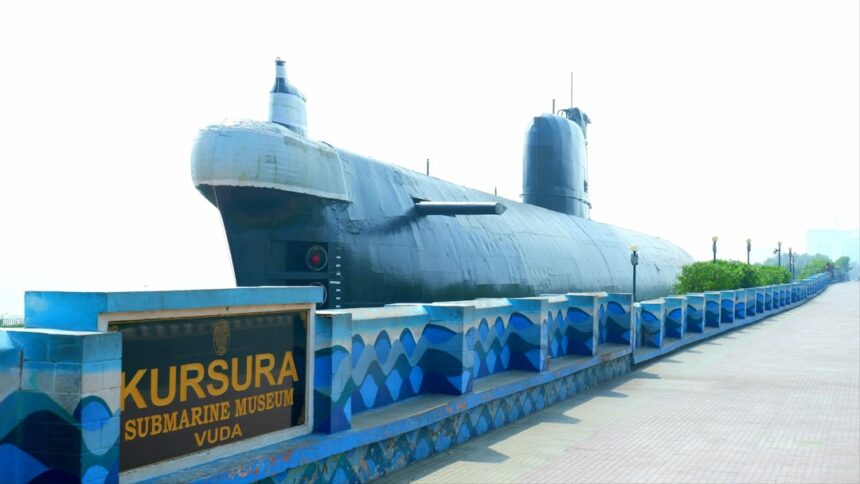
Today, visitors have the opportunity to tour the Soviet Foxtrot submarine B-59, which has been preserved as a museum exhibit in various locations around the world. These tours provide an immersive experience that allows individuals to step inside this historic vessel and gain insight into life aboard a Cold War submarine. Guided tours often include detailed explanations about its design features, operational history, and significant events such as its involvement in the Cuban Missile Crisis.
Exploring B-59 offers a unique perspective on naval history and technology. Visitors can see firsthand how crew members lived and worked within confined spaces while learning about the challenges they faced during their service.
The Soviet Foxtrot Submarine B-59 in Popular Culture
The Soviet Foxtrot submarine B-59 has made appearances in various forms of popular culture, reflecting its significance as an emblematic figure within Cold War narratives. Documentaries exploring submarine warfare often feature B-59 due to its historical importance during critical events like the Cuban Missile Crisis. Additionally, fictional portrayals in films and literature have drawn inspiration from real-life incidents involving submarines like B-59, highlighting themes of tension, bravery, and moral dilemmas faced by military personnel.
These cultural representations serve to keep alive the memory of B-59 while also sparking interest in naval history among broader audiences. By weaving together fact and fiction, popular culture contributes to an ongoing dialogue about military strategy, human resilience, and ethical considerations surrounding warfare—issues that remain relevant even today.
Preservation Efforts for the Soviet Foxtrot Submarine B-59
Preservation efforts for the Soviet Foxtrot submarine B-59 have been undertaken by various organizations dedicated to maintaining historical artifacts from military history. These initiatives aim to protect not only the physical structure of B-59 but also its historical significance as a representation of Cold War naval power dynamics. Restoration projects often involve careful maintenance to ensure that visitors can safely explore this iconic vessel while learning about its storied past.
In addition to physical preservation, educational programs associated with B-59 aim to engage communities and foster understanding about naval history among younger generations. By providing resources for schools and hosting events related to maritime heritage, these efforts contribute to a broader appreciation for historical artifacts like B-59—ensuring that future generations recognize their importance within global history.
Remembering the Soviet Foxtrot Submarine B-59
In conclusion, remembering the Soviet Foxtrot submarine B-59 is essential for understanding not only naval history but also the broader context of international relations during the Cold War era. This remarkable vessel encapsulates stories of bravery, technological innovation, and geopolitical tension that defined an age marked by uncertainty and conflict. As both a military asset and a symbol of deterrence, B-59 played a pivotal role in shaping naval strategies that continue to influence modern warfare.
The legacy of B-59 serves as a reminder of humanity’s capacity for both conflict and cooperation amidst adversity. Through preservation efforts and cultural representations, future generations can learn from this chapter in history—recognizing not only the complexities surrounding military service but also the importance of diplomacy in navigating an increasingly interconnected world. As we reflect on vessels like B-59, we honor those who served aboard while acknowledging their contributions to shaping our understanding of global dynamics during one of history’s most critical periods.
The Soviet Foxtrot class submarine B-59 is a notable vessel from the Cold War era, particularly for its involvement in a tense standoff during the Cuban Missile Crisis. For a deeper understanding of the historical context and implications of such submarines, you can read more in this related article on the topic. Check it out here: Soviet Submarines and Their Impact on Naval Warfare.
WATCH THIS! 🎬 THE HIDDEN SUBMARINE WAR: How One Man Stopped Mutiny and Nuclear Armageddon
FAQs
What is the Soviet Foxtrot class submarine B-59?
The B-59 was a Soviet Navy Foxtrot class diesel-electric submarine, known for its role during the Cuban Missile Crisis in 1962. It was one of the submarines deployed near Cuba during this tense period of the Cold War.
When was the B-59 submarine built?
The B-59 submarine was built in the late 1950s as part of the Soviet Union’s Foxtrot class submarine program, which produced diesel-electric submarines for naval operations.
What type of propulsion did the B-59 use?
The B-59 was powered by diesel-electric engines, which allowed it to operate underwater using battery power and on the surface using diesel engines to recharge the batteries.
What was the significance of the B-59 during the Cuban Missile Crisis?
During the Cuban Missile Crisis, the B-59 was part of a Soviet submarine flotilla near Cuba. It was involved in a critical incident where U.S. forces attempted to force it to surface by dropping signaling depth charges, nearly leading to the use of nuclear torpedoes by the submarine’s captain.
Did the B-59 carry nuclear weapons?
Yes, the B-59 was reportedly armed with a nuclear torpedo, which was intended as a last-resort weapon during combat situations.
Who was the commander of the B-59 during the Cuban Missile Crisis?
The commander of the B-59 during the Cuban Missile Crisis was Captain Valentin Savitsky.
What nearly happened aboard the B-59 that could have escalated the Cuban Missile Crisis?
The B-59’s captain considered launching a nuclear torpedo in response to U.S. depth charges, which could have escalated the crisis into a nuclear war. The launch was prevented when the submarine’s political officer, Vasily Arkhipov, refused to consent to the launch.
What is the Foxtrot class submarine?
The Foxtrot class is a series of diesel-electric submarines built by the Soviet Union during the 1950s and 1960s. They were designed for anti-ship and anti-submarine warfare and were widely exported to Soviet allies.
What happened to the B-59 after the Cuban Missile Crisis?
After the Cuban Missile Crisis, the B-59 returned to the Soviet Union. Like many Foxtrot class submarines, it was eventually decommissioned as newer submarine classes were introduced.
Are there any surviving Foxtrot class submarines on display?
Yes, some Foxtrot class submarines have been preserved as museum ships in various countries, allowing the public to learn about Cold War naval history.