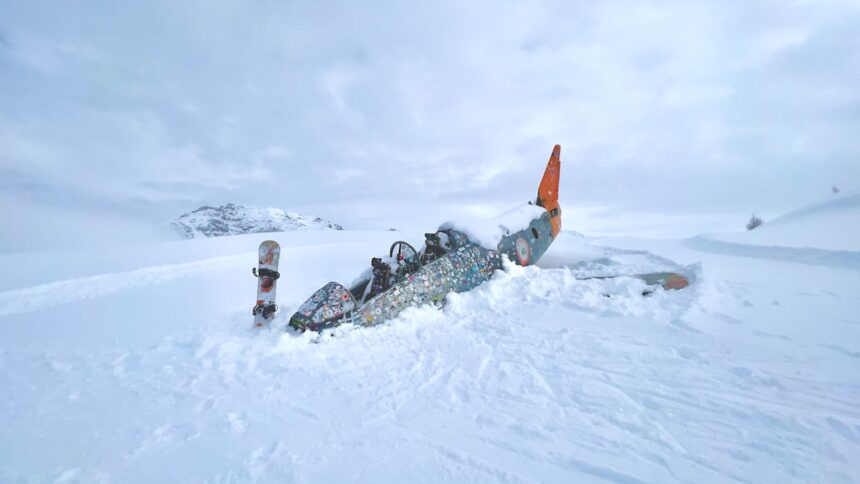
Arctic runway operations represent a unique and complex facet of aviation that demands specialized knowledge and skills. The Arctic region, characterized by its extreme weather conditions and remote locations, poses significant challenges for pilots, ground crews, and air traffic controllers alike. As global interest in the Arctic increases due to resource exploration and tourism, understanding the intricacies of operating in this frigid environment becomes paramount.
The successful management of runway operations in the Arctic not only ensures the safety of aircraft and passengers but also supports the growing demand for air travel in these remote areas. The significance of Arctic runway operations extends beyond mere logistics; it encompasses a blend of environmental awareness, technological adaptation, and human resilience. As climate change continues to alter the landscape of the Arctic, aviation professionals must remain vigilant and adaptable.
This article delves into the multifaceted challenges faced during Arctic runway operations, exploring the necessary preparations, techniques, and innovations that are shaping the future of aviation in one of the world’s most inhospitable regions.
Key Takeaways
- Arctic runway operations require specialized equipment and training to handle extreme winter conditions.
- Snow, ice, and low visibility demand advanced techniques for safe aircraft landing and takeoff.
- Cold weather maintenance is critical for both aircraft functionality and runway safety.
- Communication barriers and wildlife hazards pose unique challenges in Arctic aviation environments.
- Ongoing innovations and lessons from past operations are shaping the future of winter aviation in the Arctic.
Understanding the Unique Winter Challenges in the Arctic
The Arctic winter presents a myriad of challenges that are distinct from those encountered in more temperate climates. One of the most pressing issues is the extreme cold, which can plunge temperatures well below freezing. This not only affects the physical properties of runway surfaces but also impacts aircraft performance.
Ice formation on runways can lead to hazardous conditions, making takeoffs and landings perilous. Additionally, the cold can cause mechanical failures in aircraft systems, necessitating rigorous pre-flight checks and maintenance protocols. Another significant challenge is the prevalence of snowstorms and blizzards, which can reduce visibility to near-zero levels.
These weather phenomena can develop rapidly, leaving little time for pilots and ground crews to react. The accumulation of snow on runways requires constant monitoring and timely removal to ensure safe operations. Furthermore, the remote nature of many Arctic airstrips complicates logistics, as access to heavy snow removal equipment and trained personnel may be limited.
Understanding these unique winter challenges is crucial for anyone involved in Arctic aviation.
Preparing for Arctic Runway Operations: Equipment and Training
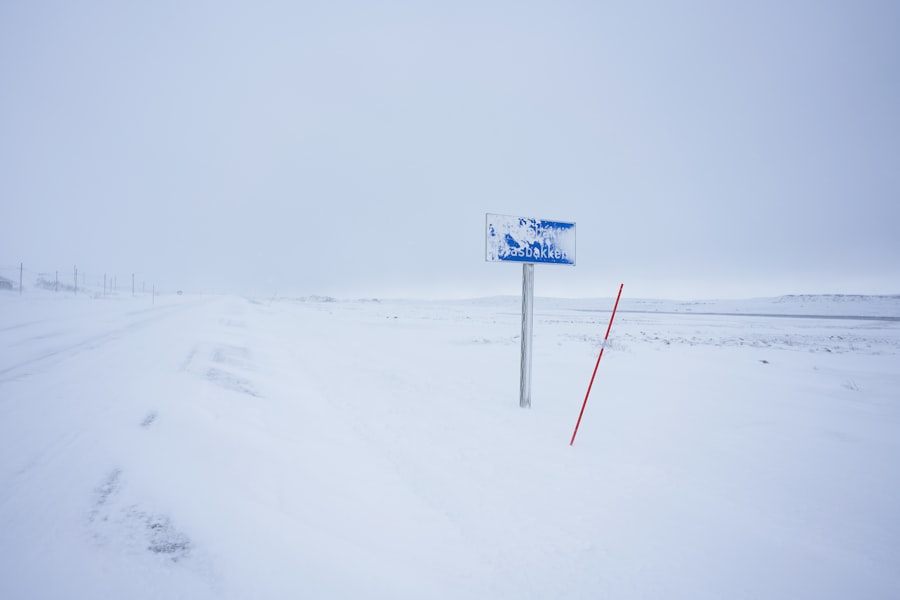
Preparation for Arctic runway operations begins with equipping personnel with the right tools and training. Specialized snow removal equipment is essential for maintaining runway safety during winter months. This includes snowplows, blowers, and de-icing vehicles designed to operate effectively in extreme cold.
Ground crews must be trained not only in the operation of this equipment but also in understanding how to assess runway conditions accurately. Regular drills and simulations can help ensure that teams are ready to respond swiftly to changing weather conditions. Training programs must also emphasize the importance of situational awareness and decision-making under pressure.
Pilots and ground personnel need to be well-versed in the specific challenges posed by Arctic conditions, including how to interpret weather reports and make informed choices about flight operations.
By investing in both equipment and training, aviation stakeholders can significantly improve safety and efficiency in Arctic runway operations.
Navigating Snow and Ice: Techniques for Safe Landing and Takeoff
Successfully navigating snow and ice during takeoff and landing requires a combination of skill, experience, and adherence to best practices. Pilots must be adept at recognizing how different types of snow—such as powdery snow versus wet snow—affect aircraft performance. For instance, powdery snow may provide less friction than wet snow, impacting braking distances during landing.
Understanding these nuances allows pilots to adjust their approach accordingly. Moreover, techniques such as using reduced thrust during takeoff can help mitigate risks associated with icy runways. Pilots are trained to perform thorough pre-flight checks that include assessing runway conditions and adjusting their flight plans as necessary.
Additionally, utilizing advanced avionics systems can aid pilots in making informed decisions about approach angles and landing speeds. By mastering these techniques, pilots can enhance safety during operations in challenging winter conditions.
Dealing with Low Visibility: Strategies for Instrument Approaches
| Metric | Value | Unit | Notes |
|---|---|---|---|
| Average Temperature | -25 | °C | Typical winter temperature range |
| Runway Surface Type | Ice and Packed Snow | – | Requires regular maintenance |
| Runway Length | 2,500 | meters | Suitable for medium-sized aircraft |
| Daily Snowfall | 5 | cm | Average accumulation requiring clearing |
| Visibility | 500 | meters | Minimum operational visibility in fog/snow |
| Runway Friction Coefficient | 0.25 | unitless | Indicates slippery conditions |
| De-icing Frequency | 3 | times per day | To maintain safe operations |
| Aircraft Turnaround Time | 90 | minutes | Includes de-icing and refueling |
| Wind Speed Limit for Operations | 40 | km/h | Maximum safe wind speed for takeoff/landing |
| Runway Lighting | LED with Heated Fixtures | – | Prevents ice buildup on lights |
Low visibility is a common occurrence in Arctic aviation, often resulting from heavy snowfall or fog. In such conditions, pilots must rely heavily on instrument approaches to ensure safe landings. The use of advanced navigation systems, such as GPS and instrument landing systems (ILS), becomes critical in these scenarios.
These technologies provide precise guidance for pilots navigating through poor visibility, allowing them to maintain situational awareness even when visual references are obscured. Training for instrument approaches under low visibility conditions is essential for pilots operating in the Arctic. Simulation exercises can help familiarize them with various scenarios they may encounter, including sudden changes in weather or unexpected obstacles on approach paths.
Additionally, maintaining open lines of communication with air traffic control is vital; controllers can provide real-time updates on weather conditions and assist pilots in making informed decisions about their approach strategies.
Managing Cold Weather: Maintaining Aircraft and Runway Safety
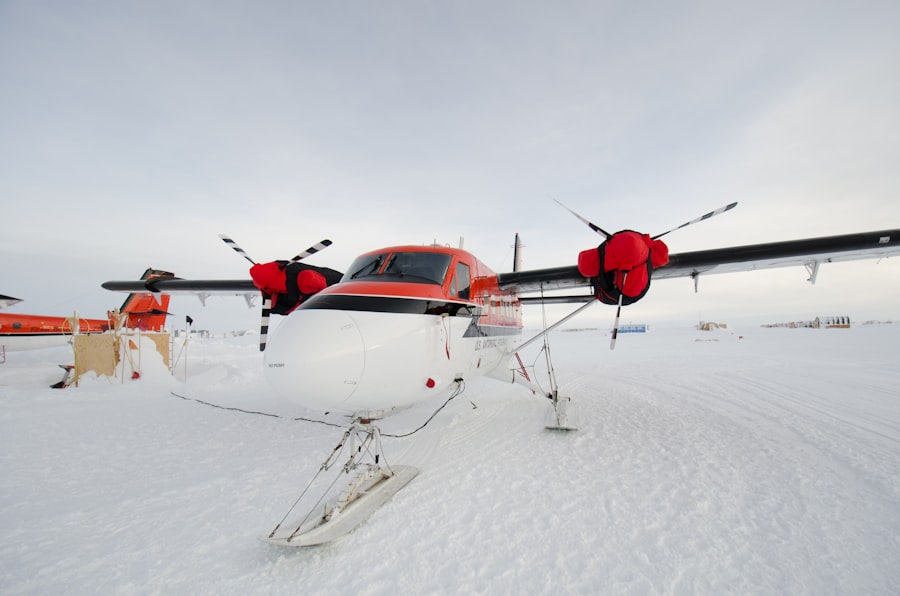
Cold weather poses unique challenges for aircraft maintenance and runway safety that require proactive management strategies. Aircraft systems are particularly susceptible to freezing temperatures, which can lead to issues such as fuel gelling or battery failure. Regular maintenance checks must be conducted to ensure that all systems are functioning optimally before flights take off.
This includes pre-heating engines and ensuring that de-icing fluids are readily available. Runway safety also demands constant vigilance during cold weather operations. Ground crews must monitor runway conditions closely for ice formation or snow accumulation that could compromise safety.
Implementing a robust de-icing protocol is essential; this involves not only removing snow but also applying anti-icing agents to prevent ice from forming on surfaces. By prioritizing both aircraft maintenance and runway safety measures, aviation professionals can significantly reduce risks associated with cold weather operations.
Communication Challenges in the Arctic: Overcoming Language and Technology Barriers
Effective communication is crucial in any aviation operation, but it becomes even more critical in the Arctic due to language barriers and technological limitations. Many remote airstrips may have personnel who speak different languages or dialects, complicating coordination efforts between pilots and ground crews. To address this challenge, aviation organizations often implement standardized communication protocols that prioritize clarity and simplicity.
Additionally, technology plays a significant role in facilitating communication in remote areas where traditional methods may falter. Satellite communications can provide reliable connectivity even in the most isolated locations, allowing pilots to stay in touch with air traffic control and ground personnel. Training programs should emphasize the importance of clear communication under pressure, ensuring that all team members understand their roles and responsibilities during operations.
Wildlife Hazards: Mitigating the Risks of Arctic Wildlife on the Runway
Wildlife hazards present a unique challenge for Arctic runway operations, as various species inhabit these remote regions. Birds, particularly migratory species, can pose significant risks during takeoff and landing phases when they are most active. To mitigate these risks, airports often implement wildlife management programs that include habitat modification strategies aimed at reducing wildlife presence near runways.
Additionally, regular monitoring of wildlife activity around airstrips is essential for maintaining safety. Ground crews may employ techniques such as noise deterrents or visual scare tactics to keep animals away from critical areas. Collaboration with local wildlife experts can also provide valuable insights into seasonal patterns of animal movement, allowing airports to anticipate potential hazards more effectively.
Emergency Response in the Arctic: Preparedness for Cold Weather Incidents
Emergency response planning is a critical component of Arctic runway operations due to the unpredictable nature of winter weather conditions. Aviation organizations must develop comprehensive emergency response plans that account for various scenarios, including aircraft incidents or medical emergencies involving passengers or crew members stranded in remote locations. Training exercises should simulate potential emergencies under cold weather conditions to ensure that all personnel are familiar with protocols and procedures.
This includes coordinating with local emergency services and understanding how to navigate challenging terrain during rescue operations. By prioritizing preparedness for cold weather incidents, aviation professionals can enhance their ability to respond effectively when emergencies arise.
Case Studies: Lessons Learned from Arctic Runway Operations
Examining case studies from past Arctic runway operations provides valuable insights into best practices and lessons learned from real-world experiences.
These case studies often reveal common pitfalls that can be avoided through proper training and preparation.
Furthermore, successful responses to emergencies—such as timely evacuations during severe weather events—demonstrate the effectiveness of well-coordinated emergency response plans. Analyzing these cases allows aviation professionals to refine their strategies continually, ensuring that they remain adaptable to evolving challenges in Arctic environments.
The Future of Arctic Runway Operations: Innovations and Advancements in Winter Aviation
As interest in Arctic regions continues to grow, so too does the need for advancements in winter aviation technology and practices. Innovations such as improved de-icing systems, enhanced navigation tools, and advanced weather forecasting models are paving the way for safer operations in these challenging environments. Research into sustainable aviation fuels also holds promise for reducing environmental impacts while maintaining operational efficiency.
Moreover, collaboration among international aviation organizations can foster knowledge sharing and best practices across borders. By embracing innovation and prioritizing safety measures tailored specifically for Arctic conditions, stakeholders can ensure that future runway operations meet the demands of an evolving aviation landscape while safeguarding both personnel and passengers alike. In conclusion, Arctic runway operations encompass a complex interplay of challenges that require specialized knowledge, equipment, and training.
As climate change continues to reshape the region’s landscape, understanding these intricacies will be vital for ensuring safe and efficient air travel in one of the world’s most extreme environments. Through ongoing innovation and collaboration among aviation professionals, the future of Arctic runway operations looks promising as they adapt to meet emerging demands while prioritizing safety above all else.
Arctic runway operations during winter present unique challenges that require specialized strategies and equipment to ensure safety and efficiency. For a deeper understanding of these operations, you can refer to a related article that discusses the intricacies of conducting air missions in extreme cold environments. To learn more, visit this article for insights and expert analysis on the subject.
WATCH THIS! 🎬 America’s Nuclear City Was a Lie: The Russian Base That Made Iceworm Obsolete
FAQs
What are the main challenges of operating runways in the Arctic during winter?
Operating runways in the Arctic during winter involves challenges such as extreme cold temperatures, heavy snowfall, ice accumulation, limited daylight, and strong winds. These conditions can affect runway surface integrity, aircraft performance, and safety protocols.
How is snow and ice managed on Arctic runways in winter?
Snow and ice are managed through regular plowing, brushing, and the use of specialized de-icing chemicals or heated systems. Continuous monitoring and maintenance are essential to keep the runway surface clear and safe for aircraft operations.
What materials are used to construct runways suitable for Arctic winter conditions?
Runways in the Arctic are often constructed using materials that can withstand freeze-thaw cycles, such as reinforced concrete or asphalt with special additives. In some cases, compacted gravel or ice runways are used, depending on the location and operational requirements.
How do low temperatures affect aircraft operations on Arctic runways?
Low temperatures can impact aircraft systems, including fuel viscosity, battery performance, and hydraulic fluids. Cold weather also requires additional pre-flight checks, engine warm-up procedures, and sometimes the use of cold-weather-specific equipment to ensure safe operations.
Are there special safety protocols for winter runway operations in the Arctic?
Yes, safety protocols include enhanced runway inspections, use of cold-weather gear for personnel, strict communication procedures, and contingency plans for sudden weather changes. Pilots and ground crews receive specialized training to handle Arctic winter conditions.
How does limited daylight in Arctic winter affect runway operations?
Limited daylight requires the use of advanced runway lighting systems and navigation aids to ensure visibility and safe aircraft movements. Operations may also be scheduled to maximize available light, and night-vision equipment may be employed.
What types of aircraft are typically used for Arctic runway operations in winter?
Aircraft designed or modified for cold weather operations, such as those with reinforced landing gear, cold-weather avionics, and de-icing capabilities, are commonly used. Examples include certain models of turboprops, cargo planes, and specialized military or research aircraft.
How is runway friction measured and maintained during Arctic winter?
Runway friction is measured using specialized devices like friction testers to assess surface grip. Maintenance includes timely snow and ice removal, application of abrasives or chemicals, and surface repairs to maintain adequate friction levels for safe aircraft landing and takeoff.
What role does weather forecasting play in Arctic winter runway operations?
Accurate weather forecasting is critical for planning and executing safe runway operations. It helps predict snowfall, wind conditions, temperature fluctuations, and visibility, allowing ground crews and pilots to prepare and respond effectively.
Can Arctic runways operate year-round despite harsh winter conditions?
Many Arctic runways are designed and maintained to operate year-round, but winter conditions require increased maintenance and operational adjustments. Some remote or seasonal runways may have limited accessibility during the harshest winter periods.