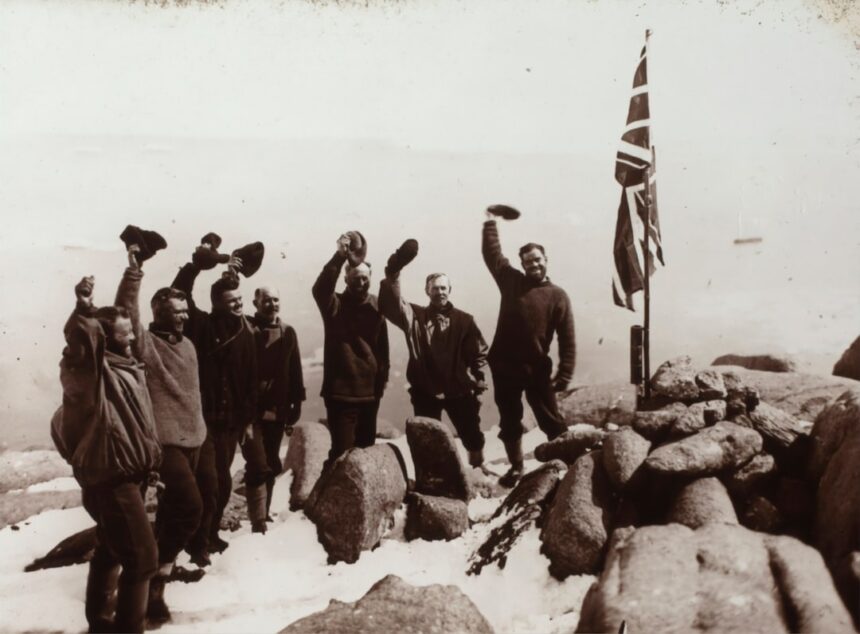
During the Cold War, the Arctic emerged as a critical theater of geopolitical tension between the United States and the Soviet Union. Its strategic significance was underscored by its geographical positioning, which provided both superpowers with a vantage point for monitoring each other’s military activities. The Arctic served as a potential launch pad for nuclear missiles, and its vast, icy expanses were seen as a crucial area for surveillance and reconnaissance.
The region’s proximity to North America made it an essential component of the U.S. defense strategy, while the Soviet Union viewed it as a vital area for projecting power and influence. The Arctic’s importance was not limited to military considerations; it also encompassed economic and scientific dimensions.
The region was rich in natural resources, including oil and gas reserves, which became increasingly valuable as global energy demands grew. Additionally, the Arctic was a site for scientific research, particularly in the fields of climate change and environmental studies. As both superpowers sought to assert their dominance, the Arctic became a focal point for espionage, intelligence gathering, and military posturing, setting the stage for a complex interplay of competition and cooperation.
Key Takeaways
- The Arctic was a critical strategic zone during the Cold War due to its geographic proximity between superpowers.
- Military bases were established in the Arctic to monitor and control key routes and to project power.
- Arctic military operations played a significant role in the broader Cold War conflict, influencing global security dynamics.
- Harsh Arctic conditions drove innovations in warfare tactics and technology tailored to extreme environments.
- The Cold War’s Arctic military legacy continues to influence current geopolitical tensions, environmental policies, and international law.
The establishment of military bases in the Arctic region
In response to the strategic imperatives of the Cold War, both the United States and the Soviet Union established a network of military bases throughout the Arctic region. These installations were designed to enhance surveillance capabilities, facilitate rapid troop deployment, and serve as logistical hubs for operations in the harsh Arctic environment. The U.S. built bases such as Thule Air Base in Greenland and various installations in Alaska, while the Soviet Union developed a series of airfields and naval bases along its northern coast. The construction of these military bases was not merely a reaction to perceived threats; it also represented a broader commitment to maintaining a presence in the Arctic. The bases were equipped with advanced radar systems and missile defense technologies, allowing both superpowers to monitor each other’s movements closely. This militarization of the Arctic had profound implications for regional security dynamics, as it heightened tensions and contributed to an arms race that extended into the far north.
The role of Arctic military operations in the larger Cold War conflict
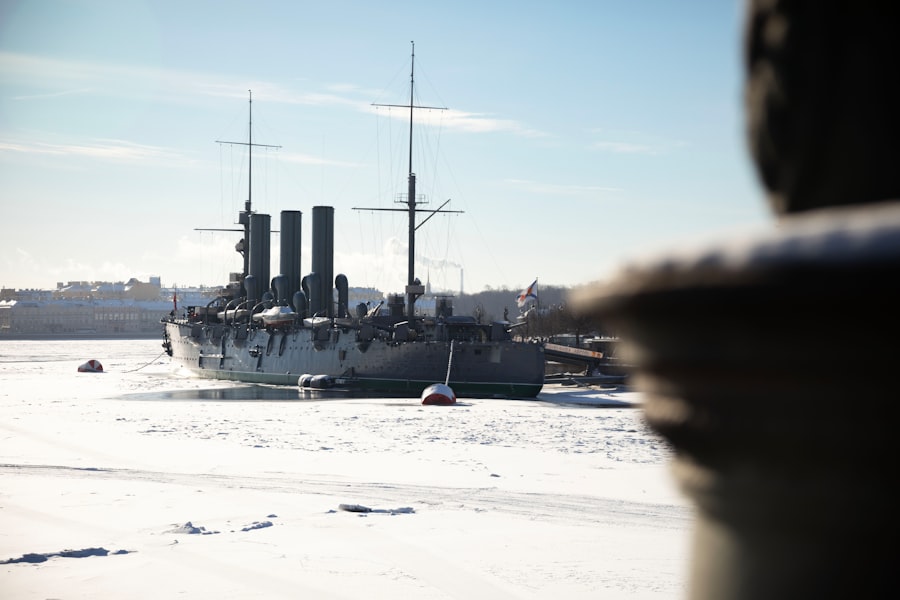
Arctic military operations played a significant role in the broader context of the Cold War conflict. The region became a battleground for intelligence operations, with both sides engaging in covert activities aimed at gathering information about each other’s capabilities and intentions. The Arctic’s harsh climate and challenging terrain posed unique challenges for military operations, but they also provided opportunities for innovation in tactics and technology.
The Cold War’s Arctic theater was characterized by a series of high-stakes maneuvers, including aerial reconnaissance missions, submarine patrols, and joint military exercises. These operations were not only aimed at demonstrating military prowess but also served as a means of signaling resolve to adversaries. The Arctic became a stage for showcasing technological advancements, such as long-range bombers and nuclear submarines, which were integral to both superpowers’ strategic arsenals.
Challenges and innovations in Arctic warfare tactics and technology
Conducting military operations in the Arctic presented numerous challenges that required innovative solutions. The extreme cold, unpredictable weather patterns, and difficult terrain necessitated specialized training and equipment for troops operating in this unforgiving environment. Both the United States and the Soviet Union invested heavily in research and development to create gear that could withstand sub-zero temperatures while ensuring operational effectiveness.
Innovations in Arctic warfare tactics included the use of icebreakers for naval operations, specialized aircraft designed for cold-weather missions, and advanced communication systems that could function in extreme conditions. Additionally, both superpowers explored new strategies for deploying forces quickly across vast distances, utilizing airlift capabilities to transport troops and supplies to remote locations. These advancements not only enhanced military readiness but also laid the groundwork for future operations in similar environments.
The impact of the Arctic environment on military operations
| Year | Event | Country | Military Activity | Significance |
|---|---|---|---|---|
| 1952 | Operation Blue Jay | USA | Construction of Thule Air Base in Greenland | Strategic airbase for Arctic surveillance and early warning |
| 1955 | Establishment of Soviet Northern Fleet | USSR | Deployment of submarines and icebreakers in Arctic waters | Enhanced Soviet naval presence in the Arctic |
| 1960 | First Soviet nuclear submarine patrol under Arctic ice | USSR | Submarine navigation beneath Arctic ice cap | Demonstrated strategic nuclear deterrence capabilities |
| 1961 | US Air Force Arctic reconnaissance missions | USA | High-altitude reconnaissance flights over Arctic region | Gathered intelligence on Soviet activities |
| 1965 | Operation Iceworm | USA | Planned deployment of nuclear missiles under Greenland ice | Attempt to establish hidden missile launch sites |
| 1970 | Deployment of SOSUS (Sound Surveillance System) | USA | Underwater acoustic detection network in Arctic waters | Improved tracking of Soviet submarines |
| 1987 | Signing of the Arctic Military Environmental Cooperation Agreement | USA, USSR | Joint efforts to reduce military environmental impact | Marked cooperation despite Cold War tensions |
The Arctic environment posed significant challenges that shaped military operations during the Cold War. The region’s extreme weather conditions often rendered traditional military strategies ineffective, forcing commanders to adapt their approaches to suit the unique circumstances. For instance, blizzards and whiteouts could disrupt visibility and navigation, complicating troop movements and supply lines.
Moreover, the Arctic’s geography influenced operational planning. The vast ice-covered expanses required specialized vehicles capable of traversing difficult terrain, while naval operations were often hindered by ice formations that could trap ships. As a result, both superpowers had to develop contingency plans that accounted for environmental factors, leading to a greater emphasis on flexibility and adaptability in military strategy.
The race for control of the Arctic’s natural resources and shipping routes
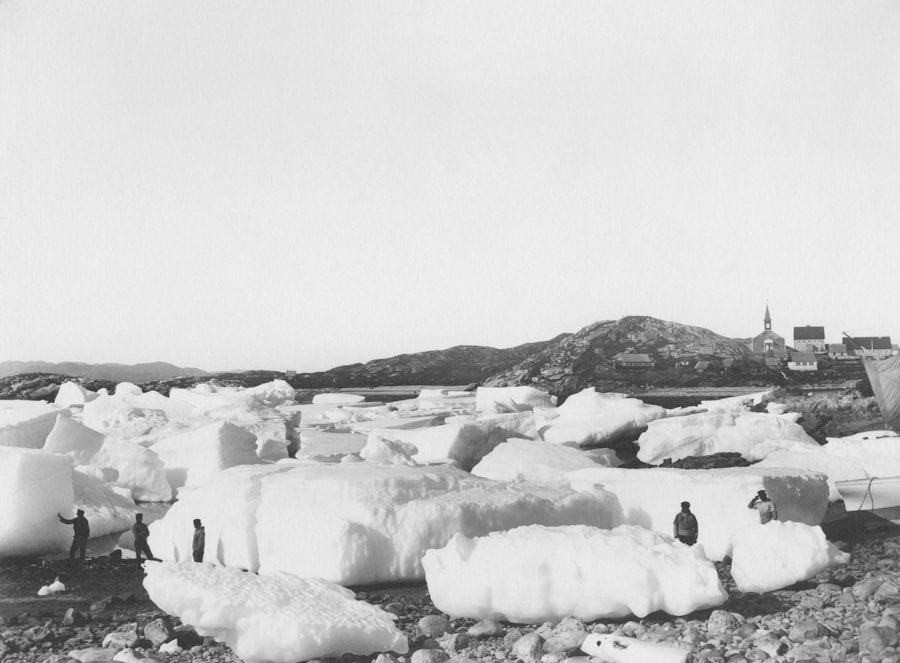
As the Cold War progressed, competition for control over the Arctic’s natural resources intensified. Both superpowers recognized the region’s potential wealth in oil, gas, and minerals, prompting efforts to assert territorial claims and secure access to these valuable assets. This race for resources was not solely driven by economic interests; it also reflected broader geopolitical ambitions as each side sought to enhance its strategic position.
The melting ice due to climate change has further complicated this dynamic by opening up new shipping routes that could significantly shorten global trade routes. The Northwest Passage and Northern Sea Route have become focal points for international shipping interests, raising questions about sovereignty and navigation rights. As nations vie for control over these emerging routes, the legacy of Cold War competition continues to shape contemporary geopolitical tensions in the Arctic.
The role of Arctic military history in shaping current geopolitical dynamics
The military history of the Arctic during the Cold War has left an indelible mark on current geopolitical dynamics. The legacy of past conflicts and rivalries continues to influence how nations approach security issues in the region today. As new players emerge on the global stage, including China and other non-Arctic states seeking to assert their interests, the historical context provides valuable insights into contemporary challenges.
Moreover, the lessons learned from Cold War military operations inform current strategies for cooperation and conflict resolution in the Arctic. Nations are increasingly recognizing the need for dialogue and collaboration to address shared concerns such as climate change, resource management, and maritime security. The historical experiences of competition and confrontation serve as reminders of the importance of diplomacy in navigating complex geopolitical landscapes.
The legacy of the Cold War’s Arctic military operations
The legacy of Cold War military operations in the Arctic is multifaceted, encompassing both technological advancements and enduring tensions between nations. The investments made during this period laid the groundwork for modern military capabilities in cold-weather environments, influencing how contemporary armed forces prepare for potential conflicts in similar conditions. However, this legacy is also marked by unresolved disputes over territorial claims and resource rights that continue to fuel tensions among Arctic nations.
As countries seek to assert their sovereignty over vast areas of ocean and land, the specter of past rivalries looms large. The Cold War’s legacy serves as a reminder that while technological progress has transformed military operations, underlying geopolitical rivalries remain deeply entrenched.
Arctic military history and the development of international law and treaties
The history of military operations in the Arctic during the Cold War has played a significant role in shaping international law and treaties governing the region today. As nations grappled with issues related to sovereignty, resource management, and environmental protection, legal frameworks began to emerge that sought to address these complex challenges.
These legal instruments reflect lessons learned from past conflicts while promoting cooperation among Arctic states. However, ongoing disputes over territorial claims highlight the need for continued dialogue and negotiation to ensure stability in this strategically important region.
The environmental impact of Arctic military activities
The environmental consequences of military activities in the Arctic during the Cold War have left lasting scars on this fragile ecosystem. The establishment of bases, testing of weapons systems, and other operations contributed to pollution and habitat degradation that continue to affect wildlife populations today. Oil spills from naval operations and contamination from waste disposal practices have raised concerns about long-term ecological impacts.
As awareness of climate change grows, there is an increasing recognition of the need to balance national security interests with environmental stewardship in the Arctic. Efforts are underway to mitigate past damage while promoting sustainable practices that protect this unique environment for future generations.
The future of Arctic military operations and security concerns
Looking ahead, the future of military operations in the Arctic is likely to be shaped by evolving security concerns amid changing geopolitical dynamics. As climate change opens up new opportunities for resource extraction and shipping routes, nations are expected to increase their presence in the region to assert their interests. However, this heightened activity may also lead to increased tensions among Arctic states as they navigate competing claims over territory and resources.
The potential for conflict underscores the importance of diplomatic engagement and multilateral cooperation to address shared challenges while ensuring stability in this strategically vital area. In conclusion, understanding the historical context of Cold War military operations in the Arctic provides valuable insights into contemporary geopolitical dynamics. As nations grapple with issues related to security, resource management, and environmental protection, lessons learned from past experiences will be crucial in shaping future strategies for cooperation and conflict resolution in this rapidly changing region.
The Cold War era was marked by intense military strategies and geopolitical maneuvering, particularly in the Arctic region, where both the United States and the Soviet Union sought to establish dominance. A fascinating exploration of this topic can be found in the article on Arctic military history, which delves into the strategic importance of the region during this tumultuous period. For more insights, you can read the full article [here](https://www.inthewarroom.com/sample-page/).
WATCH THIS! 🎬 America’s Nuclear City Was a Lie: The Russian Base That Made Iceworm Obsolete
FAQs
What was the significance of the Arctic region during the Cold War?
The Arctic was strategically important during the Cold War because it provided the shortest route for intercontinental ballistic missiles (ICBMs) and bombers between the United States and the Soviet Union. Control and surveillance of the Arctic were crucial for early warning systems and military defense.
Which countries were primarily involved in Cold War Arctic military activities?
The primary countries involved were the United States, the Soviet Union, and Canada. These nations established military bases, radar stations, and conducted patrols to monitor each other’s activities in the Arctic region.
What types of military installations were established in the Arctic during the Cold War?
Military installations included radar stations such as the Distant Early Warning (DEW) Line, airbases, naval bases, and missile sites. These installations were designed to detect incoming attacks and to support air and naval operations in the Arctic.
How did the Cold War influence technological developments in the Arctic?
The Cold War spurred advancements in radar technology, icebreaker ships, long-range bombers, and submarine capabilities. It also led to the development of specialized equipment and infrastructure to operate in extreme Arctic conditions.
Were there any notable military confrontations in the Arctic during the Cold War?
While there were no direct military confrontations, the Arctic was a zone of intense surveillance, reconnaissance, and occasional close encounters between military aircraft and submarines of the US and the Soviet Union.
What role did submarines play in the Cold War Arctic military strategy?
Submarines, especially nuclear-powered ones, were critical for stealth patrols, intelligence gathering, and as platforms for launching nuclear missiles. The Arctic’s ice cover provided concealment for submarine operations.
How did the Cold War Arctic military history impact indigenous communities?
The establishment of military bases and infrastructure often disrupted indigenous peoples’ traditional lands and lifestyles. Some communities were relocated, and environmental impacts from military activities affected local ecosystems.
What happened to Cold War military installations in the Arctic after the Cold War ended?
Many installations were decommissioned or repurposed. Some radar stations were upgraded for modern use, while others were abandoned or dismantled. Environmental cleanup efforts have been ongoing in some areas.
Is the Arctic still strategically important for military purposes today?
Yes, the Arctic remains strategically important due to its natural resources, new shipping routes from melting ice, and ongoing military interest from Arctic and non-Arctic nations. Modern military presence and surveillance continue in the region.