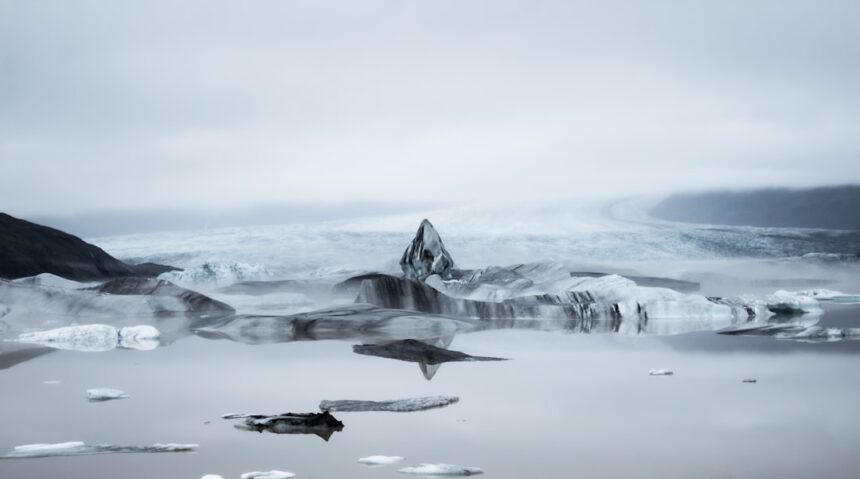
The Russian Arctic Military Doctrine represents a significant aspect of Russia’s broader national security strategy, reflecting the country’s growing focus on the Arctic region. As climate change continues to open new maritime routes and reveal untapped natural resources, Russia has recognized the strategic importance of this area. The doctrine outlines the military’s role in safeguarding national interests, asserting territorial claims, and ensuring the security of vital shipping lanes.
This military posture is not merely a reaction to external threats but also a proactive approach to securing Russia’s position as a dominant power in the Arctic. The Arctic has become a focal point for geopolitical competition, with various nations vying for influence and access to its resources.
This doctrine is not static; it evolves in response to changing geopolitical dynamics, technological advancements, and environmental considerations. Understanding this military doctrine is crucial for comprehending Russia’s ambitions and actions in the Arctic.
Key Takeaways
- Russia’s Arctic military doctrine emphasizes securing strategic interests amid increasing geopolitical competition.
- Historical military presence in the Arctic has evolved to support resource protection and territorial claims.
- The Arctic’s geopolitical importance stems from its natural resources and new maritime routes due to melting ice.
- Russia has developed specialized military infrastructure and capabilities tailored to harsh Arctic conditions.
- International cooperation exists but is challenged by potential conflicts and security threats in the region.
Historical Context of Russian Military Presence in the Arctic
Russia’s military presence in the Arctic has deep historical roots, dating back to the Soviet era when the region was viewed as a strategic frontier. The Soviet Union established a formidable military infrastructure in the Arctic during the Cold War, driven by the need to counter NATO forces and protect its northern borders. This legacy has shaped contemporary Russian military strategy, as the country seeks to reassert its influence in an area that has long been considered vital for national security.
In recent years, Russia has revitalized its military presence in the Arctic, reflecting a renewed focus on this critical region. The annexation of Crimea in 2014 marked a turning point, prompting Russia to enhance its military capabilities across various domains, including land, air, and sea. The establishment of new military bases, the modernization of existing facilities, and increased naval operations underscore Russia’s commitment to maintaining a robust military posture in the Arctic.
This historical context provides essential insights into the motivations behind Russia’s current military doctrine and its implications for regional stability.
Geopolitical Importance of the Russian Arctic Frontier
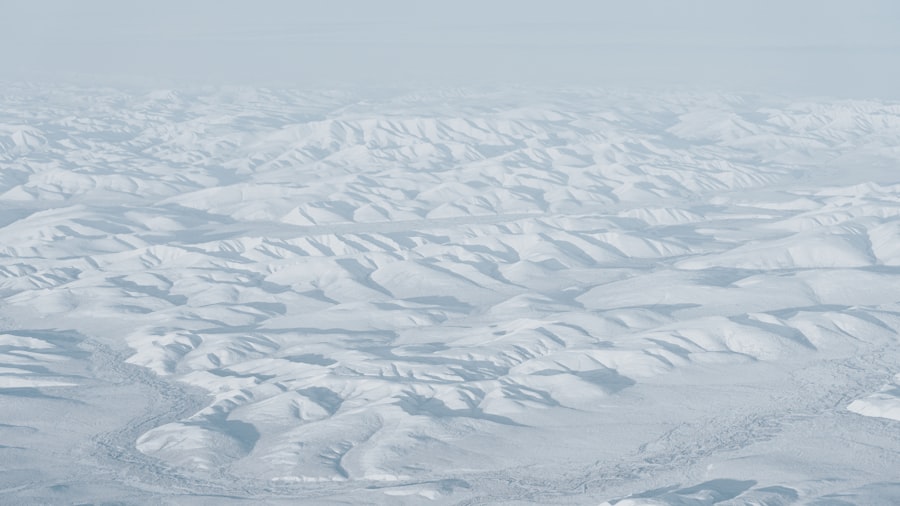
The geopolitical significance of the Russian Arctic frontier cannot be overstated. As melting ice opens up new shipping routes, such as the Northern Sea Route, Russia stands to gain economically and strategically from increased maritime traffic. This route not only shortens shipping times between Europe and Asia but also enhances Russia’s ability to project power across the region.
The Arctic is rich in natural resources, including oil, gas, and minerals, making it a focal point for economic competition among Arctic states.
Russia’s extensive coastline and territorial claims position it as a key player in this geopolitical landscape.
The competition for influence in the Arctic is not limited to regional actors; global powers such as the United States and China are also keenly interested in securing their interests in this rapidly changing environment. As such, the Russian Arctic frontier is not only a matter of national security but also a complex interplay of international diplomacy and strategic maneuvering.
Key Elements of the Russian Arctic Military Doctrine
The Russian Arctic Military Doctrine encompasses several key elements that reflect its strategic priorities. Central to this doctrine is the emphasis on territorial integrity and sovereignty. Russia views the Arctic as an integral part of its national territory, and its military strategy is designed to deter potential encroachments by other nations.
This includes maintaining a visible military presence through naval patrols, air surveillance, and ground forces stationed at strategic locations. Another critical aspect of the doctrine is the integration of civilian and military efforts in the region. Russia recognizes that securing its interests in the Arctic requires collaboration between military forces and civilian agencies responsible for resource management and environmental protection.
This holistic approach aims to ensure that military operations are conducted in tandem with economic development initiatives, thereby fostering stability and security in the region. Additionally, technological advancements play a crucial role in enhancing Russia’s military capabilities, with investments in icebreakers, surveillance systems, and advanced weaponry tailored for Arctic conditions.
Military Infrastructure and Capabilities in the Russian Arctic
| Aspect | Details | Significance |
|---|---|---|
| Strategic Focus | Protection of Arctic borders and securing Russia’s interests in the region | Ensures sovereignty and control over natural resources |
| Military Presence | Deployment of Arctic brigades, air defense systems, and naval assets | Enhances rapid response and defense capabilities |
| Infrastructure Development | Construction of military bases, airfields, and radar stations | Supports sustained military operations and surveillance |
| Technological Emphasis | Use of advanced missile systems, icebreakers, and Arctic-capable equipment | Improves operational effectiveness in harsh Arctic conditions |
| International Cooperation | Limited cooperation; focus on asserting dominance and countering NATO presence | Maintains strategic advantage and counters perceived threats |
| Resource Security | Protection of oil, gas, and mineral extraction sites | Secures economic interests and energy supplies |
| Doctrine Update Frequency | Revised approximately every 5-7 years to adapt to geopolitical changes | Keeps military strategy aligned with evolving Arctic dynamics |
Russia has invested heavily in developing military infrastructure in the Arctic, establishing a network of bases and facilities designed to support its operational capabilities. Key installations include airfields, naval bases, and radar stations strategically located along its northern coastline. These facilities enable rapid deployment of forces and enhance situational awareness across vast stretches of territory.
The modernization of existing infrastructure has been accompanied by the construction of new bases to accommodate an expanding military presence. In terms of capabilities, Russia has prioritized the development of specialized equipment suited for Arctic operations. This includes icebreakers capable of navigating through thick ice, advanced aircraft designed for cold-weather operations, and naval vessels equipped with enhanced ice-strengthened hulls.
The integration of these capabilities allows Russia to conduct a range of missions, from search and rescue operations to combat readiness exercises. Furthermore, ongoing investments in research and development aim to ensure that Russian forces remain at the forefront of technological advancements relevant to Arctic warfare.
Environmental and Technological Challenges in Securing the Northern Frontier
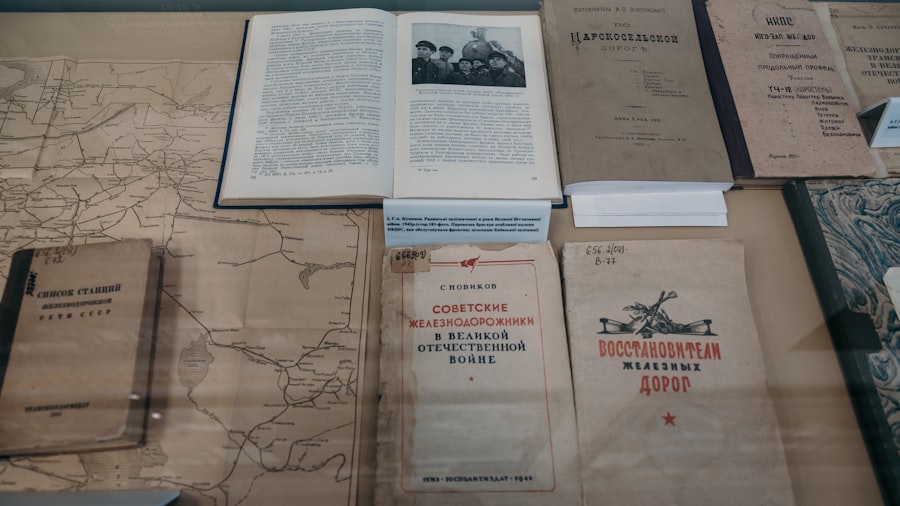
Securing the Russian Arctic frontier presents unique environmental challenges that complicate military operations. The harsh climate, characterized by extreme cold, ice cover, and unpredictable weather patterns, poses significant obstacles for personnel and equipment alike. Conducting operations in such conditions requires specialized training and equipment that can withstand severe temperatures and rugged terrain.
Additionally, logistical support becomes increasingly complex as supply lines are stretched across remote areas. Technological challenges also play a crucial role in shaping Russia’s military strategy in the Arctic. While advancements have been made in developing equipment suited for cold-weather operations, there remains a need for continuous innovation to address emerging threats and operational demands.
Cybersecurity vulnerabilities are another concern, as reliance on advanced technologies increases the risk of cyberattacks that could disrupt critical systems. As such, Russia must navigate these environmental and technological challenges while ensuring that its military capabilities remain effective and resilient.
International Relations and Cooperation in the Arctic Region
The dynamics of international relations in the Arctic are characterized by both competition and cooperation among various stakeholders. While territorial disputes exist, particularly regarding maritime boundaries and resource claims, there are also avenues for collaboration among Arctic states. Organizations such as the Arctic Council facilitate dialogue on issues ranging from environmental protection to sustainable development, providing a platform for cooperation despite underlying tensions.
Russia’s approach to international relations in the Arctic reflects its desire to assert its influence while engaging with other nations on shared interests. The country has participated in joint exercises with other Arctic states and has expressed willingness to collaborate on scientific research initiatives. However, this cooperation is often tempered by geopolitical considerations, particularly as tensions with Western nations have escalated in recent years.
Balancing national interests with collaborative efforts remains a delicate task for Russia as it navigates an increasingly complex geopolitical landscape.
Role of the Russian Navy and Air Force in Arctic Security
The Russian Navy plays a pivotal role in securing national interests in the Arctic region. With a fleet of icebreakers and specialized vessels designed for operations in icy waters, the Navy is well-equipped to patrol maritime routes and protect territorial claims. Naval exercises conducted in the Arctic demonstrate Russia’s commitment to maintaining a robust maritime presence while showcasing its capabilities to potential adversaries.
Complementing naval operations is the role of the Russian Air Force, which provides essential support through surveillance and reconnaissance missions. Aircraft equipped with advanced sensors can monitor vast areas of territory and detect potential threats from both land and sea. The integration of air power into Arctic operations enhances situational awareness and enables rapid response capabilities when necessary.
Together, the Navy and Air Force form a comprehensive security framework that underpins Russia’s military doctrine in the Arctic.
Strategic Considerations for Protecting Russian Interests in the Arctic
Protecting Russian interests in the Arctic requires a multifaceted approach that encompasses military readiness, diplomatic engagement, and economic development. The strategic considerations guiding this approach include deterrence against potential adversaries while fostering stability through cooperative initiatives with other Arctic states. By maintaining a credible military presence, Russia aims to dissuade any attempts at encroachment on its territorial claims.
Economic development is another critical component of Russia’s strategy in the Arctic. As resource extraction becomes increasingly viable due to melting ice, securing access to these resources is paramount for national prosperity. This necessitates not only military protection but also investment in infrastructure that supports sustainable development initiatives.
Balancing economic interests with environmental considerations remains a challenge as Russia seeks to navigate competing priorities while safeguarding its long-term objectives.
Potential Conflicts and Threats to the Russian Arctic Frontier
The potential for conflicts in the Russian Arctic frontier arises from various sources, including territorial disputes with neighboring countries and competition over resources. As multiple nations assert their claims over maritime boundaries and resource-rich areas, tensions may escalate into confrontations if diplomatic efforts fail to resolve disputes amicably. The presence of foreign military assets near Russian borders further complicates this landscape, raising concerns about miscalculations or unintended escalations.
Additionally, non-state actors such as environmental groups may pose challenges to Russia’s activities in the Arctic by advocating for conservation measures that could limit resource extraction efforts. Balancing these competing interests requires careful navigation of both domestic policies and international relations as Russia seeks to protect its sovereignty while addressing global concerns about environmental sustainability.
Future Outlook for Russian Arctic Military Doctrine and Security Measures
The future outlook for Russian Arctic military doctrine suggests an ongoing commitment to enhancing capabilities while adapting to evolving geopolitical dynamics. As climate change continues to reshape the region’s landscape, Russia will likely prioritize investments in technology that enable effective operations under changing conditions. This may include advancements in unmanned systems capable of conducting surveillance or logistical support missions without risking personnel.
Moreover, international relations will play a crucial role in shaping Russia’s approach moving forward. While competition may intensify among Arctic states, opportunities for collaboration on shared challenges will remain essential for fostering stability in the region. Balancing assertiveness with diplomacy will be key as Russia navigates an increasingly complex geopolitical environment while striving to secure its interests in this vital frontier.
In conclusion, understanding Russia’s Arctic Military Doctrine requires an appreciation of its historical context, geopolitical significance, key elements, infrastructure capabilities, challenges faced, international relations dynamics, naval and air force roles, strategic considerations, potential conflicts, and future outlooks. As global interest in the Arctic continues to grow amid changing environmental conditions, Russia’s actions will undoubtedly shape not only its own future but also that of the entire region.
The evolving military doctrine of Russia in the Arctic region has garnered significant attention, particularly in light of its strategic implications for global security. For a deeper understanding of this topic, you can explore a related article that discusses the geopolitical dynamics and military strategies at play in the Arctic. This article can be found at In the War Room, which provides valuable insights into the complexities of Russia’s Arctic ambitions and their potential impact on international relations.
WATCH THIS! 🎬 America’s Nuclear City Was a Lie: The Russian Base That Made Iceworm Obsolete
FAQs
What is the Russian Arctic Military Doctrine?
The Russian Arctic Military Doctrine is a strategic framework outlining Russia’s military policies, objectives, and priorities in the Arctic region. It focuses on protecting national interests, ensuring security, and maintaining Russia’s presence in the Arctic.
Why is the Arctic region important to Russia?
The Arctic is crucial to Russia due to its vast natural resources, including oil, gas, and minerals. It also holds strategic military significance, offers new shipping routes like the Northern Sea Route, and is vital for Russia’s national security and economic development.
When was the Russian Arctic Military Doctrine first established?
Russia first formalized its Arctic Military Doctrine in 2009, with updates and revisions made in subsequent years to address evolving geopolitical and security challenges in the region.
What are the main objectives of the Russian Arctic Military Doctrine?
The doctrine aims to protect Russia’s sovereignty and territorial integrity in the Arctic, secure access to natural resources, ensure safe navigation along Arctic sea routes, and counter potential military threats from other Arctic and non-Arctic states.
How does the doctrine address international cooperation in the Arctic?
While emphasizing Russia’s national interests and security, the doctrine also acknowledges the importance of international cooperation, particularly through organizations like the Arctic Council, to manage peaceful development and environmental protection in the region.
What military capabilities does Russia focus on in the Arctic?
Russia prioritizes enhancing its Arctic military infrastructure, including air defense systems, naval bases, icebreaker fleets, and rapid deployment forces. It also invests in modernizing equipment suited for Arctic conditions and increasing surveillance and reconnaissance capabilities.
How does the doctrine view potential threats in the Arctic?
The doctrine identifies potential threats such as increased military activity by other countries, challenges to Russia’s sovereignty, and the militarization of the Arctic by NATO and other actors. It stresses preparedness to respond to these challenges to maintain regional stability.
Has the Russian Arctic Military Doctrine influenced global Arctic policies?
Yes, Russia’s assertive military posture and strategic planning in the Arctic have influenced other Arctic nations to reassess their own policies and military presence, contributing to a complex security environment in the region.
Is the Russian Arctic Military Doctrine publicly available?
Portions of the doctrine have been made public through official government releases and statements, but some details remain classified due to their sensitive military nature.
How does climate change impact the Russian Arctic Military Doctrine?
Climate change, by reducing sea ice, opens new navigation routes and access to resources, which the doctrine addresses by emphasizing the need to secure these emerging opportunities while managing new security challenges arising from increased activity in the Arctic.