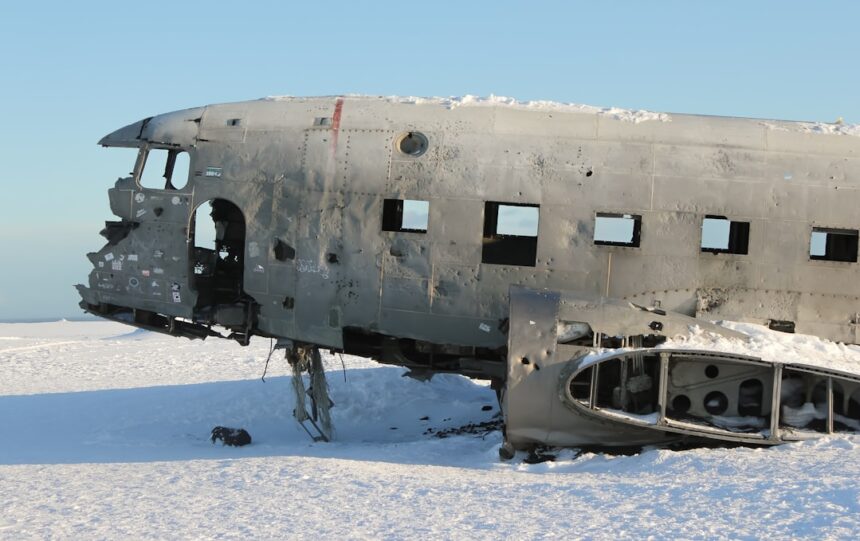
The P-8 Poseidon, a state-of-the-art maritime patrol aircraft, represents a significant advancement in NATO’s aerial capabilities. Developed by Boeing, this aircraft is primarily designed for anti-submarine warfare, anti-surface warfare, and intelligence, surveillance, and reconnaissance (ISR) missions. With its advanced sensors and systems, the P-8 Poseidon enhances NATO’s operational effectiveness in various theaters, particularly in the increasingly strategic Arctic region.
As global dynamics shift and the Arctic becomes a focal point for military and economic interests, the role of the P-8 Poseidon in NATO’s arsenal cannot be overstated. The introduction of the P-8 Poseidon into NATO’s fleet marks a pivotal moment in the alliance’s approach to maritime security. Equipped with cutting-edge technology, including high-resolution radar and advanced sonar systems, the aircraft is capable of conducting extensive surveillance missions over vast areas of ocean.
Its ability to operate in harsh weather conditions makes it particularly suited for Arctic operations, where traditional surveillance methods may fall short. As NATO continues to adapt to evolving security challenges, the P-8 Poseidon stands as a testament to the alliance’s commitment to maintaining peace and stability in critical regions.
Key Takeaways
- NATO’s P-8 Poseidon plays a critical role in Arctic patrols and security operations.
- The aircraft’s advanced capabilities enhance surveillance, reconnaissance, and environmental monitoring in the Arctic region.
- Increasing Russian activity in the Arctic underscores the importance of NATO’s presence and collaboration with Arctic allies.
- The P-8 Poseidon supports search and rescue missions and participates in specialized training and exercises in harsh Arctic conditions.
- Future challenges for NATO’s P-8 include adapting to evolving threats and leveraging new opportunities in Arctic security.
The Importance of Arctic Patrols
The Arctic has emerged as a region of strategic importance due to its vast natural resources and changing geopolitical landscape. As climate change continues to alter the Arctic environment, new shipping routes are opening up, and previously inaccessible resources are becoming available for exploration and extraction. This shift has heightened the need for robust maritime patrols to ensure security and stability in the region.
NATO’s commitment to Arctic patrols is essential not only for safeguarding member states’ interests but also for maintaining international norms and preventing potential conflicts. Patrolling the Arctic is not merely about asserting territorial claims; it is also about fostering cooperation among nations. The region is home to a diverse array of wildlife and ecosystems that require protection from potential exploitation.
By conducting regular patrols, NATO can monitor activities that may threaten both national security and environmental integrity. The presence of NATO forces in the Arctic serves as a deterrent against aggressive actions by any state actor while promoting dialogue and collaboration among Arctic nations.
P-8 Poseidon’s Capabilities in Arctic Operations
The P-8 Poseidon is uniquely equipped to handle the challenges posed by Arctic operations. Its advanced sensor suite includes multi-mode radar, electro-optical/infrared sensors, and an array of sonobuoys that allow for comprehensive surveillance of both surface and subsurface threats. This capability is crucial in the Arctic, where ice coverage can obscure traditional detection methods.
The aircraft’s ability to operate at high altitudes while maintaining a low radar cross-section enhances its effectiveness in gathering intelligence without being easily detected. Moreover, the P-8 Poseidon’s range and endurance make it an ideal platform for extended missions over the vast expanses of the Arctic Ocean. With a maximum range of approximately 1,200 nautical miles, it can cover significant distances without needing to refuel, allowing for prolonged surveillance operations.
This capability is particularly important in a region where distances between key points can be substantial. The aircraft’s ability to deploy anti-submarine weapons and conduct search-and-rescue missions further underscores its versatility in addressing various operational needs in the Arctic.
NATO’s Role in Arctic Security
NATO’s involvement in Arctic security is multifaceted, encompassing military readiness, diplomatic engagement, and environmental stewardship. As tensions rise in the region due to increased military activity from non-NATO states, the alliance recognizes the necessity of a coordinated response to ensure stability. NATO’s strategic framework emphasizes collective defense and deterrence, which are vital components in addressing potential threats emanating from the Arctic.
In addition to military readiness, NATO plays a crucial role in fostering dialogue among Arctic nations. Through various forums and partnerships, the alliance seeks to promote transparency and confidence-building measures that can mitigate misunderstandings and reduce the risk of conflict. By engaging with both member states and non-member states with interests in the Arctic, NATO aims to create a collaborative environment that prioritizes peace and security while addressing shared challenges such as climate change and resource management.
Increasing Russian Activity in the Arctic
| Metric | Details |
|---|---|
| Aircraft Model | Boeing P-8 Poseidon |
| Mission Type | Arctic Maritime Patrol and Surveillance |
| Patrol Duration | Typically 8-12 hours per sortie |
| Operational Range | Approx. 1,200 nautical miles (2,222 km) |
| Sensor Suite | Radar, Electro-Optical/Infrared (EO/IR), Sonobuoys, Magnetic Anomaly Detector (MAD) |
| Number of NATO P-8s Involved | Varies by operation; typically 2-4 aircraft |
| Typical Patrol Altitude | Low to medium altitude (500 to 20,000 feet) |
| Primary Objectives | Submarine detection, surface vessel monitoring, intelligence gathering |
| Arctic Patrol Frequency | Seasonal, increased during summer months due to ice melt |
| Communication Systems | Satellite communications, secure data links |
In recent years, Russia has significantly ramped up its military presence in the Arctic, raising concerns among NATO member states. The establishment of new military bases, increased naval operations, and enhanced air patrols have all contributed to a more assertive Russian posture in the region. This activity has prompted NATO to reassess its own capabilities and strategies in response to potential threats posed by Russian expansionism.
The implications of Russia’s actions extend beyond military considerations; they also encompass economic interests and environmental concerns. As Russia seeks to exploit natural resources in the Arctic, including oil and gas reserves, it has become increasingly important for NATO to monitor these developments closely. The P-8 Poseidon plays a vital role in this regard by providing real-time intelligence on Russian activities, enabling NATO to respond effectively to any emerging threats while ensuring that international norms are upheld.
Collaboration with Arctic Allies

Collaboration with Arctic allies is essential for NATO’s success in maintaining security in the region. Countries such as Canada, Norway, Denmark, and Iceland play pivotal roles in Arctic affairs due to their geographic proximity and vested interests. By working closely with these nations, NATO can leverage their local knowledge and expertise to enhance operational effectiveness in Arctic missions.
Joint exercises and training initiatives are key components of this collaboration. By conducting regular drills with Arctic allies, NATO can improve interoperability among forces while fostering mutual understanding of each nation’s capabilities and limitations. This collaborative approach not only strengthens military readiness but also reinforces diplomatic ties among member states, creating a united front in addressing shared challenges in the Arctic.
Surveillance and Reconnaissance Missions
Surveillance and reconnaissance missions are at the heart of NATO’s operational strategy in the Arctic. The P-8 Poseidon is specifically designed for these tasks, equipped with advanced sensors that can detect surface vessels, submarines, and other potential threats from great distances. These capabilities are crucial for maintaining situational awareness in a region where rapid changes can occur due to shifting ice patterns or increased maritime traffic.
The data collected during surveillance missions informs decision-making at all levels of command within NATO. By providing real-time intelligence on enemy movements or environmental changes, the P-8 Poseidon enables commanders to make informed choices regarding resource allocation and operational planning. This proactive approach not only enhances NATO’s deterrence posture but also ensures that member states are prepared to respond swiftly to any emerging threats or crises.
Environmental Monitoring in the Arctic
Environmental monitoring is an increasingly important aspect of NATO’s operations in the Arctic. As climate change accelerates ice melt and alters ecosystems, understanding these changes becomes critical for both security and environmental stewardship. The P-8 Poseidon can contribute significantly to this effort by conducting aerial surveys that assess environmental conditions and track changes over time.
By integrating environmental monitoring into its operational framework, NATO demonstrates its commitment to responsible stewardship of the Arctic region. This approach not only helps protect fragile ecosystems but also fosters goodwill among Arctic nations by emphasizing shared responsibility for environmental conservation. The data gathered through these missions can inform policy decisions related to resource management and climate adaptation strategies.
Search and Rescue Operations
Search and rescue operations are another vital function of NATO’s P-8 Poseidon in the Arctic region. Given the harsh conditions and remote nature of many areas within the Arctic Circle, having a dedicated platform capable of conducting search-and-rescue missions is essential for ensuring safety at sea. The aircraft’s advanced sensors allow it to locate distressed vessels or individuals quickly, facilitating timely responses that can save lives.
In addition to its technical capabilities, the P-8 Poseidon serves as a symbol of NATO’s commitment to humanitarian assistance in times of crisis.
These missions not only enhance operational readiness but also strengthen bonds between nations working together for common goals.
Training and Exercises in the Arctic
Training and exercises play a crucial role in preparing NATO forces for operations in the challenging Arctic environment. The unique conditions present numerous challenges that require specialized skills and knowledge among personnel involved in maritime operations. Regular training exercises help ensure that forces are well-prepared to respond effectively when called upon.
NATO conducts joint exercises with member states focused on various aspects of Arctic operations, including cold-weather survival training, navigation through ice-covered waters, and coordination during search-and-rescue missions. These exercises not only enhance individual skills but also foster teamwork among multinational forces operating together in complex scenarios. By investing time and resources into training initiatives tailored specifically for Arctic conditions, NATO strengthens its overall readiness while reinforcing alliances among member states.
Future Challenges and Opportunities for NATO’s P-8 Poseidon
As geopolitical dynamics continue to evolve, NATO’s P-8 Poseidon will face both challenges and opportunities in its role within the Arctic region. One significant challenge lies in adapting to rapidly changing environmental conditions caused by climate change; as ice melts and new shipping routes open up, ensuring maritime security will require constant vigilance and flexibility from NATO forces. However, these challenges also present opportunities for enhanced collaboration among member states as they work together to address shared concerns related to security and environmental protection.
The P-8 Poseidon’s capabilities will be instrumental in navigating this complex landscape by providing critical intelligence that informs decision-making processes at all levels within NATO. In conclusion, as NATO continues to adapt its strategies for an increasingly dynamic world, the P-8 Poseidon will remain a cornerstone of its efforts in ensuring security within the Arctic region while promoting cooperation among allies committed to safeguarding both national interests and global stability.
For a deeper understanding of the strategic implications of these operations, you can read more in this related article on In The War Room.
WATCH THIS! 🎬 America’s Nuclear City Was a Lie: The Russian Base That Made Iceworm Obsolete
FAQs
What is the NATO P-8 Poseidon?
The NATO P-8 Poseidon is a maritime patrol aircraft used by NATO member countries for surveillance, reconnaissance, and anti-submarine warfare missions. It is based on the Boeing 737 commercial airliner and is equipped with advanced sensors and weapons systems.
What are Arctic patrols conducted by the P-8 Poseidon?
Arctic patrols by the P-8 Poseidon involve monitoring and surveillance operations in the Arctic region. These patrols help NATO maintain situational awareness, track maritime activity, and ensure security in the increasingly strategic and accessible Arctic waters.
Why are Arctic patrols important for NATO?
Arctic patrols are important for NATO because the Arctic region is becoming more accessible due to melting ice, leading to increased maritime traffic and potential security challenges. Monitoring this area helps NATO protect its interests, support search and rescue operations, and deter potential threats.
What capabilities does the P-8 Poseidon have for Arctic operations?
The P-8 Poseidon is equipped with advanced radar, sonar, and electronic surveillance systems that allow it to detect submarines and surface vessels in harsh Arctic conditions. It also has long-range endurance and can operate in extreme weather, making it suitable for extended patrols in the Arctic.
Which NATO countries operate the P-8 Poseidon for Arctic patrols?
Several NATO countries, including the United States, the United Kingdom, and Norway, operate the P-8 Poseidon and conduct Arctic patrols as part of their maritime security and defense strategies.
How does the P-8 Poseidon contribute to NATO’s overall maritime security?
The P-8 Poseidon enhances NATO’s maritime security by providing real-time intelligence, surveillance, and reconnaissance capabilities. It helps detect and track submarines and surface ships, supports anti-submarine warfare, and contributes to coordinated NATO responses in maritime domains, including the Arctic.
Are there any environmental considerations for P-8 Poseidon Arctic patrols?
Yes, Arctic patrols must consider environmental protection due to the fragile ecosystem. NATO and its member countries follow international regulations and best practices to minimize environmental impact during operations in the Arctic region.