In recent years, the Arctic region has emerged as a focal point for geopolitical tensions and strategic military interests. As climate change continues to alter the landscape, melting ice caps are opening new maritime routes and exposing untapped natural resources. In response to these evolving dynamics, NATO has developed a comprehensive Arctic Exercise Strategy aimed at enhancing its operational readiness and ensuring the security of its member states in this increasingly contested area.
This strategy not only reflects the alliance’s commitment to collective defense but also underscores the importance of adapting military capabilities to address the unique challenges posed by the Arctic environment. NATO’s Arctic Exercise Strategy is a multifaceted approach that encompasses a range of military exercises, training programs, and collaborative initiatives with partner nations. By conducting regular exercises in the Arctic, NATO seeks to improve interoperability among its forces, test new tactics, and refine operational procedures tailored to the harsh conditions of the region.
This proactive stance is essential for maintaining peace and stability in an area that is witnessing heightened military activity from both state and non-state actors. As NATO continues to navigate the complexities of Arctic security, its exercise strategy will play a pivotal role in shaping the future of military operations in this vital region.
Key Takeaways
- NATO’s Arctic Exercise Strategy aims to enhance security and stability in the increasingly strategic Arctic region.
- The Arctic faces unique threats and challenges, including geopolitical tensions and environmental changes.
- NATO collaborates closely with Arctic partners and allies to strengthen collective defense and response capabilities.
- Technology and innovation play a critical role in improving situational awareness and operational effectiveness in the Arctic.
- Environmental considerations are integrated into NATO’s strategy to ensure sustainable and responsible security practices.
The Importance of Security in the Arctic Region
The Arctic region holds significant strategic importance for NATO and its member states due to its vast natural resources, emerging shipping routes, and geopolitical significance. As nations vie for control over these resources and routes, the potential for conflict increases, making security in the Arctic a paramount concern. The melting ice is not only reshaping the physical landscape but also altering the balance of power among Arctic nations.
For NATO, ensuring security in this region is crucial for safeguarding national interests and maintaining stability among its members. Moreover, the Arctic serves as a critical frontier for global trade and commerce. The opening of new shipping lanes, such as the Northern Sea Route, presents opportunities for economic growth but also raises concerns about maritime security and environmental protection.
As commercial interests expand, so too does the need for a coordinated security strategy that addresses both traditional military threats and non-traditional challenges such as piracy, illegal fishing, and environmental degradation. NATO’s focus on security in the Arctic is not merely about military readiness; it encompasses a broader understanding of the interconnectedness of economic, environmental, and geopolitical factors that define this unique region.
Understanding the Threats and Challenges in the Arctic
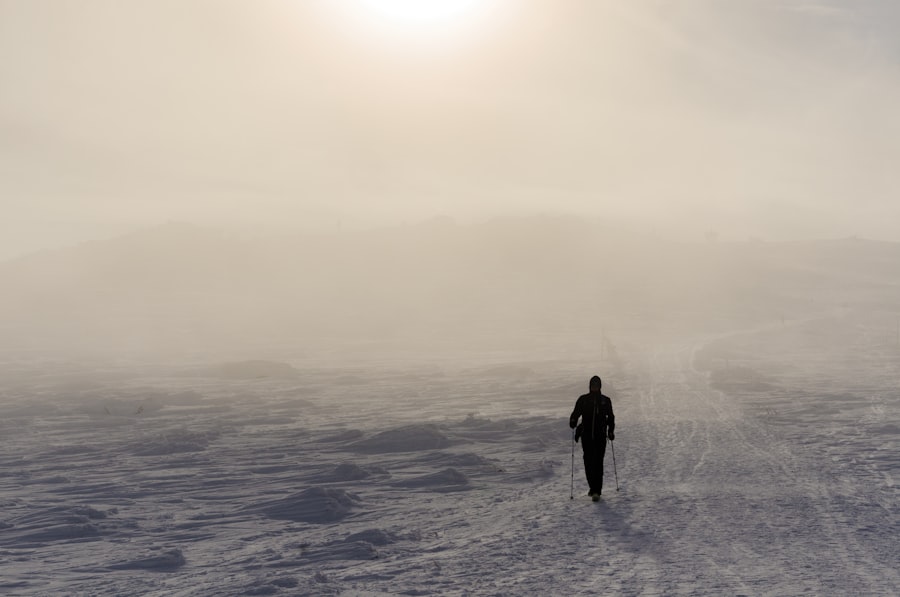
The Arctic is characterized by a complex array of threats and challenges that complicate security efforts. One of the most pressing concerns is the increasing military presence of Russia in the region. Moscow has invested heavily in modernizing its Arctic capabilities, establishing new military bases, and conducting extensive military exercises.
This resurgence of Russian military activity has raised alarms among NATO member states, prompting calls for a robust response to ensure that the alliance remains prepared to address potential threats. In addition to state actors, non-state threats also pose significant challenges in the Arctic. Climate change has led to unpredictable weather patterns and environmental changes that can exacerbate existing tensions.
The melting ice not only opens up new shipping routes but also increases accessibility to previously unreachable resources, leading to competition among nations. Furthermore, issues such as illegal fishing and resource exploitation by non-state actors add another layer of complexity to security efforts in the region. Understanding these multifaceted threats is essential for NATO as it formulates its Arctic Exercise Strategy and seeks to enhance its operational capabilities.
NATO’s Role in Strengthening Security in the North
NATO plays a crucial role in strengthening security in the Arctic through its commitment to collective defense and deterrence. The alliance’s presence in the region serves as a stabilizing force, reassuring member states of their security commitments while deterring potential aggressors. By conducting joint exercises and enhancing interoperability among its forces, NATO fosters a sense of unity among its members, reinforcing their collective resolve to address any threats that may arise.
Furthermore, NATO’s engagement in the Arctic extends beyond military operations; it encompasses diplomatic efforts aimed at fostering cooperation among Arctic nations. Through initiatives such as the Arctic Security Forum, NATO seeks to promote dialogue and collaboration on security issues while addressing shared challenges such as climate change and environmental protection. By taking a holistic approach to security in the North, NATO aims to create an environment conducive to peace and stability while ensuring that its member states are prepared to respond effectively to any emerging threats.
The Objectives of NATO’s Arctic Exercise Strategy
| Metric | Description | Value/Details |
|---|---|---|
| Exercise Name | Official name of the NATO Arctic exercise | Cold Response |
| Frequency | How often the exercise is conducted | Biennial (every two years) |
| Participating Nations | Number of NATO and partner countries involved | Over 10 nations |
| Personnel Involved | Number of military personnel participating | Approximately 15,000 |
| Primary Objectives | Main goals of the exercise | Enhance interoperability, test Arctic warfare capabilities, improve joint response |
| Duration | Length of the exercise | 2-3 weeks |
| Key Capabilities Tested | Specific military skills and technologies evaluated | Cold weather operations, amphibious assaults, air defense, logistics in Arctic conditions |
| Strategic Importance | Reason for NATO’s focus on Arctic exercises | Deterrence, security of Arctic sea routes, response to emerging threats |
The primary objectives of NATO’s Arctic Exercise Strategy are centered around enhancing operational readiness, improving interoperability among member forces, and fostering collaboration with partner nations. By conducting regular exercises in the Arctic environment, NATO aims to ensure that its forces are well-prepared to operate under challenging conditions while effectively responding to potential threats.
Another key objective is to strengthen partnerships with non-NATO countries that have interests in the Arctic region. By engaging with these nations through joint exercises and training programs, NATO seeks to build trust and enhance collective security efforts. This collaborative approach not only bolsters NATO’s capabilities but also promotes stability in the region by fostering a sense of shared responsibility among all stakeholders involved in Arctic security.
Key Components of NATO’s Arctic Exercise Strategy

NATO’s Arctic Exercise Strategy comprises several key components designed to address the unique challenges of operating in this harsh environment. One critical element is the emphasis on joint training exercises that simulate real-world scenarios faced by military forces in the Arctic. These exercises often involve multiple branches of the armed forces, including air, land, and maritime units, allowing for comprehensive training that enhances overall operational effectiveness.
Additionally, NATO places a strong emphasis on integrating advanced technology into its exercise strategy. The use of cutting-edge equipment and systems enables forces to operate more effectively in extreme conditions while improving situational awareness and decision-making capabilities. This focus on technology not only enhances military readiness but also ensures that NATO remains at the forefront of innovation in addressing emerging security challenges in the Arctic.
Collaboration with Arctic Partners and Allies
Collaboration with Arctic partners and allies is a cornerstone of NATO’s approach to security in the region. Recognizing that many challenges extend beyond national borders, NATO actively engages with non-member states that have interests in the Arctic, such as Sweden, Finland, and Iceland. These partnerships are vital for fostering a comprehensive understanding of regional dynamics and ensuring coordinated responses to potential threats.
Joint exercises with partner nations serve as a platform for sharing best practices and enhancing interoperability among forces. By working together in realistic training scenarios, NATO and its partners can develop effective strategies for addressing common security concerns while building trust and cooperation. This collaborative spirit is essential for creating a unified front against potential aggressors while promoting stability in an increasingly complex geopolitical landscape.
The Role of Technology and Innovation in Arctic Security
Technology and innovation play a pivotal role in enhancing security operations in the Arctic region. As military forces adapt to the unique challenges posed by this environment, advancements in technology are crucial for improving operational effectiveness. For instance, unmanned aerial vehicles (UAVs) are increasingly being utilized for reconnaissance missions, providing real-time intelligence while reducing risks to personnel.
Moreover, advancements in communication systems enable seamless coordination among forces operating in remote areas with limited infrastructure. Enhanced satellite capabilities allow for improved situational awareness and tracking of maritime activities, which is essential for addressing issues such as illegal fishing or unauthorized incursions into territorial waters. By leveraging technology and innovation, NATO can enhance its capabilities while ensuring that its forces remain agile and responsive to emerging threats in the Arctic.
Environmental Considerations in NATO’s Arctic Exercise Strategy
As NATO develops its Arctic Exercise Strategy, environmental considerations are becoming increasingly important. The impact of climate change on the region necessitates a careful approach to military operations that minimizes ecological disruption while ensuring operational readiness. NATO recognizes that preserving the fragile Arctic environment is essential not only for regional stability but also for global ecological health.
Incorporating environmental sustainability into training exercises is a key aspect of this strategy.
Additionally, collaboration with environmental organizations can provide valuable insights into best practices for protecting biodiversity while conducting necessary military activities.
The Future of NATO’s Arctic Exercise Strategy
Looking ahead, NATO’s Arctic Exercise Strategy will continue to evolve in response to changing geopolitical dynamics and environmental conditions. As new challenges emerge—such as increased competition over resources or shifts in global power dynamics—NATO must remain agile and adaptable in its approach to security in the region. This may involve expanding partnerships with non-NATO countries or enhancing joint training initiatives that address specific regional concerns.
Furthermore, ongoing advancements in technology will likely shape future exercises as NATO seeks innovative solutions to complex security challenges. Emphasizing research and development will be crucial for maintaining a competitive edge while ensuring that forces are equipped with state-of-the-art capabilities tailored for operations in extreme environments.
Advancing Security and Stability in the Arctic
In conclusion, NATO’s Arctic Exercise Strategy represents a proactive approach to addressing the unique security challenges posed by this rapidly changing region. By focusing on operational readiness, collaboration with partners, and leveraging technology, NATO aims to enhance its capabilities while promoting stability among member states and allies alike. As geopolitical tensions continue to rise and environmental changes reshape the landscape of the Arctic, NATO’s commitment to advancing security will be essential for safeguarding national interests and ensuring peace in this vital area of global significance.
Through continued adaptation and innovation, NATO stands poised to navigate the complexities of Arctic security while fostering cooperation among all stakeholders involved.
The recent NATO Arctic exercise strategy highlights the alliance’s commitment to enhancing its operational readiness in the face of evolving security challenges in the region. For a deeper understanding of the implications of these exercises and the broader context of NATO’s strategic objectives, you can read more in this related article on In The War Room.
WATCH THIS! 🎬 America’s Nuclear City Was a Lie: The Russian Base That Made Iceworm Obsolete
FAQs
What is the NATO Arctic Exercise Strategy?
The NATO Arctic Exercise Strategy refers to a coordinated plan by NATO member countries to conduct military exercises in the Arctic region. These exercises aim to enhance operational readiness, improve interoperability among allied forces, and address emerging security challenges in the Arctic environment.
Why is NATO focusing on the Arctic region?
NATO is focusing on the Arctic due to its increasing geopolitical importance, melting ice opening new maritime routes, and the presence of valuable natural resources. The region’s strategic significance has grown, prompting NATO to ensure security and stability while preparing for potential challenges.
What types of exercises are included in the NATO Arctic Exercise Strategy?
The exercises typically include joint naval maneuvers, air patrols, search and rescue operations, cold-weather survival training, and communication drills. These activities help member states operate effectively in extreme Arctic conditions and demonstrate collective defense capabilities.
Which NATO countries participate in Arctic exercises?
Countries with Arctic territories or interests, such as Canada, Denmark, Norway, the United States, and Iceland, are primary participants. Other NATO members may also join to support collective security efforts and enhance interoperability in the region.
How often are NATO Arctic exercises conducted?
NATO conducts Arctic exercises regularly, often on an annual or biennial basis, depending on strategic priorities and operational requirements. The frequency may vary to adapt to evolving security dynamics in the Arctic.
What challenges do NATO forces face during Arctic exercises?
Challenges include extreme cold temperatures, limited daylight during winter months, difficult terrain, ice-covered waters, and communication difficulties. These factors require specialized training, equipment, and logistics to ensure mission success.
How does the NATO Arctic Exercise Strategy contribute to regional security?
The strategy enhances deterrence by demonstrating NATO’s capability to operate in the Arctic, promotes cooperation among member states, and supports peaceful resolution of disputes. It also helps monitor and respond to potential threats from non-NATO actors in the region.
Are these exercises related to environmental concerns in the Arctic?
While the primary focus is on security and defense, NATO exercises also consider environmental protection by adhering to regulations that minimize ecological impact. NATO collaborates with scientific and environmental organizations to ensure responsible conduct during operations.
How does the NATO Arctic Exercise Strategy align with international law?
NATO exercises in the Arctic are conducted in accordance with international law, including the United Nations Convention on the Law of the Sea (UNCLOS). NATO respects the sovereignty of Arctic states and promotes peaceful cooperation in the region.
Where can I find more information about NATO’s activities in the Arctic?
Official NATO websites, defense ministry publications of member countries, and reputable international security think tanks provide detailed information on NATO’s Arctic strategies and exercises. Public reports and press releases offer updates on recent and upcoming activities.