The Russian Arctic, a vast and largely untapped region, has become a focal point for infrastructure development in recent years. With its rich natural resources, including oil, gas, and minerals, the Arctic is not only crucial for Russia’s economic growth but also for global energy security. The region’s strategic importance has prompted the Russian government to invest heavily in infrastructure projects aimed at enhancing accessibility and facilitating resource extraction.
As the effects of climate change continue to reshape the Arctic landscape, the need for robust infrastructure becomes increasingly pressing. This article delves into the current state of Russian Arctic infrastructure, investment opportunities, challenges, and the key players involved in this ambitious endeavor. The Arctic region is characterized by its harsh climate and remote geography, which pose significant challenges to infrastructure development.
However, advancements in technology and a growing interest from both domestic and international investors have opened new avenues for growth. The Russian government has recognized the potential of the Arctic as a vital economic zone and has initiated various programs to bolster infrastructure. This article will explore the multifaceted aspects of Russian Arctic infrastructure, highlighting its current state, investment opportunities, and the potential hurdles that investors may face.
Key Takeaways
- The Russian Arctic is a strategic region with growing infrastructure development opportunities.
- Significant investments are being made in transportation, energy, and telecommunications projects.
- Investors face challenges such as harsh climate, regulatory complexities, and environmental concerns.
- The Russian government offers incentives to encourage investment in Arctic infrastructure.
- Key players include state-owned enterprises and private companies driving regional development.
Current State of Russian Arctic Infrastructure
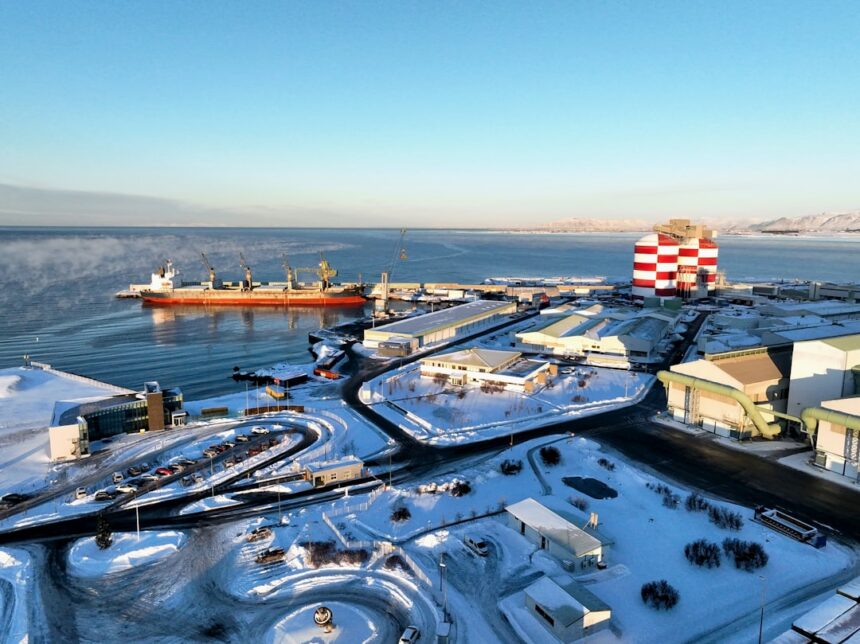
The current state of Russian Arctic infrastructure is a mixed bag of progress and challenges. On one hand, significant strides have been made in developing transportation networks, energy facilities, and telecommunications systems. Major cities like Murmansk and Arkhangelsk serve as critical hubs for maritime activities, while the Northern Sea Route has gained prominence as an alternative shipping lane due to melting ice.
However, much of the existing infrastructure remains outdated and ill-equipped to handle the demands of modern industry and commerce. In addition to transportation networks, energy infrastructure is a cornerstone of Russia’s Arctic strategy. The region is home to some of the world’s largest untapped oil and gas reserves, prompting investments in extraction facilities and pipelines.
Despite these advancements, many areas still lack essential services such as reliable electricity and clean water. The disparity between developed and underdeveloped regions within the Arctic poses a significant challenge for comprehensive infrastructure planning and investment.
Investment Opportunities in Russian Arctic Infrastructure

The investment landscape in Russian Arctic infrastructure is ripe with opportunities for both domestic and foreign investors. The region’s vast natural resources present lucrative prospects for companies involved in energy extraction, mining, and logistics. The Russian government has actively sought foreign investment to help modernize its infrastructure, offering incentives such as tax breaks and streamlined regulatory processes.
This creates an attractive environment for investors looking to capitalize on the region’s potential. Moreover, the development of the Northern Sea Route has opened new avenues for shipping and trade, further enhancing investment prospects. As global shipping routes evolve due to climate change, the Arctic is poised to become a critical corridor for international trade.
Companies involved in shipping logistics, port development, and related services stand to benefit significantly from this shift. The combination of resource extraction opportunities and evolving trade routes makes the Russian Arctic an appealing destination for investment.
Potential Challenges in Investing in Russian Arctic Infrastructure
Despite the promising investment opportunities in Russian Arctic infrastructure, several challenges loom on the horizon. One of the most significant hurdles is the region’s extreme weather conditions, which can severely impact construction timelines and operational efficiency. Investors must navigate logistical complexities associated with transporting materials and personnel to remote locations, often facing delays due to harsh environmental conditions.
Investors must carefully assess the political landscape and consider potential risks when committing capital to Arctic infrastructure initiatives.
The interplay between environmental concerns and geopolitical dynamics adds another layer of complexity to investment decisions.
Government Incentives for Investing in Russian Arctic Infrastructure
| Year | Investment Amount (Billion USD) | Key Projects | Focus Area | Expected Completion |
|---|---|---|---|---|
| 2021 | 3.5 | Yamal LNG Expansion, Northern Sea Route Development | Energy, Transportation | 2025 |
| 2022 | 4.2 | Arctic Ports Modernization, Icebreaker Fleet Upgrade | Logistics, Maritime | 2026 |
| 2023 | 5.0 | New Oil & Gas Fields, Arctic Railways | Energy, Infrastructure | 2028 |
| 2024 (Projected) | 5.8 | Hydropower Plants, Arctic Research Facilities | Energy, Science | 2030 |
To attract investment in Arctic infrastructure, the Russian government has implemented a range of incentives aimed at mitigating risks for investors. These incentives include tax breaks, subsidies, and simplified regulatory processes designed to streamline project approvals. Special economic zones have been established in key areas to foster business development and attract foreign capital.
Furthermore, the government has prioritized infrastructure projects that align with its broader economic goals, such as enhancing energy security and promoting sustainable development. By offering financial support and favorable conditions for investment, the Russian government aims to create a conducive environment for both domestic and international players looking to participate in Arctic development.
Key Players in Russian Arctic Infrastructure Development
Several key players are instrumental in driving Russian Arctic infrastructure development forward. State-owned enterprises such as Gazprom and Rosneft dominate the energy sector, leading major projects aimed at extracting oil and gas resources from the region. These companies often collaborate with international partners to leverage expertise and technology in challenging environments.
In addition to state-owned enterprises, private companies are increasingly entering the Arctic market. Firms specializing in logistics, construction, and telecommunications are playing a vital role in supporting infrastructure development efforts. The collaboration between public and private sectors is essential for addressing the unique challenges posed by the Arctic environment while maximizing investment potential.
Transportation Infrastructure Projects in the Russian Arctic
Transportation infrastructure is a critical component of Russian Arctic development, facilitating access to remote areas rich in resources. Major projects include the expansion of ports along the Northern Sea Route, which aims to enhance shipping capacity and improve connectivity between Russia and global markets. The modernization of existing ports is essential for accommodating larger vessels and increasing cargo volumes.
Additionally, road and rail networks are being developed to connect key industrial sites with transportation hubs. These projects are designed to improve logistics efficiency and reduce transportation costs for companies operating in the region. However, constructing transportation infrastructure in such a challenging environment requires innovative engineering solutions and careful planning to mitigate environmental impacts.
Energy Infrastructure Projects in the Russian Arctic
Energy infrastructure projects are at the forefront of Russia’s Arctic strategy, given the region’s vast reserves of oil and natural gas. Major initiatives include the construction of new liquefied natural gas (LNG) facilities and pipelines designed to transport resources from remote extraction sites to global markets. The Yamal LNG project is a prime example of successful collaboration between state-owned enterprises and international partners.
Moreover, renewable energy projects are gaining traction as part of Russia’s commitment to sustainable development in the Arctic. Wind and solar energy initiatives are being explored to diversify energy sources and reduce reliance on fossil fuels. Balancing resource extraction with environmental considerations is crucial for ensuring long-term sustainability in Arctic energy development.
Telecommunications Infrastructure Projects in the Russian Arctic
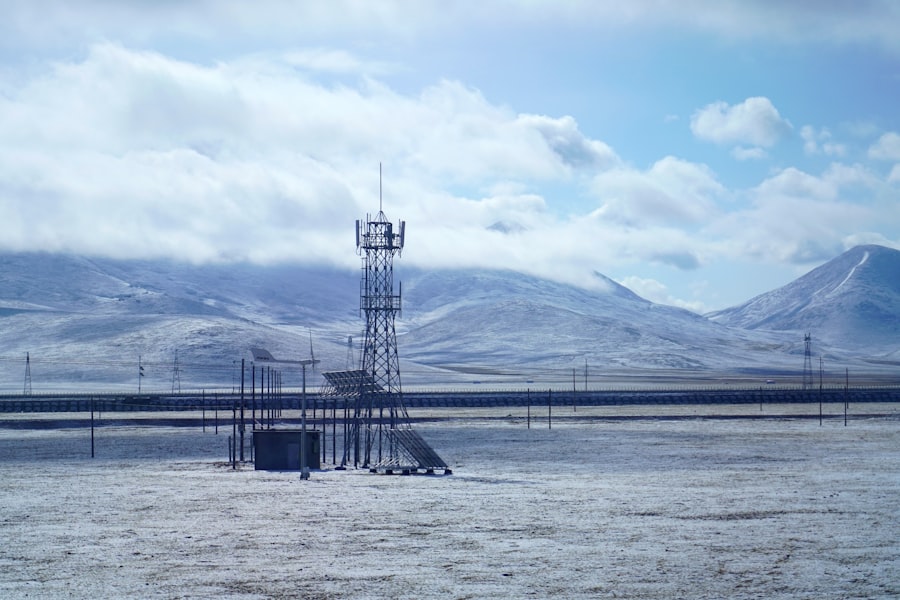
Telecommunications infrastructure is essential for supporting economic activities in the Russian Arctic, particularly as industries expand their operations in remote areas. Projects aimed at improving internet connectivity and mobile communication services are underway to enhance communication capabilities for businesses and residents alike. The development of satellite communication systems is also gaining attention as a means of overcoming geographical barriers posed by the harsh Arctic environment.
Enhanced telecommunications infrastructure will not only support industrial activities but also improve access to education and healthcare services for local communities.
Environmental Considerations in Russian Arctic Infrastructure Development
Environmental considerations play a pivotal role in shaping infrastructure development strategies in the Russian Arctic. The region’s fragile ecosystem is particularly vulnerable to disturbances caused by industrial activities, necessitating careful planning and adherence to environmental regulations. Investors must prioritize sustainability practices to minimize ecological impacts while pursuing economic opportunities.
Efforts are being made to incorporate environmentally friendly technologies into infrastructure projects, such as using renewable energy sources or implementing waste management systems that reduce pollution. Engaging with local communities and indigenous populations is also crucial for ensuring that development aligns with their needs and respects traditional ways of life.
The Future of Russian Arctic Infrastructure Investment
The future of Russian Arctic infrastructure investment holds immense potential as both domestic and international stakeholders recognize the region’s strategic importance. With abundant natural resources and evolving global trade routes, opportunities abound for companies willing to navigate the complexities of this challenging environment. However, investors must remain vigilant about potential challenges such as extreme weather conditions, geopolitical risks, and environmental concerns.
By leveraging government incentives and collaborating with key players in the industry, investors can position themselves for success in this dynamic landscape. As climate change continues to reshape the Arctic region, it will be essential for all stakeholders involved in infrastructure development to prioritize sustainability while pursuing economic growth. The balance between resource extraction and environmental stewardship will ultimately determine the long-term viability of investments in Russian Arctic infrastructure.
Recent investments in Russian Arctic infrastructure have sparked significant interest among geopolitical analysts, particularly in light of the region’s strategic importance. For a deeper understanding of the implications of these developments, you can read a related article on this topic at In the War Room. This article explores the motivations behind Russia’s push for enhanced infrastructure in the Arctic and its potential impact on global trade routes and international relations.
WATCH THIS! 🎬 America’s Nuclear City Was a Lie: The Russian Base That Made Iceworm Obsolete
FAQs
What is the focus of Russian Arctic infrastructure investment?
Russian Arctic infrastructure investment primarily focuses on developing transportation networks, energy facilities, and resource extraction capabilities to support economic growth and strategic interests in the Arctic region.
Why is Russia investing in Arctic infrastructure?
Russia is investing in Arctic infrastructure to enhance access to natural resources, improve military and logistical capabilities, support the Northern Sea Route as a shipping corridor, and assert its sovereignty in the region.
What types of infrastructure projects are included in these investments?
Projects include the construction and modernization of ports, railways, airports, oil and gas facilities, power plants, and communication networks tailored to Arctic conditions.
How does the Northern Sea Route relate to Russian Arctic infrastructure?
The Northern Sea Route is a key focus of infrastructure investment, as Russia aims to develop it into a viable and efficient shipping lane that reduces transit times between Europe and Asia.
What challenges does Russia face in Arctic infrastructure development?
Challenges include extreme weather conditions, permafrost terrain, environmental concerns, high costs, and the need for specialized technology and equipment.
How does Arctic infrastructure investment impact the environment?
Infrastructure development can pose risks to fragile Arctic ecosystems, including habitat disruption, pollution, and increased human activity, prompting the need for careful environmental management.
What role does the Russian government play in Arctic infrastructure investment?
The Russian government plays a central role by providing funding, setting strategic priorities, facilitating partnerships, and implementing policies to support Arctic development.
Are there international collaborations involved in Russian Arctic infrastructure projects?
While Russia primarily leads its Arctic projects, there are instances of international cooperation, especially in scientific research and some joint ventures, though geopolitical tensions can limit broader collaboration.
How does Arctic infrastructure investment affect global trade?
Improved Arctic infrastructure, particularly the Northern Sea Route, has the potential to shorten shipping routes between major markets, impacting global trade patterns and logistics.
What is the expected future outlook for Russian Arctic infrastructure investment?
The outlook includes continued expansion and modernization efforts, driven by resource development, strategic interests, and climate change effects that may increase accessibility in the Arctic.