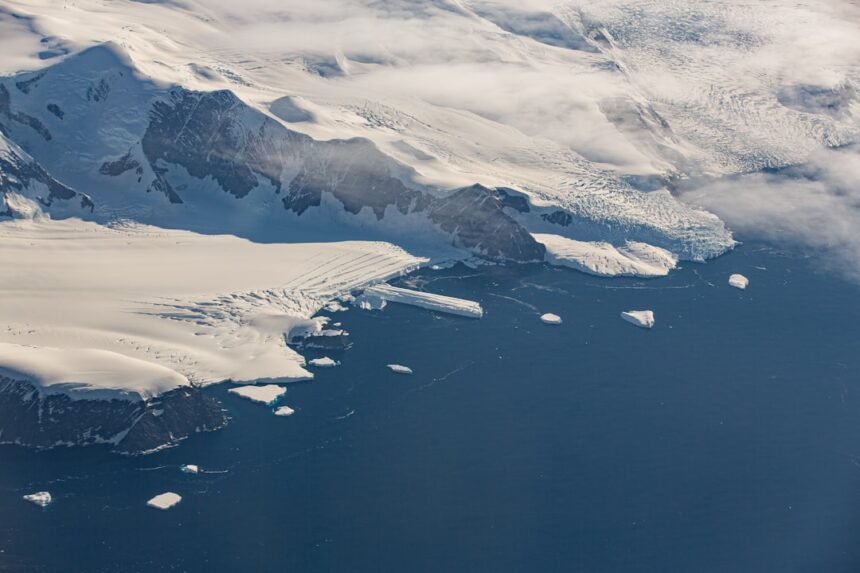
Pituffik Space Base, also known as Thule Air Base, stands as a significant installation in the realm of space exploration and military operations.
Its strategic position allows for unique opportunities in satellite tracking, missile warning systems, and climate research, making it an essential asset not only for the United States but also for international partners involved in space exploration and environmental monitoring.
The base’s establishment has transformed the landscape of Arctic research and military readiness. As global interest in the Arctic region intensifies due to climate change and geopolitical dynamics, Pituffik Space Base has emerged as a focal point for discussions surrounding security, environmental stewardship, and scientific advancement. The base’s multifaceted role underscores its importance in contemporary geopolitics and the ongoing quest for knowledge about our planet and beyond.
Key Takeaways
- Pituffik Space Base is a key facility for space exploration located in Greenland.
- The base has a rich history tied to Cold War-era military and scientific activities.
- It hosts advanced infrastructure supporting research and international collaboration.
- The base impacts Greenland’s environment, economy, and local communities.
- Future plans aim to expand its capabilities despite ongoing challenges and controversies.
History of Pituffik Space Base
The history of Pituffik Space Base dates back to World War II when the United States recognized the strategic importance of Greenland.
S. established a weather station at Thule, which later evolved into a full-fledged air base.
The Cold War further solidified its significance as a military outpost, serving as a critical site for monitoring Soviet activities in the Arctic. Over the decades, the base has undergone numerous expansions and upgrades, adapting to the changing technological landscape and evolving military needs. In the post-Cold War era, Pituffik transitioned from a purely military installation to a hub for scientific research and international collaboration.
The base has played a vital role in various scientific endeavors, including climate studies and space exploration initiatives. Its history reflects not only the military strategies of the past but also the growing recognition of the Arctic’s importance in global environmental issues and international relations.
Location and Geography of Pituffik Space Base
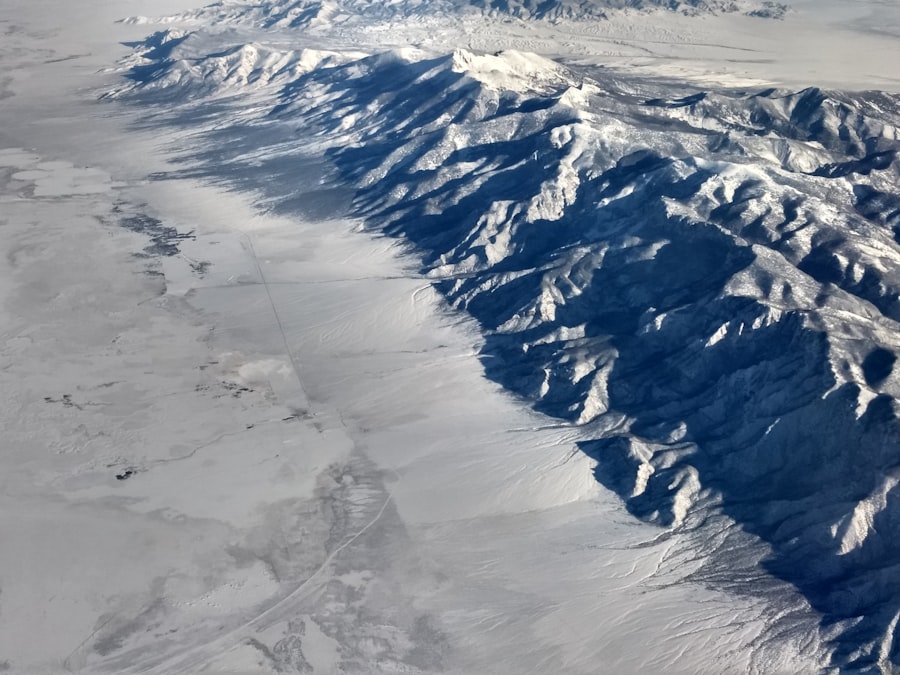
Pituffik Space Base is situated approximately 750 miles north of the Arctic Circle, making it one of the northernmost military installations in the world. Its geographic coordinates place it in a remote yet strategically significant location, surrounded by vast expanses of ice and tundra. The base’s proximity to the North Pole allows for unique observational opportunities, particularly in satellite communications and Earth monitoring.
The harsh Arctic environment presents both challenges and advantages for operations at Pituffik. The extreme cold, long winters, and short summers require specialized equipment and training for personnel stationed there. However, this very remoteness also provides an unparalleled vantage point for observing atmospheric phenomena and conducting research on climate change.
The geographical features surrounding the base, including glaciers and ice caps, serve as natural laboratories for scientists studying the impacts of global warming.
Facilities and Infrastructure at Pituffik Space Base
Pituffik Space Base boasts a range of facilities designed to support its diverse missions. The infrastructure includes runways capable of accommodating large aircraft, radar systems for missile detection, and advanced communication technologies essential for both military operations and scientific research. These facilities are continually updated to meet modern standards and technological advancements.
In addition to operational facilities, Pituffik also provides living accommodations for personnel stationed at the base. These include dormitories, dining facilities, and recreational areas that help foster a sense of community among those who live and work in such an isolated environment. The combination of robust infrastructure and supportive amenities ensures that personnel can effectively carry out their duties while maintaining their well-being in challenging conditions.
Research and Scientific Activities at Pituffik Space Base
| Metric | Value | Details |
|---|---|---|
| Location | Pituffik, Greenland | Northwestern Greenland, near Thule Air Base |
| Coordinates | 76.5312° N, 68.7031° W | Geographic coordinates of the base |
| Primary Use | Space Surveillance and Missile Warning | Part of U.S. Space Force operations |
| Runway Length | 10,000 feet (approx. 3,048 meters) | Supports large military and cargo aircraft |
| Elevation | 220 meters (approx. 720 feet) | Above sea level |
| Climate | Arctic Tundra | Cold, dry, with long winters |
| Operational Since | 1951 | Originally established as Thule Air Base |
| Ownership | United States Space Force | Operated in cooperation with Denmark and Greenland |
| Satellite Tracking Capability | High | Supports radar and optical tracking systems |
Research at Pituffik Space Base encompasses a wide array of scientific disciplines, with a particular focus on climate change and environmental monitoring. The base serves as a critical site for studying atmospheric conditions, ice melt patterns, and other phenomena that are vital to understanding global climate dynamics. Scientists from various fields collaborate on projects that leverage the unique Arctic environment to gather data that would be difficult to obtain elsewhere.
In addition to climate research, Pituffik is involved in space-related activities such as satellite tracking and missile warning systems. The base’s advanced radar capabilities allow for precise monitoring of objects in space, contributing to national security efforts while also supporting international space exploration initiatives. This dual focus on defense and scientific inquiry highlights the base’s multifaceted role in contemporary research and its importance in addressing both terrestrial and extraterrestrial challenges.
International Collaboration at Pituffik Space Base
International collaboration is a cornerstone of operations at Pituffik Space Base. The strategic location of the base has attracted partnerships with various countries interested in Arctic research and security cooperation. Collaborative efforts often involve joint scientific missions, data sharing agreements, and coordinated responses to environmental challenges affecting the region.
The presence of international researchers at Pituffik fosters an atmosphere of cooperation that transcends national boundaries. By working together on projects related to climate change, satellite technology, and environmental monitoring, countries can pool their resources and expertise to address pressing global issues more effectively. This collaborative spirit not only enhances scientific understanding but also strengthens diplomatic ties among nations with shared interests in the Arctic.
Environmental Impact of Pituffik Space Base
The environmental impact of Pituffik Space Base is a topic of ongoing discussion among scientists, policymakers, and local communities. While the base plays a crucial role in climate research, its operations also raise concerns about potential ecological disturbances in the fragile Arctic ecosystem. The construction and maintenance of infrastructure can disrupt local wildlife habitats and contribute to pollution if not managed responsibly.
Efforts are being made to mitigate these impacts through sustainable practices and environmental assessments. The base’s commitment to minimizing its ecological footprint includes initiatives aimed at reducing waste, conserving energy, and protecting local wildlife. By prioritizing environmental stewardship alongside its operational goals, Pituffik Space Base seeks to balance its military and scientific missions with the need to preserve the unique Arctic environment.
Economic and Social Impact of Pituffik Space Base on Greenland
The presence of Pituffik Space Base has significant economic implications for Greenland. The base provides employment opportunities for local residents, contributing to the economy of nearby communities. Additionally, it stimulates local businesses that supply goods and services to personnel stationed at the base.
This economic activity can be particularly vital in remote areas where job opportunities may be limited. Socially, the base fosters cultural exchange between military personnel and local communities. Events such as community outreach programs and educational initiatives help bridge gaps between different cultures while promoting mutual understanding.
However, there are also concerns about the potential for cultural disruption as outside influences permeate local traditions. Balancing these economic benefits with social considerations remains an ongoing challenge for both the base’s administration and Greenlandic society.
Future Developments and Expansion Plans for Pituffik Space Base
Looking ahead, plans for future developments at Pituffik Space Base are focused on enhancing its capabilities to meet evolving demands in both military readiness and scientific research. Upgrades to existing facilities are anticipated to improve operational efficiency while incorporating cutting-edge technologies that can support advanced research initiatives. Expansion plans may also include increased collaboration with international partners as interest in Arctic exploration continues to grow.
As nations recognize the strategic importance of the region amid climate change discussions and geopolitical tensions, Pituffik is poised to play an even more prominent role in shaping future policies related to Arctic governance and security.
Challenges and Controversies Surrounding Pituffik Space Base
Despite its many contributions, Pituffik Space Base faces several challenges and controversies that warrant attention. One significant concern revolves around its military presence in a region increasingly affected by climate change. Critics argue that military operations can exacerbate environmental degradation while diverting resources from essential climate action initiatives.
Additionally, there are ongoing debates about sovereignty and indigenous rights concerning land use around the base. Local communities often express concerns about how military activities may impact their traditional ways of life and access to natural resources. Navigating these complex issues requires careful consideration from both military leaders and policymakers to ensure that local voices are heard while balancing national security interests.
Pituffik Space Base’s Role in Greenland’s Space Exploration
In conclusion, Pituffik Space Base stands as a vital installation at the intersection of military strategy, scientific inquiry, and international collaboration. Its unique location offers unparalleled opportunities for research on climate change while serving as a critical asset for national defense initiatives. As global interest in the Arctic continues to rise, the base’s role will likely expand further into realms such as space exploration and environmental stewardship.
The future of Pituffik Space Base will depend on how effectively it can navigate challenges related to environmental impact, cultural preservation, and geopolitical dynamics. By fostering collaboration among nations while prioritizing sustainable practices, Pituffik can continue to contribute meaningfully to both Greenland’s development and global efforts toward understanding our planet’s changing climate.
The Pituffik Space Base in Greenland is gaining attention as a strategic location for space operations, particularly in the context of Arctic security and satellite launches. For a deeper understanding of the geopolitical implications and the role of such bases in modern defense strategies, you can read more in this related article on In The War Room.
WATCH THIS! 🎬 America’s Nuclear City Was a Lie: The Russian Base That Made Iceworm Obsolete
FAQs
What is Pituffik Space Base?
Pituffik Space Base, formerly known as Thule Air Base, is a United States Air Force installation located in Greenland. It serves as a strategic military and space surveillance site in the Arctic region.
Where is Pituffik Space Base located?
Pituffik Space Base is situated in northern Greenland, near the settlement of Pituffik. It is the northernmost U.S. military base and lies within the Arctic Circle.
What is the primary purpose of Pituffik Space Base?
The base primarily supports missile warning, space surveillance, and satellite tracking operations. It plays a critical role in early warning systems for missile launches and monitoring space objects.
Who operates Pituffik Space Base?
The base is operated by the United States Space Force, with support from the U.S. Air Force and cooperation from the Danish government, as Greenland is part of the Kingdom of Denmark.
Is Pituffik Space Base open to the public?
No, Pituffik Space Base is a restricted military installation and is not open to the public. Access is limited to authorized personnel only.
What is the historical significance of Pituffik Space Base?
Established in 1951 during the Cold War, the base was originally built for strategic defense and early warning against potential Soviet missile attacks. It has since evolved to support space surveillance and missile defense missions.
How does Pituffik Space Base impact the local environment?
The base operates in a sensitive Arctic environment. Efforts are made to minimize environmental impact, but the presence of military infrastructure and operations can affect local ecosystems. Environmental monitoring and regulations are in place to manage these effects.
What role does Greenland play in the operation of Pituffik Space Base?
Greenland, as part of the Kingdom of Denmark, hosts the base under agreements between Denmark and the United States. Greenlandic authorities are involved in oversight and environmental regulation related to the base.
Are there any recent developments or upgrades at Pituffik Space Base?
In recent years, the base has undergone modernization to enhance its capabilities in missile warning and space surveillance, including upgrades to radar systems and infrastructure to support new defense technologies.
Why is Pituffik Space Base strategically important?
Its location in the Arctic provides a unique vantage point for monitoring missile launches and space activity over the polar region, which is critical for national security and global missile defense systems.