
The Arctic, with its vast, icy expanses and desolate landscapes, has long been a source of intrigue and mystery. Among the many stories that emerge from this frigid region are those of abandoned Russian military bases, remnants of a bygone era that now stand as ghostly sentinels of history. These bases, once bustling with activity during the height of the Cold War, have since fallen into disrepair, giving rise to tales of hauntings and paranormal phenomena.
The juxtaposition of military might and spectral whispers creates a compelling narrative that captivates both historians and ghost enthusiasts alike. As the world becomes increasingly aware of climate change and its impact on the Arctic, these ghost bases serve as poignant reminders of human ambition and folly. They embody the tension between geopolitical strategy and the harsh realities of nature.
The stories surrounding these sites not only reflect the historical significance of Russia’s military presence in the Arctic but also highlight the enduring fascination with the supernatural. The ghost bases stand as a testament to a complex legacy, one that intertwines military history with the eerie allure of the unknown.
Key Takeaways
- Russian ghost bases in the Arctic stem from abandoned Soviet-era military installations with reported paranormal activity.
- Former military personnel have shared firsthand accounts of eerie experiences at these isolated sites.
- Environmental conditions and extreme isolation are believed to contribute to the haunting phenomena.
- The ghost bases have influenced local folklore and cultural narratives in the Arctic region.
- Current efforts focus on exploring, investigating, and preserving these historic sites for their legacy.
History of Russian Military Presence in the Arctic
The history of Russian military presence in the Arctic dates back to the early 20th century, when strategic interests began to shape the region’s geopolitical landscape. Following the Russian Revolution in 1917, the Soviet Union recognized the Arctic’s potential for military and economic expansion. During World War II, the importance of Arctic routes became evident, leading to increased military installations and operations in the area.
The Cold War further intensified this focus, as both the Soviet Union and its adversaries sought to assert dominance over the polar regions. Throughout the Cold War, Russia established numerous bases across the Arctic, equipped with advanced technology and personnel dedicated to monitoring enemy activities. These installations served not only as military outposts but also as research centers, contributing to scientific knowledge about the harsh Arctic environment.
However, with the dissolution of the Soviet Union in 1991, many of these bases were abandoned, leaving behind a haunting legacy that continues to intrigue explorers and historians.
Abandonment of Soviet-era Bases
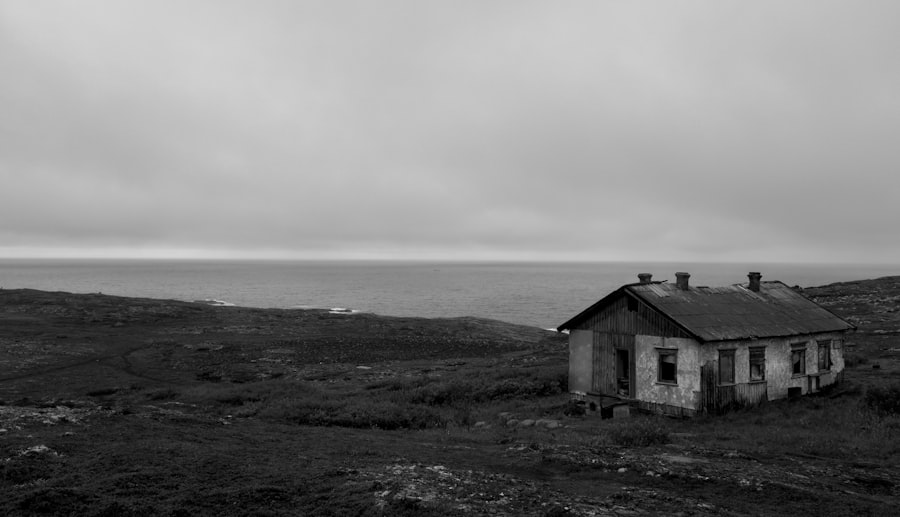
The abandonment of Soviet-era bases in the Arctic is a story marked by neglect and decay. As the geopolitical landscape shifted in the early 1990s, many military installations were left to deteriorate, their once-vibrant communities reduced to crumbling structures and rusting equipment. The withdrawal of personnel and resources led to a rapid decline in maintenance, resulting in an eerie silence that enveloped these ghostly sites.
The isolation of these bases, combined with harsh weather conditions, accelerated their deterioration, transforming them into haunting relics of a past era. The reasons for abandonment were multifaceted. Economic constraints following the collapse of the Soviet Union played a significant role, as funding for remote military outposts dwindled.
As a result, many bases were simply left behind, their histories frozen in time. This abandonment has not only left physical remnants but has also given rise to a rich tapestry of folklore and ghost stories that continue to capture the imagination.
Reports of Hauntings and Paranormal Activity
Reports of hauntings and paranormal activity at these abandoned bases have become a staple of Arctic lore. Former military personnel and explorers have recounted chilling experiences that defy rational explanation. Whispers in the wind, unexplained footsteps echoing through empty halls, and fleeting shadows have all contributed to an atmosphere thick with unease.
The isolation of these locations amplifies the sense of eeriness, as visitors often find themselves alone in vast, desolate spaces where time seems to stand still. One particularly notorious site is the former radar station at Vorkuta, where numerous accounts describe ghostly apparitions and strange noises that unsettle even the most seasoned explorers. The stories often revolve around soldiers who lost their lives during training exercises or accidents, their spirits lingering in a place that once held great significance for them.
These tales have sparked interest from paranormal investigators seeking to uncover the truth behind these spectral encounters.
Theories and Explanations for the Hauntings
| Base Name | Location | Year Established | Status | Purpose | Notable Features |
|---|---|---|---|---|---|
| Drifting Station NP-35 | Arctic Ocean, near North Pole | 1980 | Abandoned | Scientific research and military observation | Floating ice station, periodically relocated |
| Severny Polyus-1 | Franz Josef Land | 1954 | Abandoned | Military radar and early warning | Remote radar installations, now derelict |
| NP-22 | Arctic Ocean | 1970 | Abandoned | Scientific research | Ice station, drifted with ice floes |
| Barneo Ice Camp | Near North Pole | 2002 (seasonal) | Seasonal operation | Tourism and research | Temporary ice camp, annually rebuilt |
| NP-31 | Arctic Ocean | 1983 | Abandoned | Scientific research | Ice station, drifted with ice floes |
Theories surrounding the hauntings at Russian ghost bases in the Arctic range from psychological explanations to more supernatural interpretations. Some researchers suggest that the isolation and harsh conditions can lead to heightened anxiety and paranoia among those who visit these sites. The mind’s tendency to fill in gaps with imagined sounds or sights can create an environment ripe for ghostly encounters.
In this view, what may seem like paranormal activity could simply be a product of human psychology reacting to an eerie setting. Conversely, others argue for a more supernatural explanation, positing that the intense emotions experienced by soldiers during their service may have left an imprint on these locations. The idea that traumatic events can create residual energy is a common theme in paranormal studies.
This perspective suggests that the spirits of those who served at these bases may still linger, bound by their experiences and memories. Whether one leans toward psychological or supernatural explanations, the allure of these ghostly tales continues to captivate those who venture into the Arctic’s icy embrace.
Firsthand Accounts from Former Military Personnel
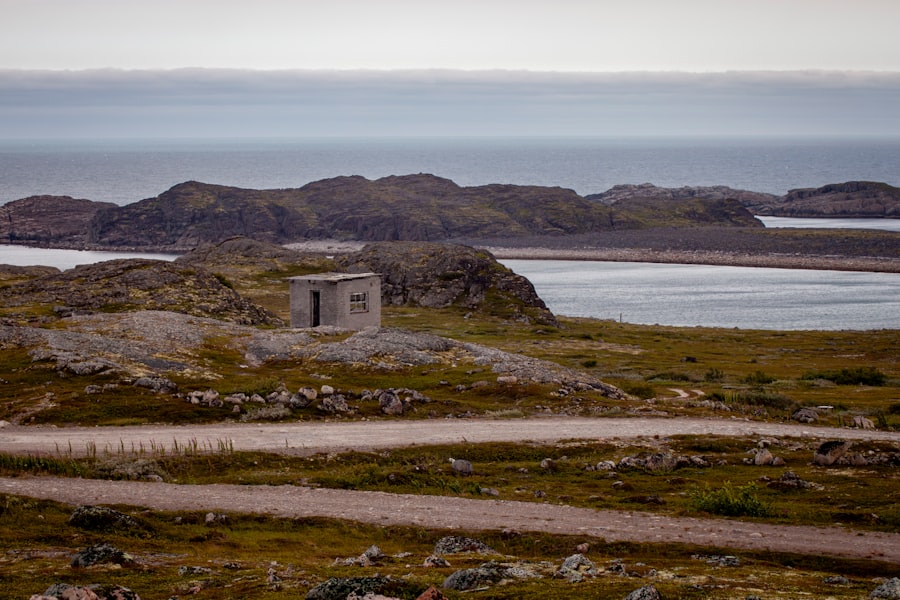
Firsthand accounts from former military personnel provide invaluable insight into life at these Arctic bases and their subsequent abandonment. Many veterans recall their time spent in these remote outposts with a mix of nostalgia and trepidation. They describe a unique camaraderie forged in extreme conditions, where survival depended on teamwork and resilience.
However, they also recount unsettling experiences that have left lasting impressions. One veteran shared his experience at an abandoned base where he encountered strange noises during a routine inspection. He described hearing footsteps behind him when he was alone in a corridor, only to turn around and find nothing but shadows cast by flickering lights.
Such accounts resonate with others who have experienced similar phenomena, creating a shared narrative that blurs the line between reality and myth. These stories not only contribute to the lore surrounding ghost bases but also serve as poignant reminders of the human experiences that unfolded within their walls.
Exploration and Investigation of the Ghost Bases
Exploration and investigation of these ghost bases have become popular pursuits for adventurers and paranormal enthusiasts alike. Armed with cameras and recording equipment, teams venture into these abandoned sites seeking evidence of supernatural activity. The thrill of exploring crumbling structures juxtaposed against breathtaking Arctic landscapes adds an element of excitement to their endeavors.
Investigators often employ various techniques to document their findings, including EVP (Electronic Voice Phenomena) sessions and thermal imaging cameras. Some claim to have captured unexplained voices or anomalies on film, further fueling interest in these ghostly tales. However, skeptics argue that many findings can be attributed to environmental factors or equipment malfunctions rather than genuine paranormal activity.
Regardless of one’s stance on the existence of ghosts, the exploration of these bases offers a unique glimpse into history while igniting curiosity about what lies beyond our understanding.
Cultural and Folklore Impact of the Hauntings
The cultural impact of hauntings at Russian ghost bases extends beyond mere curiosity; it has woven itself into local folklore and narratives surrounding military history. Stories passed down through generations have transformed these sites into symbols of both pride and sorrow. They serve as reminders of sacrifices made by soldiers while also highlighting the mysteries that linger long after their departure.
Folklore surrounding these ghost bases often reflects broader themes found in Russian culture—resilience in adversity, respect for those who served, and an acknowledgment of life’s mysteries. As tales of hauntings circulate among locals and visitors alike, they contribute to a collective memory that honors both history and human experience. This cultural significance ensures that even as physical structures decay, their stories endure.
Environmental and Isolation Factors Contributing to the Hauntings
The environmental conditions inherent to the Arctic play a crucial role in shaping perceptions of hauntings at these ghost bases. The extreme cold, relentless winds, and isolation create an atmosphere that can amplify feelings of unease or fear. Visitors often find themselves grappling with not only physical challenges but also psychological ones as they navigate vast expanses devoid of human presence.
Isolation can lead individuals to confront their own thoughts and fears more acutely than they might in more populated areas. This heightened state of awareness can contribute to experiences interpreted as paranormal activity. Additionally, environmental factors such as shifting ice or creaking structures can create sounds that are easily misinterpreted as ghostly phenomena.
Together, these elements contribute to an environment ripe for haunting narratives.
Current State of the Ghost Bases and Future Plans for Preservation
Today, many Russian ghost bases remain largely untouched by modern development, standing as silent witnesses to history’s passage. While some sites have been subject to limited preservation efforts aimed at maintaining their structural integrity, others continue to deteriorate under harsh Arctic conditions. The future of these bases hangs in a delicate balance between historical preservation and environmental challenges.
There is growing recognition among historians and conservationists regarding the importance of preserving these sites as cultural heritage landmarks. Efforts are underway to document their histories through research initiatives and public awareness campaigns aimed at fostering appreciation for their significance. As interest in Arctic exploration continues to rise, there is hope that these ghost bases will be preserved not only as relics of military history but also as sites where stories—both real and imagined—can continue to be shared.
The Legacy of Russian Ghost Bases in the Arctic
The legacy of Russian ghost bases in the Arctic is one steeped in history, mystery, and cultural significance. These abandoned sites serve as poignant reminders of a time when military ambitions shaped geopolitical landscapes while also giving rise to tales that blur the lines between reality and folklore. As explorers continue to venture into these icy realms seeking answers about hauntings and paranormal activity, they contribute to an ongoing narrative that honors both those who served there and the mysteries that linger long after their departure.
Ultimately, whether viewed through a historical lens or through tales of spectral encounters, these ghost bases encapsulate humanity’s complex relationship with nature—its beauty, its challenges, and its enduring mysteries. As interest grows in preserving these sites for future generations, they will undoubtedly continue to inspire curiosity and wonder about what lies beyond our understanding in this remote corner of the world.
Recent reports have shed light on the mysterious Russian ghost bases in the Arctic, highlighting their strategic significance and the implications for global security. For a deeper understanding of the geopolitical dynamics at play, you can read more in the article available at com/’>In the War Room.
This article delves into the historical context and current developments surrounding these enigmatic installations, providing valuable insights into Russia’s military ambitions in the region.
WATCH THIS! 🎬 America’s Nuclear City Was a Lie: The Russian Base That Made Iceworm Obsolete
FAQs
What are Russian ghost bases in the Arctic?
Russian ghost bases in the Arctic refer to abandoned or decommissioned military and research installations established by the Soviet Union and later Russia. These bases were used for strategic, scientific, and military purposes during the Cold War and beyond but have since been left unused or minimally maintained.
Why were these bases established in the Arctic?
The bases were established to assert Soviet and Russian presence in the Arctic region, conduct scientific research, monitor military activities, and support navigation and resource exploration in the strategically important and resource-rich Arctic.
Where are these ghost bases located?
These bases are scattered across the Russian Arctic, including remote islands and coastal areas such as Franz Josef Land, Novaya Zemlya, and Severnaya Zemlya. Many are situated in harsh, isolated environments.
What is the current condition of these bases?
Many of the ghost bases are in a state of disrepair due to harsh Arctic weather, lack of maintenance, and abandonment. Some structures have deteriorated significantly, while others remain partially intact but unused.
Are these bases still used for any purpose?
While many bases are abandoned, some have been repurposed or intermittently used for scientific research, military exercises, or as staging points for Arctic expeditions. However, the majority remain inactive.
What risks do these ghost bases pose?
Abandoned bases can pose environmental risks due to leftover fuel, chemicals, and other hazardous materials. They also present challenges for Arctic navigation and may be of interest for historical preservation or military monitoring.
Is Russia planning to reactivate or maintain these bases?
Russia has shown increased interest in the Arctic and has been modernizing some military and research facilities. While some ghost bases may be reactivated or replaced, many remain abandoned due to logistical and economic challenges.
How do these bases relate to Arctic geopolitics?
The bases symbolize Russia’s longstanding strategic interest in the Arctic, a region of growing geopolitical importance due to climate change, new shipping routes, and natural resources. Control and presence in the Arctic remain key elements of Russia’s national security and economic policies.
Can the public visit these ghost bases?
Most of these bases are located in remote, restricted, or environmentally sensitive areas, making public access difficult or prohibited. Visits typically require special permits and are usually limited to scientific or military personnel.