During the Cold War, submarines emerged as pivotal instruments of military strategy, serving as both deterrents and offensive platforms in the geopolitical chess game between the United States and the Soviet Union. Their stealthy nature allowed them to operate undetected, making them ideal for covert operations and intelligence gathering. The strategic importance of submarines was underscored by their ability to launch nuclear missiles, which fundamentally altered the balance of power.
As both superpowers expanded their submarine fleets, these vessels became symbols of national pride and technological prowess, representing a significant aspect of their military capabilities. Submarines played a crucial role in the doctrine of Mutually Assured Destruction (MAD), which posited that neither side would initiate a nuclear conflict knowing it would lead to their own annihilation. The presence of nuclear-armed submarines patrolling the oceans provided a second-strike capability, ensuring that even if one side was attacked, it could retaliate with devastating force.
This strategic deterrence was vital in maintaining a tense peace during the Cold War, as both nations sought to avoid direct confrontation while still demonstrating their military might.
Key Takeaways
- Submarines were crucial strategic assets in Cold War military and espionage operations.
- Technological advancements, including nuclear propulsion, significantly enhanced submarine capabilities.
- Submarine involvement was pivotal during key events like the Cuban Missile Crisis.
- Submarine espionage and Arctic operations influenced Cold War intelligence and geopolitical dynamics.
- The legacy of Cold War submarine warfare continues to shape modern naval tactics and environmental considerations.
Development of Submarine Technology during the Cold War
The Cold War era witnessed remarkable advancements in submarine technology, driven by the intense competition between the United States and the Soviet Union. The introduction of nuclear propulsion revolutionized submarine design, allowing vessels to remain submerged for extended periods without the need for surfacing. This technological leap not only enhanced operational capabilities but also increased the range and endurance of submarines, enabling them to patrol vast areas of the world’s oceans undetected.
The development of quieter propulsion systems further improved stealth, making it increasingly difficult for adversaries to track these underwater giants. In addition to propulsion advancements, the Cold War also saw significant improvements in sonar technology and weaponry. Submarines were equipped with sophisticated sonar systems that allowed them to detect enemy vessels from great distances, while advancements in torpedo design increased their lethality and effectiveness.
The introduction of ballistic missile submarines (SSBNs) marked a new era in naval warfare, as these vessels could launch nuclear missiles from underwater, providing a formidable deterrent against potential attacks.
The Cuban Missile Crisis and Submarine Warfare
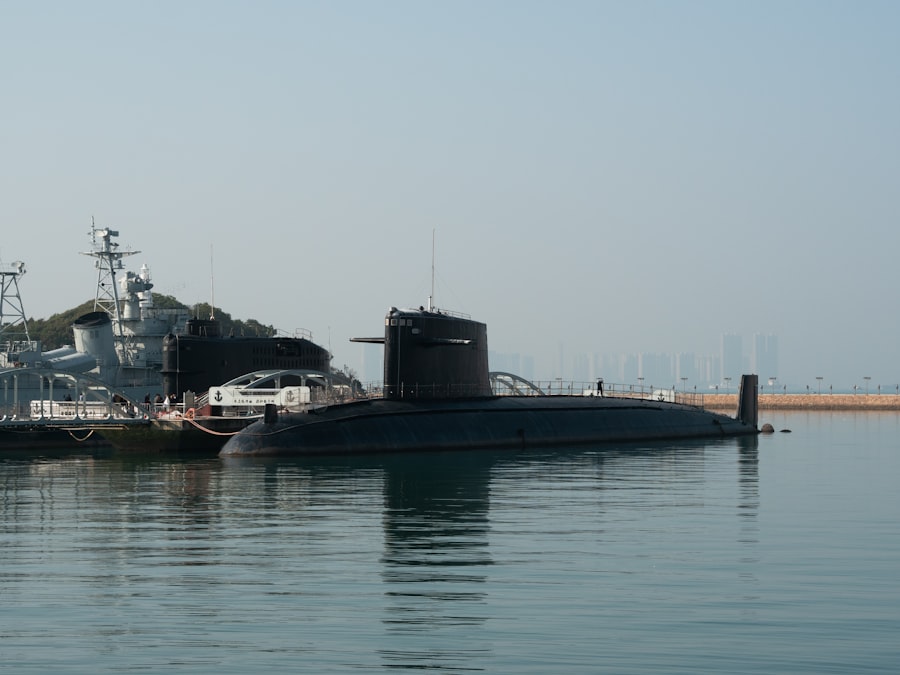
The Cuban Missile Crisis of October 1962 stands as one of the most critical moments in Cold War history, highlighting the role of submarines in high-stakes geopolitical confrontations. During this tense standoff between the United States and the Soviet Union, submarines played a dual role: as platforms for intelligence gathering and as potential launch sites for nuclear weapons. The presence of Soviet submarines in the Caribbean added an additional layer of complexity to an already volatile situation, as both sides grappled with the implications of nuclear escalation.
In the midst of this crisis, U.S. Navy submarines were deployed to monitor Soviet activities and enforce a naval blockade around Cuba. The tension escalated when a Soviet submarine, B-59, found itself surrounded by U.S.
forces and faced with the prospect of being attacked. The commander of B-59 considered launching a nuclear torpedo in response to perceived threats, a decision that could have triggered catastrophic consequences. Ultimately, cooler heads prevailed, and the crisis was resolved through diplomatic negotiations.
This episode underscored the precarious nature of submarine warfare during the Cold War and highlighted how close the world came to nuclear conflict.
The Arms Race and Submarine Warfare
| Aspect | Details | Impact |
|---|---|---|
| Time Period | Late 19th century to World War I (circa 1890-1918) | Marked the buildup of naval power and technological advancements |
| Key Participants | United Kingdom, Germany, United States, France, Japan | Major naval powers competing for dominance |
| Primary Naval Technologies | Dreadnought battleships, submarines (U-boats), torpedoes | Revolutionized naval warfare and strategy |
| Submarine Warfare Tactics | Unrestricted submarine warfare, convoy systems, depth charges | Changed maritime combat and affected civilian shipping |
| Notable Metrics |
|
Demonstrates scale and intensity of naval arms race and submarine impact |
| Consequences | Escalation of naval arms, increased maritime losses, influenced US entry into WWI | Shifted global naval power and warfare norms |
The arms race between the United States and the Soviet Union was characterized by an intense competition to develop superior military capabilities, with submarines playing a central role in this dynamic. Both nations invested heavily in expanding their submarine fleets, leading to a proliferation of advanced vessels designed for various missions, including attack submarines (SSNs) and ballistic missile submarines (SSBNs). This relentless pursuit of naval superiority not only shaped military strategies but also had profound implications for international relations.
As each superpower sought to outpace the other, submarine warfare became a focal point for technological innovation. The introduction of advanced missile systems, such as the U.S. Polaris and later Trident missiles, transformed SSBNs into formidable deterrents capable of striking targets across continents.
Meanwhile, Soviet submarines were equipped with their own advanced missile systems, creating a tense environment where both sides were acutely aware of each other’s capabilities. This arms race extended beyond mere numbers; it involved sophisticated strategies aimed at countering each other’s strengths while exploiting weaknesses.
The Role of Submarine Espionage in the Cold War
Submarine espionage emerged as a critical component of intelligence-gathering efforts during the Cold War, with both superpowers utilizing their underwater fleets to gather information on each other’s military activities. Submarines were uniquely positioned to conduct covert operations, often operating in enemy waters undetected while collecting vital intelligence on naval movements and capabilities.
One notable example of submarine espionage occurred with the U.S. Navy’s Project Jennifer, which aimed to recover a sunken Soviet submarine in the Pacific Ocean. Utilizing advanced technology and covert operations, U.S.
submarines were able to locate and retrieve crucial components from the wreckage, providing valuable insights into Soviet submarine technology. Such operations underscored the importance of submarines not only as platforms for launching attacks but also as tools for gathering intelligence that could inform military strategies and diplomatic negotiations.
Submarine Operations in the Arctic during the Cold War
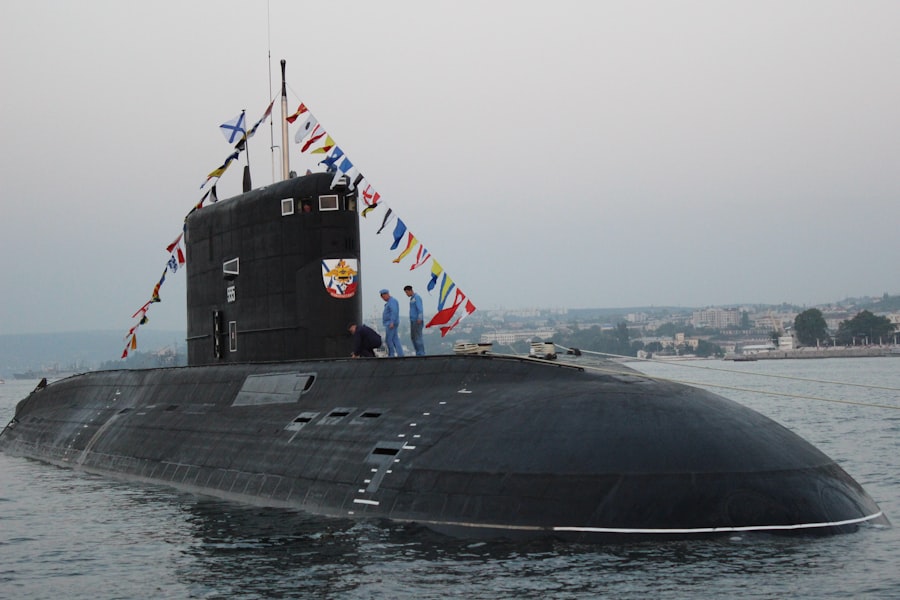
The Arctic region became a focal point for submarine operations during the Cold War, as both superpowers sought to assert their dominance over this strategically important area. The unique geography of the Arctic presented both challenges and opportunities for submarine warfare, with vast expanses of ice and frigid waters complicating navigation while also providing cover for stealthy operations. As tensions escalated between the United States and the Soviet Union, Arctic waters became a battleground for demonstrating naval capabilities.
U.S. Navy submarines conducted numerous missions in Arctic waters, often testing their endurance and operational capabilities under extreme conditions. These operations not only showcased technological advancements but also served as a means of asserting control over vital shipping routes and natural resources in the region.
Similarly, Soviet submarines operated extensively in Arctic waters, conducting patrols and exercises designed to project power and deter potential adversaries. The competition for dominance in this remote region highlighted the strategic significance of submarines in shaping Cold War dynamics.
The Impact of Submarine Warfare on Geopolitics during the Cold War
Submarine warfare had far-reaching implications for geopolitics during the Cold War, influencing diplomatic relations and shaping military strategies on both sides. The presence of nuclear-armed submarines created a delicate balance of power that deterred direct conflict while simultaneously fostering an environment of mistrust and suspicion. As each superpower sought to demonstrate its military capabilities through submarine deployments and exercises, tensions often escalated, leading to crises that tested diplomatic relations.
The strategic importance of submarines extended beyond mere military considerations; they became symbols of national identity and technological prowess. The development and deployment of advanced submarine fleets were often accompanied by propaganda efforts aimed at showcasing military strength to domestic audiences and potential adversaries alike. This interplay between military capability and public perception underscored how submarine warfare influenced not only military strategy but also broader geopolitical narratives during this tumultuous period.
The Evolution of Submarine Tactics and Strategies during the Cold War
As submarine technology advanced throughout the Cold War, so too did tactics and strategies employed by both superpowers. The evolution from conventional diesel-electric submarines to nuclear-powered vessels marked a significant shift in operational approaches, allowing for longer missions and greater flexibility in deployment. This transformation necessitated new tactics that capitalized on enhanced stealth capabilities while also addressing emerging threats posed by advanced anti-submarine warfare technologies.
Submarines increasingly adopted asymmetric tactics designed to exploit vulnerabilities in enemy defenses. For instance, U.S. Navy attack submarines developed strategies focused on stealthy approaches to enemy vessels while employing advanced sonar systems for detection and targeting.
Similarly, Soviet submarines adapted their tactics to counter U.S. anti-submarine efforts, employing decoys and electronic warfare measures to evade detection. This ongoing evolution reflected not only technological advancements but also an adaptive response to changing geopolitical realities.
The Legacy of Submarine Warfare in the Post-Cold War Era
The legacy of submarine warfare during the Cold War continues to shape naval strategies in the post-Cold War era. As new threats emerged in a rapidly changing global landscape, navies around the world recognized the enduring relevance of submarines as versatile platforms capable of conducting a wide range of missions. The lessons learned from Cold War submarine operations informed contemporary strategies focused on deterrence, intelligence gathering, and power projection.
Moreover, advancements in technology have further enhanced submarine capabilities since the end of the Cold War. Modern submarines are equipped with cutting-edge sensors and weaponry that enable them to operate effectively in diverse environments while maintaining stealthy profiles. As nations navigate complex security challenges ranging from regional conflicts to counterterrorism efforts, submarines remain integral components of naval forces worldwide.
The Environmental Impact of Submarine Warfare during the Cold War
While submarine warfare played a significant role in shaping military strategies during the Cold War, it also had notable environmental consequences that warrant consideration. The construction and operation of submarines often involved substantial resource consumption and pollution generation, raising concerns about their ecological footprint. Additionally, incidents involving nuclear-powered submarines posed risks related to radioactive contamination in marine environments.
The disposal of decommissioned submarines presented another environmental challenge during this period. Many aging vessels were left to deteriorate in oceans or disposed of improperly, leading to potential leaks of hazardous materials into marine ecosystems. As awareness grew regarding environmental issues associated with military activities, discussions surrounding sustainable practices began to emerge within naval circles.
The Future of Submarine Warfare in the 21st Century
Looking ahead to the 21st century, submarine warfare is poised to evolve further in response to emerging technologies and shifting geopolitical dynamics. As nations continue to invest in advanced naval capabilities, submarines will likely play an increasingly prominent role in addressing contemporary security challenges such as cyber warfare, anti-access/area denial strategies, and hybrid threats posed by non-state actors. The integration of artificial intelligence (AI) and unmanned systems into submarine operations holds great promise for enhancing situational awareness and decision-making processes.
These advancements may enable submarines to operate more autonomously while reducing risks associated with human error during complex missions. As global power dynamics continue to shift, understanding how these developments will shape future submarine warfare will be crucial for policymakers and military strategists alike. In conclusion, submarines have played an indispensable role throughout history—particularly during the Cold War—shaping military strategies while influencing geopolitical landscapes across decades.
Their legacy endures today as nations navigate an increasingly complex security environment characterized by rapid technological advancements and evolving threats on multiple fronts.
Submarine warfare played a crucial role during the Cold War, as both the United States and the Soviet Union developed advanced underwater technologies to gain strategic advantages. For a deeper understanding of this fascinating aspect of military history, you can read more in the article available at this link. This article explores the evolution of submarine tactics and the impact they had on naval strategy during this tense period.
WATCH THIS! The Billion-Dollar Whisper: How One KGB Mole Made Every Soviet Submarine Visible
FAQs
What was the role of submarines during the Cold War?
Submarines played a critical role in the Cold War as strategic weapons platforms, primarily for nuclear deterrence. Both the United States and the Soviet Union developed fleets of nuclear-powered submarines capable of launching ballistic missiles, ensuring a second-strike capability in the event of a nuclear conflict.
When did submarine warfare become significant in the Cold War?
Submarine warfare became particularly significant in the early Cold War period, starting in the late 1940s and early 1950s, as both superpowers invested heavily in nuclear-powered submarines and missile technology to maintain strategic balance.
What types of submarines were most important during the Cold War?
The most important types of submarines during the Cold War were ballistic missile submarines (SSBNs), which carried nuclear missiles, and attack submarines (SSNs), which were designed to hunt enemy submarines and surface ships.
How did submarine technology evolve during the Cold War?
Submarine technology advanced rapidly during the Cold War, including the development of nuclear propulsion, improved sonar and stealth capabilities, and the integration of submarine-launched ballistic missiles (SLBMs), which greatly enhanced their strategic value.
Were there any notable submarine incidents during the Cold War?
Yes, several notable incidents occurred, including the sinking of the Soviet submarine K-219 in 1986, the capture of the USS Pueblo by North Korea in 1968, and the detection and tracking of Soviet submarines by NATO forces, which sometimes led to tense confrontations.
How did submarine warfare impact Cold War naval strategy?
Submarine warfare significantly influenced naval strategy by emphasizing stealth, surveillance, and deterrence. The presence of nuclear-armed submarines ensured mutual assured destruction (MAD), which was a cornerstone of Cold War deterrence strategy.
Did submarine warfare during the Cold War involve direct combat?
Direct combat between submarines was rare during the Cold War, as the conflict was primarily ideological and strategic rather than conventional. Most submarine operations focused on intelligence gathering, surveillance, and maintaining deterrence rather than engaging in open warfare.
What was the significance of the SOSUS system in Cold War submarine warfare?
The Sound Surveillance System (SOSUS) was a network of underwater listening posts used by the United States to detect and track Soviet submarines. It played a crucial role in anti-submarine warfare by providing early warning and tracking capabilities.
How did submarine warfare end with the conclusion of the Cold War?
With the end of the Cold War in the early 1990s, submarine fleets were reduced, and many nuclear submarines were decommissioned or repurposed. However, submarine technology and strategic roles continue to evolve in the post-Cold War era.