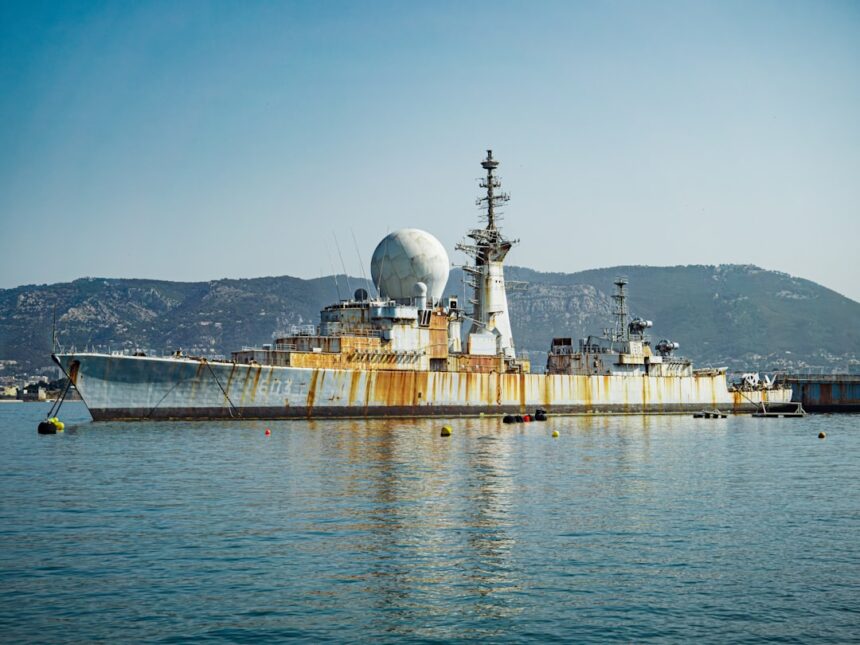
The Cold War, a period marked by geopolitical tension between the United States and the Soviet Union, saw the emergence of sophisticated naval intelligence operations that would shape maritime strategy for decades. Following World War II, the world was divided into two ideological camps, and the oceans became battlegrounds for influence and power. The United States recognized the necessity of a robust naval intelligence apparatus to counter the Soviet threat, leading to the establishment of various intelligence-gathering organizations within the Navy.
This marked a significant evolution from traditional naval operations, as the focus shifted from mere combat readiness to a comprehensive understanding of enemy capabilities and intentions. As tensions escalated, naval intelligence operations became increasingly vital.
S.
Navy began to invest heavily in technology and personnel dedicated to intelligence gathering. This included the development of advanced radar systems, sonar technology, and satellite reconnaissance capabilities. The birth of these operations was not merely a response to Soviet actions but also a proactive measure to ensure that the United States maintained its maritime superiority.
The establishment of organizations such as the Office of Naval Intelligence (ONI) played a crucial role in this transformation, laying the groundwork for a new era of naval warfare where information would be as critical as firepower.
Key Takeaways
- Cold War naval intelligence was crucial in monitoring and countering Soviet maritime threats.
- Submarine tracking and covert sea operations were key components of intelligence efforts.
- Advanced surveillance, reconnaissance, and communication interception technologies were extensively used.
- Naval special forces played a significant role in executing intelligence missions and espionage.
- Declassified information reveals the profound impact of naval intelligence on Cold War politics and legacy.
The Role of Naval Intelligence in the Cold War
Naval intelligence during the Cold War served as a cornerstone for strategic decision-making and military planning. It provided essential insights into Soviet naval capabilities, fleet movements, and technological advancements. The U.S.
This intelligence was not limited to surface vessels; submarines, particularly nuclear-powered ones, became a focal point of concern. The U.S. Navy’s understanding of Soviet submarine technology and tactics was crucial in shaping its own naval strategies. Moreover, naval intelligence played a significant role in international diplomacy. The information gathered by naval operatives often informed high-level discussions between U.S. leaders and their allies. By understanding the Soviet Union’s maritime ambitions, the United States could engage in negotiations from a position of strength. This intelligence-driven approach helped to prevent conflicts from escalating into full-scale wars, as it allowed for informed decision-making during critical moments in history, such as the Cuban Missile Crisis.
The Hunt for Soviet Submarines
One of the most pressing challenges for U.S. naval intelligence during the Cold War was the hunt for Soviet submarines. The introduction of nuclear submarines revolutionized naval warfare, providing the Soviet Union with a formidable second-strike capability.
As these submarines could operate undetected for extended periods, they posed a significant threat to U.S. naval forces and national security. Consequently, the U.S.
Navy invested heavily in anti-submarine warfare (ASW) technologies and strategies to locate and track these elusive vessels. The hunt for Soviet submarines involved a combination of advanced technology and human intelligence. Sonar systems were developed to detect underwater sounds, while aircraft equipped with sophisticated sensors patrolled vast ocean expanses.
Additionally, intelligence operatives gathered information from various sources, including defectors and intercepted communications. This multifaceted approach allowed the U.S. Navy to develop a clearer picture of Soviet submarine operations, leading to more effective countermeasures and strategies.
Covert Operations and Espionage at Sea
| Operation Name | Year | Location | Objective | Method | Outcome | Notable Equipment |
|---|---|---|---|---|---|---|
| Operation Ivy Bells | 1970s | Bering Sea | Wiretapping Soviet underwater communication cables | Submarine deployment of tapping devices | Successful intelligence gathering for several years | USS Halibut (SSN-587), tapping pods |
| Operation Neptune Spear | 2011 | Arabian Sea | Capture/kill Osama bin Laden | Stealth helicopter insertion from naval vessels | Target eliminated, mission success | Stealth Black Hawk helicopters, USS Carl Vinson |
| Operation Ivy Bells | 1970s | Bering Sea | Wiretapping Soviet underwater communication cables | Submarine deployment of tapping devices | Successful intelligence gathering for several years | USS Halibut (SSN-587), tapping pods |
| Operation Mincemeat | 1943 | Atlantic Ocean | Deception to mislead Axis about Allied invasion plans | Planting false documents on a corpse | Successful diversion of enemy forces | Deception props, corpse with documents |
| Operation Ivy Bells | 1970s | Bering Sea | Wiretapping Soviet underwater communication cables | Submarine deployment of tapping devices | Successful intelligence gathering for several years | USS Halibut (SSN-587), tapping pods |
Covert operations became an integral part of naval intelligence during the Cold War, with missions designed to gather information or disrupt enemy activities without direct confrontation. These operations often involved small teams of operatives who would infiltrate enemy waters or conduct surveillance on Soviet vessels. The clandestine nature of these missions required careful planning and execution, as any misstep could lead to international incidents or loss of life.
Espionage at sea also extended to technological advancements. The U.S. Navy sought to acquire information on Soviet naval technology through various means, including espionage against defense contractors and research institutions.
This pursuit of knowledge was not limited to human intelligence; it also involved capturing or salvaging enemy equipment that could provide insights into Soviet capabilities. Such operations underscored the lengths to which both superpowers would go to gain an advantage in the maritime domain.
The Use of Naval Surveillance and Reconnaissance
Naval surveillance and reconnaissance were pivotal components of Cold War naval intelligence operations. The U.S. Navy employed a range of platforms, including aircraft, ships, and satellites, to monitor Soviet activities across the globe.
These surveillance efforts were not only focused on tracking enemy vessels but also on gathering intelligence on shore installations, missile sites, and naval bases. The advent of satellite technology revolutionized reconnaissance capabilities during this period. Satellites provided real-time imagery and data that could be analyzed for strategic insights.
This technological leap allowed naval intelligence to maintain a constant watch over potential adversaries, ensuring that any significant developments were promptly reported to military leaders. The integration of aerial reconnaissance with satellite data created a comprehensive picture of Soviet maritime operations, enhancing the U.S. Navy’s ability to respond effectively to emerging threats.
Decoding and Intercepting Communications
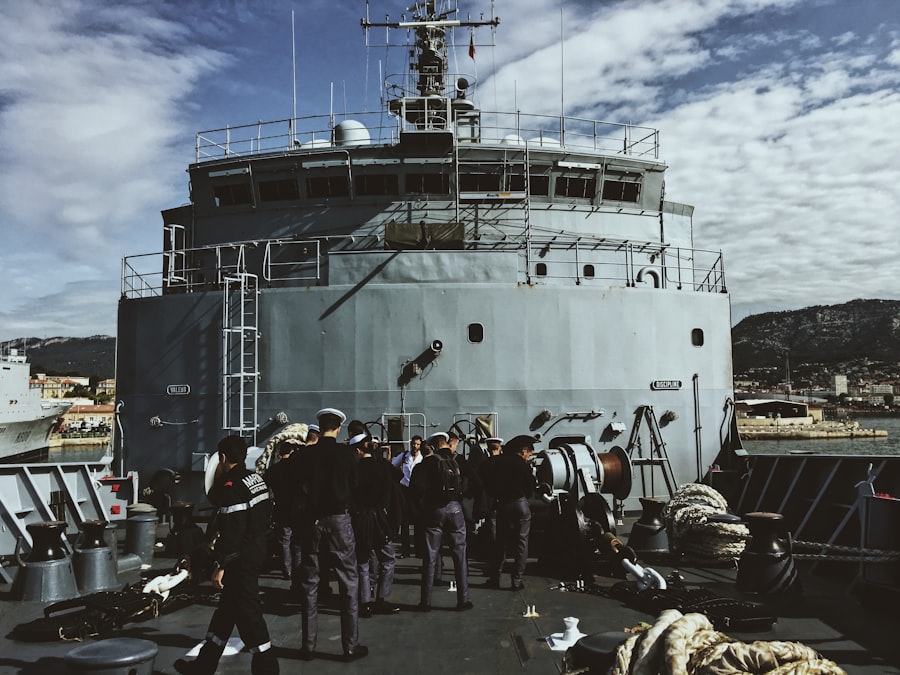
The interception and decoding of communications were critical aspects of Cold War naval intelligence operations. Both superpowers engaged in extensive electronic eavesdropping to gather information about each other’s naval strategies and intentions. The U.S. Navy developed sophisticated signals intelligence (SIGINT) capabilities that allowed it to intercept radio transmissions, radar signals, and other forms of communication used by Soviet forces. Decoding these communications was a complex task that required skilled analysts who could decipher encrypted messages and understand technical jargon specific to naval operations. The insights gained from intercepted communications often provided invaluable information about Soviet fleet movements, operational plans, and even internal discussions among military leaders. This intelligence not only informed U.S. military strategy but also contributed to broader geopolitical analyses that shaped diplomatic relations during the Cold War.
The Role of Naval Special Forces in Intelligence Operations
Naval special forces played a crucial role in Cold War naval intelligence operations, conducting missions that required specialized skills and training. Units such as the Navy SEALs were often tasked with gathering intelligence in hostile environments or conducting covert operations against enemy assets at sea. Their unique capabilities allowed them to operate behind enemy lines, providing critical information that traditional naval forces could not obtain.
These special forces were involved in various missions, including reconnaissance, sabotage, and direct action against enemy vessels or installations. Their ability to operate discreetly made them invaluable assets in the broader context of naval intelligence operations. By leveraging their expertise in unconventional warfare, they contributed significantly to the U.S.
Navy’s understanding of Soviet maritime activities while simultaneously disrupting enemy operations.
The Cat and Mouse Game of Cold War Naval Intelligence
The Cold War was characterized by a relentless cat-and-mouse game between U.S. and Soviet naval forces, with each side striving to outmaneuver the other through intelligence operations. This dynamic created an environment where deception and counter-deception became essential elements of naval strategy.
Both superpowers employed various tactics to mislead their adversaries while simultaneously seeking to uncover their intentions. Naval exercises often served as opportunities for both sides to test their intelligence capabilities against one another. These exercises were designed not only to demonstrate military strength but also to gather information about enemy tactics and responses.
As each side sought to gain an upper hand, the stakes grew higher, leading to increasingly sophisticated methods of intelligence gathering and counterintelligence efforts.
The Impact of Naval Intelligence on Cold War Politics
The influence of naval intelligence extended beyond military strategy; it significantly impacted Cold War politics as well. The information gathered by naval operatives often shaped diplomatic negotiations and international relations between superpowers and their allies. For instance, during crises such as the Cuban Missile Crisis, accurate intelligence about Soviet missile deployments played a crucial role in informing U.S.
responses and strategies. Moreover, naval intelligence contributed to public perceptions of national security threats during this period. Reports on Soviet naval capabilities were often used by policymakers to justify military spending or strategic initiatives aimed at countering perceived threats.
This interplay between intelligence assessments and political decision-making underscored the importance of accurate information in shaping national security policies during the Cold War.
The Legacy of Cold War Naval Intelligence Operations
The legacy of Cold War naval intelligence operations continues to resonate in contemporary military strategy and intelligence practices. The lessons learned during this period laid the groundwork for modern naval warfare, emphasizing the importance of information superiority in achieving strategic objectives. The technological advancements developed during this time have also influenced current naval capabilities, with many systems still in use today.
Furthermore, the experiences gained from Cold War naval intelligence operations have informed contemporary approaches to maritime security challenges. As new threats emerge in an increasingly complex global landscape, understanding historical precedents allows military leaders to adapt strategies effectively while leveraging lessons learned from past conflicts.
Declassified Secrets: Revealing Cold War Naval Intelligence Missions
In recent years, declassified documents have shed light on previously hidden aspects of Cold War naval intelligence missions, revealing the extent of operations conducted by both superpowers at sea. These revelations have provided historians and analysts with valuable insights into the strategies employed during this tumultuous period in history. The declassification process has unveiled numerous covert missions that highlight the risks taken by operatives in pursuit of critical information about enemy activities.
These documents not only illuminate specific operations but also underscore the broader context in which these missions occurred—an era defined by secrecy, competition, and an ever-present threat of conflict between two nuclear superpowers. In conclusion, Cold War naval intelligence operations played a pivotal role in shaping maritime strategy during a time of intense geopolitical rivalry between the United States and the Soviet Union. From the birth of sophisticated intelligence-gathering organizations to covert operations at sea, these efforts laid the foundation for modern naval warfare while influencing political dynamics on a global scale.
As historians continue to uncover declassified secrets from this era, the legacy of these operations remains relevant today, reminding us of the critical importance of information in maintaining national security amidst evolving threats.
Cold War naval intelligence operations played a crucial role in shaping the strategies and outcomes of various conflicts during that era. For a deeper understanding of the intricacies involved in these operations, you can explore the article on naval strategies and intelligence at this link. This resource provides valuable insights into the tactics employed by naval forces and the intelligence-gathering methods that were pivotal during the Cold War.
WATCH THIS! The Billion-Dollar Whisper: How One KGB Mole Made Every Soviet Submarine Visible
FAQs
What were Cold War naval intelligence operations?
Cold War naval intelligence operations involved the collection, analysis, and dissemination of information related to naval activities between the United States, the Soviet Union, and their respective allies. These operations aimed to monitor enemy fleet movements, technological developments, and strategic intentions during the Cold War period (approximately 1947-1991).
Which countries were primarily involved in Cold War naval intelligence?
The primary countries involved in Cold War naval intelligence were the United States and the Soviet Union. However, other NATO members and Warsaw Pact countries also participated in intelligence gathering and counterintelligence efforts related to naval operations.
What methods were used in Cold War naval intelligence gathering?
Methods included electronic surveillance (SIGINT), signals interception, reconnaissance by submarines and aircraft, satellite imagery, human intelligence (HUMINT), and code-breaking efforts. Naval vessels often shadowed enemy ships to gather information on their capabilities and tactics.
Why was naval intelligence important during the Cold War?
Naval intelligence was crucial for maintaining strategic balance and deterrence. It helped both sides understand the opponent’s naval strength, submarine deployments, missile capabilities, and potential threats to sea lanes and coastal regions, thereby informing military planning and diplomatic negotiations.
What role did submarines play in Cold War naval intelligence?
Submarines were key assets for covert intelligence operations. They conducted surveillance missions, tapped undersea communication cables, tracked enemy submarines, and gathered acoustic data. Their stealth capabilities made them ideal for gathering sensitive information without detection.
How did technology impact Cold War naval intelligence?
Advancements in sonar, radar, cryptography, satellite reconnaissance, and electronic warfare significantly enhanced naval intelligence capabilities. These technologies allowed for more precise tracking of enemy vessels, interception of communications, and improved analysis of naval operations.
Were there any notable Cold War naval intelligence incidents?
Yes, several incidents stand out, such as the capture of the Soviet submarine U-137 (S-363) in Swedish waters in 1981, and the U.S. Navy’s efforts to monitor Soviet ballistic missile submarines. These events highlighted the risks and strategic importance of naval intelligence during the Cold War.
How did Cold War naval intelligence operations end?
Naval intelligence operations evolved with the end of the Cold War in 1991. While the intense rivalry diminished, many intelligence practices continued in modified forms to address new global security challenges, including regional conflicts and terrorism.