The Cold War, a period marked by intense geopolitical tension between the United States and the Soviet Union, was characterized by an unprecedented arms race that spanned several decades. This competition was not merely about the accumulation of nuclear weapons; it extended into various military technologies, including conventional forces, missile systems, and naval capabilities. Both superpowers sought to outdo each other, leading to a relentless pursuit of advanced weaponry and military strategies.
The stakes were high, as each side aimed to establish dominance and deter the other from any aggressive actions that could lead to a catastrophic conflict. As the Cold War progressed, the arms race evolved into a complex web of espionage, technological innovation, and strategic posturing. The development of nuclear submarines became a focal point in this competition, as they offered stealth and mobility that traditional surface vessels could not match.
The United States and the Soviet Union invested heavily in their respective naval programs, leading to significant advancements in submarine technology.
Key Takeaways
- The Cold War spurred intense competition in submarine stealth technology between the US and the Soviet Union.
- Soviet efforts to develop stealthy submarines faced significant technical failures, exemplified by incidents like the K-129 sinking.
- These technological shortcomings weakened Soviet naval power and led to costly hunts for lost submarine wrecks.
- The debacle influenced modern submarine design by highlighting the importance of reliable stealth capabilities.
- Political repercussions from the failures affected Soviet military strategy and shaped the future of underwater warfare.
The Development of Soviet Submarine Stealth Technology
In response to the growing capabilities of the U.S. Navy, the Soviet Union recognized the need to enhance its submarine fleet’s stealth technology. The Soviets aimed to develop submarines that could operate undetected in enemy waters, allowing them to launch surprise attacks or gather intelligence without being compromised.
This led to significant investments in research and development, focusing on reducing noise levels, improving hull designs, and utilizing advanced materials that could absorb sonar waves. The Soviet approach to submarine stealth was multifaceted. Engineers experimented with various propulsion systems, including nuclear power, which provided greater range and speed while minimizing the acoustic signature.
Additionally, the Soviets explored innovative hull shapes and coatings designed to deflect sonar signals.
The emphasis on stealth technology reflected a broader strategic vision within the Soviet military, aiming to project power while maintaining an element of surprise.
The K-129 Incident
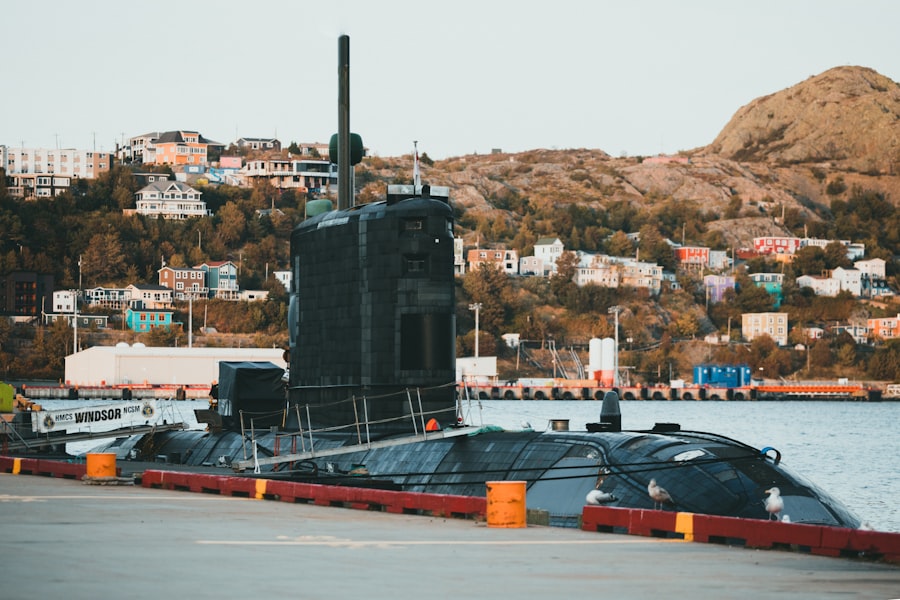
The K-129 incident stands as one of the most enigmatic events during the Cold War, highlighting both the ambitions and vulnerabilities of Soviet submarine operations. In March 1968, the K-129, a Golf-class submarine armed with ballistic missiles, sank in the Pacific Ocean under mysterious circumstances. The loss of this submarine not only represented a significant blow to Soviet naval capabilities but also raised questions about the effectiveness of their stealth technology.
The U.S. Navy’s subsequent efforts to locate and recover the wreckage underscored the strategic importance of this incident. The U.S.
intelligence community became acutely aware of the K-129’s disappearance and its potential implications for national security. In a covert operation known as Project Azorian, the CIA undertook an ambitious plan to recover the submarine from its resting place on the ocean floor. Utilizing a specially designed ship called the Hughes Glomar Explorer, the operation aimed to retrieve sensitive materials and technology that could provide insights into Soviet naval capabilities.
The K-129 incident not only revealed the risks associated with submarine operations but also illustrated the lengths to which both superpowers would go to gain an advantage in underwater warfare.
The Failures of Soviet Submarine Stealth Technology
| Metric | Description | Impact on Stealth | Example/Incident |
|---|---|---|---|
| Acoustic Signature | Noise generated by machinery and hull design | High noise levels made detection by sonar easier | K-219 incident, detected due to loud engine noise |
| Hull Design | Shape and materials used in submarine construction | Less hydrodynamic and noisier compared to Western designs | Typhoon-class submarines had bulky hulls increasing noise |
| Propulsion System | Type and efficiency of engines and propellers | Older reactor and propeller designs caused cavitation noise | Echo-class submarines were notably noisy |
| Sonar Countermeasures | Technologies to evade or confuse enemy sonar | Less advanced, limited ability to avoid detection | Limited deployment of anechoic tiles compared to NATO |
| Operational Depth | Maximum safe diving depth | Shallower depths increased vulnerability to detection | Delta-class had deeper diving capabilities but still noisy |
| Maintenance and Upkeep | Regular servicing to reduce noise and improve stealth | Poor maintenance increased mechanical noise and failures | Frequent breakdowns during Cold War patrols |
Despite significant investments in stealth technology, the Soviet Union faced numerous challenges that ultimately hindered its effectiveness in submarine operations. One of the primary issues was the inherent complexity of developing reliable stealth systems that could consistently evade detection by advanced sonar technologies employed by adversaries. While some Soviet submarines achieved notable advancements in noise reduction and hull design, many still struggled with operational limitations that compromised their stealth capabilities.
Moreover, internal bureaucratic inefficiencies within the Soviet military-industrial complex often led to delays and subpar quality control in submarine production. As a result, some submarines were equipped with outdated technology or suffered from design flaws that rendered them vulnerable during critical missions. These failures not only impacted individual submarine performance but also raised broader questions about the overall effectiveness of Soviet naval strategy during the Cold War.
The Impact on Soviet Naval Power
The shortcomings in Soviet submarine stealth technology had profound implications for the overall strength of the Soviet Navy. As the United States continued to refine its own submarine capabilities, including advancements in anti-submarine warfare (ASW) technologies, the balance of power began to shift. The inability of Soviet submarines to operate undetected diminished their deterrent effect and limited their operational flexibility in key maritime regions.
Furthermore, these technological setbacks contributed to a growing sense of vulnerability within Soviet naval leadership. As U.S. submarines increasingly patrolled strategic waters with greater confidence, Soviet commanders faced mounting pressure to adapt their strategies and improve their fleet’s capabilities.
This dynamic not only influenced naval doctrine but also prompted a reevaluation of resource allocation within the Soviet military establishment.
The Hunt for Soviet Submarine Wrecks

In the aftermath of incidents like K-129, both American and Soviet naval forces became increasingly interested in locating and studying submarine wrecks. The search for these underwater relics was driven by a desire to understand past failures and successes in submarine technology and tactics. For the United States, recovering wrecks like K-129 offered an opportunity to glean insights into Soviet engineering practices and operational strategies.
The hunt for these wrecks was fraught with challenges, as deep-sea exploration required advanced technology and significant resources. However, successful recoveries provided valuable intelligence that informed future naval developments on both sides. The lessons learned from examining these wrecks contributed to advancements in submarine design and operational tactics, shaping the trajectory of underwater warfare for years to come.
The Legacy of the Soviet Submarine Stealth Technology Debacle
The legacy of the Soviet submarine stealth technology debacle is multifaceted, encompassing both technological lessons and strategic implications for future naval operations. While the initial ambitions behind developing advanced stealth systems were commendable, the failures encountered along the way served as cautionary tales for subsequent generations of military planners and engineers. The inability to achieve consistent stealth capabilities highlighted the importance of rigorous testing and quality control in defense procurement processes.
Moreover, this legacy extends beyond mere technological considerations; it also reflects broader themes of competition and innovation during the Cold War era. The lessons learned from Soviet experiences with submarine stealth technology continue to resonate today as nations strive to develop advanced underwater capabilities while navigating complex geopolitical landscapes.
Lessons Learned from the Soviet Submarine Stealth Technology Debacle
The challenges faced by Soviet submarine stealth technology offer several critical lessons for contemporary military strategists and defense planners. First and foremost is the recognition that technological superiority alone does not guarantee success in military operations. Effective integration of new technologies into existing frameworks requires careful planning, testing, and adaptation based on real-world conditions.
Additionally, collaboration between different branches of military services can enhance overall effectiveness in developing complex systems like submarines. The failures experienced by the Soviets underscore the importance of fostering communication between engineers, operators, and decision-makers throughout the development process. By learning from past mistakes, modern militaries can better position themselves to navigate future challenges in underwater warfare.
The Influence on Modern Submarine Technology
The evolution of submarine technology has been significantly influenced by both successes and failures experienced during the Cold War era. Today’s submarines incorporate advanced materials, propulsion systems, and stealth technologies that reflect lessons learned from historical precedents like those encountered by the Soviets. Modern submarines are designed with an emphasis on reducing noise levels while enhancing maneuverability and operational range.
Furthermore, contemporary naval strategies increasingly prioritize multi-domain operations that integrate air, land, sea, and cyber capabilities. This holistic approach recognizes that underwater warfare is just one component of broader military engagements. As nations continue to invest in advanced submarine technologies, they must remain vigilant against emerging threats while adapting to evolving geopolitical dynamics.
The Political Fallout of the Soviet Submarine Stealth Technology Debacle
The political ramifications of the Soviet submarine stealth technology debacle were profound, influencing both domestic policies within the USSR and international relations during the latter stages of the Cold War. Internally, failures in submarine development prompted scrutiny from political leaders who demanded accountability from military officials responsible for procurement decisions. This scrutiny often led to shifts in leadership within defense ministries as officials sought to address perceived shortcomings.
On an international scale, these technological setbacks contributed to a growing perception of vulnerability within Soviet naval power. As U.S. naval capabilities advanced, allies began reassessing their own defense postures in light of perceived shifts in balance between superpowers.
This dynamic further complicated diplomatic relations during an already tense period marked by arms control negotiations and proxy conflicts around the globe.
The Future of Underwater Warfare
Looking ahead, underwater warfare is poised to evolve rapidly as nations continue to invest in advanced technologies that redefine naval capabilities. Innovations such as unmanned underwater vehicles (UUVs), artificial intelligence (AI), and enhanced sensor systems are reshaping how militaries approach maritime operations. These developments promise greater situational awareness while minimizing risks associated with manned missions.
Moreover, as geopolitical tensions persist across various regions worldwide, underwater warfare will likely play an increasingly central role in national defense strategies. Nations must remain vigilant against emerging threats while adapting their approaches based on historical lessons learned from past experiences like those encountered during the Cold War era’s submarine stealth technology debacle. In conclusion, understanding both successes and failures related to submarine technology provides valuable insights into contemporary military strategy while informing future developments within this critical domain of warfare.
The failure of Soviet submarine stealth technology has been a topic of significant interest among military historians and analysts. A related article that delves into the intricacies of this subject can be found on In The War Room, which discusses the implications of these technological shortcomings on naval warfare strategies. For more insights, you can read the article [here](https://www.inthewarroom.com/).
WATCH THIS! The Billion-Dollar Whisper: How One KGB Mole Made Every Soviet Submarine Visible
FAQs
What was the primary goal of Soviet submarine stealth technology?
The primary goal of Soviet submarine stealth technology was to reduce the acoustic and electromagnetic signatures of their submarines, making them harder to detect by enemy sonar and radar systems.
Why did Soviet submarine stealth technology fail?
Soviet submarine stealth technology failed due to a combination of factors including outdated design principles, inferior materials, inadequate noise reduction techniques, and less advanced sonar-absorbing coatings compared to Western counterparts.
How did the failure of stealth technology impact Soviet submarine operations?
The failure of stealth technology made Soviet submarines more detectable by NATO forces, reducing their effectiveness in covert operations and increasing the risk of being tracked or targeted during the Cold War.
Were there any specific Soviet submarine classes affected by stealth technology failures?
Yes, several Soviet submarine classes, such as the early models of the Victor and Alfa classes, exhibited higher noise levels and were more easily detected, highlighting the limitations of their stealth technology at the time.
Did the Soviet Union attempt to improve their submarine stealth technology?
Yes, the Soviet Union continuously worked on improving submarine stealth through advancements in hull design, noise reduction machinery, and the development of anechoic tiles, although these improvements often lagged behind Western innovations.
How did Western navies exploit the weaknesses in Soviet submarine stealth?
Western navies used advanced sonar systems, signal intelligence, and anti-submarine warfare tactics to detect and track Soviet submarines, capitalizing on their higher noise levels and less effective stealth measures.
What lessons were learned from the failure of Soviet submarine stealth technology?
The failure underscored the importance of advanced materials, precise engineering, and continuous innovation in stealth technology, influencing future submarine designs globally to prioritize acoustic quieting and signature reduction.
Is Soviet submarine stealth technology still relevant today?
While the original Soviet stealth technology is outdated, studying its failures provides valuable historical insights into submarine design and the evolution of stealth technology in modern naval engineering.