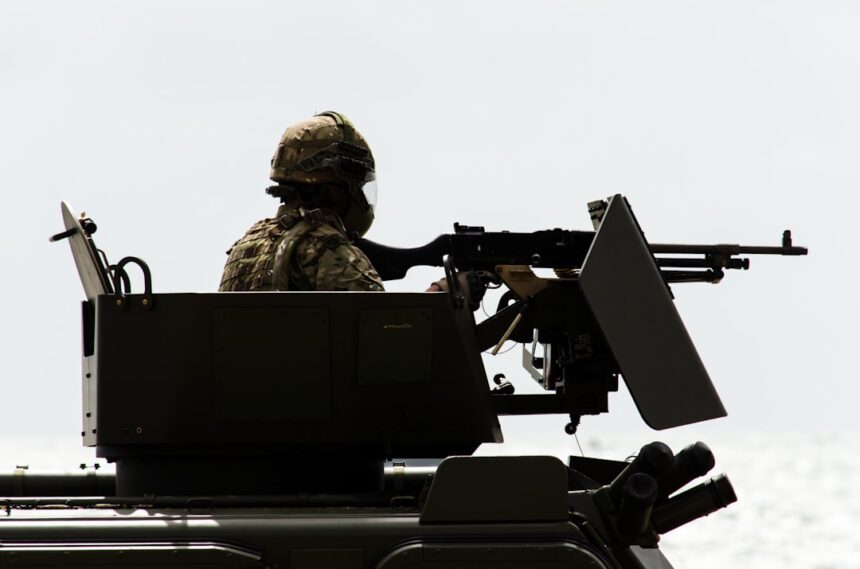
Military outsourcing has emerged as a significant trend in modern defense strategies, reflecting a shift in how nations approach their military needs. This practice involves the delegation of various military functions to private contractors, ranging from logistical support to combat operations. The rationale behind this trend often centers on cost efficiency, flexibility, and the ability to rapidly scale operations without the lengthy processes associated with traditional military recruitment and training.
As governments face budget constraints and the need for rapid deployment capabilities, outsourcing has become an attractive option for many nations. However, the implications of military outsourcing extend far beyond mere financial considerations. The reliance on private contractors raises critical questions about accountability, national security, and the ethical dimensions of warfare.
As military operations increasingly intertwine with corporate interests, the very nature of defense and security is being redefined. This article will explore the multifaceted aspects of military outsourcing, examining its financial costs, impacts on national security, effects on military personnel, and the broader ethical implications that arise from this complex relationship between government and private enterprise.
Key Takeaways
- Military outsourcing increases financial costs and may strain national budgets.
- Reliance on private contractors can undermine national security and accountability.
- Outsourcing affects military personnel morale and operational effectiveness.
- Ethical concerns arise from reduced oversight and potential conflicts of interest.
- Long-term economic and social consequences call for exploring sustainable alternatives.
Financial Costs of Military Outsourcing
The financial implications of military outsourcing are profound and multifaceted. On one hand, proponents argue that outsourcing can lead to significant cost savings for governments. By contracting out services such as logistics, maintenance, and even combat support, militaries can reduce personnel costs associated with salaries, benefits, and pensions for active-duty soldiers.
Additionally, private companies often claim they can deliver services more efficiently than government entities due to their specialized expertise and streamlined operations. Conversely, critics highlight that the initial savings can be misleading. The long-term financial costs associated with military outsourcing can escalate rapidly due to a lack of transparency in contractor pricing and potential over-reliance on these services.
For instance, when contracts are awarded without competitive bidding or oversight, taxpayers may end up footing a much larger bill than anticipated. Furthermore, the hidden costs of training, oversight, and potential legal liabilities associated with private contractors can compound these expenses, leading to a situation where outsourcing becomes more costly than maintaining a robust military workforce.
Impact on National Security

The impact of military outsourcing on national security is a contentious issue that warrants careful examination. On one hand, outsourcing can enhance operational flexibility and allow for rapid responses to emerging threats. Private contractors can be mobilized quickly to provide essential services in crisis situations, potentially filling gaps in military capabilities during times of conflict.
This agility can be particularly beneficial in modern warfare, where the speed of response is often critical. However, the reliance on private contractors also poses significant risks to national security. The lack of direct control over these entities can lead to vulnerabilities in sensitive operations.
Moreover, the potential for conflicts of interest arises when private companies prioritize profit over mission success or national interests. This dynamic can undermine the integrity of military operations and compromise national security objectives.
Effects on Military Personnel
| Effect | Description | Prevalence (%) | Impact on Readiness |
|---|---|---|---|
| Post-Traumatic Stress Disorder (PTSD) | Psychological condition triggered by traumatic events experienced during service. | 15-20 | High – Can impair cognitive function and emotional stability. |
| Traumatic Brain Injury (TBI) | Physical injury to the brain caused by blasts or impacts. | 10-15 | High – May result in long-term cognitive and physical impairments. |
| Depression | Mental health disorder characterized by persistent sadness and loss of interest. | 12-18 | Moderate – Can reduce motivation and performance. |
| Substance Abuse | Misuse of alcohol or drugs as a coping mechanism. | 8-12 | Moderate – Affects judgment and physical health. |
| Physical Injuries | Wounds or disabilities resulting from combat or training accidents. | 20-25 | High – May limit physical capabilities and deployment status. |
| Sleep Disorders | Problems with sleep patterns, including insomnia and nightmares. | 30-40 | Moderate – Impairs cognitive function and alertness. |
The effects of military outsourcing on active-duty personnel are complex and multifaceted. For many service members, the increasing presence of private contractors can create a sense of uncertainty regarding their roles and job security. As certain functions are outsourced, active-duty personnel may find themselves competing with contractors for positions that were once filled by military staff.
This shift can lead to morale issues within the ranks, as soldiers may feel undervalued or question their importance in the overall mission. Additionally, the integration of private contractors into military operations can alter the dynamics of teamwork and camaraderie that are essential to effective military functioning. Service members are trained to rely on one another in high-pressure situations; however, the presence of contractors—who may not share the same training or commitment to military values—can disrupt established bonds.
This fragmentation can hinder operational effectiveness and create challenges in communication and coordination during critical missions.
Lack of Accountability and Oversight
One of the most pressing concerns surrounding military outsourcing is the lack of accountability and oversight associated with private contractors.
This disparity can lead to situations where contractors engage in unethical or illegal behavior without facing appropriate consequences.
The absence of robust oversight mechanisms further exacerbates this issue. In many cases, contracts are awarded without sufficient scrutiny or transparency, allowing companies to operate with minimal accountability. This lack of oversight can result in subpar performance, wasteful spending, and even human rights violations during military operations.
The challenge lies in establishing effective regulatory frameworks that ensure contractors adhere to the same ethical standards expected of military personnel while maintaining operational efficiency.
Ethical and Moral Considerations

The ethical implications of military outsourcing are profound and warrant serious consideration. The use of private contractors in combat situations raises questions about the morality of profiting from warfare. Critics argue that when companies prioritize profit over human lives, it creates a troubling dynamic where financial incentives may overshadow ethical responsibilities.
This commodification of war can lead to decisions driven by profit margins rather than strategic necessity or humanitarian concerns. Moreover, the detachment that comes with outsourcing can desensitize both contractors and military personnel to the realities of conflict. When individuals are removed from direct engagement in combat or decision-making processes, it becomes easier to overlook the human cost of warfare.
This disconnection can foster a culture where violence is viewed as a business transaction rather than a grave responsibility, ultimately undermining the moral foundations upon which military operations should be built.
Long-term Economic Consequences
The long-term economic consequences of military outsourcing extend beyond immediate financial savings or expenditures. As nations increasingly rely on private contractors for defense needs, they may inadvertently create a cycle of dependency that stifles innovation within their own armed forces. When critical capabilities are outsourced, governments may neglect investments in research and development or fail to cultivate a skilled workforce capable of meeting future challenges.
Furthermore, this dependency on private contractors can have broader implications for national economies. As defense budgets shift toward outsourcing, local industries may suffer due to reduced government contracts for domestic manufacturers and service providers. This shift can lead to job losses in sectors traditionally associated with defense contracting while simultaneously enriching a small number of large corporations that dominate the privatized defense landscape.
Risks of Dependence on Private Contractors
The risks associated with dependence on private contractors for military functions are significant and multifaceted. One major concern is the potential for reduced operational readiness within armed forces. As militaries become increasingly reliant on external entities for essential services, they may lose critical skills and capabilities that are necessary for independent operations.
This erosion of internal capacity can leave nations vulnerable in times of crisis when rapid mobilization is essential. Additionally, dependence on private contractors raises questions about strategic autonomy. When critical defense functions are outsourced to corporations driven by profit motives, governments may find themselves beholden to these entities during times of conflict or crisis.
This dynamic can complicate decision-making processes and limit a nation’s ability to act independently in pursuit of its national interests.
Implications for Foreign Policy
The implications of military outsourcing extend into the realm of foreign policy as well. Nations that heavily rely on private contractors may find their diplomatic relationships influenced by corporate interests rather than strategic alliances or humanitarian considerations. The intertwining of business interests with national security objectives can lead to foreign policy decisions that prioritize profit over principles.
Moreover, the use of private contractors in foreign conflicts can complicate international relations. When contractors engage in controversial actions or human rights violations abroad, it can damage a nation’s reputation on the global stage and strain diplomatic ties with other countries. The potential for backlash against perceived mercenary activities underscores the need for careful consideration when integrating private entities into military operations.
Environmental and Social Costs
The environmental and social costs associated with military outsourcing are often overlooked but deserve attention. Military operations inherently carry environmental risks, from pollution generated by equipment and vehicles to habitat destruction caused by conflict-related activities. When these functions are outsourced to private contractors, there may be less accountability regarding environmental stewardship and sustainability practices.
Socially, the presence of private contractors in conflict zones can exacerbate existing tensions within local communities. Contractors may operate without regard for local customs or sensitivities, leading to resentment among populations affected by military actions. This disconnect can hinder efforts at stabilization and reconstruction in post-conflict environments, ultimately undermining long-term peacebuilding initiatives.
Potential Solutions and Alternatives
Addressing the challenges posed by military outsourcing requires a multifaceted approach that balances efficiency with accountability and ethical considerations. One potential solution is to establish clearer regulatory frameworks governing contractor activities within military operations. By implementing stringent oversight mechanisms and ensuring transparency in contract awards, governments can mitigate some risks associated with outsourcing while still benefiting from private sector efficiencies.
Additionally, investing in training programs for active-duty personnel can help maintain essential skills within armed forces while reducing reliance on external entities. By fostering a culture of innovation within military ranks and prioritizing research and development initiatives, nations can enhance their operational readiness without compromising ethical standards or national security objectives. In conclusion, while military outsourcing presents certain advantages in terms of cost efficiency and operational flexibility, it also raises significant concerns regarding accountability, national security, ethics, and long-term economic consequences.
As nations navigate this complex landscape, it is crucial to strike a balance that ensures effective defense capabilities while upholding moral responsibilities and safeguarding national interests.
The hidden costs of military outsourcing have significant implications for both national security and fiscal responsibility. For a deeper understanding of this issue, you can explore the article on the broader implications of military privatization in the context of defense spending. This article provides valuable insights into how outsourcing can lead to unforeseen expenses and operational challenges. To read more, visit this article.
WATCH THIS! The Secret Army That Controls the Pentagon’s Software
FAQs
What is military outsourcing?
Military outsourcing refers to the practice of hiring private companies or contractors to perform tasks and services that were traditionally handled by the military or government personnel. These can include logistics, maintenance, security, training, and even combat support roles.
Why do governments outsource military functions?
Governments outsource military functions to reduce costs, increase efficiency, access specialized expertise, and allow military personnel to focus on core combat and strategic operations. Outsourcing can also provide flexibility in scaling operations up or down as needed.
What are some common hidden costs associated with military outsourcing?
Hidden costs can include reduced oversight and accountability, increased risk of contractor misconduct, dependency on private firms, potential security breaches, higher long-term expenses due to contract renewals, and challenges in maintaining quality and consistency.
How does outsourcing affect military readiness and effectiveness?
Outsourcing can impact military readiness if contractors do not meet performance standards or if critical knowledge and skills are lost within the military. It may also create coordination challenges between military personnel and private contractors.
Are there risks related to security and confidentiality in military outsourcing?
Yes, outsourcing can pose risks to security and confidentiality, as sensitive information and operations may be exposed to private entities. Ensuring proper vetting, clear contracts, and strict oversight is essential to mitigate these risks.
How do governments monitor and regulate outsourced military services?
Governments typically use contracts with detailed performance requirements, regular audits, inspections, and reporting mechanisms to monitor outsourced services. However, enforcement and oversight can be challenging, especially in complex or remote operations.
Can outsourcing lead to ethical or legal issues?
Yes, outsourcing military functions can raise ethical and legal concerns, such as accountability for contractor actions, adherence to international laws, and the potential for human rights violations. Clear legal frameworks and accountability measures are necessary.
What impact does military outsourcing have on military personnel?
Outsourcing can affect military personnel by reducing certain job opportunities, altering career paths, and changing the nature of military work. It may also impact morale if personnel perceive outsourcing as undermining their roles.
Is military outsourcing a growing trend worldwide?
Yes, many countries have increasingly relied on private contractors for various military functions over recent decades. This trend is driven by budget constraints, technological complexity, and the evolving nature of military operations.
How can the hidden costs of military outsourcing be minimized?
Minimizing hidden costs requires thorough contract design, strong oversight and accountability, transparent reporting, maintaining core military capabilities, and ensuring that outsourcing decisions align with strategic objectives and ethical standards.