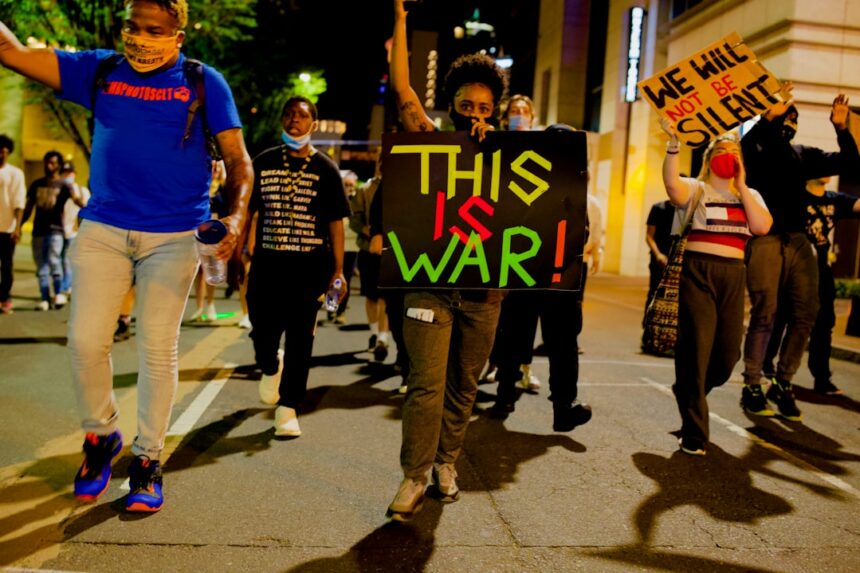
The war documentary has a rich and complex history that traces back to the early days of film. The genre emerged as a means to capture the realities of conflict, providing audiences with a visual representation of the horrors and heroics of war. Early examples can be found during World War I, when filmmakers sought to document the experiences of soldiers on the front lines.
These initial efforts were often characterized by a sense of patriotism and a desire to rally public support for the war effort. As technology advanced, so too did the methods of storytelling, allowing for more nuanced and impactful narratives to emerge. By the time World War II rolled around, war documentaries had evolved significantly.
Filmmakers like Frank Capra and John Huston produced works that not only depicted the battlefield but also explored the human condition amidst chaos. These documentaries served dual purposes: they informed the public about the realities of war while also acting as tools for propaganda. The blending of fact and narrative in these films laid the groundwork for future war documentaries, which would continue to grapple with the complexities of truth and representation in times of conflict.
Key Takeaways
- War documentaries have evolved from their origins to become powerful tools that shape public understanding of conflict.
- Filmmakers play a crucial role in framing war narratives, influenced by various external pressures.
- Government, military, and corporate interests often impact the content and perspective of war documentaries.
- Ethical concerns arise regarding ownership, control, and potential propaganda within war documentaries.
- Independent, unbiased documentaries are essential to counter censorship, manipulation, and ensure responsible viewer engagement.
The Role of the Filmmaker in Shaping the Narrative
Filmmakers play a crucial role in shaping the narrative of war documentaries, wielding significant influence over how stories are told and perceived. Their choices regarding what to include or exclude can dramatically alter the viewer’s understanding of events. A filmmaker’s perspective, background, and intentions often seep into the final product, making it essential for audiences to consider who is behind the lens.
The subjective nature of filmmaking means that even documentaries, which are often viewed as factual representations, can carry an inherent bias. Moreover, filmmakers must navigate a delicate balance between artistic expression and factual accuracy. They often face pressure from various stakeholders, including governments, military organizations, and funding bodies, which can impact their creative decisions.
This dynamic can lead to a narrative that aligns more closely with certain agendas rather than presenting an unbiased account of events. As such, the role of the filmmaker extends beyond mere documentation; they become active participants in the construction of historical narratives that can shape public perception for years to come.
The Influence of Government and Military on War Documentaries
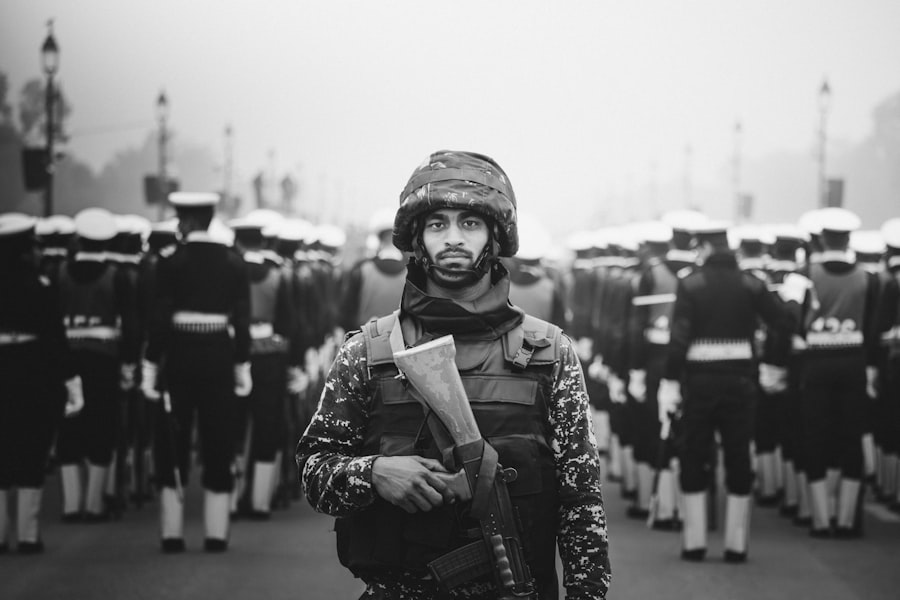
The relationship between war documentaries and government or military entities is often fraught with tension. Governments frequently recognize the power of visual media in shaping public opinion and may seek to exert control over how wars are portrayed. This influence can manifest in various ways, from providing funding and resources to imposing restrictions on what can be shown.
In many cases, filmmakers must navigate a labyrinth of regulations and approvals to ensure their work aligns with official narratives. Military involvement can also lead to a sanitized portrayal of conflict, where the harsh realities of war are glossed over in favor of a more palatable image. This phenomenon raises questions about authenticity and accountability in war documentaries.
When filmmakers rely on military support for access to footage or personnel, they may inadvertently compromise their ability to present an unvarnished view of events. As a result, viewers must remain vigilant about the potential biases that may arise from such collaborations.
The Impact of Corporate Interests on War Documentaries
| Metric | Description | Impact on War Documentaries | Example |
|---|---|---|---|
| Funding Sources | Percentage of war documentaries funded by corporate sponsors | May influence narrative to align with corporate interests | 40% of major war documentaries receive corporate funding |
| Content Censorship | Instances where corporate interests led to content alteration or omission | Limits critical perspectives on war and corporate involvement | 15 documented cases in the last decade |
| Distribution Reach | Number of platforms controlled by corporations distributing war documentaries | Controls which narratives gain wider audience exposure | Top 5 platforms cover 70% of documentary distribution |
| Advertising Influence | Percentage of advertising revenue from defense or related industries | Potential bias towards pro-military perspectives | 25% of ads in war documentary slots from defense contractors |
| Viewer Trust Levels | Surveyed trust in war documentaries influenced by corporate funding | Lower trust when corporate ties are disclosed | Trust drops by 30% when funding sources are known |
Corporate interests have increasingly permeated the realm of war documentaries, introducing another layer of complexity to the genre. As media companies seek to maximize profits, they may prioritize sensationalism over substance, leading to a focus on entertainment value rather than educational content. This shift can dilute the impact of war documentaries, transforming them into products designed for mass consumption rather than vehicles for critical reflection.
Additionally, corporate sponsorship can influence the narratives presented in war documentaries. Companies may have vested interests in promoting certain perspectives or downplaying others, which can lead to a skewed representation of events. Filmmakers may find themselves caught in a web of commercial pressures that dictate not only what stories are told but also how they are framed.
This commercialization poses significant challenges for those seeking to create authentic and thought-provoking war documentaries.
The Ethics of Ownership and Control in War Documentaries
Ownership and control over war documentaries raise important ethical questions about who gets to tell these stories and how they are presented. The question of authorship becomes particularly contentious when considering the diverse voices and experiences that exist within any given conflict. When a single entity or individual holds the rights to a documentary, it can limit the range of perspectives that are included, potentially marginalizing voices that deserve to be heard.
Moreover, issues surrounding copyright and intellectual property can complicate matters further. Filmmakers may find themselves grappling with legal constraints that dictate how their work can be distributed or altered. This control can stifle creativity and hinder the ability to engage with complex narratives in meaningful ways.
As such, discussions about ownership in war documentaries must consider not only the rights of creators but also the broader implications for historical representation and public discourse.
The Power of Propaganda in War Documentaries
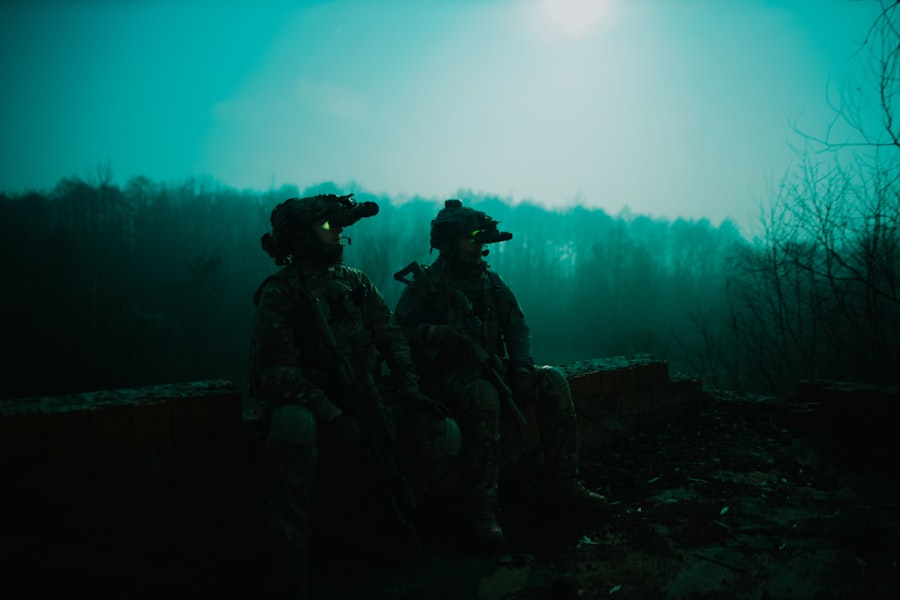
Propaganda has long been intertwined with war documentaries, serving as a powerful tool for shaping public perception during times of conflict. Governments and military organizations have historically utilized film as a means to promote specific narratives that align with their objectives. By framing wars in particular ways—highlighting heroism, downplaying casualties, or emphasizing national pride—propaganda can manipulate emotions and influence public sentiment.
The effectiveness of propaganda in war documentaries lies in its ability to evoke strong emotional responses from viewers.
However, this manipulation raises ethical concerns about the responsibility filmmakers have in presenting an accurate portrayal of events versus serving as instruments of state-sponsored messaging.
The Dangers of Censorship and Suppression in War Documentaries
Censorship poses significant dangers to the integrity of war documentaries, often stifling critical voices and limiting access to essential information. Governments may impose restrictions on what can be shown or discussed in order to maintain control over public perception. This suppression can lead to a distorted understanding of conflicts, as audiences are deprived of diverse viewpoints and unfiltered accounts of events.
The consequences of censorship extend beyond individual films; they can shape collective memory and historical narratives. When certain aspects of a conflict are systematically excluded from public discourse, it creates an incomplete picture that can perpetuate misunderstandings or reinforce harmful stereotypes. Filmmakers who challenge dominant narratives may face backlash or even legal repercussions, further complicating their ability to tell important stories about war.
The Responsibility of the Viewer in Consuming War Documentaries
As consumers of war documentaries, viewers bear a significant responsibility in critically engaging with the content presented to them. It is essential for audiences to approach these films with a discerning eye, recognizing that even documentaries can be shaped by biases and agendas. By questioning the sources of information and considering multiple perspectives, viewers can develop a more nuanced understanding of complex issues surrounding war.
Moreover, viewers should be aware of their own biases and preconceived notions when consuming war documentaries. Personal experiences and cultural backgrounds can influence how individuals interpret narratives, making it crucial for audiences to remain open-minded and willing to challenge their assumptions. Engaging with war documentaries thoughtfully not only enriches personal understanding but also fosters informed discussions about broader societal implications.
The Importance of Independent and Unbiased Perspectives in War Documentaries
Independent filmmakers play a vital role in providing alternative perspectives on war that may be overlooked by mainstream narratives. By operating outside traditional funding structures or government oversight, these creators often have greater freedom to explore complex issues without fear of censorship or commercial pressures. Their work can illuminate marginalized voices and shed light on underreported aspects of conflict.
The value of unbiased perspectives cannot be overstated; they contribute to a more comprehensive understanding of war’s multifaceted nature. Independent documentaries often challenge dominant narratives by presenting counterarguments or highlighting overlooked experiences. This diversity enriches public discourse and encourages critical engagement with historical events, ultimately fostering a more informed citizenry.
The Potential for Manipulation and Misrepresentation in War Documentaries
The potential for manipulation and misrepresentation looms large within the realm of war documentaries. Filmmakers may inadvertently or intentionally distort facts through selective editing or framing techniques that skew perceptions. This manipulation can lead audiences to draw conclusions based on incomplete information or misleading portrayals.
Furthermore, sensationalism often takes precedence over accuracy in an effort to captivate viewers’ attention. The desire for dramatic storytelling can overshadow the complexities inherent in any conflict, reducing multifaceted issues into simplistic narratives that fail to capture reality’s nuances. As such, it is imperative for both filmmakers and viewers alike to remain vigilant against these tendencies, striving for authenticity while recognizing the limitations inherent in any documentary format.
The Future of War Documentaries and the Role of Ownership in Shaping Public Perception
Looking ahead, the future of war documentaries will likely continue grappling with issues surrounding ownership and control as technology evolves and media landscapes shift.
As audiences increasingly turn to digital platforms for information about conflicts, filmmakers must navigate this changing terrain while remaining committed to authenticity.
Ownership will play a pivotal role in shaping public perception moving forward; who controls narratives will determine which stories are told and how they are framed. Independent voices must find ways to thrive amidst corporate interests while advocating for diverse perspectives that challenge dominant narratives. Ultimately, fostering an environment where varied voices can coexist will be essential for creating a more informed public capable of engaging critically with complex issues surrounding war and conflict in an ever-evolving media landscape.
In exploring the themes presented in the documentary “Who Owns the Next War,” it is insightful to consider the related article on the implications of modern warfare strategies. This article delves into the evolving nature of conflict and the role of technology in shaping future battles. For more information, you can read the article [here](https://www.inthewarroom.com/sample-page/).
WATCH THIS! The Secret Army That Controls the Pentagon’s Software
FAQs
Who produced the documentary “Who Owns the Next War”?
The documentary “Who Owns the Next War” was produced by the media organization or filmmaker credited in the film’s official release information. Specific production details can typically be found in the documentary’s credits or official website.
Who directed the documentary “Who Owns the Next War”?
The director of “Who Owns the Next War” is the individual responsible for overseeing the creative aspects of the film. This information is usually listed in the documentary’s credits or promotional materials.
Who holds the copyright for “Who Owns the Next War”?
The copyright for the documentary is generally held by the production company or the filmmaker who created the documentary. This legal ownership grants them control over distribution and reproduction rights.
Where can I legally watch “Who Owns the Next War”?
The documentary may be available on official streaming platforms, the production company’s website, or through authorized distributors. Checking reputable sources or the documentary’s official channels is recommended for legal viewing options.
Is “Who Owns the Next War” available for educational use?
Many documentaries are available for educational purposes under specific licensing agreements. Interested educators should contact the rights holders or distributors to obtain permission or licenses for classroom use.
Can I purchase or license “Who Owns the Next War” for public screenings?
Yes, public screenings typically require obtaining a license from the rights holders or distributors. Contacting the production company or authorized distributors will provide information on how to legally license the documentary for public viewing.
What is the main subject of the documentary “Who Owns the Next War”?
“Who Owns the Next War” explores themes related to warfare, ownership, and possibly the political or economic factors influencing future conflicts. For detailed content, viewing the documentary or reading official summaries is recommended.